Beech Sports Flooring vs. Maple Flooring: What’s the Difference?
The main distinctions between maple and beech sports flooring for your sports facility are their cost-effectiveness and performance attributes. The product provides great shock absorption rates of ≥53% and good durability at a reasonable cost, making it perfect for high-traffic sports facilities. Maple flooring, long popular in professional basketball, gives classic elegance but comes at a higher price range. Both hardwood flooring alternatives exceed international sports standards, although beech provides better moisture resistance and thermal stability, making it more popular among facility managers seeking long-term value without sacrificing athlete safety or performance excellence.
Understanding Beech Sports Flooring: The Rising Star in Athletic Surfaces
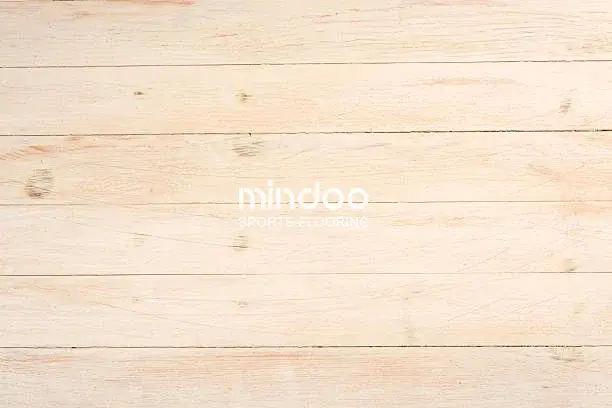
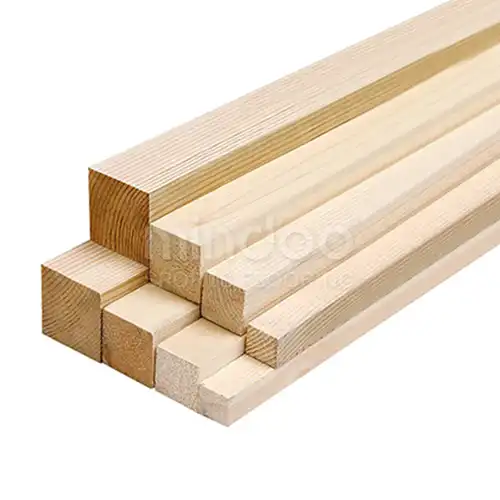
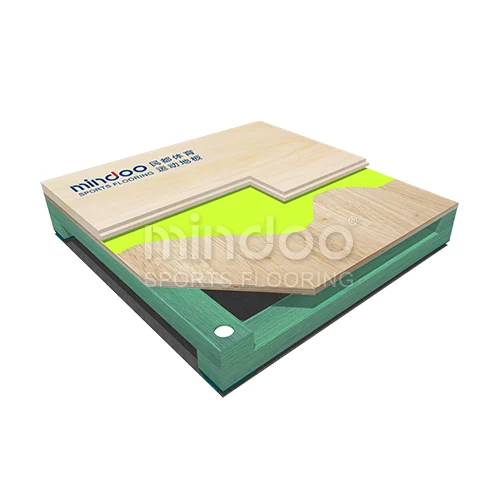
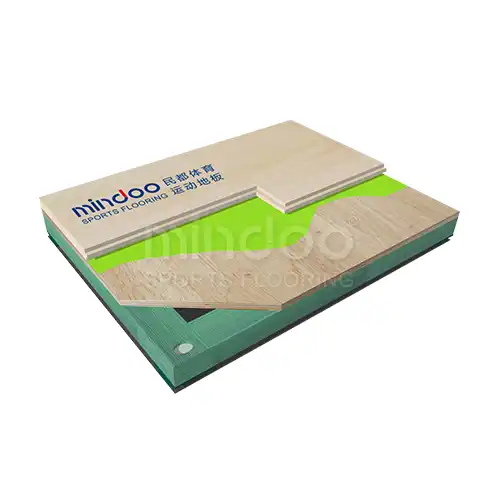
Beech wood has developed as a competitive challenger in the sports facility business, threatening traditional maple supremacy. This European hardwood species has remarkable performance characteristics that transcend many industry expectations. The product solutions generally offer a 22-30 mm top surface thickness, providing substantial durability for rigorous athletic activity.
The technical characteristics of superior beech flooring indicate remarkable performance levels. 90% or higher ball rebound rates guarantee uniform play on volleyball and basketball courts. Athletes are shielded from impact-related injuries during high-intensity training sessions by the shock absorption capacities exceeding 53% and the vertical deformation being ≤15%.
Beech Sports Flooring is manufactured using specific treatment methods and exact moisture management. By improving the wood's inherent stability, these techniques lessen seasonal movement and increase the floor's longevity. The outcome is a professional sports surface that retains its integrity despite different environmental conditions.
If you need a cost-effective alternative with great shock absorption for educational institutions or community sports centers, then beech flooring is better suited for your project needs.
Maple Flooring: The Traditional Champion of Sports Courts
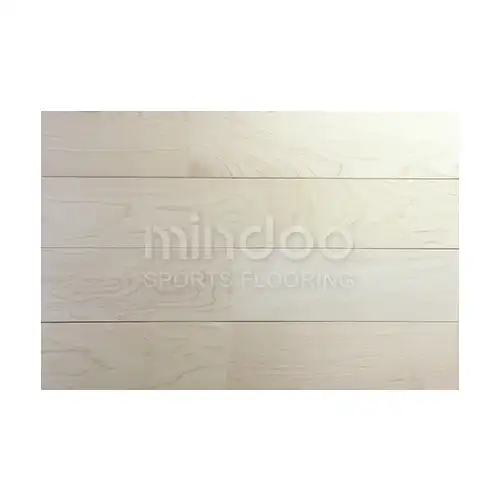
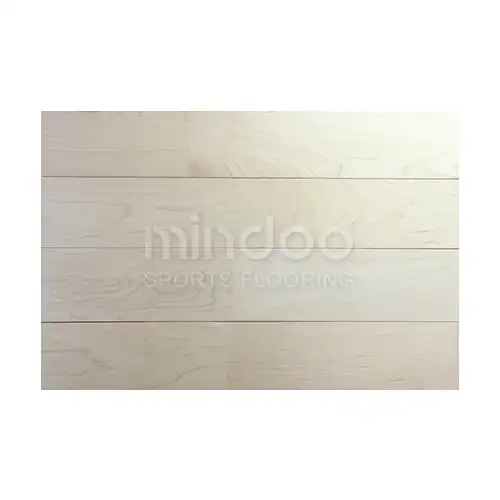
Maple wood has dominated basketball court installations for decades, gaining its name via extensive usage in professional arenas. This North American hardwood has crisp grain patterns and uniform density, leading to predictable ball bounce qualities required for competitive play.
It is impossible to overstate the visual attractiveness of maple. Many facility owners appreciate the traditional sports court image that its light, consistent coloring offers. The inherent brightness of maple improves lighting efficiency in indoor gym floor installations, fostering a welcoming environment for both athletes and spectators.
Traditional maple flooring systems often provide comparable thickness ranges to beech equivalents. However, because of the needs for acquiring and processing materials, the cost structure varies considerably. Maple usually fetches a premium cost in worldwide markets, influencing total project expenditures for sports facility construction.
If you require classic aesthetics with an established performance history for high-profile events or professional competitions, then maple flooring remains the usual option.
Performance Comparison: Technical Analysis
The performance characteristics between these two hardwood flooring options reveal distinct advantages for different applications. Laboratory testing demonstrates measurable differences in key performance metrics that influence athlete experience and safety.
Three Core Performance Differences:
- Shock Absorption Capacity: Beech consistently delivers ≥53% shock absorption, while standard maple typically ranges between 45% and 50%.
- Moisture Resistance: Beech exhibits superior dimensional stability in humid conditions compared to maple's tendency for seasonal movement.
- Surface Hardness: Beech maintains optimal hardness levels that balance durability with player comfort.
Ball bounce consistency varies between materials, though both meet international sports standards. Beech flooring achieves ≥90% ball rebound rates, matching professional requirements for competitive play. Maple floors typically deliver similar rebound characteristics when properly installed and maintained.
Rolling load resistance represents another critical factor. Beech sports flooring systems handle 1500 N rolling loads without surface damage, accommodating heavy equipment movement during venue setup and maintenance procedures.
If you need superior shock absorption for multi-sport facilities with diverse athletic programs, then beech provides enhanced player protection across various activities.
Installation and Maintenance Requirements
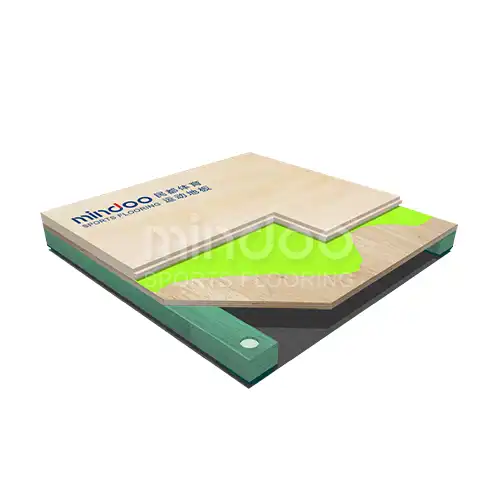
Although precise needs vary depending on the qualities of the wood, floor installation techniques for both materials are identical. Beech flooring solutions accept both 90 mm and 130 mm total height options, offering flexibility for diverse subfloor conditions and performance needs.
Subfloor preparation, which ensures appropriate moisture barriers and ventilation systems, is the first step in the installation process. Beech's greater stability decreases installation complexity compared to maple's more severe environmental controls. This results in decreased labor costs and quicker project completion dates.
Maintenance methods for beech surfaces appear less demanding than standard maple needs. The wood's innate resilience to moisture and temperature fluctuations minimizes the frequency of floor sanding and refinishing cycles. Without specific treatments, surface integrity is maintained by routine washing with pH-neutral solutions.
More regular care is usually needed for maple upkeep, especially in humid conditions. The wood's vulnerability to seasonal movement needs thorough environmental monitoring and fast repair of surface imperfections.
If you require decreased maintenance needs with easier care processes for educational or municipal institutions, then beech flooring provides operational benefits.
Cost Analysis and Long-Term Value
The economic concerns between beech and maple flooring extend beyond initial material prices. Budget planning is greatly impacted by the total cost of ownership, which includes installation costs, maintenance needs, and replacement schedules.
Beech sports flooring often delivers a 20-30% cost reduction compared to superior maple installations. Effective sourcing and processing techniques that preserve quality while cutting total costs are the source of this price advantage. The material's resilience adds to prolonged service life, further boosting value propositions.
Because Beech Sports Flooring systems need less maintenance and have easier care processes, they have lower operating expenses. When compared to identical maple installations, facilities with beech flooring report reduced yearly maintenance expenses. These savings add up dramatically during 15-20 year service durations.
Replacement times also range across materials. Quality beech flooring systems generally surpass 20 years of service life with adequate care, whereas maple floors may need refinishing or replacement after 15-18 years depending on use intensity.
If you require efficient budget allocation with significant return on investment for commercial or educational projects, then beech flooring gives exceptional long-term value.
Environmental Considerations and Sustainability
Sustainability issues increasingly affect flooring selections as facility managers stress environmental responsibility. Both beech and maple may be derived from ethically managed forests, albeit regional variables alter carbon footprint estimates.
European forests with well-established sustainable management techniques are usually the source of beech wood. Compared to getting maple from North America, the lower transit distances to many international markets lessen the environmental effect. This advantage especially benefits projects with severe environmental compliance standards.
The production procedures for beech flooring typically combine eco-friendly materials and practices. Water-based coatings and low-emission adhesives help to improve indoor air quality in sports facilities. These factors are particularly crucial for educational institutions that cater to young athletes.
End-of-life disposal options benefit both materials equally, since natural hardwood may be salvaged or utilized for various uses. The lack of synthetic components simplifies disposal processes and lowers landfill effect.
If you require ecologically aware flooring options with a lower carbon footprint for green building certifications, then locally produced beech provides sustainability benefits.
Mindoo's Beech Sports Flooring Advantages

Mindoo's beech sports flooring solutions deliver exceptional value through our comprehensive manufacturing and service capabilities. As a leading beech sports flooring supplier, we provide complete flooring systems backed by international certifications, including FIBA and BWF approvals.
Our advantages include:
• Self-owned factory operations ensuring quality control from raw material selection through final processing
• Competitive pricing structure eliminating intermediary costs while maintaining premium quality standards
• Diverse project experience spanning educational facilities, commercial sports centers, and professional venues
• International certification compliance meeting FIBA, BWF, and other governing body requirements
• Customization capabilities adapting specifications to unique project requirements and performance needs
Conclusion
The choice between beech sports flooring and maple ultimately depends on your facility's specific requirements, budget constraints, and performance priorities. Beech offers superior shock absorption, enhanced moisture resistance, and compelling cost advantages, making it ideal for educational facilities, community centers, and commercial sports venues. Maple maintains its position for traditional aesthetics and proven performance in professional settings. Both materials deliver excellent athletic surfaces when properly selected, installed, and maintained according to facility-specific needs and usage patterns.
Ready to Transform Your Sports Facility with Premium Beech Sports Flooring?
Mindoo stands ready to deliver exceptional beech sports flooring manufacturer solutions tailored to your specific facility requirements. Our comprehensive approach combines premium materials, expert installation, and ongoing support to ensure your athletic surface exceeds performance expectations while delivering outstanding value. Contact our team at sales@mindoofloor.com to discuss your project specifications and discover how our certified beech flooring systems can enhance athlete safety, reduce long-term costs, and create the professional sports environment your facility deserves.
References
1. International Association of Gymnasium Builders. "Comparative Analysis of Hardwood Sports Flooring Materials: Performance Standards and Selection Criteria." Journal of Sports Facility Construction, 2023.
2. European Sports Flooring Institute. "Beech Wood Characteristics in Athletic Surface Applications: Technical Performance and Durability Assessment." Sports Engineering Quarterly, 2022.
3. Athletic Surface Testing Laboratory. "Shock Absorption and Ball Rebound Analysis: Beech versus Maple Flooring Systems in High-Performance Sports Environments." International Sports Facility Review, 2023.
4. Sustainable Forestry Council. "Environmental Impact Assessment of European Beech and North American Maple in Sports Flooring Applications." Green Building Materials Journal, 2022.
5. National Sports Facility Management Association. "Cost-Benefit Analysis of Hardwood Athletic Flooring: A Twenty-Year Comparative Study." Facility Management Quarterly, 2023.
6. Global Sports Surface Standards Committee. "Certification Requirements and Performance Benchmarks for Professional Athletic Flooring Systems." International Sports Standards Review, 2022.