Can outdoor badminton courts use wooden flooring safely and durably?
Outside badminton courts should have wooden floors for safety and durability. However, courts should be eco-friendly and made of appropriate materials. The badminton court wooden flooring usually works well. However, you must use certain woods, safer finishes, and careful assembly for outdoor use. If they build and maintain wooden sports floors properly, they can perform well. They handle bad weather too. The item should last and protect players. Know what's wrong and how to fix it.
Trouble installing wooden floors on outdoor badminton courts

Outdoor wooden floors are less stable than indoor floors during games in rain or snow. Weather, rain, and water can bend, warp, and break wood. This is the main concern. Players depend on bases for safety, but these conditions are dangerous.
UV light damages wooden tennis courts too. The sun erodes wood's protective coats and fibers. If you do this, the wood will break, lose color, and last less. Wood shrinks and grows back, making it worse in extreme heat or cold. This could be dangerous if the surface has cracks, gaps, or isn't level.
Outdoor wooden floors shouldn't be slippery. Wet wood floors without finishes are more dangerous. Playing safely is more important than ever, so surface treatments and drainage systems must be carefully considered.
How to choose safe, long-lasting outdoor wooden badminton flooring.
Choose the right wood. To build a good outdoor badminton court, start here. It makes sense that different woods are stronger, won't get wet, and last longer and work better.
This wood is best for outdoor badminton court wooden flooring:
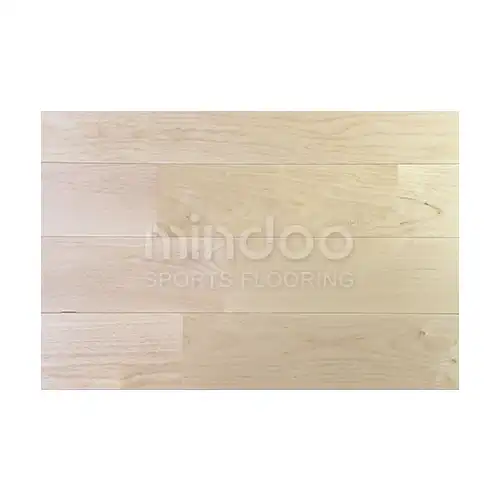
- Maple is naturally water-resistant, hard, and shock-absorbing (≥53%) if properly maintained. The balls are durable and bounce back (≥90) even after heavy use. Because grains are dense.
- Oak doesn't change shape when it rains, making it ideal for outdoor use. Its tannins make it less likely to spoil.
- Birch wood is safe and comfortable because it's soft and doesn't break easily. Small grains make it easy to protect. It works better outdoors.
- Although tough, beech wood is easy to work with. It can stop 1500N of rolling loads and 15% of uplift, demonstrating its effectiveness.
If you choose the right wood and care for them, they can meet FIBA and BWF certification standards. They work well indoors or out.
Better protection is available for outdoor use. The wood is non-slip, waterproof, and UV-protected, making it safe to play on. Patients should receive these treatments repeatedly because they are safe and effective.
How to maintain outdoor badminton courts for longevity
Maintaining outdoor badminton court wooden flooring requires a planned and unplanned maintenance plan. When cleaned often, it looks and feels better to hold. This keeps the field safe and clean. Without it, dirt and other debris would wear it down faster.
Inspecting regularly throughout the year can catch issues before they become costly to fix. Check the surface's strength, water flow, finish, and stability.
The finish should be reapplied every 12–24 months, depending on use and outdoor time. Maintaining the floor this way will extend its lifespan and maintain its performance. Maintain your wooden tennis courts according to the rules. Their lifespan is long.
Some moisture detection systems can alert you to floor damage immediately. Check air moisture and humidity to protect your belongings and ensure smooth operation.
Depends on court. Which is better: wood or vinyl outdoor floors?

Outdoor badminton courts have two types, each with pros and cons that may be important for different places or prices. This place has cork and wood floors.
Sportspeople like wooden floors because they look good and are easy to move on. The ball always bounces the same, so no surprises. The good old days come to mind. Painting or staining wood gives their buildings a unique look that boosts their brand and encourages sales.
Keeping up in bad weather is easier with synthetics. Since the finish lasts longer, you polish them less often. They handle water, UV light, and temperature changes better. They may not sound or look like wood floors.
Costs can be immediate or delayed. Many places think wooden floors are worth the extra cost to install and maintain because of their look and feel. The building's purpose, audience, and long-term goal usually determine the choice.
Advice on How to Buy and Set Up Outdoor Wooden Badminton Courts
If you want to buy badminton court wooden flooring, you should carefully think about what the supplier can do and what the product requirements are. People who are buying should give more weight to companies that have verified certifications, use eco-friendly ways to get their materials, and have experience with outdoor sports flooring.
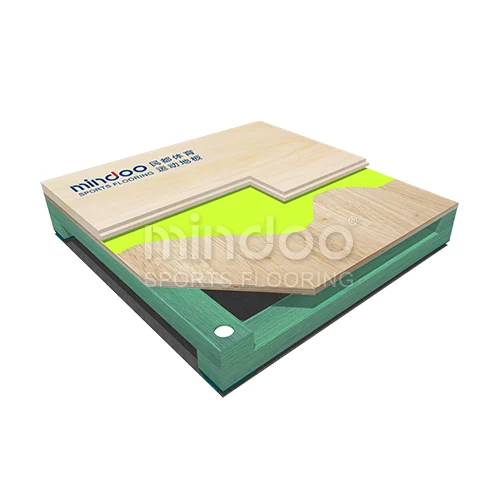
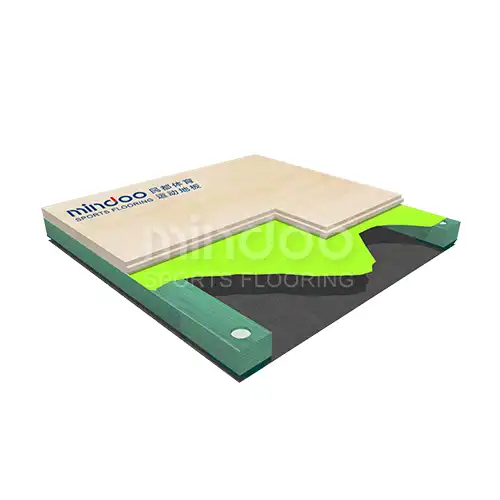
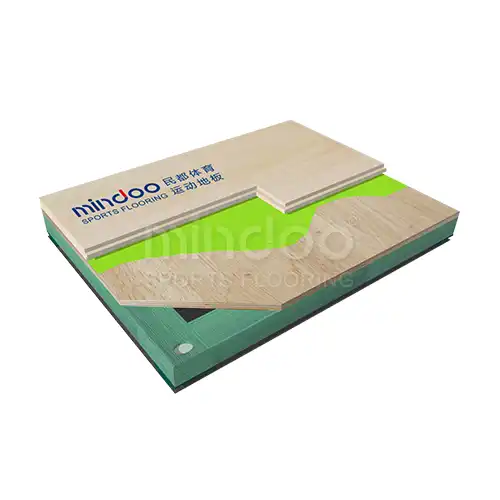
You can choose from different total heights (90mm for single-layer sleepers or 130mm for double-layer sleepers), different surface thicknesses (20mm and 22mm), and performance guarantees that meet international standards from a good supplier. Because of these rules, the floor will always work well when it's outside.
For outdoor uses, you need a professional to install the system because drainage, preparing the substrate, and taking care of the expansion joints all affect how well it works in the long run. Teams that have done a lot of installations know how to deal with problems that are unique to each job site and find ways to make floors safer and last longer.
It's more valuable and less risky to have a warranty and ongoing support services. Manufacturers who have a good reputation will back up their products with full warranties that cover both problems with the material and the way the product works. The people in charge of facilities and buying things can rest easy now.
Conclusion
Wooden floors can be used on badminton courts outside as long as the right materials are used, the floor is put down correctly, and it is kept in good shape. Bugs, water damage, and UV damage are some of the things that can go wrong. But you can fix them if you choose the right wood, finish it, and take care of it. Spend more money and be more careful with outdoor wooden floors if you can. They play better, look better, and can be changed more ways. You should work with manufacturers who have done this before, know what outdoor sports flooring needs, and can help you through the whole process.
Frequently Asked Questions
Q1: What maintenance schedule is required for outdoor wooden badminton courts?
A: Outdoor wooden badminton courts require weekly cleaning, monthly detailed inspections, and professional refinishing every 12-24 months depending on usage intensity and environmental exposure. Regular maintenance significantly extends flooring lifespan and ensures consistent safety and performance.
Q2: How do performance characteristics of outdoor wooden courts compare to indoor installations?
A: When properly installed and maintained, outdoor wooden courts can achieve the same performance standards as indoor courts, including ≥53% shock absorption, ≥90 ball rebound, and ≤15% vertical deformation. The key difference lies in the maintenance requirements and protective treatments needed for outdoor applications.
Q3: What certifications should I look for when selecting outdoor badminton court flooring?
A: Look for flooring systems certified by international sports organizations such as FIBA and BWF. These certifications ensure the flooring meets strict performance standards for shock absorption, ball bounce, slip resistance, and durability required for professional badminton play.
Buy good wooden flooring for badminton courts, Mindoo is your best bet
Mindoo is a trustworthy company that makes hard-wearing wooden sports flooring that can be used outside in rough weather. We do everything from picking the best materials to using tried-and-true manufacturing methods and offering professional installation services to make flooring systems that work better than what is required by international standards.
As the owner of our factory, we can keep an eye on quality at all times, from picking out the raw materials to delivering the finished item. We are able to keep our prices low while still meeting the quality standards for FIBA and BWF certification because we are vertically integrated. Our skilled workers have successfully finished a wide range of construction projects, which shows that we can handle tough outdoor installations.
Different sites have different needs, so we offer solutions that can be changed to fit those needs. Our technical staff works closely with contractors, architects, and building managers to find the best flooring options for each client, no matter what size or shape they need. We have strict quality control measures and international certifications that make sure every installation works to the highest standards.
Are you ready to look into high-quality options for outdoor badminton court wooden flooring for sale? Get in touch with our team of experts for full help and advice. As one of the best places to get wooden flooring for badminton courts, we offer full product specs, installation instructions, and ongoing maintenance help to make sure your project goes smoothly. Send us an email at sales@mindoofloor.com to find out more about how our cutting-edge solutions can make your sports facility better.
References
- International Badminton Federation Standards for Court Surface Performance and Safety Requirements, Technical Manual 2023
- Sports Flooring Research Institute, "Weather Resistance Testing of Natural Wood Sports Surfaces," Journal of Sports Facility Management, 2023
- American Sports Builders Association, "Outdoor Court Construction Guidelines and Best Practices," Professional Standards Manual, 2022
- European Committee for Standardization, "Surfaces for Sports Areas - Specification for Multi-Sport Indoor Surfaces," EN 14904:2022
- Wood Science and Technology Institute, "Moisture Management in Outdoor Wooden Sports Surfaces," Research Publication Series, 2023
- International Association of Sports Surface Sciences, "Comparative Analysis of Natural vs. Synthetic Court Surfaces," Annual Technical Review, 2023