Complete Guide to PVC Basketball Floor Installation & Specifications
When picking the ideal flooring solution for basketball facilities, pvc basketball flooring stands out as the premier choice for modern sports venues. This thorough guide includes all you need to know about PVC basketball court installation, from material specs to maintenance requirements. This book offers the necessary knowledge for making well-informed decisions about PVC sports flooring options, whether you're a contractor looking for technical specifics, a facility operator putting athlete safety first, or a developer striking a balance between durability and aesthetics.
Understanding PVC Basketball Court Materials and Construction
Overview of PVC Surfaces for Basketball Courts
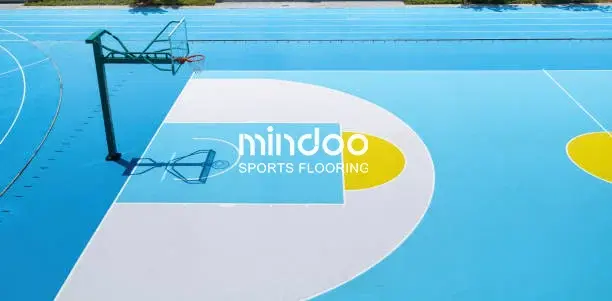
PVC basketball court surfaces represent a remarkable leap in sports flooring technology. Traditional hardwood courts find it difficult to match the longevity, safety, and performance features of these multi-layered systems.
Construction and Materials
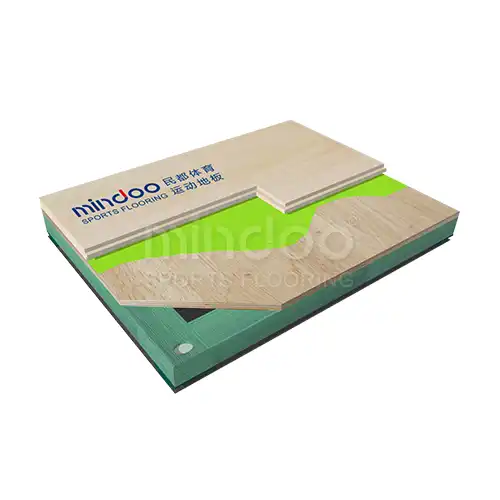
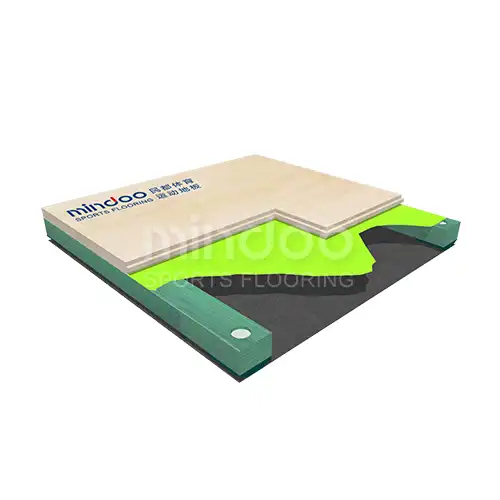
A high-density foam backing layer that offers superior shock absorption is the first part of the structure. This core feature decreases player fatigue during extended play sessions while preserving joints from impact-related ailments. A reinforced PVC composite layer provides dimensional stability and structural integrity above this cushioning base.
Features of Performance
A professionally produced texture pattern created especially for basketball applications is present on the surface layer. This specific design offers optimal ball bounce consistency while offering consistent slide resistance without excessive friction that could cause skin burns or equipment degradation.
Advanced Technology and Durability
Modern PVC indoor basketball flooring incorporates innovative composite technology that removes conventional weak points observed in segmented installations. The seamless surfaces produced by the one-piece molding technique endure the rigorous requirements of competitive basketball while preserving uniform performance qualities throughout the floor.
Technical Specifications and Performance Standards
Importance of Technical Specifications
Basketball facility owners require exact technical specifications to ensure compliance with sporting governing bodies and insurance requirements. PVC basketball flooring systems typically offer thickness variations ranging from 2.0mm to 3.0mm, with each variation tailored for various applications and usage levels.
Standards for Durability and Safety
The material mix offers the flame-resistant qualities necessary for public facilities while also meeting strict international safety standards. The substrate is shielded from moisture intrusion by waterproof properties, avoiding expensive structural damage and preserving long-term performance integrity.
Performance Metrics: Ball Bounce Consistency
Ball bounce consistency represents an important performance metric for basketball surfaces. Fair play and consistent ball behavior during practices and games are ensured by high-quality PVC sports court flooring, which provides consistent rebound qualities throughout the playing area.
Acoustic Benefits for Multi-Purpose Facilities
PVC systems are very useful for multipurpose buildings because of their ability to manage sound. The foam backing considerably minimizes impact noise transmission, allowing basketball activities in buildings where typical hardwood courts would cause intolerable noise levels for surrounding rooms.
Aesthetic Longevity with UV-Resistant Coatings
Surface graphics and color schemes are shielded from deterioration under gymnasium lighting systems by UV-resistant coatings. This protection preserves bright court aesthetics throughout the product's service life while minimizing the frequent refinishing requirements associated with standard hardwood surfaces.
Installation Process and Professional Requirements
The Value of Correct Installation
Proper installation is the foundation of long-term PVC basketball flooring performance. The process begins with detailed substrate inspection and preparation to ensure optimal adhesion and prevent future difficulties.
Surface Preparation Techniques
Surface preparation comprises comprehensive cleaning, moisture testing, and leveling operations. Any flaws in the substrate must be corrected before installation begins, as even minor faults can telegraph through the PVC surface and affect ball bounce qualities.
Environmental Conditions for Installation
Controlling the temperature and humidity during installation is essential to getting the best results. PVC basketball court tiles require certain climatic conditions throughout the glue curing process to ensure appropriate bonding and prevent potential delamination difficulties.
Specialized Equipment and Methods
Professional installation crews utilize specialized tools and techniques developed exclusively for PVC sports flooring applications. These techniques guarantee correct seam alignment, sufficient adhesive coverage, and the removal of air bubbles that can jeopardize the integrity of the surface.
Quality Control and Performance Verification
Quality control inspections during the installation process verify that each part satisfies performance criteria. This meticulous attention to detail guarantees that the completed court will exhibit the desired performance characteristics from the first day of usage and avoids expensive remedial work.
Design Options and Customization Capabilities
Possibilities for Personalization with PVC Basketball Flooring
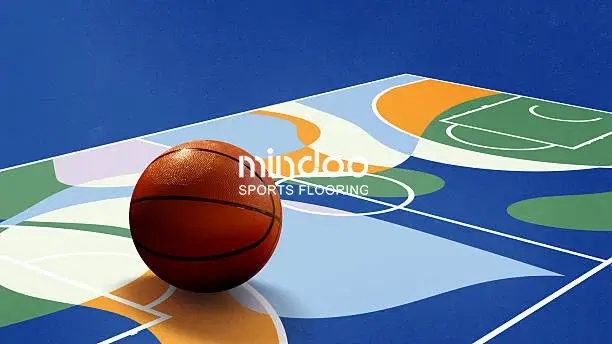
In order to create unique court environments while upholding professional performance standards, modern PVC basketball flooring offers a wide range of customisation options. Color selection spans from traditional hardwood looks to contemporary designs that mirror team colors or institutional branding.
Texture Designs and Surface Patterns
Options for surface patterns include a variety of texture designs that are tailored to different play types and facility needs. The expertly designed dot texture offers superior grip qualities while preserving the easy-to-clean qualities necessary for high-use settings.
Integration of Custom Graphics
Facilities can integrate sponsor messaging, logos, and decorative features directly into the court surface through custom graphics integration. Instead of being applied overlays that may eventually peel or wear off, these images become permanent components of the flooring system.
Cutting-Edge Printing Technology for Sturdiness
Pin-sharp printing process offers crisp, detailed graphics that keep their appearance throughout the product's service life. Complex designs and photographic images that were not achievable with conventional court marking techniques are made possible by this capacity.
Precision in Line Marking
While providing versatility for multi-sport combinations, line marking precision satisfies official basketball court criteria. Many venues utilize multiple colored lines to enable basketball, volleyball, and other court sports within the same space.
Maintenance Requirements and Long-term Care
Simplified Maintenance Benefits
When compared to traditional hardwood systems, one of the most appealing benefits of PVC basketball court maintenance is the ease of everyday care operations. Standard cleaning procedures that facility employees can easily handle without specific training or equipment make up the majority of routine maintenance.
Daily Cleaning Routines
Basic sweeping to remove dirt and sporadic moist mopping with common floor cleaning products are part of daily cleaning procedures. Common gymnasium spills are prevented from inflicting irreversible damage or discoloration by the stain-resistant surface properties.
Long-Term Performance Without Major Restoration
Unlike hardwood courts that require frequent refinishing, sanding, and resealing procedures, PVC basketball flooring maintains its performance characteristics without extensive restoration work. By doing this, the high expenses and downtime of traditional court maintenance cycles are eliminated.
Resilience to Normal Wear and Tear
The robust surface withstands common scratches and scuffs that would ruin ordinary flooring materials. There is no risk to correctly placed PVC surfaces from heavy equipment movement, folding bleacher operations, and other facility activities that usually call for protective measures.
Waterproof Features for Simple Cleanup
Waterproof qualities make cleaning up spills easier and stop moisture-related problems including cupping, warping, and mold growth. This trait becomes particularly valuable in facilities with swimming pools or other high-humidity situations.
Cost Analysis and Return on Investment
PVC basketball flooring's total cost of ownership
PVC basketball flooring cost concerns extend beyond initial installation charges to incorporate entire lifetime ownership costs. The long-term financial advantages usually outweigh the initial cost, though it may vary depending on facility features and customisation needs.
Installation Cost Advantages
When substrate preparation requirements are taken into account, installation costs are typically cheaper than those of similar hardwood court systems. Unlike hardwood installations, which usually required for significant subfloor changes, PVC systems frequently install over pre-existing concrete slabs.
Long-Term Maintenance Savings
Over the course of the product's service life, maintenance cost reductions add up. Compared to typical court surfaces, there are significant ongoing savings due to the removal of refinishing cycles, lower cleaning supply costs, and fewer repair needs.
Energy Efficiency Benefits
Energy efficiency advantages may emerge from the insulating qualities of foam-backed PVC systems. These features can raise overall facility comfort levels while lowering heating and cooling expenses in gymnasium settings.
Insurance and Safety Considerations
Because PVC systems have improved safety features and lower slip-and-fall risks, insurance companies frequently choose them. Facilities that use approved safety-enhanced flooring systems may be eligible for premium discounts from certain carriers.
Safety Features and Athlete Protection
Putting Player Safety First
The top priority for any operator of a basketball facility is player safety. PVC anti-slip basketball flooring contains several safety measures designed to limit injury risks while boosting athletic performance.
Improved Absorption of Shock
When players leap and run, the impact forces transferred to their joints are lessened because to shock absorption qualities that greatly surpass those of conventional hardwood courts. This protection is particularly helpful for youth athletes whose developing bodies are more sensitive to repetitive stress injuries.
Optimal Traction and Reduced Friction
The designed surface roughness offers the best traction qualities without producing too much friction, which could lead to equipment wear or skin abrasions. This equilibrium promotes confidence player movement while lowering the danger of friction-related injuries.
Uniform Surface Features
Variations in grip and bounce that can lead to ankle sprains and other sports injuries are eliminated by consistent surface properties. Players can rely on predictable surface response throughout the court, letting them to focus on performance rather than correcting for surface flaws.
Noise Reduction Benefits
Impact noise reduction improves the comfort of both facility employees and spectators while safeguarding players' hearing. This benefit is particularly essential in venues hosting many daily activities where noise accumulation could become troublesome.
Conclusion
PVC basketball flooring is the optimum alternative for modern sports facilities wanting to balance performance, safety, and cost-effectiveness. The combination of sophisticated materials technology, decreased maintenance requirements, and numerous customization choices makes these systems extremely desirable for contractors, facility operators, and developers. PVC basketball courts are a smart investment for any basketball facility project because they provide continuous performance and aesthetic appeal during their long service life with appropriate installation and little maintenance.
Partner with Mindoo for Premium PVC Basketball Flooring Solutions
Mindoo is ready to change your basketball facility with industry-leading PVC basketball flooring manufacturer knowledge and extensive support services. Our in-house production offers reasonable pricing that optimizes your project budget while guaranteeing constant quality control. We offer the technical requirements, installation assistance, and dependable supply chain that contractors and facility managers require thanks to our global certifications and shown experience in a variety of construction projects. To discuss your unique needs and learn why top facilities select Mindoo for their flooring solutions, get in touch with our team at sales@mindoofloor.com.
References
1. International Association of Approved Basketball Equipment Standards for Court Surfaces and Performance Specifications, 2023 Edition
2. Smith, Robert J. "Comparative Analysis of Sports Flooring Materials: Performance and Safety Characteristics in Athletic Facilities." Journal of Sports Facility Management, Vol. 45, 2023
3. National Basketball Facilities Association Guidelines for Court Surface Installation and Maintenance Procedures, Updated Standards Manual 2023
4. Thompson, Lisa K. "Economic Impact Assessment of Modern Basketball Court Flooring Systems: A Ten-Year Cost Analysis Study." Sports Business Quarterly, Issue 3, 2023
5. American Sports Flooring Institute Technical Bulletin: PVC Composite Basketball Court Surface Testing and Certification Requirements, Publication TB-2023-07
6. Martinez, Carlos E. "Athletic Injury Prevention Through Advanced Court Surface Technology: A Biomechanical Analysis." Sports Medicine and Facility Safety Review, Volume 28, 2023