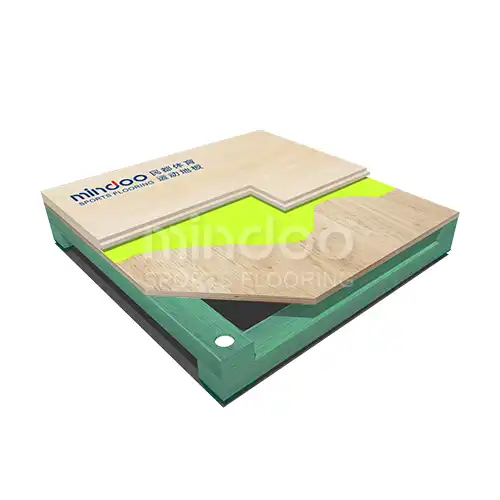
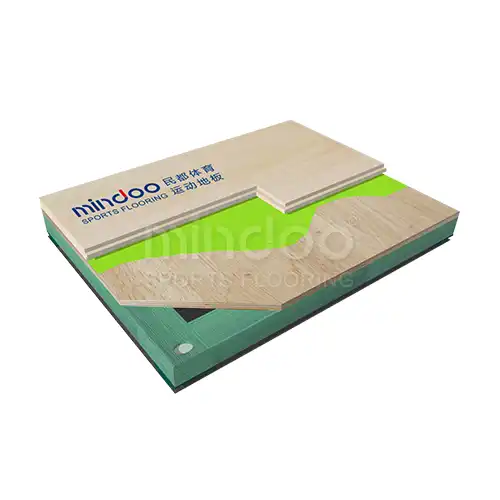
To ensure the best possible performance, vinyl badminton floor systems must be installed and maintained with care and professionalism. New composite technology for PVC sports flooring makes it very durable, can absorb a lot of force, and doesn't slip, which are all very important for competitive play. This all-inclusive guide goes over everything from getting ready to install to long-term care plans. It helps builders, planners, and facility owners get professional-level results that meet global standards for badminton courts while also getting the most out of their investments.
Understanding Vinyl Sports Flooring Technology
Advanced Construction for Enhanced Performance
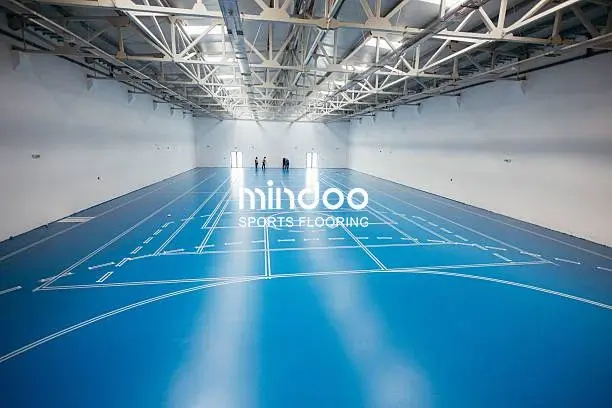
Modern vinyl sports court floors are a big step forward in the technology used to make sporting flooring. These specialized systems use multi-layer construction with high-quality PVC materials and advanced chemicals that prevent wear. The badminton court is made with high-density foam cores that absorb shock very well and keep the court bouncy so that the ball reacts quickly. These features are very important for professional play.
Smooth, Durable Surfaces Through One-Piece Casting
One-piece casting in the factory makes sure that the building is smooth and gets rid of possible delamination problems that are common in goods that aren't made as well. This method of production makes interlayer bonding that lasts, so the whole surface has the same width, density, and function. Professional dot designs make it easier to grab things, and they also look good and go with any kind of facility design.
Rigorous Testing and Environmental Safety Standards
Quality vinyl indoor sports floor systems are tested in a lot of different ways to see how well they stick, how long they last, and how well they keep their shape when the temperature and humidity change. Environmental safety approvals make sure that international standards for indoor air quality and heat protection are met. This makes them appropriate for both schools and businesses.
Pre-Installation Assessment and Planning
Material and Environmental Considerations
A lot of material review and weather research is needed to make badminton vinyl flooring work. To keep the glue from failing, the moisture level in the concrete base has to be under 4.5%, and it has to be flat within 3mm over 3-meter lengths. Surface porosity testing finds the right primer, and pH levels should stay between 7 and 9 so that bonding works best.
Temperature and Humidity Control During Installation
For long-term success, it's very important to control the temperature and humidity during installation. The temperature should be between 18 and 22 °C and the humidity should be between 40 and 60% for 48 hours before, during, and after the installation. To reduce the changes in size that can happen after installation, badminton flooring vinyl materials should be able to acclimatize in the place they are being installed for 24 to 48 hours.
Comprehensive Site Assessments for Long-Term Success
Professional builders do thorough site studies to make a record of the needs of the building, the electrical systems needed for court lighting, and how well air flow works. These tests find possible problems early on. This avoids delays that would cost a lot of money and makes sure that all code rules are followed during the whole project.
Installation Procedures and Best Practices
Surface Preparation for Optimal Adhesion
Professional installation starts with careful preparation of the base. This can be done with mechanical grinding or shot blasting to get the best surface shape. Getting rid of dust with industrial vacuum systems makes sure that areas are clean enough for the glue to bond properly. Moisture shields might need to be put on when the air is wet or when the concrete is older than the suggested age.
Choosing the Right Adhesive for the Job
Adhesive selection relies on how porous the base is, the factors in the surroundings, and how much activity is expected to pass over it. For high-performance uses, such as on a vinyl badminton floor, two-component polyurethane adhesives make stronger bonds, but single-component adhesives work well for normal installs. The right amount of glue is usually between 300 and 400 grams per square meter. Notched trowels are used to make sure that the adhesive is spread out evenly.
Seam Placement, Rolling, and Court Markings
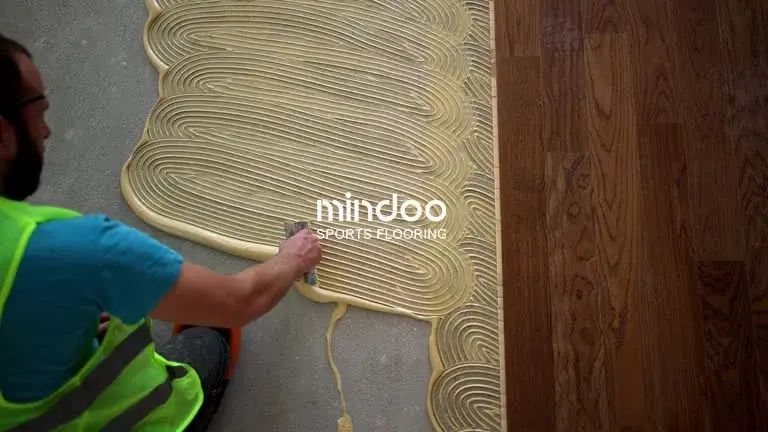
When installing vinyl sports flooring, seam placement and rolling methods must be carefully considered. To get rid of air bubbles and make sure the glue is fully in contact with the surface, professional fitters use 68-kilogram rollers. Seam welding with hot-air guns and welding rods that work with them makes joints that are waterproof, keeping wetness out and the surface intact.
Using high-quality vinyl tape or paint, court line writing follows the International Badminton Federation guidelines. Color choice takes into account lighting conditions and the need for visual difference in competition play, while laser levels and exact measurements make sure the court has the right dimensions.
Quality Control and Performance Testing
Shock Absorption, Ball Bounce, and Surface Roughness Testing
Quality confirmation after installation means checking shock absorption, ball bounce, and surface roughness according to international standards for sports floors. Professional testing tools check how much force is lowered. These tests make sure that the safety standards for athletes are at least 55% for wooden subfloors or 23% for concrete ones.
Ensuring Consistent Ball Bounce
Ball bounce testing makes sure that the whole area of the badminton court vinyl sheets has the same bouncing qualities. When dropped from 1800 mm, a bounce height between 1350 mm and 1500 mm is okay, as long as the distance between test points is no more than 50 mm. Surface friction readings make sure that there is enough grip without too much wear on the shoe bottom.
Visual and Structural Quality Checks
Visual checks note the quality of the seams, the evenness of the surface, and the correctness of the line writing. Digital cameras take pictures that last forever. This can be useful for warranties and to remember things in the future. Any problems found in quality control have to be fixed right away before the building is handed over.
Daily Maintenance Protocols
Daily Cleaning and Surface Care
Daily cleaning routines that keep surfaces working well and looking good are the first step in proper care. Using cloth tools to dust mop gets rid of rough bits that might hurt the shine on the surface. Before dirt can get to the playing area, entry mat systems catch waste and keep it out.
Spill Management and Stain Prevention
You need to clean up spills right away with things that soak up the liquid and the right cleaning products. The best vinyl gym floors are easy to clean and keep looking professional because stains don't set in.
Equipment Handling and Surface Protection
When you store and set up your equipment, you should be able to move heavy things across the surface with little to no resistance. Protective mats under scoreboards, benches, and repair tools keep the surface from getting damaged and dented. Regularly checking the court's items helps find possible safety issues for players before they become a problem.
Weekly and Monthly Maintenance Routines
Weekly Deep Cleaning with Gentle Solutions
Neutral pH soap solutions and cloth mops are used for deep cleaning as part of weekly upkeep for a vinyl badminton floor. Avoid strong chemicals, rough cleaners, or too much water that could get through gaps and break glue ties. The right cleaning solution reduction ratios make sure that the dirt is removed without leaving any residue that changes the surface friction.
Monthly Surface and Seam Inspections
Monthly checks record the state of the surface, the strength of the seams, and how clear the line markings are. Photographs keep track of wear trends and show where more work is needed. Professional maintenance logs are useful for making guarantee claims and improving cleaning routines.
Specialized Tools and Professional Repairs
Vinyl sports floors should be cleaned deeply on a regular basis with special tools and cleaning products that are allowed for this use. Professional repair services have the knowledge and tools needed to fully restore surfaces without hurting the flooring.
Long-term Care and Performance Optimization
Annual Expert Inspections for Early Problem Detection
Annual expert inspections check how well the general system is working and find possible issues before they turn into expensive problems. Surface wear analysis finds out if protection coats or local fixes can make the object last longer. Seam condition review finds the places that need to be fixed up so that wetness can't get in.
Optimizing Facility Use Through Traffic Pattern Analysis
Traffic pattern analysis helps you make the best use of your facilities and come up with better ways to keep them clean and in working order. It might help to add extra safety or change the cleaning plan in places that get a lot of use. Understanding how the floors are used allows for proactive care that gets the most out of your investment.
Monitoring Environmental Conditions for Long-Term Performance
Checking the temperature and humidity year-round makes sure that the environment stays within the manufacturer's guidelines. Making changes to HVAC systems seasonally stops changes in dimensions that could make surface performance worse or cause safety issues.
Troubleshooting Common Issues
Addressing Indentations and Surface Damage
Professionals need to look at the indentations on the surface made by heavy tools to see if they can be fixed. Minor indentations often go away on their own after a while, but lasting damage may need to be replaced in the area. Most of the time, depression problems can be avoided by properly handling tools.
Fixing Seam Separation Issues
Failure of the glue, shifting of the base, or incorrect fitting methods usually cause seam separation on a vinyl badminton floor. Professional repair includes taking off the parts that are broken, getting the base ready, and putting it back on using allowed ways. Seam binding products can be used for temporary fixes that hold up until the permanent repairs are done.
Restoring Color and Surface Dullness
If the color fades or the surface dulls, it generally means that the UV protection is weak or the cleaning products aren't right. Good badminton court flooring is made with UV-resistant chemicals that keep the court looking nice for years in normal circumstances. Often, professionals are able to restore surfaces and make them look new again.
Cost-Effectiveness and Lifecycle Considerations
Long-Term Cost Savings Through Proper Installation and Maintenance
Vinyl padded sports floor systems have a very high total cost of ownership, but it can be lowered by properly installing and maintaining them. The up-front cost of hiring a professional and buying good materials is worth it because they last longer and you don't have to pay as much for upkeep. Preventive upkeep is much cheaper than waiting for something to break and then fixing it or replacing it too soon.
Energy Efficiency and Reduced Cleaning Costs
One of the perks of energy economy is that it lowers the cost of cleaning compared to regular wooden floors. No cleaning standards mean that periodic plant shutdown and the loss of income that comes with them can't be avoided. Sound blocking features lower noise concerns and help facilities get along with nearby properties.
Maintaining Warranty and Asset Protection
To keep the warranty protection, you must follow the manufacturer's care rules and use approved cleaning products. Keeping records of the right way to do repair on equipment shows that you are protecting your assets and that you are still covered by the contract.
Conclusion
If you want to make sure that your vinyl badminton floor works well, is safe, and lasts a long time, you should have it professionally installed and regularly cleaned and taken care of. Following the right steps for preparing the base, installing the floor, and keeping it up makes the most out of your flooring investment and gives players better areas to play on. Modern sports facilities demand high performance and reliability. This is achieved by using quality materials, professional installation, and proactive care. This creates an environment where athletes can perform at their best. At the same time, facility operators enjoy minimal maintenance requirements and extended service life.
Choose Mindoo for Premium Vinyl Badminton Floor Solutions
Mindoo offers great vinyl badminton floor systems with full technical help and low prices because they sell directly from the plant. Our knowledge of production, foreign credentials, and history of success with a wide range of construction projects guarantee that your building gets the best flooring. As a vinyl badminton floor supplier that you can trust, we fully install the floors and help customers after they buy from us. Ready to talk about what your project needs? Please contact us at sales@mindoofloor.com today.
References
1. International Badminton Federation. "BWF Approved Synthetic Surfaces for Badminton Courts: Technical Specifications and Testing Standards." BWF Technical Manual, 2023.
2. Sports Flooring Institute. "Installation Guidelines for Vinyl Sports Surfaces: Best Practices for Contractors and Facility Managers." Professional Installation Handbook, 2022.
3. American Sports Builders Association. "Maintenance Protocols for Indoor Sports Flooring Systems: Maximizing Performance and Longevity." ASBA Technical Bulletin 15, 2023.
4. European Committee for Standardization. "EN 14904:2022 - Sports Floors: Indoor Surfaces for Multi-Sports Use - Specification Requirements and Testing Methods." CEN Publication, 2022.
5. National Federation of State High School Associations. "Court Surface Standards for Indoor Racquet Sports: Safety and Performance Requirements." NFHS Guidelines Manual, 2023.
6. World Sports Flooring Association. "Lifecycle Cost Analysis of Synthetic vs. Traditional Sports Flooring Systems." WSFA Research Report, 2022.