Determining whether to sand, recoat, or replace your wood gym floor depends on several critical factors including surface wear patterns, structural integrity, and performance requirements. Generally, recoating works when the finish shows minor scratches or dullness, sanding becomes necessary when the wood surface itself shows wear but remains structurally sound, and replacement is required when the subfloor or structural components have deteriorated beyond repair. Understanding these distinctions helps facility managers make informed decisions that balance budget constraints with athlete safety and performance standards.
Understanding Wood Gym Floor Construction and Lifespan
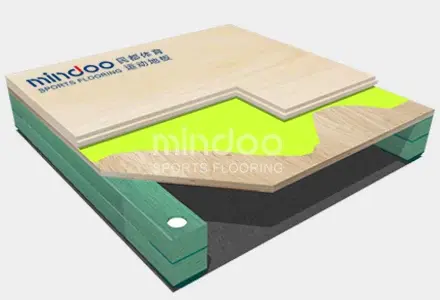
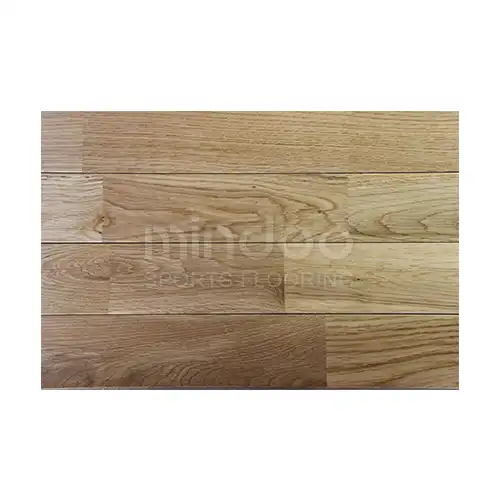
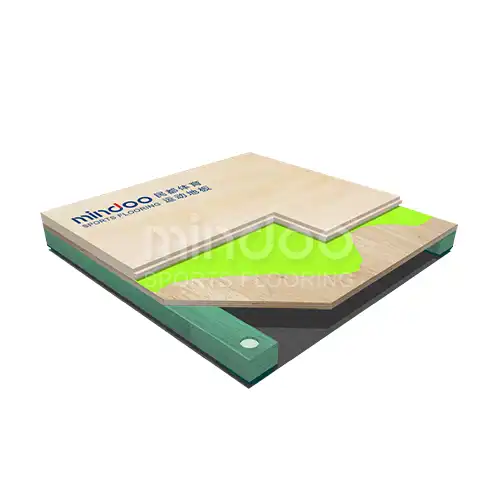
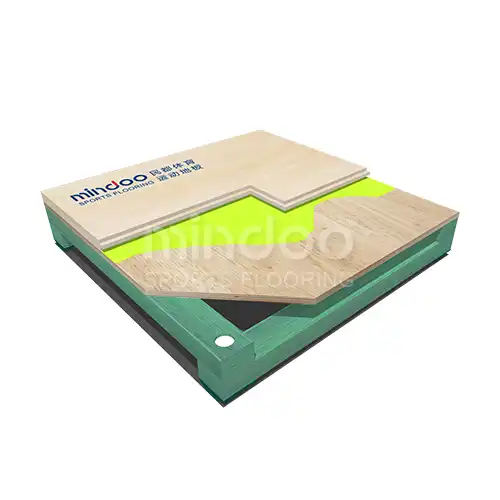
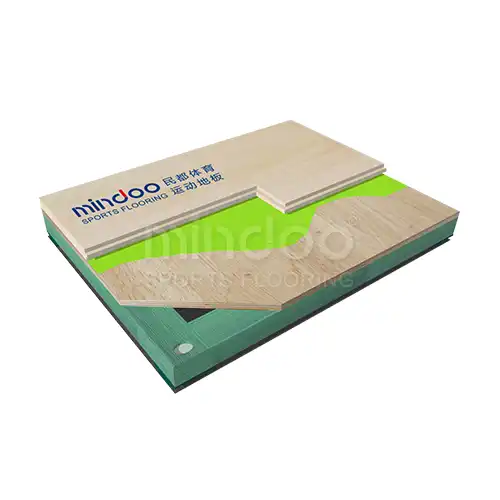
Professional athletic facilities rely on sophisticated flooring systems that extend far beyond simple hardwood planks. Modern hardwood gym floors feature multiple layers including shock-absorbing subflooring, moisture barriers, and specialized finishes designed to withstand intense athletic activity. The typical lifespan of quality sports flooring ranges from 15 to 30 years, depending on usage intensity and maintenance practices.
High-performance establishments consolidate exact details for ball bounce back (≥90%), stun retention (≥53%), and vertical distortion (≤15%). These execution measurements straightforwardly affect competitor security and amusement quality. When these measures start to fall apart, office administrators must assess whether rebuilding or substitution way better serves their long-term needs.
Environmental variables altogether impact flooring life span. Stickiness changes, temperature varieties, and dampness introduction quicken wear designs. Offices with legitimate HVAC frameworks and dampness control regularly accomplish expanded floor life compared to those with natural challenges.
When Recoating Makes Perfect Sense?
When Recoating is the Optimal Choice?
Recoating speaks to the most cost-effective upkeep choice for a wood gym floor when conditions adjust legitimately. Surface-level wrap up wear, minor scratches from normal utilize, and slight dulling demonstrate prime recoating openings. This prepare includes applying new polyurethane or specialized athletic coatings without compromising the basic wood structure. A proficient appraisal uncovers whether recoating suffices by analyzing wrap up grip, wood condition underneath the coating, and overall structural keenness. Offices encountering these typical wear designs after 3-5 a long time of direct utilize frequently advantage colossally from proficient recoating administrations, as it addresses stylish and defensive needs without the cost of a full refinishing.
The Recoating Process and Timeline
The recoating handle for a wood gym floor ordinarily requires 3-5 days, enveloping surface planning, coating application, and basic curing time. Amid this period, offices must organize elective hone spaces, as get to is precluded to guarantee appropriate drying and solidifying of the modern wrap up layers. Be that as it may, this venture demonstrates beneficial by amplifying the utilitarian life of the floor by 5-8 extra a long time whereas keeping up ideal playing characteristics like footing and ball reaction. The timeline is proficient compared to a full sand-and-refinish venture, minimizing office downtime and giving a recharged surface at a division of the fetched and disruption.
Ensuring Quality in the Recoating Outcome
Quality control during the recoating of a wood gym floor is paramount to ensure proper adhesion and a uniform appearance. Experienced contractors test substrate conditions, meticulously control environmental factors such as temperature and humidity during application, and verify coating thickness for consistent performance across the entire surface. This attention to detail prevents future issues like peeling, uneven wear, or cloudiness. The result is a seamlessly rejuvenated floor that restores both its protective qualities and its visual appeal, safeguarding the investment and ensuring athlete safety through reliable surface performance.
Sanding Scenarios: Restoring Performance and Beauty
Recognizing the Need for Restoration
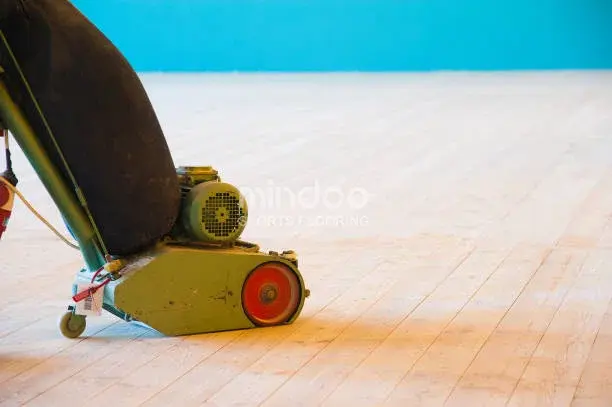
Floor sanding and finishing becomes necessary when wear penetrates beyond the protective coating into the wood itself. Visible board edges, worn traffic patterns, or performance degradation signals the need for comprehensive surface restoration. This process removes damaged wood layers while preserving the structural foundation. For a Wood Gym Floor, these signs of wear not only affect aesthetics but can also impact athlete safety and playability, making timely intervention critical to maintaining a functional sports surface.
The Sanding Process Explained
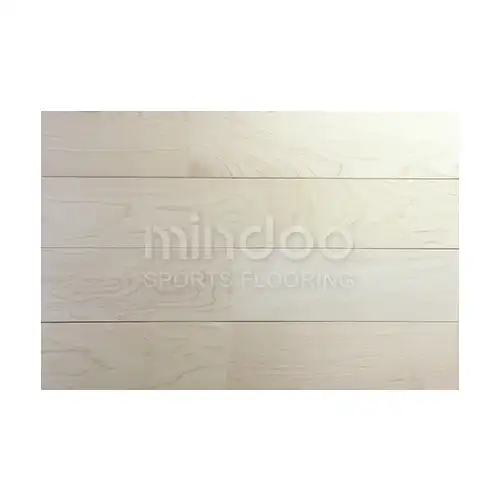
Professional sanding removes 1-3 millimeters of surface material, depending on damage depth and wood species characteristics. Maple gym floors respond particularly well to sanding due to their dense grain structure and natural durability. Modern sanding equipment ensures precise material removal without compromising floor flatness or performance specifications. Dust collection systems maintain clean working conditions. The process reveals fresh wood beneath while eliminating embedded dirt, scratches, and discoloration, effectively renewing the Wood Gym Floor's playing surface.
Finishing and Enhanced Performance
The entire process typically requires 7-10 days including sanding, sealing, and finish application. Post-sanding finishing restores factory-fresh appearance while incorporating performance enhancements. Advanced coating systems provide superior traction, shock absorption, and wear resistance compared to original installations. This upgrade opportunity allows facilities to implement cutting-edge materials without full replacement costs, ultimately extending the lifespan and improving the safety of the Wood Gym Floor for its users.
Replacement Indicators: Recognizing the Point of No Return
Complete exercise center floor establishment becomes unavoidable when basic components fall flat or security concerns arise. Twisted sheets, free segments, or subfloor disintegration make dangerous conditions requiring quick consideration. Athletic risk contemplations make substitution the as it were mindful choice in such circumstances.
Age-related wear influences more than surface appearance. Shock-absorbing properties lessen over time, possibly increasing damage hazard amid high-impact exercises. When execution testing uncovers substandard conditions, substitution guarantees compliance with current security benchmarks and athletic requirements.
Water harm speaks to another common substitution trigger. Flooding, roof leaks, or plumbing disappointments can compromise basic keenness past repair repairable outcomes. Dampness presentation causes board twisting, cement disappointment, and potential form development requiring total framework removal.
Facility development or design changes frequently require substitution with overhauled frameworks. Changing over general-purpose spaces to competition settings requires certified ball court flooring assembly to meet particular league benchmarks. These updates legitimize substitution ventures through upgraded office capabilities.
Cost Analysis: Making Financially Sound Decisions
Budget contemplations essentially impact support choices for wooden sports floors. Recoating ordinarily costs 10-15% of substitution costs, whereas extending valuable life by 30-40%. Sanding and refinishing require 25-35% of substitution costs but can reestablish execution to near-original specifications.
Long-term money-related planning considers up to ownership costs or maybe than prompt costs. Quality establishments with appropriate upkeep plans give decades of solid benefit. Conceding vital support frequently heightens issues requiring more costly arrangements later.
Grant openings and budget cycles influence timing choices for major ventures. Instructive offices regularly plan major remodels during summer breaks when disturbance impacts are minimized. Arranging ahead permits offices to secure favorable pricing and temporary worker availability.
Energy effectiveness advancements amid substitution ventures can counterbalance establishment costs through diminished HVAC prerequisites. Present day shock-absorbent flooring frameworks consolidate warm properties that improve building execution whereas giving prevalent athletic characteristics.
Professional Assessment: Expert Evaluation Techniques
Professional Evaluation Techniques
Qualified inspectors employ specialized tools and techniques to evaluate Wood Gym Floor conditions objectively. Ball bounce testing, shock absorption measurements, and moisture content analysis provide quantitative data supporting maintenance decisions. These assessments eliminate guesswork while ensuring compliance with athletic standards. The data gathered forms a scientific basis for any interventions, allowing for precise comparisons against industry benchmarks and manufacturer specifications for the flooring system in use.
Proactive Inspection and Maintenance
Visual inspection reveals surface conditions, wear patterns, and potential problem areas requiring attention. Experienced professionals identify early warning signs on a Wood Gym Floor that predict future maintenance needs. This proactive approach prevents emergency situations while optimizing budget planning. By systematically documenting wear, discoloration, and finish integrity, facilities can schedule refinishing or repairs during off-seasons, thereby extending the floor's lifespan and ensuring consistent performance for athletes.
Comprehensive Verification and Documentation
Professional Wood Gym Floor evaluation includes subfloor analysis, fastener integrity checks, and environmental monitoring. Comprehensive reports document current conditions while recommending appropriate maintenance strategies. These assessments prove invaluable for insurance purposes and regulatory compliance. Independent testing laboratories can verify performance characteristics when objective verification becomes necessary, providing certified data that demonstrates compliance with specific athletic federation requirements for facility certification.
Conclusion
Making educated choices approximately exercise center floor reemerging, sanding, or replacement requires cautious assessment of different components, including current condition, execution requirements, and budget constraints. Understanding when each alternative gives ideal esteem makes a difference for office directors to keep up secure, high-performing athletic surfaces while maximizing their speculation returns. Proficient evaluation disposes of mystery whereas guaranteeing choices adjust with both prompt needs and long-term office objectives. Quality support hones amplify floor life essentially, whereas opportune overhauls improve security and execution measures for a long time to come.
Partner with Mindoo for Superior Wood Gym Floor Solutions
Mindoo stands as your trusted wood gym floor manufacturer, delivering premium athletic flooring solutions that exceed international performance standards. Our self-owned factory ensures complete quality control throughout the production process, from raw material selection to final installation. This vertical integration provides significant pricing advantages while maintaining uncompromising quality standards.
Ready to evaluate your current flooring situation or explore upgrade possibilities? Our experienced team provides detailed assessments and customized recommendations based on your facility's unique requirements. Contact us at sales@mindoofloor.com to schedule your professional consultation and discover how Mindoo can enhance your athletic facility's performance and safety standards.
References
1. National Wood Flooring Association. "Guidelines for Athletic Floor Maintenance and Renovation." Technical Bulletin Series, 2023.
2. Sports Flooring Manufacturers Association. "Performance Standards for Indoor Athletic Surfaces." Industry Guidelines Manual, 2022.
3. Johnson, Mark A., and Sarah Chen. "Life Cycle Analysis of Hardwood Athletic Flooring Systems." Journal of Sports Facility Management, Vol. 15, No. 3, 2023.
4. International Association of Venue Managers. "Best Practices for Gymnasium Floor Maintenance." Facility Operations Handbook, 2022.
5. Anderson, Robert T. "Economic Analysis of Athletic Floor Restoration versus Replacement." Sports Business Journal, Issue 47, 2023.
6. Thompson, Lisa M., et al. "Impact of Floor Conditions on Athletic Performance and Injury Prevention." Sports Medicine Research Quarterly, Vol. 28, No. 2, 2022.