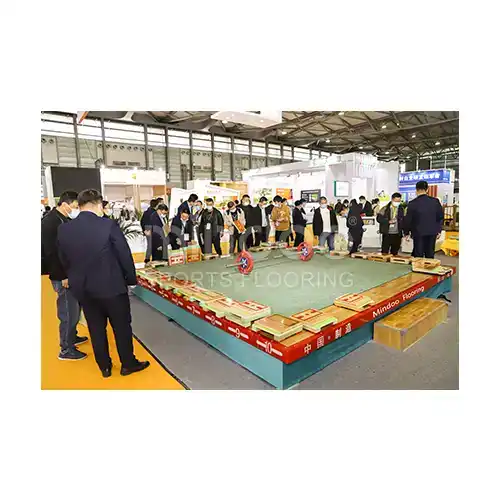
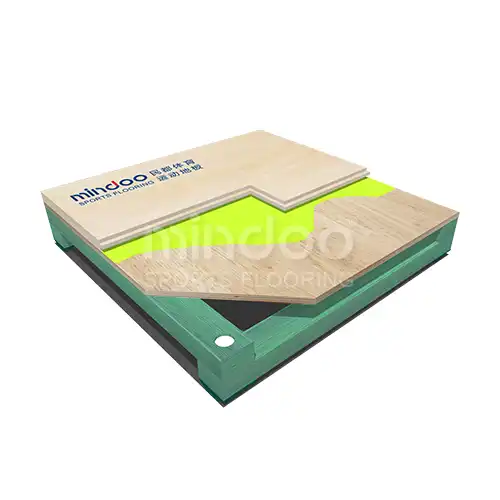
There are a lot of things that affect how long it takes to install a wood gym floor system. These include the type of wood used, the design of the system, how the site needs to be prepared, and the finishing processes. Putting in a wood gym floor can take anywhere from 7 to 21 days, depending on the system that is chosen. Conditions of the subfloor, controls for the environment, and finishing methods all have a big impact on how long a project takes. When contractors, architects, and building managers know about these things, they can make smart decisions that balance the need for performance with the project's time constraints.
How to Install and Learn About Wood Gym Floor Systems
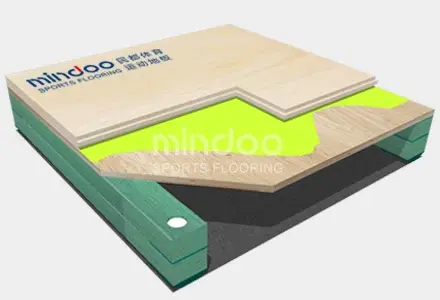
Each type of athletic flooring system has its own set of rules for how to install it and how long it takes. It's not as easy as just putting things where they need to go with these systems. There are many complicated engineering issues that affect both how well it works and how long it takes to install.
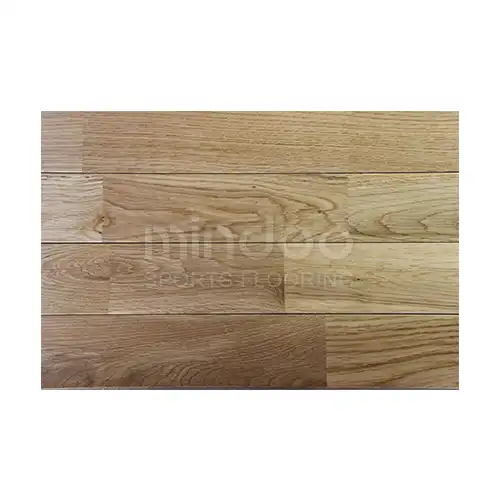
Solid hardwood systems have been used for a long time to cover sports floors. They use boards of wood that are all one piece and need to be cut and finished in great detail on-site. The amount of moisture in the air needs to be carefully controlled for these systems to work, and they usually need 48 to 72 hours to get used to their new home before they can be put in place. Before any finishing, the installation process includes putting the boards in the right place, making sure they are secure, and cleaning up the surface very well.
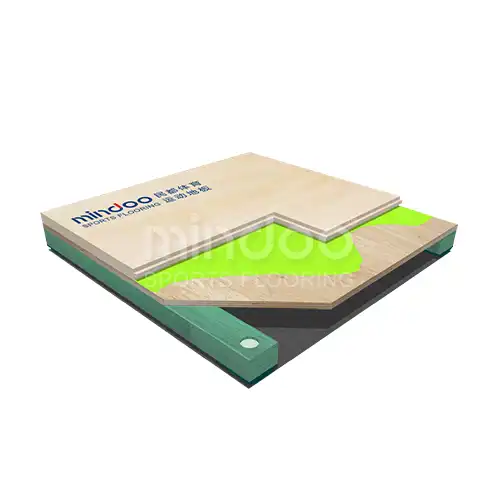
Because they are built in layers and have hard wood surfaces that wear down on top of engineered substrates, engineered systems are more stable in terms of their dimensions. This way of building cuts down on the time needed to get used to the weather and makes it easier to plan when to install things. It is possible to finish projects faster with engineered systems that meet performance standards because they don't expand and contract as much.
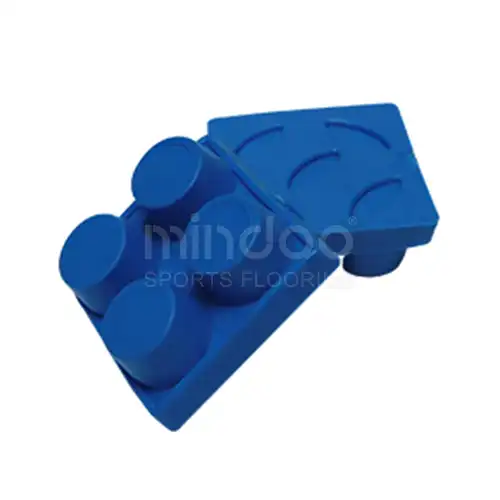
Modular panel systems are the newest technology in wood gym floor. They use pre-made sections that make work much easier on-site. The surfaces of these systems are smooth, they have built-in shock-absorbing layers, and the connection mechanisms are carefully designed to make installation easier.
Things that matter when it comes to how long an installation takes
There are many things that can change how long it takes to install sports flooring. This makes it a complicated grid that can only be carefully navigated by skilled contractors.
The properties of the material play a big role in how long it will take to put something together. These are the main things that determine how quickly an installation goes:
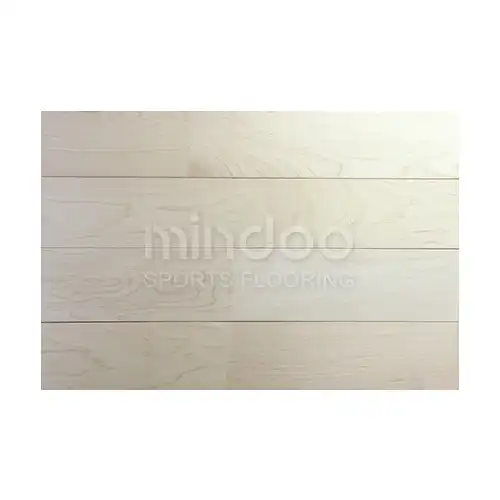
- Types of wood and how easy they are to work with: Maple flooring is known for being long-lasting and good at what it does, but it needs special cutting tools and methods that can make installation take longer than with softer species. Even though maple is hard, which makes it great for sports, it is harder to work with when installing.
- Depth: There are two choices for surface depth: 20 mm and 22 mm. Each has its own installation requirements. For instance, thicker materials need better subfloor preparation and different ways to be fastened, which can cause the project schedule to slip.
- Taking care of the amount of moisture in the air: Acclimatization keeps sizes stable, but it takes longer to finish projects, especially in places with a lot of humidity.
It is because of these important things that the project is planned and resources are used. So picking the right system is very important if you want to finish projects on time.
Conditions at the site add another level of difficulty that has a big impact on when things get installed. What's already there changes the steps that need to be taken to get the subfloor ready. One example is that steps need to be taken differently for concrete substrates and wood-framed systems. Temperature and humidity changes during installation can hurt the quality of the job and make the curing process take longer. So it's very important to keep the environment under control.
Economy of scale says that how well a project works depends on how big it is. Large installations take less time per square foot than small ones most of the time. Having to work with other trades to make plans also changes the schedule. This is especially true when building something new, where many contractors have to carefully plan the order in which they do their work.
Different ways of installing things and time comparisons
When it comes to speed, performance, and long-term durability, different installation methods offer different benefits based on the project's needs and restrictions.
When done right, nail-down installations are very stable and work well for a long time. However, they take a lot of time. Because the boards have to be placed in a certain way and then mechanically fastened at regular intervals, this method needs to be carefully planned and paid attention to. For normal gym installations, the whole process takes 10 to 14 days, which includes the finishing touches.
Because they don't need to be mechanically attached to the subfloor, floating floor systems can be put in more quickly. The floor pieces in these systems need to be able to fit together securely so that the installations are stable and don't need to be permanently attached to the structure below. Most of the time, installation takes 30–40% less time than with older methods. However, the performance is still good enough for most athletic uses.
Traditional and floating systems are not the only two options. Adhesive installation methods are in the middle. They are more stable than floating floors and easier to use than nail-down methods. The glue has to be carefully put on, and the area has to be kept under control while it cures, for these systems to work.
The best way to install something depends on how well it needs to work, how it is usually used, and how quickly the job needs to be done. Traditional ways of installing things might take longer in high-performance sports facilities, while faster ways might work better in places that are used for more than one thing.
Performance Standards and How Installation Works
How and how long the wood gym floor needs to be put down are directly related to the performance standards that govern it. This makes choosing the right system and planning the project very important.
To make sure the system works right for the whole life of the building, it needs to be installed in a very specific way when the shock absorption level is 53% or higher. To get to these levels of performance, you need to pay close attention to the steps for getting the subfloor ready, making sure the parts are lined up correctly, and finishing the job. These steps can make the installation take longer, but they are needed to meet international standards like FIBA and BWF certifications.
Things need to be done right on the surface for balls to bounce back at least 90% of the time. The coatings also need time to cure between steps of installation. With a maximum vertical deformation of 15%, the system needs to be installed exactly right for it to keep its shape and give athletes the best performance.
A 1500N rolling load capacity means that the installation must be strong so that it will stay stable over time, even when heavy equipment is used, which is common in sports facilities. These rules affect how the floor is prepared, what kind of glue is used, and how the pieces are attached, all of which add time to the whole installation process.
Wooden Flooring Surface Treatment
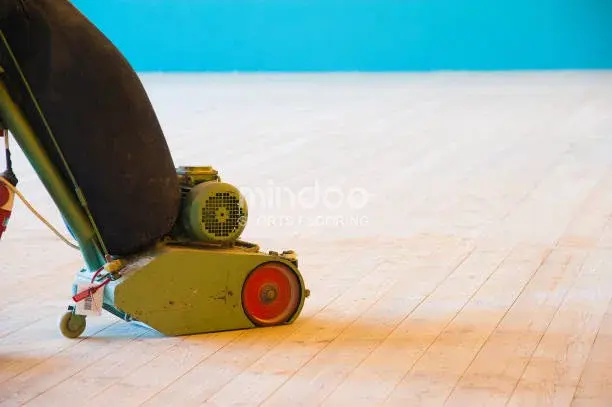
Making the surface smooth is part of putting down athletic flooring. This step is very important to the schedule for the project, so it needs to be carefully planned out to go well.
Oil-based finishes can add 5 to 7 days to the process because they need more time to dry. Still, they look great and last a long time. This kind of finish should only be used and dried in certain places. If there aren't enough ways to keep a project cool, it might take longer to finish.
Most buildings can be used 24 to 48 hours after a UV-cured finish is put on because it dries much faster. This tech helps people get better at hard sports and speeds up work. Tools that cure things with UV light are often worth the money for companies that install more than one thing because they cut down on project times.
In terms of finish, there are three kinds: plain, UV-cured, and water-based. It heals more slowly and doesn't hurt the environment as much. Prior to being used for sports, these systems usually need two to three days to completely dry out.
Preparatory Work for Installing Wooden Flooring
If you know how to run projects well, setting things up can be done much faster. Most of the time, this is true for sports floors.
Try these tried-and-true tips for a smoother installation:
- Fully get the site ready. We won't have to wait during the active installation phases if the site is checked out and ready before the work begins. One way to do this is to make sure the subfloor is dry, level it, and set up controls for the environment before the materials come.
- It takes less time to put things together when they are already in the right place. It's easier to find parts when you need them. You can move things faster and be less likely to break them when you lay them down if you put them in the right order.
- It's important to keep the temperature and humidity just right while the material is being put down so that it works right and the curing process goes more quickly, so you can finish up faster.
As long as you follow these tips, you can finish projects on time and make sure the athletic flooring meets quality standards. The floor will last longer and work better this way.
It can also be faster to set up new tech if you are more careful when you make and put things together. When you use tools with lasers, you don't have to measure each piece by hand. Digital systems that check for moisture give us real-time information that helps us plan installations better and get materials faster.
Conclusion
Understanding installation timeframes enables informed decision-making that balances project schedules with performance requirements. Wood gym floor represents a significant investment that demands careful planning and execution to achieve optimal results. The complexity of modern sports flooring systems requires expertise in material science, installation techniques, and project management to ensure successful outcomes. Professional guidance throughout the selection and installation process helps optimize both timeline efficiency and long-term facility performance.
Frequently Asked Questions
Q1: How long does installation typically take for a standard basketball court?
A: Installation duration for a standard basketball court typically ranges from 7-14 days, depending on the chosen flooring system and site conditions. Solid hardwood installations generally require 10-14 days including finishing, while engineered systems may complete in 7-10 days. Modular systems can often install in 5-7 days but require adequate site preparation beforehand.
Q2: What factors can extend installation timelines beyond initial estimates?
A: Several factors commonly extend installation schedules including inadequate subfloor conditions requiring additional preparation, environmental control challenges affecting curing times, and coordination delays with other construction trades. Material delivery delays and unexpected site conditions can also impact schedules, emphasizing the importance of comprehensive pre-installation planning.
Q3: Can installation time be reduced without compromising performance standards?
A: Yes, installation time can be optimized through careful system selection and advanced planning techniques. Prefabricated modular systems, UV-cured finishes, and comprehensive site preparation can reduce installation time by 30-50% while maintaining performance standards. However, rushing critical processes like acclimatization or finishing can compromise long-term performance.
Get Expert Wood Gym Floor Solutions from Mindoo
Mindoo stands as a premier wood gym floor manufacturer, offering comprehensive solutions that optimize installation efficiency while delivering exceptional athletic performance. Our integrated approach combines advanced manufacturing capabilities with extensive installation expertise, ensuring project success from initial planning through final completion.
Our self-owned factory enables precise control over material quality and delivery schedules, eliminating common delays associated with third-party suppliers. This vertical integration approach allows us to customize production schedules to match project requirements, reducing overall installation timelines while maintaining stringent quality standards.
Whether you're planning a new athletic facility or renovating existing spaces, contact us at sales@mindoofloor.com to discuss your project requirements and discover how our wood gym floor supplier expertise can optimize your installation timeline while ensuring exceptional performance.
References
- National Wood Flooring Association. "Installation Guidelines for Athletic Wood Flooring Systems." Technical Publication, 2023.
- International Association of Gymnasium Managers. "Comparative Analysis of Sports Flooring Installation Methods." Industry Report, 2022.
- Building Research Institute. "Time and Motion Studies in Commercial Flooring Installation." Construction Technology Review, Vol. 45, 2023.
- Athletic Facilities Management Association. "Best Practices for Sports Flooring Project Planning." Professional Guidelines, 2023.
- Wood Products Council. "Installation Efficiency in Hardwood Athletic Flooring." Technical Bulletin, 2022.
- Sports Facility Research Institute. "Installation Timeline Optimization for Athletic Flooring Systems." Project Management Study, 2023.