How do you select the right finish and coating for a wooden badminton court?
When choosing a finish and coating for a badminton court wooden flooring, consider how it will work, how long it will last, and how to clean it. The right coating system will protect and improve the wood.player safety by making it easier to control traction and absorb shock. Professional-grade finishes must be able to handle the intense side-to-side movements that are common in badminton while still letting the ball bounce consconsistently. To make sure the performSince the performance is lonlaTo last and meet athletes' and facility management needs, you must understand how wood, the environment, and coating chemicals interact.
Understanding the Importance of Finish and Coating in Wooden Badminton Courts
Athletes' performance and safety are most affected by the field's cover and finish system. Hardwood floors look naturally beautiful, stay dry, and don't get damaged because of these protective layers. New coating methods make it possible to build strong walls that can't be broken by dirt, sweat, and moisture in the air.
The coating you pick decides how well badminton court wooden flooring works. The gloss, hardness, and slip resistance levels vary for each formulation. When most water-based polyurethane systems are put on, they are clear and have no smell, so they can be used in areas where people are present. The oil-based formulas work better and longer, but they need more time to set and more air flow.
In competitive play, it's important to know how well the ball bounces every time. This relies on how thick the coating is. If professional installers want at least 90% of the balls to bounce back, they need to be able to paint and prime very carefully with systems that work for them. The surface preparation is very important because rough sanding or dirt can prevent the paint from sticking. This can change how the players behave when they are on the court.
Key Factors to Consider When Selecting Finish and Coating
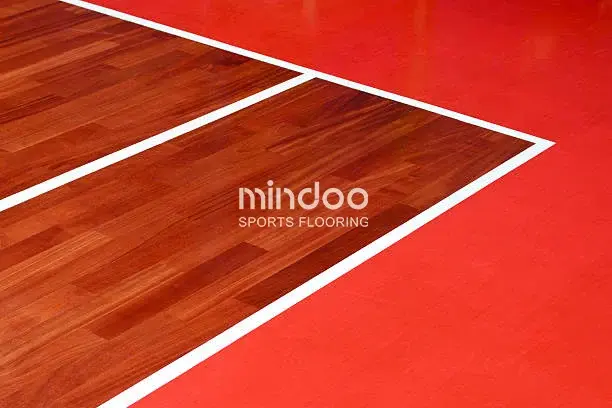
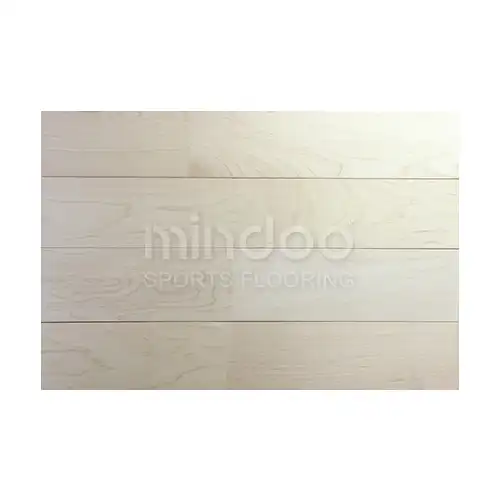
- Coating selection is based on how well different types of wood work together. Maple flooring is known for having a light color and a tight grain structure. It is easy to coat with most coating systems and is very stable. Because oak species have open grain patterns, they need to be carefully thought out and may need grain filling procedures before a topcoat is applied. Birch and beech are good alternatives because they have moderate porosity and work well with sealer systems that are made correctly.
- The environment inside the facility has a big effect on how well and how long the coating lasts. Changes in humidity can make the coating film expand and contract, which can put stress on it and cause micro-cracks or delamination. Changing temperatures affect how fast the film cures and how it behaves when it's finished, so climate control is very important during the application and first cure periods.
- The level of durability and maintenance frequency are based on how often and how much something is used. Buildings that are used every day need high-performance coatings that are resistant to wear and tear and work with standard cleaning methods. Schools and recreation centers may benefit from systems that are both safe and don't cost too much. These systems should be able to balance performance with budget constraints.
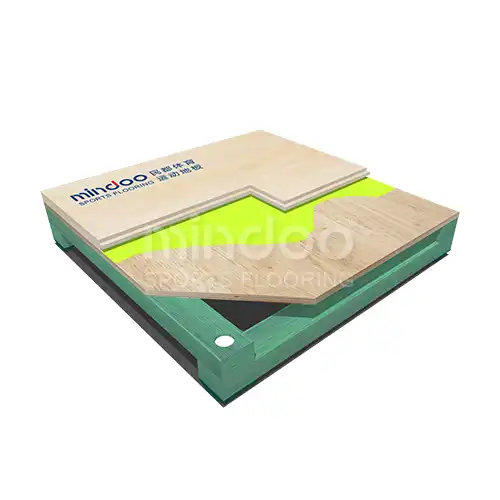
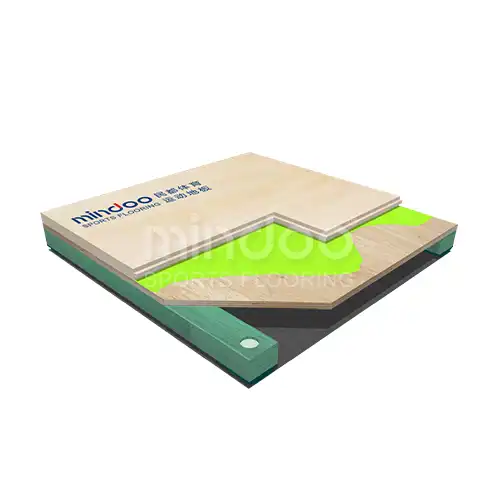
- For professional installations, technical requirements include shock absorption rates of at least 53% and vertical deformation rates of no more than 15%. These levels depend on the construction of the subfloor and the properties of the surface coating. A surface thickness of 20mm to 22mm is common for high-quality installations. This gives the substrate the stability it needs so that the coating works the same way all over the playing area.
Maintenance and Lifespan Implications of Different Finishes
Different coatings require different care, affecting court price and availability. Water-based polyurethane finishes need reapplication every 3–5 years. Screen-and-recoat saves time and money. These systems work best with neutral pH cleaners and non-scratching microfibers.
The lifespan of oil-based systems is 7–10 years. They may yellow, requiring special cleaners. Initially, a longer time between recoats may be worth paying more in busy areas.
You can avoid major repairs by detecting coating damage immediately. In high-traffic areas, dullness may remove the sealer layer. Fix immediately to prevent water entry. Professionals should inspect and recoat the surface if players slip or complain about uneven grip.
Maintenance extends coating life and performance. Checking regularly can catch issues before they endanger players or require emergency repairs. Maintenance tasks help determine when to replace and how much to upgrade.
Comparing Wooden Floor Finishes with Synthetic Flooring Options
Compared to many synthetic options, natural wood flooring systems are better at absorbing shock, which helps keep players from getting tired and hurt. When you combine the naturally elastic properties of wood with good subfloor engineering, you get a playing surface that adapts naturally to how athletes move while keeping the ball's bounce properties constant throughout the game.
For aesthetic reasons, badminton court wooden flooring installations are often preferred, especially in high-end venues where good looks improve the overall experience. The soft look of maple or birch trees makes a warm atmosphere that is hard to replicate with man-made materials. In commercial settings, this advantage in terms of looks can affect how often a facility is used and how much money it makes.
Cost analysis needs to look at both the initial investment and the costs that come up over time. Synthetic options may be cheaper up front, but wood systems can be more valuable in the long run because they can be refinished. With proper care, a good wooden court can be refinished more than once, making it useful for many more years than 20 to 30 years.
Environmental impact assessments are favoring wood products that are sourced in a sustainable way over synthetic ones that are made from petroleum. Many buildings that are trying to get green building certifications find that natural wood flooring helps them reach their environmental goals and works really well.
Procurement Considerations for Wooden Badminton Court Finishes and Coatings
When suppliers are evaluated, they should focus on manufacturers with experience in making sports flooring and certifications from groups like FIBA and BWF. These certifications make sure that coating systems meet strict performance standards for both professional and recreational use. Being able to help with technical issues, including visiting in person and setting up training courses, makes a big difference in the value of the procurement relationship.
Quality assurance protocols must make sure that the coating systems work with the specific type of wood and subfloor being used in the installation. Adhesion failures, performance problems, or early coating breakdowns that hurt the whole investment can happen if the wrong combinations are used.
Installation know-how is very important for meeting the specified performance standards. Professional installers of sports flooring know how to get the right film thickness, surface texture, and even coverage. Because they are so knowledgeable, they can make sure the coating system works as it should for as long it's supposed to.
Warranty terms should cover both material defects and installation quality so that customers are protected against failures and performance issues that happen too soon. Comprehensive warranties show that manufacturers trust their products, and they give facility owners a way to deal with issues that come up during normal use.
Conclusion
Choosing the right finish and coating for badminton court wooden flooring means that one must take performance needs, maintenance, and costs all into account. To be successful, you need to know how different types of wood interact with different environmental conditions and coatings. You also need to make sure that safety and performance standards are met. Getting professional advice and making sure the job is done right will give you the most value for your money. It will also give athletes the safe and even playing surface they need. Working with suppliers who have a lot of experience and offer full support will make sure that the court gets the best results every time.
Frequently Asked Questions
1. How often should wooden badminton courts be refinished?
A: Coating type and use determine recoating frequency. Water-based finishes need reapplication every three to five years, but oil-modified finishes every five to seven. Maintenance is more frequent in heavy-use areas, but recreational courts last longer.
2. What thickness coating is best for badminton?
A: Professionals coat balls 3–4 mils thick to improve bounce and durability. A thick coating may make the ball move and feel plastic. A thin coating won't protect the ball.
3. Is there one way to coat all wood?
A: Coating systems work with many woods, but density, porosity, and natural extractives matter. Maple and birch work in most systems, but oak may need special primers due to its grain structure.
Partner with Mindoo for Premium Badminton Court Wooden Flooring Solutions
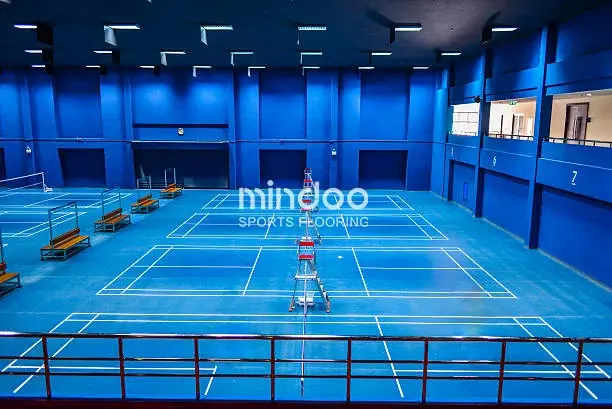
As a trusted badminton court wooden flooring manufacturer, Mindoo provides a full range of options that come with high-quality materials and expert installation. Because we own the factory, we can set the quality standards and offer the low prices that come with no middleman. This vertical integration makes sure that all of our flooring systems work the same way.
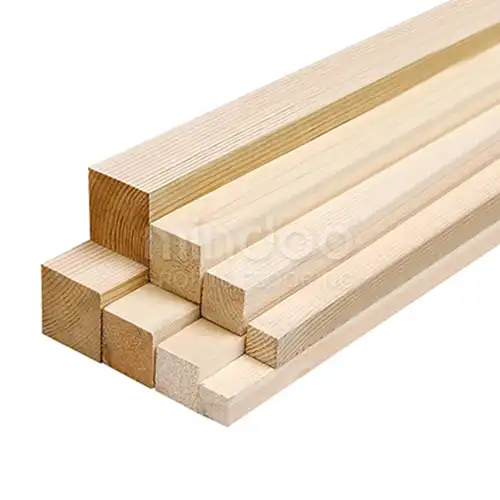
When it comes to badminton, we know how to work with all kinds of wood, including maple, oak, birch, and beech. Each species goes through a lot of processing to get the stability and performance needed for professional installations. Our systems can be used in a variety of facilities and for different performance needs. They have a range of height options: 90 mm for single-layer sleepers and 130 mm for double-layer setups.
FIBA, BWF, and other well-known groups have given us international certifications that show we are dedicated to quality and performance. These licenses give owners of recreational facilities the peace of mind that their money is being spent on something that meets professional standards for safety and fairness in sports. Our extensive quality assurance programs make sure that every installation meets the required shock absorption rates of 53% or more and a ball rebound performance of 90% or more.
Mindoo's skilled installers know how important the right substrate preparation is for the coating system's performance. We handle all aspects of project management, from the first meeting to the last inspection. This ensures that the project is delivered on time, within budget, and without any issues. Our ongoing support includes maintenance advice and refinishing services that protect your investment for as long as it is in use.
Find out how our high-quality flooring options can make your building look better and work better. If you want to talk about what your project needs, you can email us at sales@mindoofloor.com.
References
- Sports Flooring Manufacturers Association. "Performance Standards for Indoor Sports Surfaces." Technical Bulletin 2023.
- International Association of Gymnasium Designers. "Wood Floor Finishing Systems: Selection and Application Guidelines." Professional Practice Manual, 2022.
- American Sports Builders Association. "Maintenance Protocols for Hardwood Athletic Flooring." Industry Standards Publication, 2023.
- National Wood Flooring Association. "Moisture Management in Sports Floor Installations." Technical Guidelines, 2022.
- European Committee for Standardization. "Surfaces for Sports Areas - Indoor Surfaces for Multi-Sports Use." EN Standard 14904, 2021.
- Institute of Sports Engineering. "Biomechanical Performance Requirements for Court Surfaces." Research Publication, 2023.