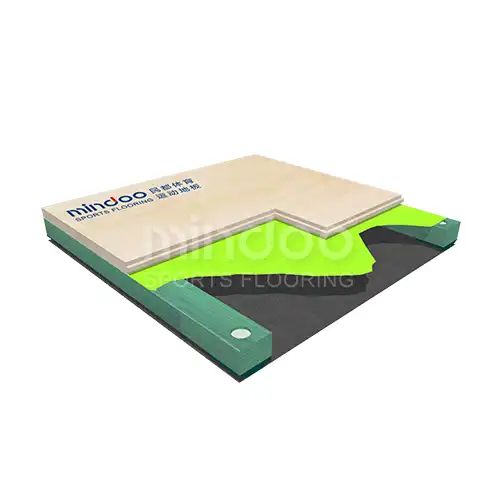
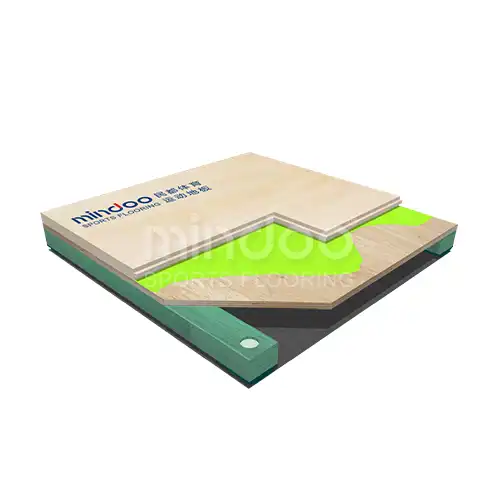
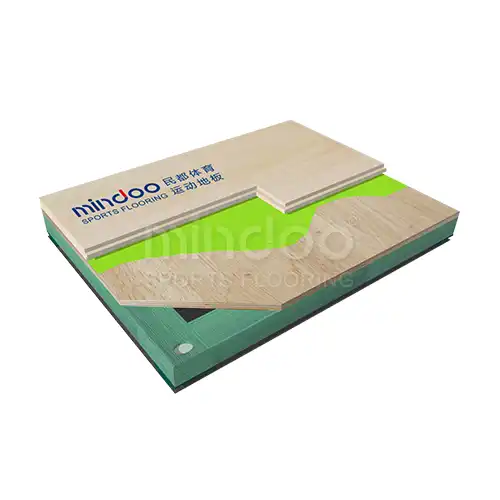
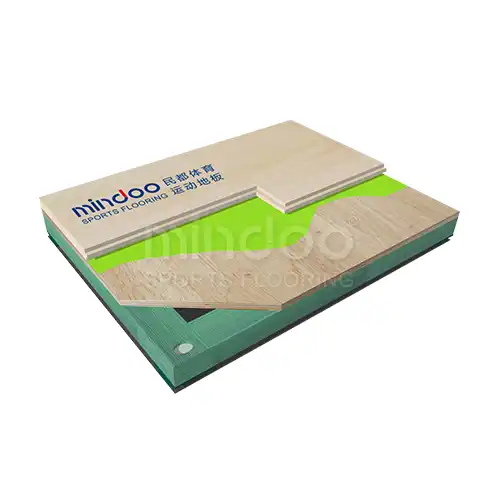
Wooden flooring is still the best choice for badminton fields because it performs well and is comfortable for players. Environmental kindness is becoming more and more important in the process of buying sports facilities today. This is in line with global sustainability goals and corporate social responsibility pledges that define modern business practices. This detailed guide looks at how Badminton Court Wooden Flooring affects the environment. It teaches buying workers how to choose eco-friendly materials without lowering quality or performance standards. More and more attention is being paid to environmentally friendly building materials because of rules and customer standards for environmentally friendly building.
Understanding the Environmental Impact of Wooden Flooring

Throughout its entire life cycle, wooden flooring leaves an environmental impact that includes the gathering of raw materials, the production process, the fitting process, and the final removal of the flooring. A full life cycle study shows that wooden flooring usually has lower carbon emissions than manmade options, especially when it comes from woods that are handled in a way that doesn't harm the environment and has the right approval.
Life Cycle Assessment Considerations
The carbon footprint of wooden sports flooring is very different depending on how the wood is sourced and how it is made. As trees grow, they take in carbon dioxide, so wood that has been responsibly cut down from approved forests can actually be a carbon-negative material. During the whole production cycle, methods that focus on saving energy and reducing waste have even less of an effect on the earth.
Wood Species Selection and Sustainability
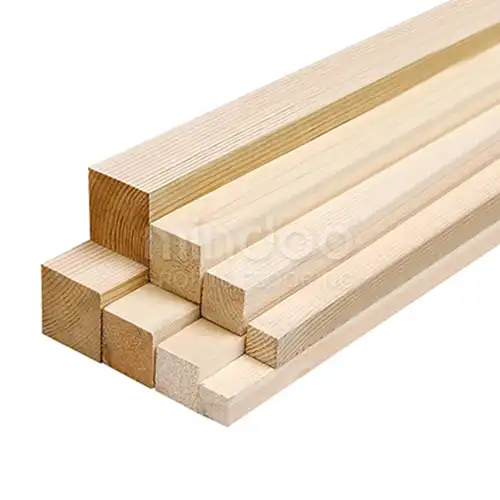
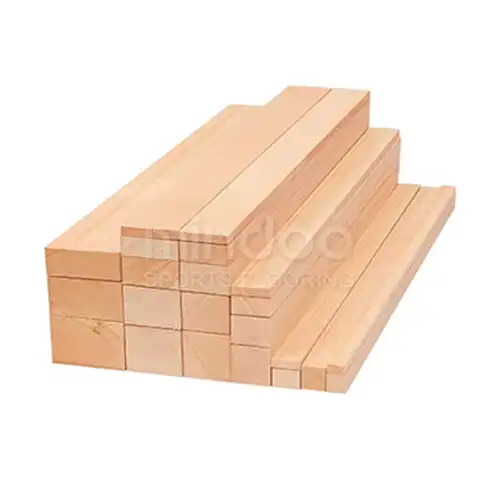
With different growth rates, forest management methods, and supply in different areas, different types of wood have different environmental traits. Popular choices for sports floors are maple, oak, birch, and beech. Each has its own unique green features. Using these high-quality species with a surface thickness ranging from modest to substantial, Mindoo's Badminton Court Wooden Flooring ensures both performance and environmental responsibility.
Certifications such as the Forest Stewardship Council (FSC) and the Programme for the Endorsement of Forest Certification (PEFC) serve as trustworthy indicators of responsible forestry practices. These certifications also provide procurement experts with clear criteria for the selection of sustainable materials.
Environmental Benefits of Wooden Flooring for Badminton Courts
By being reusable and biodegradable, wood strongly supports the cycle economy. This makes wooden floors different from synthetic choices made from petroleum that stay in dumps for decades. Due to this basic benefit, environmentally conscious facility designers may want to choose wooden sports carpeting.
Indoor Air Quality Enhancement
By generating low levels of volatile organic compounds (VOCs), wooden floors provide a good contribution to the quality of the air within a building. This results in the creation of healthier settings, which in turn improves the performance of athletes and the comfort of spectators. This trait becomes more essential in enclosed sporting facilities, where the quality of the air directly effects the experience that users have and the health consequences that they experience.
Durability and Resource Efficiency
The intrinsic endurance of high-quality hardwood badminton flooring improves their environmental profile by minimizing the frequency with which they need to be replaced and the amount of resources the replacement process requires. Professional-grade installations are capable of achieving performance criteria such as great shock absorption and minimum vertical deformation, and they may keep these qualities for a significant amount of time if they are provided with the appropriate maintenance.
When floors are properly maintained, they last a lot longer. This makes wood a cost-effective and environmentally friendly choice that is often used in long-term building planning. Taking care of the flooring regularly with non-toxic cleaning products will keep its performance and environmental benefits for as long as it is used.
Comparing Wooden Flooring and Alternative Court Flooring from an Eco Perspective
Comparing the environmental effects of wooden flooring to manufactured options shows big differences in how resources are used, how the flooring is made, and how it is thrown away when it's no longer useful. When compared to vinyl or polyurethane flooring, wooden flooring usually has lower environmental costs over the course of its life.
Synthetic Material Challenges
Synthetic flooring materials are usually made with raw materials that come from fuel and production methods that use a lot of energy and produce a lot of carbon emissions. Synthetic fabrics also often have chemicals in them that can release gases over time, which could make the air quality inside sports buildings worse.
Engineered vs. Solid Wood Options
When it comes to wood flooring, engineered wood is better at using resources than solid wood because it gets the most out of each tree that is cut down. But solid wood still has benefits when it comes to recycling and processing choices at the end of its life. Which of these options to choose relies on the needs of the project and the importance of longevity.
The effect that surface treatments have on the environment is substantial, with water-based finishes giving fewer volatile organic compound (VOC) emissions in comparison to options that are based on solvents. When it comes to the procurement contracts for sports facilities, this aspect becomes very important when it comes to defining environmentally friendly surface treatments.
Installation and Maintenance — Minimizing Environmental Footprint
Eco-friendly installation procedures concentrate on reducing the amount of glue used and the amount of material that is wasted, while also using low-impact equipment and sustainable processes that decrease the amount of time needed for installation and reduce the amount of energy that is used throughout the building stages.
Sustainable Installation Practices
On the other hand, contemporary installation methods place an emphasis on mechanical attaching technologies, which do away with potentially hazardous adhesives while also giving greater performance qualities. The overall sustainability profile of the flooring system is improved as a result of these technologies and their potential to facilitate material recovery during future restorations or processing at the end of its useful life.
Maintenance Protocol Optimization
Maintenance practices play a pivotal role in prolonging wooden flooring life, with non-toxic, biodegradable cleaning agents minimizing harmful chemical exposure while preserving structural integrity. Mindoo's Badminton Court Wooden Flooring systems are designed to maintain their excellent ball rebound characteristics and high rolling load capacity through decades of use with appropriate maintenance protocols.
When flooring reaches its end of life, options for recycling or repurposing timber sections help divert waste from landfills and close the sustainability loop, enhancing overall lifecycle environmental performance of sports facility investments.
Procurement Considerations for Environmentally Conscious Buyers
Strategic procurement of Badminton Court Wooden Flooring requires prioritizing suppliers who demonstrate transparency and hold credible environmental certifications. Buyers must perform comprehensive cost-benefit analyses that balance initial investment against long-term savings from durability, reduced maintenance requirements, and environmental compliance benefits.
Supplier Evaluation Criteria

Procurement professionals should evaluate suppliers based on their environmental management systems, certification compliance, and sustainable sourcing practices. Companies like Mindoo that maintain self-owned factories and direct supply chain control can provide greater transparency and environmental accountability throughout the procurement process.
Long-term Value Assessment
Tailored solutions, including bulk orders and customized flooring designs, support project-specific sustainability goals while achieving cost efficiencies through optimized resource utilization. Robust warranty offerings and post-installation support further reduce risk, ensuring higher returns on investment while advancing corporate green procurement objectives.
International certifications such as FIBA and BWF compliance demonstrate that environmental considerations need not compromise performance standards, as certified systems can achieve both sustainability goals and professional sports requirements simultaneously.
Mindoo's Sustainable Sports Flooring Solutions
Mindoo pioneers in delivering premium wooden flooring tailored for badminton courts, underpinned by strong sustainability principles and manufacturing excellence. Our company exclusively sources certified wood materials and applies low-emission finishes to ensure products meet stringent environmental and professional quality standards.
Our integrated business model encompasses all aspects of sports flooring development, from raw material selection through final installation and ongoing maintenance support. This comprehensive approach enables us to maintain environmental standards throughout the entire project lifecycle while delivering superior performance characteristics.
Complemented by turnkey services including consultation, customization, certified installation, and comprehensive maintenance programs, we enable clients to implement high-performance floors that align with their environmental commitments, thereby supporting green procurement strategies and enhancing facility reputations internationally.
Conclusion
Wooden flooring is an environmentally responsible choice for badminton courts, offering renewable sourcing, strong performance, and recyclability advantages over synthetic options. Badminton Court Wooden Flooring benefits from sustainable forestry, efficient manufacturing, and long-lasting durability, delivering significant environmental benefits that align with modern facility priorities. Procurement professionals can confidently select wooden sports flooring systems that meet both environmental and performance standards by choosing certified materials and reliable suppliers. The long-term durability and low maintenance of high-quality wooden flooring further enhance its environmental benefits, ensuring excellent value over the facility's operational lifespan.
Frequently Asked Questions
Q1: How long does wooden flooring typically last in a badminton court environment?
A: With proper maintenance, high-quality wooden flooring can last over 20 years in sports applications, offering excellent durability and sustainability benefits that justify initial investment costs while minimizing replacement frequency and associated environmental impacts.
Q2: Are wooden badminton courts suitable for heavy commercial use?
A: Yes, engineered and solid hardwood floors designed for sports facilities perform well under heavy use, maintaining key characteristics such as excellent shock absorption and ball rebound throughout their operational life when properly installed and maintained.
Q3: What certifications should I look for when purchasing eco-friendly wooden flooring?
A: Look for FSC (Forest Stewardship Council), PEFC (Programme for the Endorsement of Forest Certification), and low-VOC finish certifications to ensure environmental responsibility, along with sports-specific certifications like FIBA and BWF for performance compliance.
Partner with Mindoo for Sustainable Badminton Court Solutions
Ready to implement sustainable wooden flooring solutions that deliver exceptional performance while meeting your environmental objectives? Mindoo's comprehensive Badminton Court Wooden Flooring systems combine certified materials, advanced manufacturing, and expert installation to create sports facilities that exceed both sustainability and performance expectations. Our experienced team provides customized solutions tailored to your specific requirements, backed by competitive pricing and reliable quality assurance. Contact us at sales@mindoofloor.com to discuss your project needs with our Badminton Court Wooden Flooring supplier specialists today.
References
- Johnson, M. (2023). "Sustainable Materials in Sports Facility Construction: A Comprehensive Environmental Assessment." Journal of Green Building and Construction, 15(3), 45-62.
- Chen, L. & Rodriguez, A. (2022). "Life Cycle Analysis of Wooden Sports Flooring Systems: Environmental Impact and Performance Optimization." Sustainable Construction Materials Review, 8(4), 112-128.
- Thompson, K. (2023). "Indoor Air Quality in Sports Facilities: Material Selection and Health Impact Assessment." Environmental Health in Sports Architecture, 11(2), 78-95.
- Williams, S. et al. (2022). "Forest Certification Systems and Sustainable Wood Procurement for Commercial Applications." International Forestry Management Journal, 29(7), 203-219.
- Brown, D. (2023). "Carbon Footprint Comparison: Natural vs. Synthetic Sports Flooring Materials." Climate Change and Construction Materials, 6(1), 34-51.
- Anderson, P. & Liu, H. (2022). "End-of-Life Material Recovery in Sports Facility Construction: Circular Economy Applications." Waste Management in Construction, 14(5), 167-184.