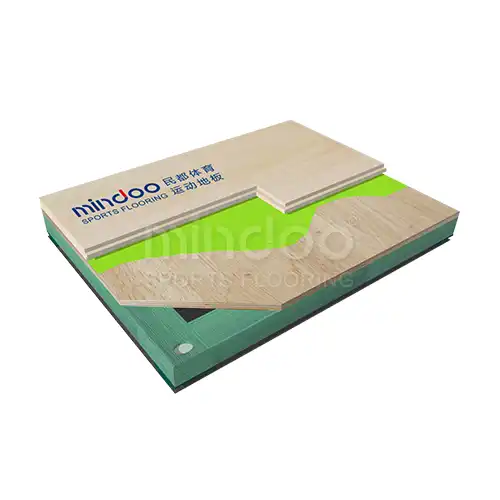
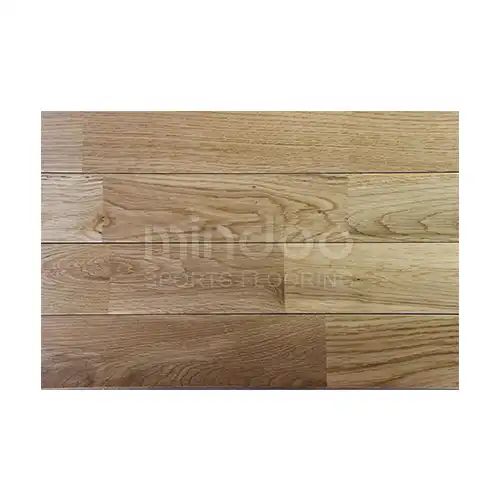
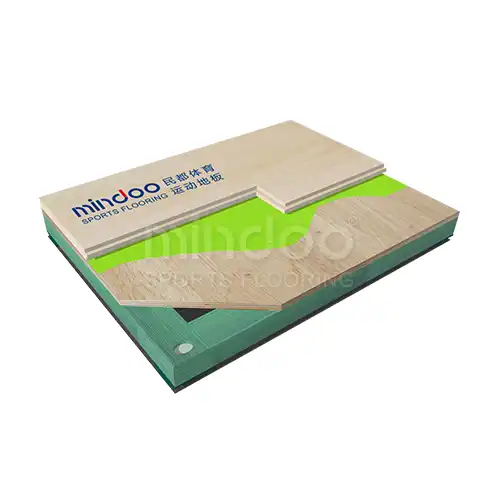
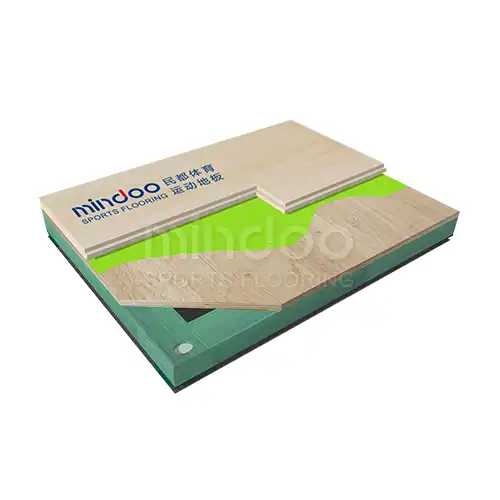
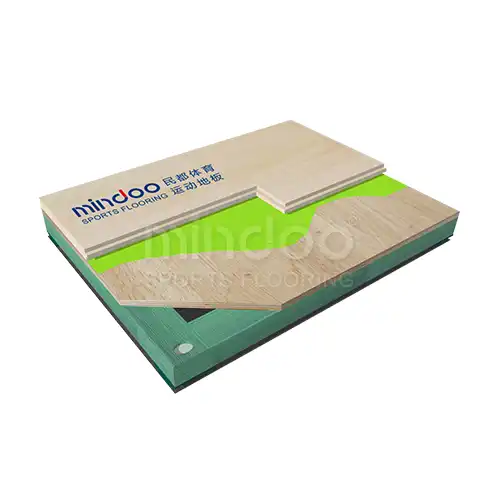
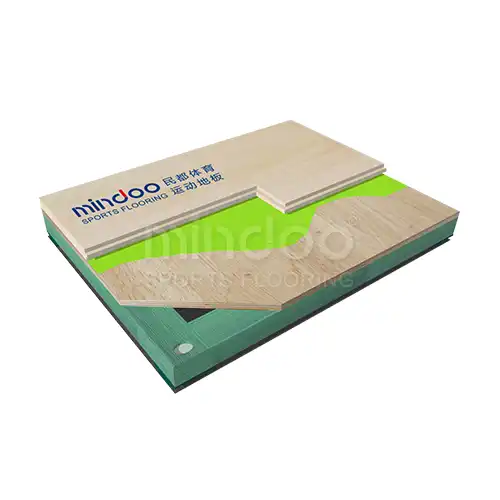
Taking care of Badminton Court Wooden Flooring is important for keeping them in good shape and making sure they last a long time. Knowing the right way to clean once a week improves business speed, player safety, and the building's long-term value for site managers and workers. It costs a lot to buy professional wooden flooring that is made to meet high performance standards. Here are some important cleaning, upkeep, and care tips for professional courts that are outlined in this book. By using these techniques, courts stay in great shape, which lowers the cost of repairs and breaks while raising the quality of play. Not only is cleaning important, but so is keeping the wood's natural and designed performance qualities for high-use areas.
Understanding the Challenges of Weekly Cleaning for Wooden Badminton Courts
Weekly cleaning of wooden badminton courts is necessary to get rid of many contaminants, such as dust, sweat, shoe debris, and wetness in the air, which can damage the surface if not removed. These external factors add rough materials and chemical leftovers that speed up the wear patterns. This makes the court look bad and lowers the safety standards for players.
Common Contaminants and Their Impact

Badminton courts have special problems with pollution because the game is always changing and the courts are inside. Rubber sole marks from sports shoes leave behind tough surface layers that can only be removed using special methods. Natural acids and salts in sweat can get into wood treatments and change the color or condition of the surface over time. As dust builds up, especially in corners and along the edges of the court, it can scratch protection coats while the game is being played.
Environmental Factors Affecting Cleaning Requirements
The way you clean and how the wood reacts are both affected by changes in the air inside. Dry places with a lot of humidity make it easier for wood to absorb water, which can damage them when they are cleaned. When humidity levels are low, on the other hand, wood can shrink, leaving gaps that trap dirt and make washing harder. Facilities managers can make cleaning plans that react to yearly changes and the conditions of each building by understanding these natural factors.
Step-by-Step Weekly Cleaning Process for Wooden Badminton Court Flooring
The maintenance of safety requirements, cosmetic appeal, and performance integrity on Badminton Court Wooden Flooring is ensured by a weekly cleaning operation that requires a methodical approach. As opposed to the maintenance that is typically performed on hardwood floors, professional sports flooring needs specific care techniques that are drastically different.
Pre-Cleaning Inspection and Preparation
Initiate every weekly cleaning session with a thorough court check to find spots, damage to the surface, or areas that need extra care. Take away all the netting, tools, and movable pieces from the playing area. Do a visual inspection to find any weak boards, nails sticking out, or surface wear that might need professional help. For building repair records, write down any problems you identify.
Preparation involves gathering appropriate cleaning materials including microfiber dust mops, clean water, pH-neutral wood floor cleaners specifically formulated for sports applications, and adequate ventilation equipment. Ensure cleaning solutions are at room temperature to prevent thermal shock to the wooden surface.
Dust Removal and Surface Preparation
If you want to remove loose dirt without harming the surface, you should do a thorough dry dust cleaning utilizing microfiber mops of some excellent quality. In order to guarantee that every corner of the court is covered, you should go methodically from one end of the court to the other, overlapping your passes. Particular care should be paid to the court lines and the peripheral regions, which are often the places where waste collects.
Wet Cleaning Protocol
The next step is to do a controlled wet mopping utilizing microfiber mops that have been thoroughly wrung out and cleaning solutions that are pH negative. In order to prevent moisture from penetrating wood joints, the mop should be slightly damp, but not soaked. In order to clean, divide the area into portions and promptly dry each region using clean, dry microfiber towels. In addition to properly eliminating surface impurities, this regulated moisture method safeguards the wood.
Maintenance Tips to Complement Weekly Cleaning for Wooden Badminton Floors
A thorough maintenance strategy extends the lifetime of the Badminton Court Wooden Flooring and optimizes its performance characteristics. This goes beyond the weekly cleaning techniques required. When combined with routine cleaning, these additional activities provide a resilient ecology for care that works in tandem with it.
Protective Measures and Environmental Control
Protective measures, such as high-quality entry mats, should be used to decrease the amount of debris that is tracked in, and stringent standards about footwear that does not leave marks should be enforced during play. Systems that manage the environment should keep humidity levels at a reasonable level in order to limit the movement of wood and lessen the stress that floor systems experience. Consistent air quality and temperature control may be achieved via routine maintenance of HVAC systems.
Periodic Deep Maintenance Protocols
Deep cleaning sessions should be scheduled on a quarterly basis and should include the use of specialist sports floor cleaning equipment and restoration solutions of professional quality. When flooring is inspected on an annual basis by competent flooring professionals, possible problems may be identified before they become expensive problems. The structural integrity, finish quality, and performance qualities of the product are evaluated in comparison to the original requirements via these extensive examinations.
Comparison: Wooden Flooring Cleaning vs Synthetic Flooring Cleaning for Badminton Courts
Due to the material features and performance characteristics of wooden and synthetic badminton courts, the maintenance procedures for these two types of courts are completely different from one another. By gaining an understanding of these distinctions, facility managers are better able to make educated judgments about the selection of flooring and the budgeting of maintenance.
Material-Specific Cleaning Requirements

When it comes to maintaining the finish integrity and dimensional stability of wooden sports flooring, it is essential to have accurate moisture management and cleaning solutions that are pH-neutral. As a result of its non-porous design and resilience to chemicals, synthetic surfaces are often able to withstand more severe cleaning procedures and greater frequency upkeep. The personnel needs, product pricing, and maintenance schedules for multi-court facilities are all impacted by this basic difference.
Performance and Longevity Considerations
Professional Badminton Court Wooden Flooring is better for sports because it absorbs shock better, responds consistently to the ball, and makes players more comfortable during long games. Although they need more specialized care, wooden courts that are properly maintained can last for decades with only a little cleaning every so often. Synthetic options may require less upkeep, but they often don't have the performance details and good looks that set premium facilities apart.
Integrating Professional Services and Quality Products for Optimal Court Care
Increasing the efficacy of cleaning while safeguarding long-term investments in flooring may be accomplished by forming partnerships with knowledgeable flooring professionals and making use of premier care solutions. In facilities that manage many courts or surroundings with heavy use, the assistance of professionals becomes very important.
Established flooring manufacturers like Mindoo provide comprehensive support programs combining technical expertise with specialized maintenance products. These partnerships ensure access to manufacturer-approved cleaning protocols, warranty protection, and expert guidance for complex maintenance challenges. Professional installation teams understand the specific requirements of different wood species including maple, oak, birch, and beech, each requiring tailored care approaches.
Mindoo's integrated approach encompasses production control through their self-owned factory, ensuring consistent quality from raw material selection through final installation. Their FIBA and BWF certified flooring systems feature engineered specifications including a range of total height options, surface thickness variations, and performance characteristics exceeding industry standards for shock absorption and ball rebound.
Conclusion
Weekly cleaning of Badminton Court Wooden Flooring requires systematic approaches that balance effective contaminant removal with wood preservation. Proper protocols using pH-neutral cleaners, controlled moisture application, and microfiber tools maintain surface integrity while supporting optimal athletic performance. Regular maintenance complemented by professional services ensures long-term facility value and player safety. Understanding material-specific requirements enables facility managers to develop sustainable care programs that protect their flooring investment while meeting operational demands.
Frequently Asked Questions
Q1: What type of cleaner is safest for weekly cleaning of wooden badminton courts?
A: Use pH-neutral wood floor cleaners specifically formulated for sports applications to protect finishes without leaving harmful residues. Avoid bleach, ammonia, or abrasive products that can damage protective coatings and compromise wood integrity.
Q2: How often should professional deep cleaning or maintenance be scheduled?
A: Bi-annual deep cleaning sessions and annual professional inspections are recommended for most facilities, though high-usage courts may require more frequent attention depending on traffic intensity and environmental conditions.
Q3: Can wet mops be used regularly on wooden badminton floors?
A: Lightly damp mopping with well-wrung microfiber mops is acceptable for weekly cleaning, but excessive water must be avoided to prevent wood swelling, warping, or finish damage that can compromise performance characteristics.
Ready to Enhance Your Badminton Court Maintenance Program?
Mindoo specializes in premium wooden sports flooring solutions with comprehensive maintenance support for professional facilities. Our FIBA and BWF certified systems combine superior performance characteristics with sustainable manufacturing practices. As a leading badminton court wooden flooring supplier, we provide complete support from initial installation through ongoing maintenance programs. Our self-owned factory ensures competitive pricing while maintaining international quality standards. Contact us at sales@mindoofloor.com to discuss customized maintenance solutions tailored to your facility's specific requirements and explore our range of professional-grade wooden flooring systems designed for optimal athletic performance.
References
1. International Association of Gymnasium Builders. "Maintenance Standards for Professional Sports Flooring Systems." Technical Guidelines for Athletic Facilities, 2023.
2. Sports Flooring Manufacturers Association. "Best Practices for Wooden Court Maintenance in Commercial Facilities." Industry Standards Manual, 2023.
3. Johnson, Michael R. "Preventive Maintenance Protocols for High-Performance Athletic Surfaces." Journal of Sports Facility Management, Vol. 15, 2022.
4. Chen, Dr. Lisa and Roberts, James. "Environmental Factors Affecting Wooden Sports Floor Longevity." Materials Science in Sports Construction, 2023.
5. European Committee for Standardization. "Indoor Sports Surfaces - Specification for Wooden Flooring Systems." EN 14904 Standard Documentation, 2022.
6. Thompson, Sarah K. "Cost-Effective Maintenance Strategies for Professional Badminton Facilities." Facility Operations Quarterly, Issue 3, 2023.