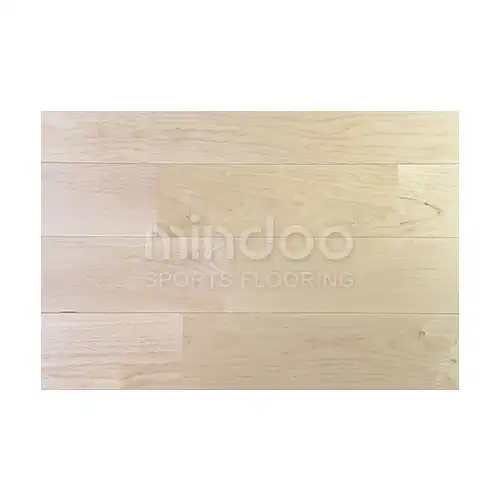
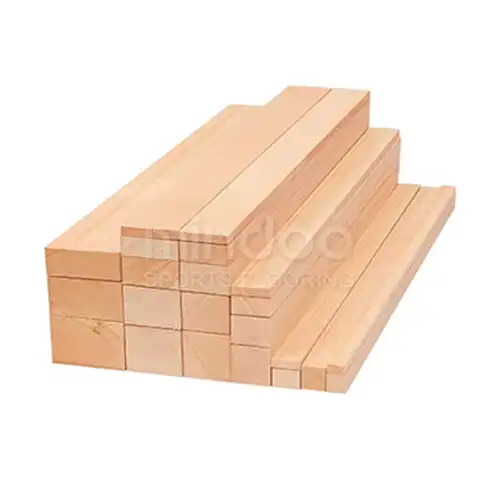
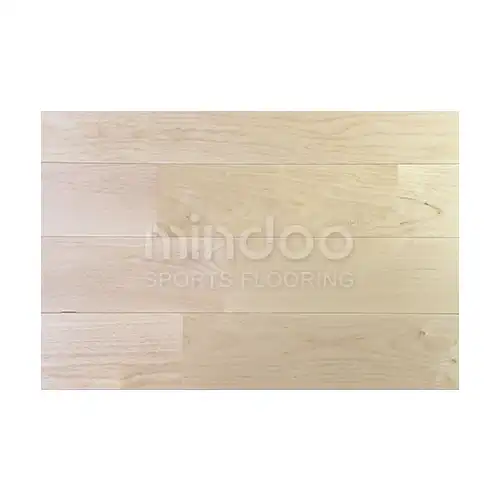
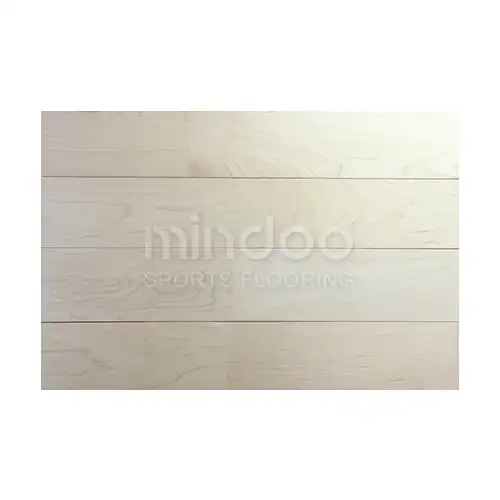
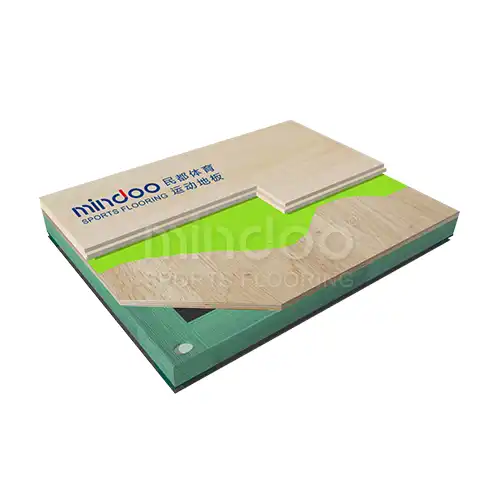
When you want to buy Maple Solid Wood Flooring from a trustworthy company, you should look at how they make things and how they approve quality. You should also think about the chance of a long-term relationship. It is important to find makers who are good at their jobs, follow foreign quality standards, and offer full support. Around 40% of all wood flooring is made in China. The better technology and lower prices are good for customers all over the world. Environmental-friendly maple wood is growing in popularity because it looks great, lasts a long time, and can be used in lots of different ways. It's great for homes and businesses where a lot of people walk through. Understanding the market helps you make smart, inexpensive decisions.
Why China Leads in Maple Solid Wood Flooring Manufacturing Excellence
Advanced Production Infrastructure and Technology
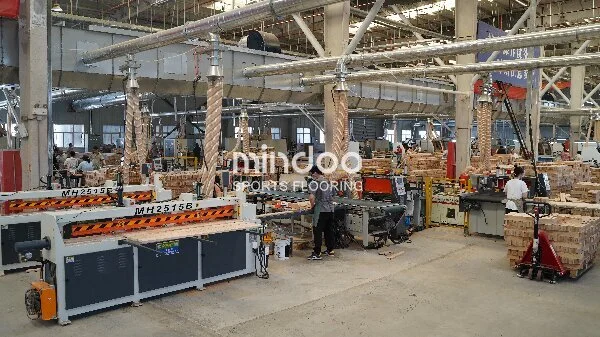
Chinese factories have spent a lot of money on new ways to make things, like precise grinding machines, modern kiln-drying systems, and automatic quality control systems. Thanks to these technical improvements, product standards can be constant. For example, they can control moisture content at ideal amounts of 12 mm to 22 mm. Today's facilities can handle unique sizes that are anywhere from 60mm to 130mm wide and 300mm to 2100mm long.
Sustainable Raw Material Sourcing Networks
Many Chinese makers keep in touch with sustainable wood operations in North America and Northern Europe. This way, they can be sure they always have access to high-quality maple lumber. This method of getting makes sure that quality stays the same and also helps with responsible forest management. Using long-lasting materials in buildings is in line with the growing awareness of environmental issues among business property builders and institutional buyers.
Cost-Effective Manufacturing Scale
The massive production capacity in China allows them to keep prices low without sacrificing quality. Manufacturing in bulk enables us to maintain high quality standards while keeping pricing reasonable. Specialty carpet merchants and commercial builders, who often face tight budgets when working on large-scale projects, would appreciate this economic efficiency, particularly when sourcing Maple Solid Wood Flooring for their projects.
Essential Criteria for Evaluating Reliable Maple Flooring Manufacturers
Production Capacity and Technical Capabilities Assessment
When you look at possible providers, consider how well they can meet certain technology needs, how much money they can make in a year, and how hard their tools is to use. Producers you can trust should be able to regularly get A's, AB's, and B's and meet strict size requirements. Ask about moisture control systems, UV gloss surface finishing methods, and kiln-drying methods.
Quality Management Systems and Documentation
Look at the supplier's system for managing quality. It should include how they check materials when they get to them, check quality during the process, and test the end product. Quality paperwork, group tracking tools, and statistical quality control data are kept up by professional makers. This method makes sure that the product always works the same way and makes it easier to fix problems if they come up.
Customer Service and Technical Support Infrastructure
Pay attention to how quickly and clearly the person you're buying from reacts to you and how easily you can get help from an expert. Installation, explanation of technical specs, and good advice for the job at hand are all things that builders and managers need to be able to count on experts for. Check the language skills, time zone coverage, and account control services.
Supply Chain Reliability and Lead Time Management
Check to see how often they are able to get resources, plan output, and plan shipping. This will tell you how stable their supply chain is. Trustworthy suppliers keep enough on hand, offer realistic wait times, and make sure that contact about possible delays or supply problems is always clear.
Financial Stability and Business Longevity
Make sure the provider is financially healthy by checking their business license, getting financial references, and looking into their past jobs. Established makers with a past of good work offer more security for long-term ties and safety support. Consider the following: how long the company has existed, who owns it, and what people in the market think about it.
Innovation and Product Development Capabilities
Evaluate the supplier's commitment to innovation, including new product development, surface finishing improvements, and custom flooring solutions. Progressive manufacturers invest in research and development, enabling them to meet evolving market demands and provide competitive advantages to their customers.
Environmental Compliance and Sustainability Practices
Check for environmental compliance with certificates like FSC (Forest Stewardship Council) or PEFC (Programme for the Endorsement of Forest Certification). It is getting more and more important for business property builders and buyers to choose environmentally friendly flooring like Maple Solid Wood Flooring that meets green building standards.
Critical Quality Certifications and Compliance Standards
International Quality Management Certifications
ISO 9001 certification demonstrates a manufacturer's commitment to quality management systems and continuous improvement processes. This certification ensures systematic quality control, customer satisfaction focus, and operational consistency. ISO 14001 environmental management certification indicates responsible environmental practices and sustainable manufacturing processes.
Product-Specific Performance Standards
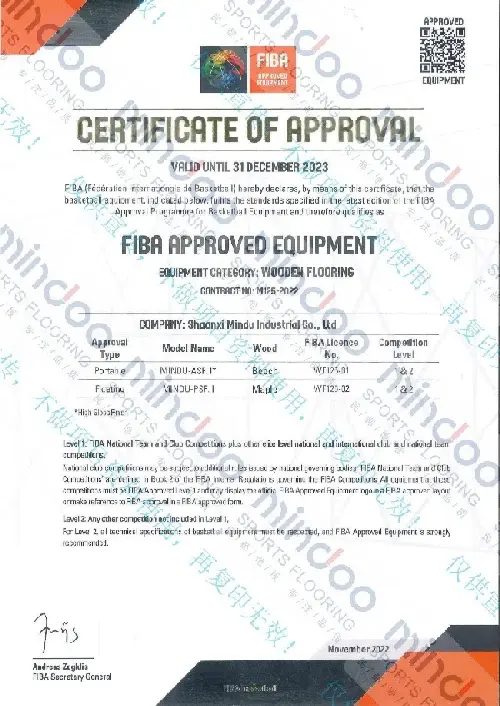
For sports facility applications, look for certifications from organizations such as FIBA (International Basketball Federation) or BWF (Badminton World Federation). These certifications verify specific performance characteristics including ball bounce, shock absorption, and surface friction coefficients essential for athlete safety and performance.
Safety and Chemical Compliance Certifications
The CE mark shows that a product is safe for health, people, and the environment in Europe. The RoHS (Restriction of Hazardous Substances) approval shows that harmful chemicals are not in the materials used to finish floors. Following the California Air Resources Board (CARB) standards keeps formaldehyde pollution low. This matters for the air quality in both homes and companies.
Regional Market Access Certifications
For each market, there are different approvals needed for products that are brought in and set up. Look into the standards that apply to your desired market, such as requirements for following the building code and getting approved for fire safety. Trustworthy vendors keep up with the credentials needed to sell in a number of global markets.
Optimizing OEM and ODM Partnership Strategies
Defining Specification Requirements and Customization Needs
Let people know the detailed details for Maple Solid Wood Flooring, such as the size, grade, finish, and packing they need. For unique flooring jobs, make sure to include thorough plans, performance and quality standards. Detailed design paperwork makes sure that everyone is on the same page and that the product is made correctly.
Intellectual Property Protection and Confidentiality
Establish clear intellectual property protection agreements when developing custom products or sharing proprietary specifications. Include confidentiality clauses and non-compete provisions where appropriate. Protect unique designs, specifications, and market strategies through formal agreements.
Quality Control Integration and Inspection Protocols
Develop integrated quality control processes that include pre-production samples, in-process inspections, and final product verification. Establish clear quality standards, acceptance criteria, and rejection protocols. Consider third-party inspection services for critical projects or large-volume orders.
Logistics Coordination and Delivery Management
Coordinate logistics planning including packaging specifications, shipping arrangements, and delivery scheduling. Consider factors such as seasonal demand patterns, project timelines, and inventory management requirements. Establish clear responsibility definitions for shipping, insurance, and customs clearance.
Comprehensive Factory Audit and Quality Assurance Protocols
Pre-Visit Preparation and Documentation Requirements
Prepare detailed audit checklists covering production capabilities, quality systems, environmental compliance, and safety protocols. Request advance documentation including business licenses, quality certifications, customer references, and production capacity data. Schedule visits during active production periods to observe actual operations.
Production Process Evaluation and Equipment Assessment
Evaluate production equipment condition, maintenance practices, and technological capabilities. Assess raw material storage conditions, kiln-drying processes, surface finishing equipment, and packaging facilities. Document production capacity, quality control checkpoints, and waste management practices.
Quality Management System Verification
Review quality management documentation, testing procedures, and calibration records. Observe actual quality control processes, sample testing protocols, and defect management procedures. Verify that stated certifications are current and applicable to your product requirements.
Supplier Performance Monitoring and Continuous Improvement
Set up methods for ongoing performance measurement that look at customer service, quality measures, and shipping performance. Talk about performance issues and how to improve at least once a month with your team. Make thorough notes about your suppliers' work so you can be fair when you rate them.
Identifying Premier Maple Flooring Suppliers for 2026
Technology Integration and Digital Capabilities
Top providers use digital technologies like automatic production control, quality tracking in real time, and customer web systems. Advanced makers offer ways to check orders, look up technical specs, and see samples all online. Using new technology shows that you know how to run a business and are dedicated to helping customers.
Sustainability Leadership and Environmental Innovation
The best providers show that they care about the environment by using less carbon, switching to green energy, and making packages that don't hurt the environment. As business builders work toward green building standards and other sustainable goals, environmental innovation must play a bigger role.
Global Market Experience and Cultural Competency
Premier companies have a lot of knowledge about the markets they serve and how culture can impact business. They also have a lot of experience working with businesses around the world. People who know this can talk to each other better, make the right changes to the product, and get along better with business partners in a range of social settings.
Comprehensive Service Integration and Value-Added Capabilities
Good providers give a full range of services, such as helping with planning, installation, upkeep, and after-sales service. Premium sellers offer value-added services like custom finishing, special packing, and organizational support. These services set them apart from basic providers, who don't offer these extras.
Conclusion
Look at their production capacity, quality standards, and customer service to choose the best maple solid wood flooring supplier. Achieving a successful selection guarantees affordable prices, dependable delivery, and consistent quality. It is essential to choose suppliers that are in sync with your requirements and dedicated to the success of your long-term collaboration in order to take advantage of the technological, size, and cost-effectiveness benefits offered by Chinese manufacturers.
Frequently Asked Questions
Q1: What are the typical lead times for maple solid wood flooring orders from Chinese manufacturers?
A: Standard lead times range from 15-30 days for regular specifications and 25-45 days for custom orders, depending on production capacity and seasonal demand. Factors affecting lead times include order quantity, specification complexity, and current production schedules.
Q2: How can I verify the authenticity of quality certifications provided by suppliers?
A: Verify certifications directly with issuing organizations using certificate numbers and company details. Request current certificates rather than copies, and check expiration dates. Consider third-party verification services for critical certifications.
Q3: What are the key differences between grades A, AB, and B in maple flooring quality?
A: Grade A represents the highest quality with minimal natural characteristics and uniform appearance. Grade AB allows slightly more natural variation while maintaining high quality. Grade B includes more natural wood characteristics such as small knots and color variation, offering a more rustic appearance.
Partner with Mindoo for Premium Maple Solid Wood Flooring Solutions
Mindoo is a trusted maple solid wood flooring manufacturer, combining advanced production capabilities with comprehensive customer support. Our self-owned factory ensures quality control and competitive pricing, offering direct advantages to our clients.
We have a lot of experience working with builders, architects, and developers. We offer flexible solutions, foreign licenses, and expert help from start to finish on every job. Our team offers great quality and quick service, no matter if you need standard or unique specs. Email us at sales@mindoofloor.com to talk about how our maple flooring can make your next project better.
References
- International Wood Products Association. "Global Hardwood Flooring Market Analysis and Manufacturing Trends." Wood Industry Report, 2024.
- Forest Stewardship Council. "Sustainable Wood Flooring Certification Standards and Best Practices." FSC Technical Guidelines, 2024.
- Building Materials Research Institute. "Performance Specifications for Solid Wood Flooring in Commercial Applications." Construction Materials Quarterly, 2024.
- International Organization for Standardization. "Quality Management Systems for Wood Products Manufacturing." ISO Standards Documentation, 2024.
- China Wood Products Export Council. "Manufacturing Excellence and Quality Assurance in Chinese Wood Flooring Industry." Trade Association Report, 2024.
- Global Sports Flooring Federation. "Safety and Performance Standards for Athletic Flooring Systems." Technical Certification Manual, 2024.