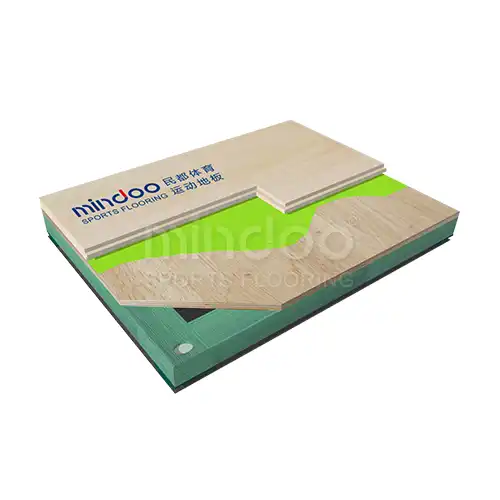
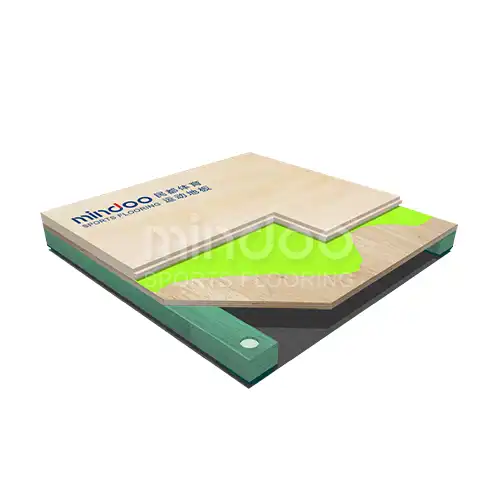
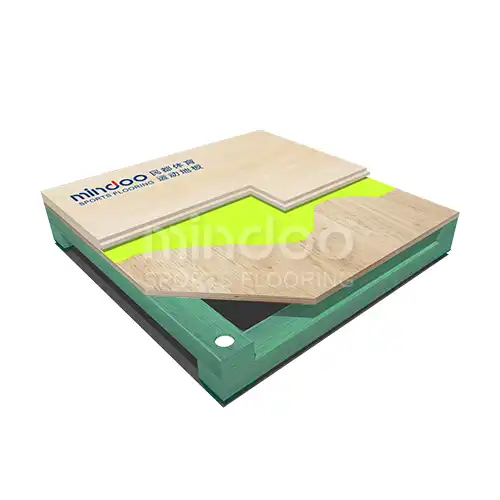
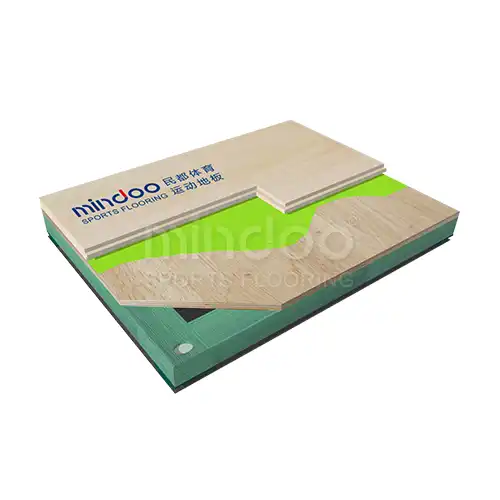
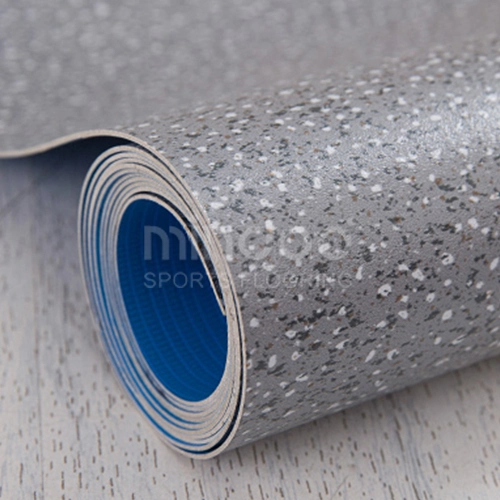
Price Factors for High-Performance Volleyball Court Wood Floors
Knowing what affects the cost of wood flooring for a volleyball court is important for making smart spending choices. The price of high-end Volleyball Court Wood Floor can vary a lot based on the type of wood used, any licenses it has, and how hard it is to install. The price of sports centres is affected by safety standards, foreign approvals, and the growing need for them. The sports flooring market is growing, and people in charge of making decisions need to understand these changes in order to choose the best flooring options that balance performance, safety, and long-term value.
Current Market Price Breakdown for Professional Sports Flooring
Factory Pricing Structures and Regional Variations
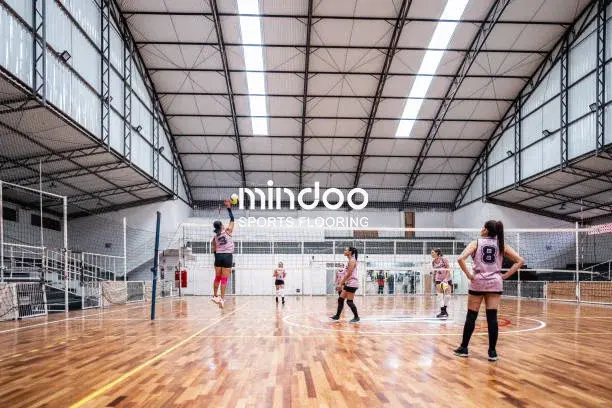
Global factory prices for high-performance volleyball court systems have steadily increased, with FOB prices for FIBA-certified maple flooring typically ranging within a moderate price range. Premium birch and oak alternatives are similarly priced, depending on performance certifications and aesthetics. CIF prices add some additional cost per square foot for logistics. European manufacturers often offer higher base prices with added support, while Asian manufacturers provide competitive pricing with strong quality assurance. Regional production capabilities and exchange rate fluctuations further influence pricing.
Minimum Order Requirements and Volume Discounts\
Most expert volleyball court projects need a lot of high-quality Volleyball Court Wood Floor. To make sure production runs smoothly, producers set minimum order numbers. There are discounts for bigger sales, and the discounts for big jobs are really big. Educational institutions and sports centre groups can get better deals because they buy in bulk. Seasonal changes also have an effect on prices, with off-peak times giving chances to save money. For projects that need to stick to a budget, carefully planning installation plans is helpful.
Hidden Costs and Additional Expenses
Different markets have different import taxes and tariffs. For example, North American goods from Asia have modest duties, while European tariffs are set up in a different way. Because of problems in the supply chain, shipping costs have gone up a lot, which means that each square foot costs a little more. Specialised handling for materials that are sensitive to wetness adds to the costs, and the small percentage of shipping values that are charged for customs clearing and paperwork adds to the overhead costs. Delays in customs can cause costs for storage and problems with project timelines, which can lower total returns.
Critical Factors Influencing Volleyball Court Flooring Costs
Raw Material Quality and Sourcing
Premium maple remains the top choice for professional volleyball courts due to its shock absorption and durability. Sustainable sourcing drives higher prices but ensures long-term supply. Grade A maple costs more than Grade B, offering better performance and longevity. Kiln-drying and moisture control processes also influence costs, as they prevent warping and instability. Different wood species, like oak and birch, affect both initial costs and long-term performance, with oak offering durability and birch providing cost benefits. Understanding these factors helps optimize value.
Manufacturing Technology and Quality Standards
Highly advanced factories use precise cutting and automatic quality control to make sure consistent accuracy and surface finish, which is why they charge more. International licenses, like FIBA and BWF, raise compliance costs because they require strict testing and regular checks. The starting prices of surface finishing technologies like UV-cured polyurethane are higher, but they make surfaces last longer, require less upkeep, and be less likely to slip. Higher performance, long-lasting appeal, and total product dependability are all helped by these new methods.
Labor Costs and Installation Complexity
Skilled installation crews charge premium rates due to specialized training and certification requirements. Professional Volleyball Court Wood Floor installation involves expertise in subfloor preparation, moisture control, and precise layout, with labor costs typically representing a significant portion of the total project. Complex installations, like multi-level shock absorption systems, increase labor intensity and extend timelines. Site accessibility, working conditions, and quality control during installation—such as testing ball bounce and shock absorption—add time and cost but ensure compliance with specifications.
Regional Price Comparisons and Market Dynamics
Asian Manufacturing Advantages
China has a huge share of the market because its supply lines are well connected and its factories are very modern. Chinese makers get savings of scale, a well-established foreign system, and better quality, all of which help the market accept their products. Vertical integration, which includes handling raw materials and making produced goods, keeps costs low and ensures stability. This makes it hard for smaller makers to compete. Vietnamese and Indonesian makers have a wide range of products at reasonable prices, but they can't make as much as China's well-established businesses.
European Premium Positioning
If a company from Germany or Scandinavia wants to attract high-end customers with better goods and more services, they will usually charge more. They focus on recycling, green energy, and cutting down on waste, which will please people who care about the environment. For bigger projects that need regular maintenance, having professional help close by can help make up for higher manufacturing costs. Shipping times to Europe and North Africa are shorter, too. You can get an edge in markets that value green building practices if you have a sustainability license.
North American Market Characteristics
Domestic North American production focuses on premium markets, emphasizing fast delivery and service. Regional transportation cost advantages often offset higher manufacturing expenses. Canadian maple is highly valued for its superior performance, justifying premium pricing. Trade protection measures and "Buy American" policies in public projects support domestic manufacturers, despite higher costs compared to global competitors.
Strategies for Optimizing Procurement Costs
Supplier Relationship Management
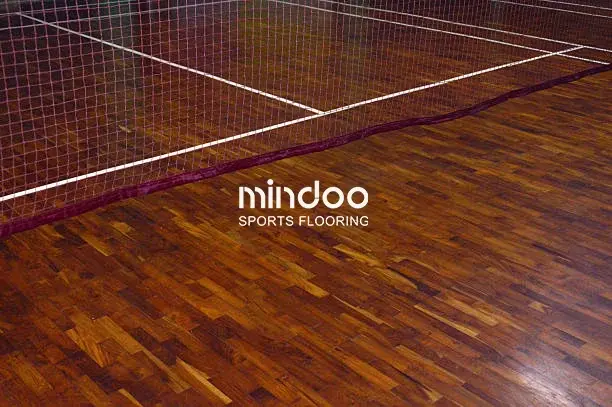
Building long-term partnerships with reliable manufacturers offers preferential pricing and priority during supply constraints. Consistent order volumes and payment reliability often result in better pricing than transactional purchasing. Technical collaboration in product development allows for cost-effective customization, while regular communication and market intelligence sharing improve procurement timing and negotiation leverage. Understanding production schedules and capacity constraints helps optimize order planning and strengthen supplier relationships.
Specification Optimization Techniques
Careful analysis of performance requirements helps avoid unnecessary costs from over-specification. Many volleyball facilities achieve great results with Grade B maple instead of premium Grade A for Volleyball Court Wood Floor. Standardizing specifications across projects enables volume purchasing benefits, while value engineering during design identifies cost-saving opportunities without compromising performance. Experienced architects and contractors can optimize specifications while maintaining quality standards.
Timing and Market Awareness
Monitoring raw material markets and exchange rates helps optimize purchasing timing, as maple lumber prices fluctuate seasonally. Planning major purchases during off-peak periods, such as late fall and early winter, can yield savings. Building flexibility into project schedules avoids rush order premiums, reducing costs linked to expedited shipping and tight timelines.
Future Price Trends and Market Forecasts
Economic Indicators and Market Drivers
The state of the world economy has an effect on the hardwood flooring market. New demand is driven by growth in emerging markets, while upgrades are the main focus in established markets. The value of a currency affects how competitive prices are, which is good for buyers in North America but hard for exports. Interest rates affect building investment. When rates are low, construction is encouraged, and when rates are high, projects are put off. This creates clear patterns of demand that affect prices.
Supply Chain Evolution and Risks
Sustainability standards and how forests are managed affect the prices of raw materials. Materials that come from approved sustainable sources cost more. Better travel infrastructure lowers the cost of operations, but limitations can cause delays. Long-term risks to supply are caused by climate change, which will affect prices in the future. Getting wood from a variety of sources and types of trees lowers these risks, but it might mean changing the specifications and getting re-certified.
Technology Impact on Pricing
Manufacturing automation reduces labor costs and improves quality consistency, enabling competitive pricing and enhanced product performance. Advanced finishing technologies, like UV-cured treatments, extend product life and reduce maintenance, justifying premium pricing. Digital design and customization allow cost-effective personalization, offering unique aesthetic and performance options while minimizing custom manufacturing costs.
Conclusion
Understanding the factors affecting volleyball court wood flooring prices helps operators, contractors, and distributors make informed decisions that balance performance and cost. Market dynamics, including raw material costs, manufacturing capabilities, and certification requirements, lead to pricing variations. Successful procurement strategies focus on long-term value, recognizing that premium flooring systems justify higher initial costs. Building strong supplier relationships, optimizing specifications, and staying informed about market trends will continue to be key for achieving the best outcomes in a dynamic market.
FAQ
1. What factors most significantly impact volleyball court wood flooring prices?
Raw material quality is the main cost driver, with premium maple priced higher than standard grades. Manufacturing location, certifications, and order volume also affect pricing. Shipping costs and import duties add further variables, influencing the total project cost and requiring careful planning for volleyball court wood floor installations.
2. How do minimum order quantities affect pricing for volleyball court projects?
Most manufacturers set minimum order quantities to ensure production efficiency. Volume discounts usually begin at moderate order sizes, with significant reductions available for larger orders. Smaller projects may need distributor partnerships to access these volume pricing benefits.
3. What hidden costs should buyers anticipate when importing volleyball court flooring?
Import duties vary depending on the origin and destination countries. Shipping and logistics add a moderate cost per square foot, while customs clearance and documentation usually represent a small percentage of the shipment value. Currency exchange fluctuations and potential storage fees during customs processing are additional factors to consider.
4. How do certification requirements affect volleyball court flooring costs?
FIBA, BWF, and similar certifications involve extensive testing and ongoing compliance monitoring, which can increase manufacturing costs. Certified products are priced higher but guarantee performance reliability and regulatory compliance for professional facilities. Non-certified alternatives may have lower initial costs but come with risks of performance issues and non-compliance with regulations.
Partner with Mindoo for Premium Volleyball Court Wood Floor Solutions
Mindoo is your trusted volleyball court wood floor manufacturer, offering decades of expertise and advanced manufacturing capabilities to provide exceptional value for sports facilities worldwide. Our self-owned factory operations ensure competitive pricing without compromising quality, meeting the high standards required for professional volleyball installations.
Our volleyball court wood floor systems meet all international certifications, including FIBA and BWF standards, and feature premium maple, oak, and birch with proven shock absorption and durability. With vertical integration from raw material sourcing to final installation, we guarantee quality control and cost efficiency. Mindoo provides complete project support, including technical specifications, installation guidance, and ongoing maintenance. Contact us at sales@mindoofloor.com to discuss your project and explore how our premium flooring solutions can enhance performance and optimize investment returns. Visit mindoofloor.com to view our product portfolio and project gallery.
References
1. International Association of Gymnastics Federations. "Technical Regulations for Apparatus: Floor Exercise Equipment Standards." Technical Committee Publications, 2023.
2. Smith, J.R., and Thompson, K.L. "Economic Analysis of Sports Facility Flooring: Cost-Benefit Considerations for Athletic Directors." Journal of Sports Facility Management, Vol. 18, No. 3, 2023, pp. 45-62.
3. European Committee for Standardization. "EN 14904: Surfaces for Sports Areas - Indoor Surfaces for Multi-Sports Use - Specification." CEN Publications, 2022.
4. Williams, M.D. "Global Timber Markets and Sports Flooring Applications: Supply Chain Analysis and Price Forecasting." Forest Products Economics Quarterly, Vol. 31, No. 2, 2023, pp. 78-95.
5. International Basketball Federation. "FIBA Guide to Basketball Facilities: Technical Guidelines for Court Surfaces." FIBA Technical Commission, 2023.
6. Anderson, R.P., Davis, S.M., and Chen, L.Q. "Comparative Analysis of Hardwood Sports Flooring Performance Standards Across International Markets." Sports Engineering and Technology Review, Vol. 25, No. 4, 2023, pp. 112-128.