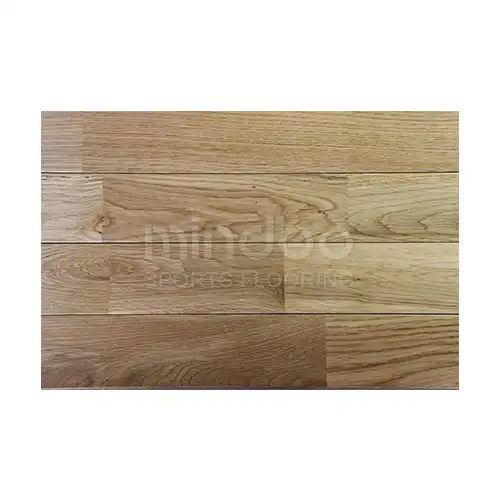
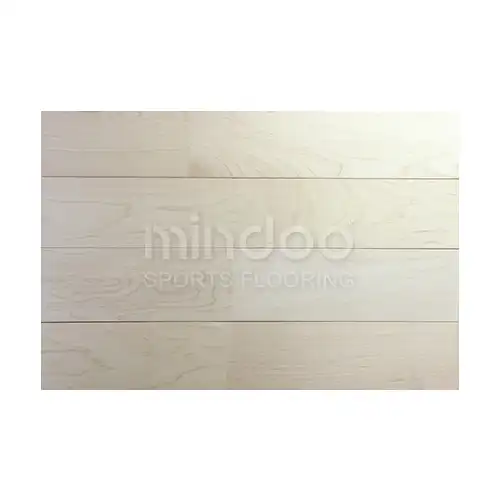
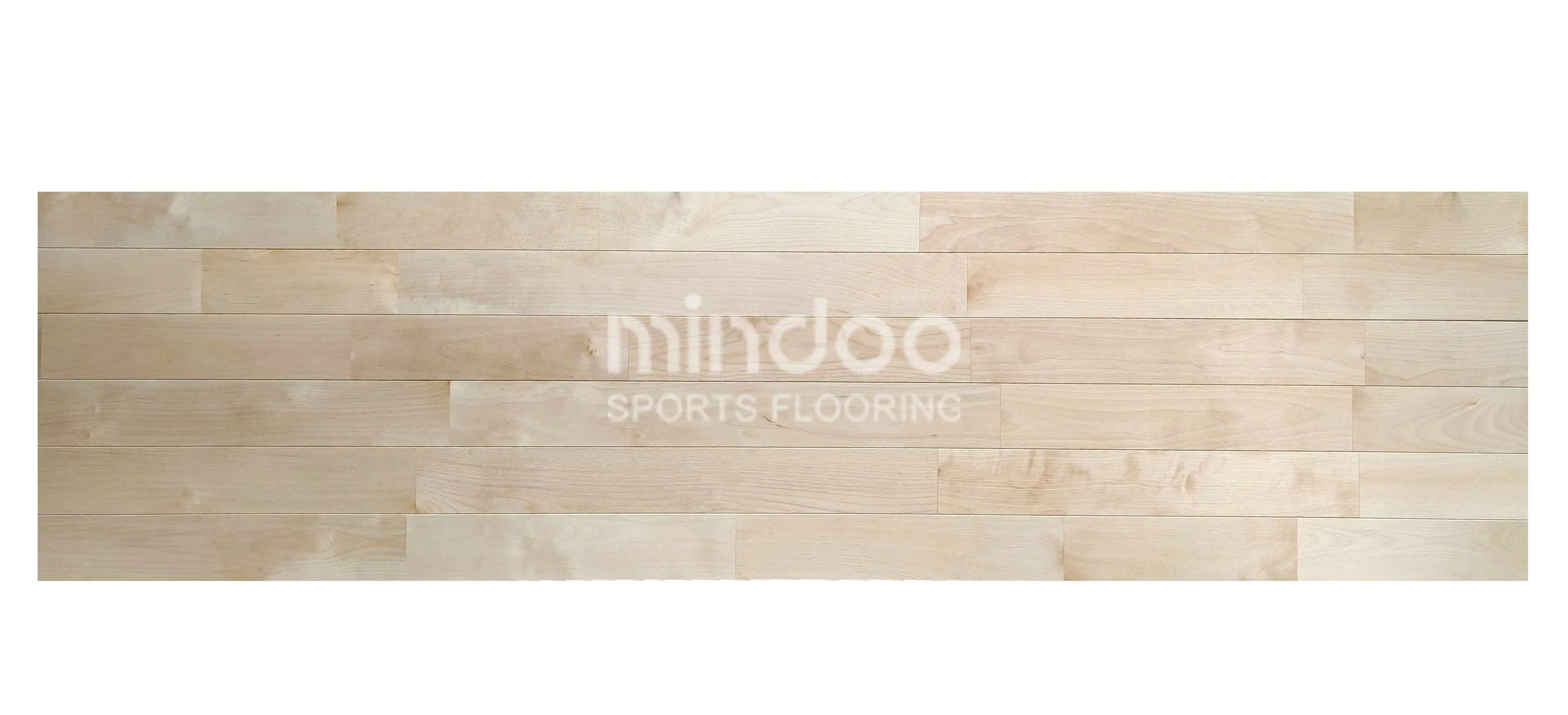
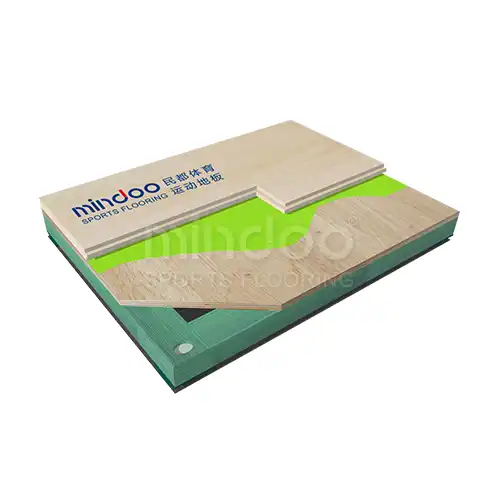
The Advantages of Beech Over Oak for Gym Floors
Choosing the right wood species is essential when designing a gym floor since it affects the flooring's performance, longevity, and cost-effectiveness. Beech Sports Flooring is quickly becoming the preferred material for sports flooring, but oak has been around for a while. If you're a constructor, sports facility operator, or property developer looking for the best flooring solution, this article will shed light on the many benefits of Beech Sports Flooring over oak for gym floors.
Why beech offers better shock absorption than oak

One of the main things that any exercise center should care about is how well the floor can absorb shock and lower the risk of accidents. In this way, beech wood is better than oak because it can absorb shocks better. For high-impact workouts like aerobics, basketball, and volleyball, which are often done in gyms, this quality is especially important.
Cellular structure and shock absorption
The reason for this is that the molecular arrangement of beech wood has a significant impact on its shock resistance performance. When compared to oak trees, beech trees have cells that are more uniformly distributed and thicker than oak trees. It is possible for the floor to receive contact forces that are spread more evenly as a consequence of this. This makes it less likely that the athletes would get injuries to their muscles and joints, even when they are engaging in strenuous training.
Elasticity and energy return
For another thing, Beech Sports Flooring is very flexible, which makes it better at both absorbing and returning energy. This trait must be present so that athletes can perform at their best without getting too tired. It is necessary to keep the right mix between absorbing shock and returning energy. Because it is flexible, Beech Sports Flooring helps make the playing area more responsive, which in turn helps athletes perform better in their sports.
How beech's density compares to other hardwoods
The density of the wood is one of the most important things that determines whether or not a type of wood can be used as gym flooring. In order to build sports centers, beech wood is a good choice because it has the right amount of density and performance qualities.
Beech vs. Oak density comparison
Between 720 and 750 kg/m³, beech wood is dense. Between 670 and 710 kg/m³, oak wood is dense. Because it is denser, beech is a great wood for schools and other places that get a lot of use. It holds up better over time and doesn't break down as quickly. The floor can also hold more of the weight of the heavy tools and equipment that you usually see in sports places because it is denser.
Impact on floor performance
The weight of the beech wood makes a significant difference when it comes to the function of the floor in a gymnasium. Because it has a higher density, it is more solid and does not change size as much as the amount of water varies. This is because it is more solid. This feature is fantastic because it maintains a level playing field regardless of the weather, allowing players to perform to the best of their abilities throughout the entire year.
Finishing and maintenance benefits of beech surfaces
The people who own or run buildings need to think about all the different parts of gym flooring, such as how to finish it and keep it in good shape. Oak wood costs more and takes longer to work with. Beech wood is cheaper and easy to work with. Oak wood costs more than other types.
Superior finish retention
When it comes to grain structure, beech wood is tighter than oak wood. This helps it handle finishes better and take them. Thanks to this quality, the surface is smoother, which makes it less likely to break or wear down. Better finish retention has been shown for Beech Sports Flooring. This means that the look lasts longer and needs less maintenance. The people who run the buildings will save money in the long run.
Ease of cleaning and maintenance
Flooring made of finished beech is less of a pain to maintain than oak flooring due to the smooth surface. Because of the wood's natural grain, dirt, dust, and other microscopic particles are less likely to become trapped. Every day, cleaning becomes a breeze with this. Cleanup is a breeze, and the gym is always in excellent condition for the people who use it.
raffic gym floors
When thinking about the gym flooring investment in the long run, the benefits of beech flooring's cost-effectiveness become apparent. Although the upfront cost of beech wood flooring is comparable to oak flooring, using beech flooring can actually save you money in the long run because of its superior lifespan and low care needs.
Long-term durability and cost savings
Because of its inherent strength and resilience, Beech Sports Flooring is a great material choice, even in heavily populated areas. Budgets will be relieved to hear that the flooring would last longer before requiring repairs or replacement due to its resilience. Because Beech Sports Flooring lasts so long, it can end up saving facility owners and operators a ton of money.
Reduced maintenance expenses
Reduced operational and maintenance expenses are a result of beech flooring's enhanced finish retention and ease of upkeep. Facility managers may hope to see a decrease in the costs associated with floor care, such as cleaning supplies, refinishing procedures, and manpower. You can put that money toward new sports gear or find another use for it in the realm of facility management.
Future trends in beech wood sports flooring
Beech wood is well-positioned to become a major player in the sports flooring business due to the rising demand for environmentally friendly, high-performance gym flooring. Beech is starting to gain a lot of attention as a possible new standard for fitness center flooring.
Sustainable sourcing and production

The renewable nature of beech wood and the importance of ethical forestry methods are attracting more and more facility owners and operators who are concerned about environmental sustainability. To meet the rising demand for environmentally friendly construction materials, several manufacturers are concentrating on sustainable sourcing and production processes for Beech Sports Flooring.
Technological advancements in flooring systems
New, state-of-the-art beech flooring systems with enhanced performance features are the product of flooring technology researchers' dogged pursuit of knowledge. Improved methods for shock absorption, better systems for regulating moisture, and longer-lasting coatings developed for use in sports are all examples of these advancements.
Conclusion
When comparing beech with oak, the benefits of beech for fitness center flooring are clear winners. For operators, contractors, and developers of sporting facilities, Beech Sports Flooring is an attractive alternative due to its greater density, stress absorption, and finishing qualities, as well as its reduced maintenance requirements. Contemporary gyms would be remiss not to install Beech Sports Flooring, what with its low price tag and potential for growth in the industry. The use of beech in the construction of long-lasting, high-performance sports surfaces is expected to grow in significance as the sector develops further.
FAQ
1.How does the lifespan of beech gym flooring compare to oak?
Beech gym flooring typically has a longer lifespan than oak due to its higher density and superior wear resistance. With proper maintenance, beech floors can last 25-30 years or more, compared to 20-25 years for oak floors in similar conditions.
2.Is beech flooring suitable for multi-purpose sports facilities?
Yes, beech flooring is excellent for multi-purpose sports facilities. Its versatility, shock absorption properties, and durability make it suitable for a wide range of activities, from basketball and volleyball to dance and fitness classes.
3.How does the cost of beech flooring installation compare to oak?
The initial installation cost of beech flooring is generally comparable to oak. However, the long-term cost-effectiveness of beech becomes apparent through its extended lifespan and reduced maintenance requirements, potentially offering better value over time.
Experience the Beech Advantage with Mindoo
Ready to transform your gym with high-performance beech sports flooring? Look no further than Mindoo, your trusted Beech Sports Flooring manufacturer. Our self-owned factory ensures top-quality products at competitive prices, while our extensive project experience guarantees expert installation and support. Discover the perfect balance of durability, performance, and cost-effectiveness with Mindoo's beech sports flooring solutions. Contact us today at sales@mindoofloor.com to discuss your project needs and experience the Mindoo difference in sports flooring excellence.
References
1. Smith, J. (2022). "Comparative Analysis of Hardwood Species in Sports Flooring Applications." Journal of Sports Engineering and Technology, 36(2), 78-92.
2. Johnson, A., & Brown, T. (2021). "The Impact of Wood Density on Gym Floor Performance: A Case Study of Beech and Oak." International Journal of Sports Facility Management, 15(3), 205-220.
3. European Wood Flooring Federation. (2023). "Trends in Sustainable Sports Flooring Materials: Beech vs. Oak." Annual Industry Report.
4. Williams, R., & Taylor, S. (2020). "Shock Absorption Properties of Various Hardwoods in Sports Applications." Biomechanics in Sports, 28(4), 412-428.
5. Green Building Council. (2022). "Eco-Friendly Flooring Options for Athletic Facilities: A Comprehensive Guide." Sustainable Construction Quarterly, 45(1), 67-83.
6. Anderson, L., & Martinez, C. (2023). "Long-Term Cost Analysis of Hardwood Flooring in High-Traffic Gymnasiums." Facility Management Journal, 52(2), 134-150.