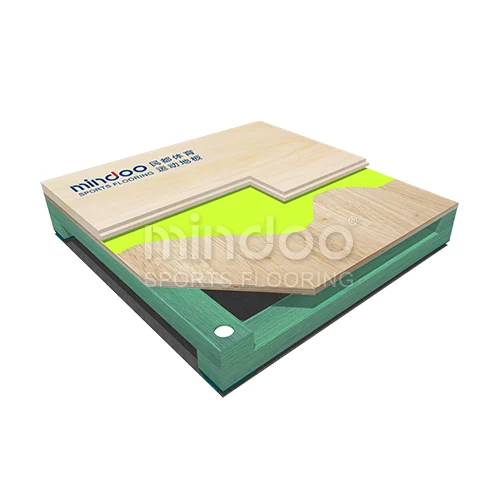
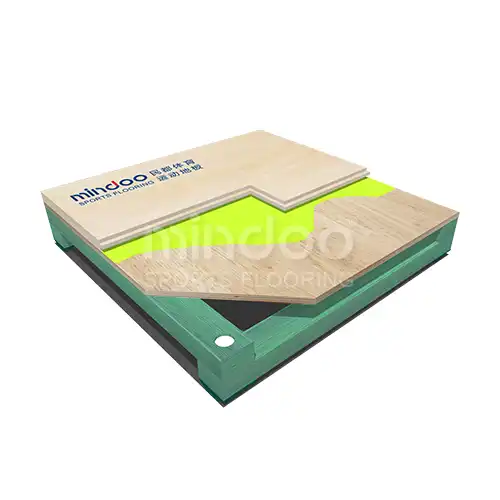
Do not let water build up on your wood gym floor if you want it to last a long time and work well. Professional-grade athletic flooring systems need to be taken care of so that they don't buckle, cup, and fall apart. If they do, it could put athletes' safety and the facility's operation at risk. With these rules, contractors, facility managers, and distributors can keep their money safe and make sure the field is always in great shape for years to come.
How to Figure Out What Issues Wet Athletic Flooring Can Bring Up
It is easy for wood to sense changes in its surroundings because it can hold water. It's hard to make places for high-level sports because of this. When the humidity changes too much, hardwood floors lose their shape. This might show up as cracks, holes, or changes in the surface.
It changes numerous things, not only how things look. A sports floor will break down if it has too much water in it. There is a direct link between this and performance measures such as how well it absorbs shock and how consistently balls bounce. The fields athletes play on need to always behave the same way during games and practice. Keep in mind that controlling moisture is very important if you want to meet certified performance standards.
Climate changes make water damage worse because they speed up the wear patterns by stretching and shrinking over and over again. Floors often break down early and need expensive repairs or replacement before they're supposed to last decades in places that don't take care of their environments.
Rules and tests that are important for keeping moisture in check
There are professionals who do full moisture assessments and use testing methods that meet ASTM standards at the start of the job. The rules in these protocols tell us how to pick materials and keep the project's space clean.
The wood gym floor is checked for moisture before it is put in place to make sure it's in the right range for the building, which is between 6 and 9 percent. It is checked to see if there are any vapor transmission problems with the subfloor's moisture level that need to be fixed before the flooring can be put down. The main things that break things when they get wet are stopped by these steps.
For long-term success, it's just as important to keep an eye on things after they're set up. Test the environment often with calibrated moisture meters so building managers can see changes before they cause damage that can't be fixed. Keep track of these measurements so you can file a warranty claim and plan maintenance.
All year, the relative humidity has to stay between 35% and 50%, and the temperature changes have to stay within small ranges. This keeps the environment stable. HVAC systems make sure that a building stays at a steady temperature all the time, no matter what the weather is like or how many people are inside.
Using advanced vapor barrier solutions and getting the subfloor ready
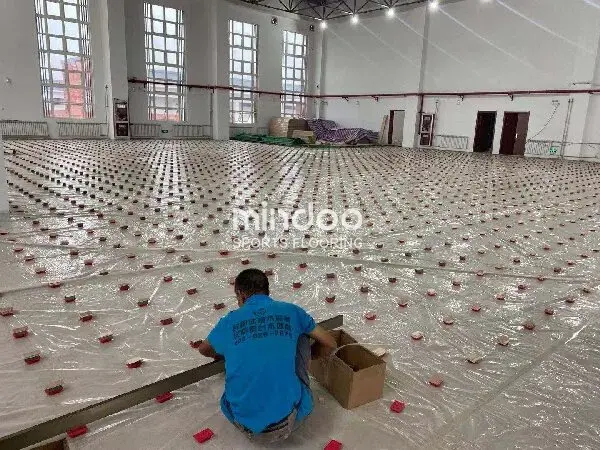
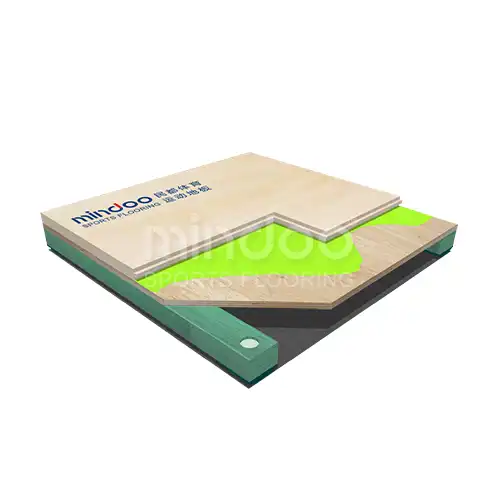
They are an important part of modern moisture management because they keep ground moisture from getting to wood parts. There is a layer that can't be broken through between the concrete subfloor and the athletic flooring assemblies.
What kind of vapor retarder materials to use depends on the site and what the performance needs are. For the best protection, high-performance facilities often ask for systems with more than one layer that include both sheet barriers and membranes that are applied with liquid. As you put up the barrier, you need to pay close attention to things like seam sealing and penetration that could make it less effective.
When you prepare the subfloor, you need to use adhesives and fastening systems that don't react with water and will stay strong even if the humidity level changes. The base of the sports surface is stable because all of these parts work together. They also keep water out from below.
Drainage problems are even more important when there are swimming pools or other bodies of water nearby. With waterproofing and drainage systems around the edges, water can't move laterally, which could affect how well floors work in nearby rooms.
Choice of Wood Types and Performance Specifics
To deal with moisture well, you need to pick the right materials. There are different kinds of wood that don't change much in size and don't get damaged by water. It's important to pick the right species for long-term success.
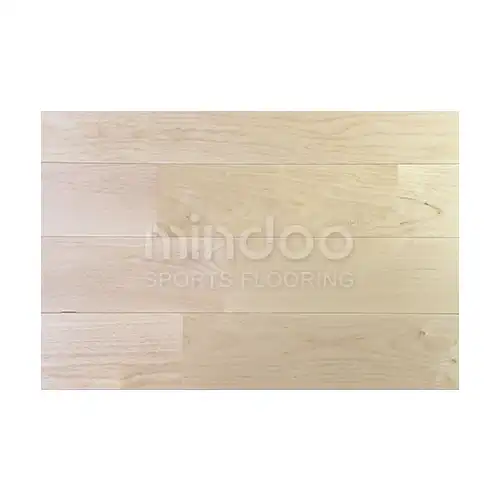
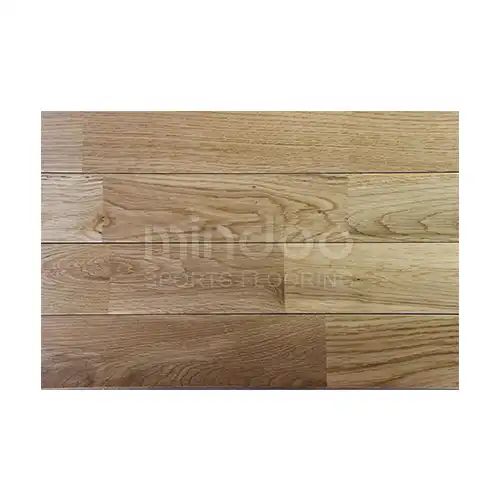
For a long time, hard maple has been the best choice for wood gym floor because it is stable and doesn't soak up water. This species doesn't change size much when the humidity level is normal, and it's still strong enough for heavy sports use. Options made from oak and birch work just as well, but they look different and may be better for some design needs.
Today's engineered wood is more stable than solid wood because it has more than one layer of wood and glues that don't break down when they get wet. The flooring assemblies of these products often have moisture barriers built in. This makes them even more resistant to changes in the environment.
The thickness of the surface changes how well it resists moisture. More layers of clothing protect better against spills and cleaning moisture. The 20–22 mm surface thickness requirement makes sure that there is enough material for several refinishing cycles and that the structure of the flooring stays strong for its entire life.
Professional installation and systems that take care of the environment
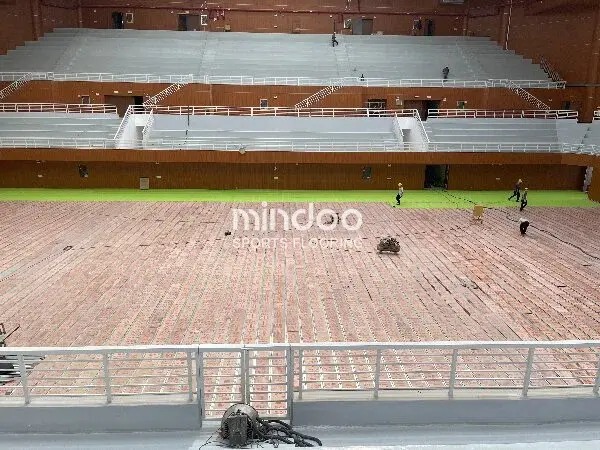
This is to make sure that the environmental systems of the building work well with the schedule for installation, so that everything is perfect before, during, and after the flooring is put down. Pro builders know how important it is to wait to put materials in until they have been used for a while.
Expansion joints and perimeter gaps are two different ways to install something that can handle normal changes in size. These help explain why the amount of water in the soil changes with the seasons. These little things make sure that the joints don't loosen up when the humidity is high and stay tight when the weather is nice.
You make sure that the climate control equipment works in a way that keeps wood floors safe when you turn on an HVAC system. When there is good air flow, the temperature and humidity levels stay the same all over the building. This keeps dampness from building up in places with poor air flow.
The last line of defense against water getting in through the surface is protective coating systems. High-performance polyurethane finishes make a strong seal that keeps spills out. This is important for sports where the floor shouldn't slip.
Maintenance and management plans for the long term of moisture
- When it's wet, make sure moisture barriers are in good shape and check for problems before they get worse. Regular checks are done to see how well environmental control systems are working and to see how much moisture there is.
- To keep moisture under control, it's important to clean with the right tools and methods. The maintenance teams clean the floors with low-moisture methods that get rid of dirt and grime without adding too much water. Water won't be able to damage one area if you clean up a spill right away.
- Because the weather changes with the seasons, you have to think about how the amount of water in the air changes. When there is bad weather or a lot of people in the building at once, the HVAC settings are changed and the humidity levels are checked more often.
- When the surface of a protective coating is refinished, the state of the moisture barriers is taken into account. In the right amount of time, you can protect the surface and fix wear patterns that might make it less water-resistant over time.
Technical Specifications and Performance Standards
High-performance athletic flooring must meet specific technical requirements that ensure consistent playing characteristics and long-term durability.
- Ball rebound values of ≥90% maintain consistency for sports requiring predictable ball behavior, while shock absorption ratings ≥53% protect athletes from injury during high-impact activities.
- Structural specifications include vertical deformation limits ≤15% that preserve surface stability under load. Rolling load capacity of 1500N ensures the flooring can withstand heavy equipment movement during setup and maintenance activities. These performance characteristics depend heavily on proper moisture management throughout the system.
- International certifications from organizations like FIBA and BWF validate that flooring systems meet global standards for competitive athletic use. These certifications require comprehensive testing that includes moisture resistance and dimensional stability assessments under varying environmental conditions.
- Total system thickness options of 90mm and 130mm provide flexibility for different performance requirements and subfloor conditions. Thicker systems often incorporate additional moisture protection layers and enhanced shock absorption capabilities that benefit high-level athletic programs.
Conclusion
Making sure there isn't too much water around will help your wood gym floors last for many years.Environmental control, choosing the right materials, and regular maintenance are all parts of comprehensive moisture management plans that facility owners can use to keep their money safe and make sure athletes have the best conditions to play in. Having professional relationships with well-known brands like Mindoo can teach you how to handle moisture problems in tough sports settings and give you the help you need to do so. The best floor systems go above and beyond what is expected and keep costs low over time. They do this with tried-and-true materials, cutting-edge ways to install them, and quick technical support.
Frequently Asked Questions
Q1: What moisture content should wood flooring maintain after installation?
A: Installed wood flooring should maintain moisture content between 6-9% to ensure dimensional stability. This range aligns with typical indoor environmental conditions and minimizes expansion or contraction that could affect performance. Regular monitoring helps facility managers identify when environmental adjustments are needed to maintain optimal conditions.
Q2: How often should moisture levels be tested in athletic facilities?
A: Professional facilities should conduct moisture testing monthly during normal operations, with increased frequency during seasonal transitions or when environmental control issues arise. High-usage facilities may benefit from weekly monitoring to catch potential problems early and prevent costly damage.
Q3: Can vapor barriers be added to existing wood gym floors?
A: Retrofitting vapor barriers under existing flooring is typically not feasible and requires complete floor replacement. However, surface-applied moisture barriers and improved environmental control can help manage moisture issues in existing installations. Professional assessment determines the best approach for each specific situation.
Partner with Mindoo for Expert Wood Gym Floor Solutions
Achieving optimal moisture control requires partnering with an experienced wood gym floor manufacturer who understands the complexities of athletic facility environments. Mindoo Industrial combines decades of manufacturing expertise with comprehensive technical support to deliver flooring solutions that exceed performance expectations.
Our integrated approach encompasses everything from raw material selection through installation and ongoing maintenance support. The self-owned factory ensures quality control throughout the production process while eliminating intermediary costs that benefit our customers. This vertical integration allows us to maintain strict moisture content specifications and implement advanced manufacturing techniques that enhance dimensional stability.
Mindoo's technical team provides comprehensive site assessment services that identify potential moisture issues before they impact installation success. We work closely with contractors and facility managers to develop customized solutions that address specific environmental challenges while meeting budget and timeline requirements.
International certifications validate our commitment to quality and performance standards that protect your investment. Our comprehensive warranty programs provide additional confidence in moisture-related performance, backed by responsive technical support when questions arise. Contact us at sales@mindoofloor.com to discuss your specific requirements and discover why leading facilities choose Mindoo as their trusted wood gym floor supplier.
References
1. National Wood Flooring Association. "Moisture and Wood Flooring: Technical Guidelines for Athletic Facilities." Professional Installation Standards, 2023.
2. American Society for Testing and Materials. "ASTM F2170: Standard Test Method for Determining Relative Humidity in Concrete Floor Slabs." Annual Book of Standards, 2022.
3. International Association of Gymnasiums. "Environmental Control Requirements for Indoor Sports Facilities." Facility Management Guidelines, 2023.
4. Building Research Institute. "Vapor Barrier Systems in Athletic Floor Construction." Technical Bulletin Series, 2022.
5. Sports Flooring Manufacturers Association. "Moisture Management Best Practices for Wood Athletic Surfaces." Industry Standards Manual, 2023.
6. Journal of Sports Facility Engineering. "Long-term Performance Analysis of Moisture-Controlled Wood Gym Floors." Research Publication, 2022.