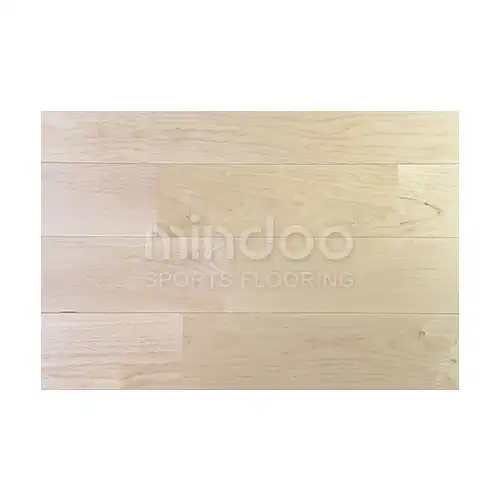
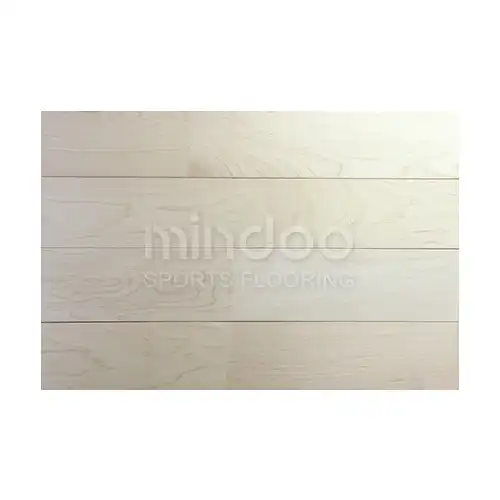
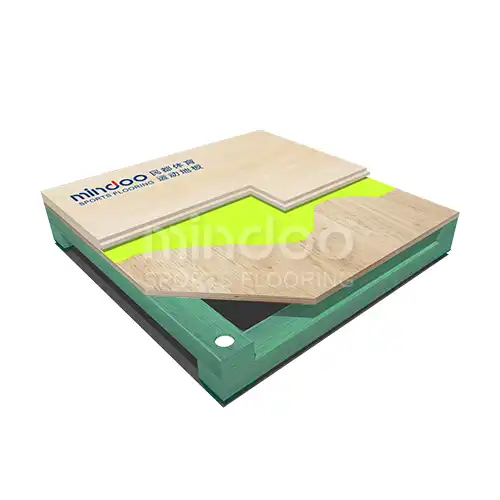
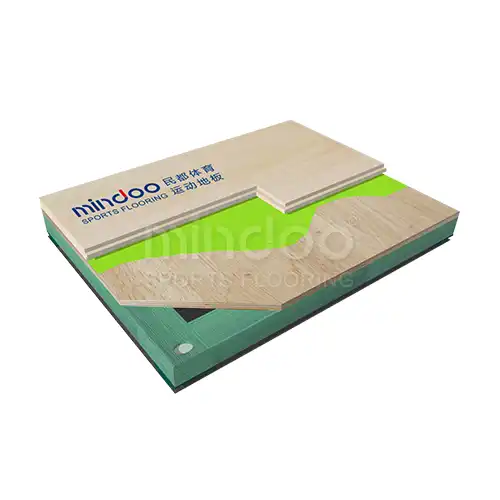
If you want to find the best wood joint and fixing systems for badminton courts, the tongue-and-groove joint with mechanical fastening is the best choice. It's important for competitive play that the surface is stable, can handle shock, and lasts a long time. This system will make sure those things happen. The wood used for professional badminton court wooden flooring needs to be carefully engineered to meet international standards, keep players safe, and keep their performance consistent over years of heavy use.
What You Need to Know About Badminton Court Wood Joints and Fixing Systems
The different flooring panels are joined together with wood joints, and fixing systems keep these panels firmly in place on the subfloor.
Modern sports flooring has different types of joints, and each one is made to meet certain performance needs. The tongue-and-groove system has edges that fit together to connect panels in a way that makes them look like they are one piece. Putting the weight on this makes the surface even. This design makes sure that the structure stays together even when it is being loaded and unloaded, and it also keeps each panel from moving around too much.
The fixing systems connect the joint to the structure below, so they are an important part of joint design. These systems need to be able to handle the way the wood moves naturally while also keeping the surface from moving when people are playing hard. The connection between joint design and fixing method has a direct effect on important performance metrics like shock absorption, ball bounce, and long-term durability.
These simple ideas will help facility managers and contractors pick badminton court wooden flooring systems that will last as long as they are used.
Typical ways to join and fix wood for badminton courts
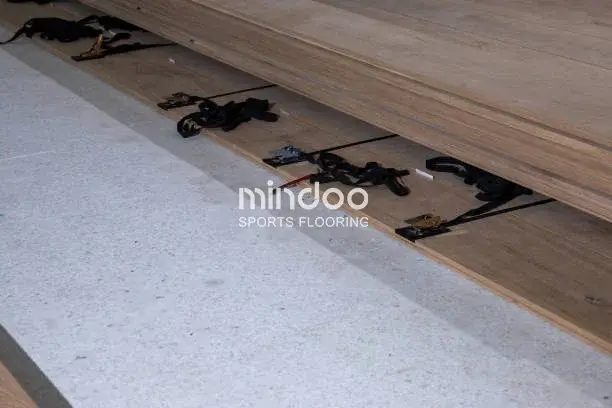
Many tried-and-true joint and fixing combinations have been made in the sports flooring business that work great for badminton courts. The pros and cons of each system depend on how it was set up, how well it works, and how often it needs to be serviced.
These are the systems that are most often used in business settings:
- With this traditional method, the panel edges fit together and are held in place with special fasteners, making the whole thing very stable. It stays the same on the surface while it grows and shrinks in a controlled way. This makes it perfect for places with a lot of foot traffic that don't need much upkeep.
- With modern click-lock mechanisms, the assembly can be put together quickly and doesn't have to be permanently attached to the subfloor. This system speeds up installation and makes it easier to replace panels. However, in buildings that get a lot of use, it may need to be adjusted more often for maintenance reasons.
- Spline Joint with Adhesive Backing: In this system, boards are joined together with separate wooden splines. The adhesive backing makes the boards even more stable. A very even surface is achieved with this method, but it requires more steps and glues that are specifically made for sports flooring.
- Micro-Bevel Edge with Secret Nailing: The edges of this professional-grade system are precisely machined to make joints that are almost impossible to see. For a clean look, it also has fasteners that are hidden. It works best in places where standards for performance and standards for how things look are the same.
These systems have been used for a long time and have been shown to work in professional sports. When making the choice, you should think about how hard it is to install, how often it needs to be maintained, and what performance standards are needed for the application.
A look at how well and how long different fixing systems work
To evaluate fixing systems, you have to look at a lot of different performance metrics that have a direct effect on player safety and the way the facility runs. The most important factors are how well it absorbs shock, how stable the surface is, how much maintenance it needs, and how long it lasts under heavy use.
International governing bodies have set high performance standards for professional sports flooring. For BWF and FIBA certifications, certain levels of shock absorption must be higher than 53%, ball rebound must be 90% or higher, and vertical deformation must be less than 15%. These standards make sure that players are safe and that the playing conditions are the same in all venues.
Most of the time, mechanical fastening systems are more stable over time than adhesive-only installations. The physical link between the panels and the subfloor structure stops them from moving even when the floor is being loaded and unloaded quickly. This means that the badminton court wooden flooring will stay intact even after years of heavy use. Using this method works especially well in places where the temperature and humidity change a lot throughout the year.
Different fixing systems have very different maintenance needs. Most mechanical systems let you replace a single panel without affecting nearby areas. This lowers the cost of repairs and the amount of time the building is closed. While adhesive systems may need more extensive repairs, they often offer better resistance to moisture in tough environmental conditions.
A cost analysis must take into account both the initial costs of installation and the ongoing costs of running the business. Though some systems cost more up front, they usually have a lower total cost of ownership over the life of the facility because they don't need as much maintenance and last longer.
How to Pick the Best Badminton Court Wood Joint and Fixing System
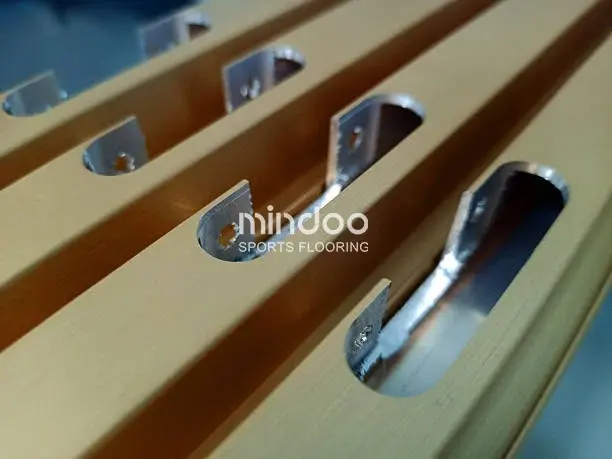
To choose the best joint and fixing system, you need to carefully look at the needs, usage patterns, and operational limitations of your facility. When making a choice, people should think about both the need for immediate installation and the expected long-term performance.
- Facility usage intensity has a big effect on system choice. Places with a lot of foot traffic that host competitive tournaments need strong fixing systems that can handle heavy use without lowering performance standards. Cost-effectiveness and ease of maintenance may be more important to educational facilities with moderate usage patterns than maximum durability specifications.
- The environment inside the building affects how the wood moves and how stable the system is. For more sensitive joint designs, places with controlled climate systems are better suited, but places where temperature and humidity change often need systems that can handle bigger changes in size without damaging the surface.
- Installation schedules often affect the choice of system. For projects that need to be finished quickly, click-lock systems that make installation easier may be best. On the other hand, projects with more flexible schedules can use more complex systems that perform better over time.
- When making a budget, you need to look at both the initial costs and the long-term costs. The most cost-effective solution takes into account both the initial investment and the expected maintenance costs, replacement schedules, and facility downtime needs over the system's lifetime.
Innovative and eco-friendly ways to fix wooden badminton floors
Sustainability is becoming more and more important in the design of sports facilities, which is leading to new environmentally friendly flooring systems. Modern installations use environmentally friendly materials and manufacturing methods while still meeting the performance standards needed for competitive play.
- FSC-certified wood species like maple, oak, birch, and beech offer environmentally friendly building materials that don't lose any of their performance. These materials come from sources that are good for the environment and have the strength, stability, and good looks needed for professional sports applications.
- Modern systems for fixing things now use low-VOC adhesives and mechanical fasteners made from recycled materials. These new features make installation less harmful to the environment while keeping the structural integrity and long life that you'd expect from professional sports flooring systems.
- New panel designs make the best use of materials while also improving performance. Engineered systems with 20mm and 22mm surface thickness options give you the freedom to meet specific performance needs while using the least amount of materials and making the least amount of waste during installation.
- When the flooring's useful life is over, modular system designs make it easier to renovate and recycle. These innovative methods are in line with companies' sustainability goals and offer useful benefits like easier maintenance and low-cost upgrades when the needs of the facility change.
Conclusion
Selecting the optimal wood joint and fixing system for badminton court wooden flooring requires careful consideration of performance requirements, environmental conditions, and long-term operational goals. Tongue-and-groove joints with mechanical fastening provide proven reliability for most applications, while innovative systems offer enhanced sustainability and installation efficiency. Professional consultation ensures system selection aligns with facility-specific requirements while meeting international performance standards for competitive play.
Frequently Asked Questions
Q1: Which wood joint type provides the best shock absorption for badminton courts?
A: Tongue-and-groove joints combined with properly engineered subfloor systems provide optimal shock absorption for badminton courts. This configuration distributes impact forces effectively while maintaining surface stability, typically achieving shock absorption levels exceeding 53% as required by international sports standards.
Q2: Can existing wooden badminton courts be retrofitted with different fixing systems?
A: Retrofitting options depend on the existing subfloor condition and current system design. Many mechanical fixing systems can be upgraded or modified, though adhesive systems may require complete surface replacement. Professional assessment determines the most cost-effective approach for specific facility conditions.
Q3: How do environmental conditions affect wood joint and fixing system selection?
A: Temperature and humidity variations significantly influence wood movement, requiring fixing systems designed to accommodate dimensional changes. Climate-controlled facilities can utilize more sensitive joint designs, while spaces with variable conditions require robust systems engineered for greater movement tolerance without compromising performance.
Best wooden flooring options for badminton courts | Mindoo
Mindoo makes high-quality sports flooring solutions that are designed to work perfectly on badminton courts. Our wide range of products includes cutting edge joint and fixing technologies that make sure that professional and recreational facilities all over the world get the best performance, safety, and durability.
Mindoo installations are built on top of high-quality materials. We use only the best maple, oak, birch, and beech from sustainable forests in our own manufacturing facility to make sure that the quality and performance are always the same. Surface thickness options of 20 mm and 22 mm give you the freedom to meet the needs of any project while still keeping the structure strong under heavy use.
Our integrated approach includes helping with design, making, installing, and providing ongoing maintenance support. This all-inclusive service model makes sure that the system works at its best for as long as the building is in use and gives clients reliable technical support and maintenance advice. When you combine high-quality materials, advanced manufacturing techniques, and professional installation services, you get flooring solutions that perform better than expected and last longer than expected.
Are you ready to improve your badminton court with high-quality wooden flooring that is designed to perform at its best? Mindoo's expert team can help you find the best joint and fixing system for your needs by giving you full consultation services. As one of the biggest companies that makes badminton court wooden flooring, we offer custom solutions that are backed by international certifications and have been used in facilities all over the world. Our technical experts can help you choose the right system, plan the installation, and follow the maintenance steps to get the most out of your flooring investment. Get in touch with us at sales@mindoofloor.com to talk about your project needs and find out how Mindoo's advanced flooring systems can improve the performance and player experience in your facility.
References
- International Badminton Federation Technical Specifications for Court Surfaces and Performance Standards, 2023 Edition
- Wood Sports Flooring: Engineering Principles and Installation Guidelines by Thompson, M.J., Sports Facility Press, 2022
- Comparative Analysis of Joint Systems in Athletic Wood Flooring, Journal of Sports Engineering, Volume 45, Issue 3, 2023
- Sustainable Materials in Sports Facility Construction: Environmental and Performance Considerations, Green Building Review, 2023
- Shock Absorption and Player Safety in Badminton Court Design, International Sports Science Quarterly, Volume 28, 2022
- Advanced Fixing Technologies for Professional Sports Flooring Applications, Construction Technology Journal, Issue 12, 2023