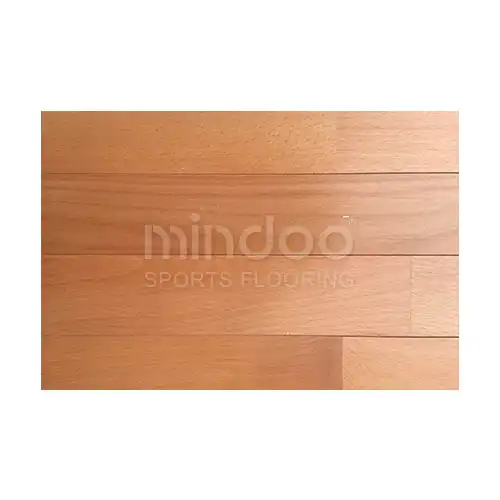
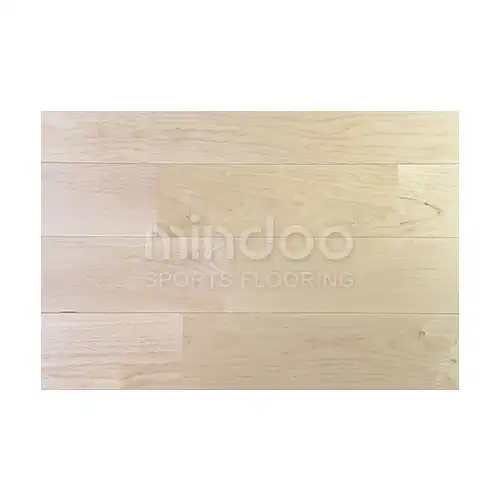
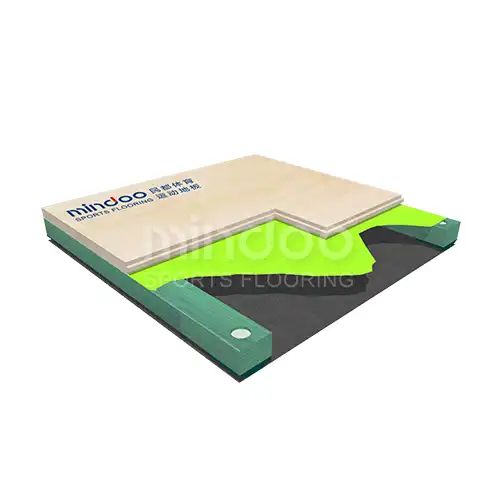
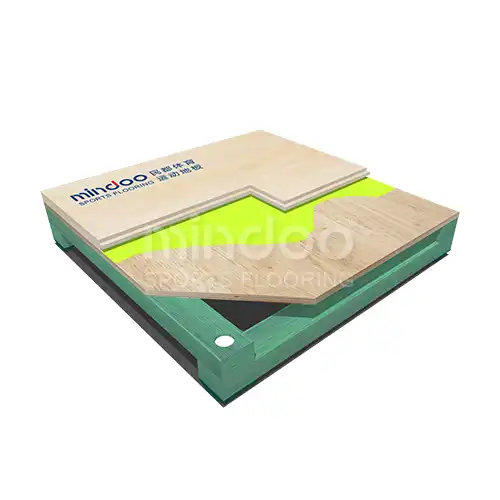
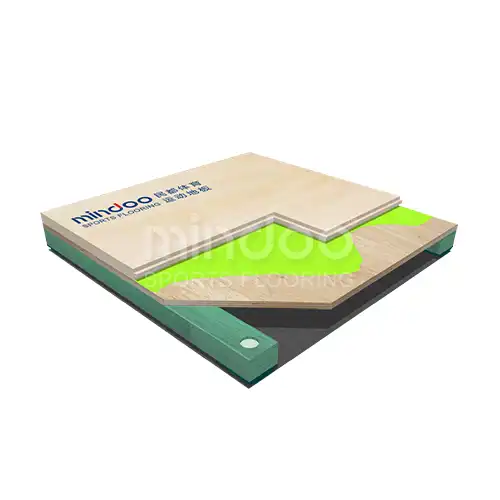
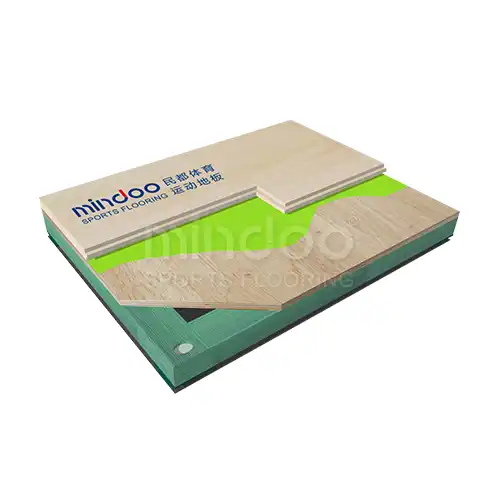
The FIVB has certain requirements for wood flooring for volleyball courts, including performance criteria, safety rules, and technological conformance. The FIVB rules provide the greatest playing conditions by prioritizing player safety and game quality. You can be certain that a volleyball court floor made of professional-grade wood, supplied by a trusted Volleyball Court Wood Floor supplier, will have superior rebound performance , stress absorption , and vertical deformation . As a result, there might be cutthroat competition with fewer casualties.
Understanding FIVB Performance Standards
The FIVB sets rigorous performance benchmarks that transform ordinary hardwood courts into professional-grade athletic surfaces. These standards encompass multiple technical aspects that directly impact player performance and safety outcomes.
- Shock absorption is a key performance metric in professional volleyball, where explosive movements and jumps create significant impact forces. Quality flooring must absorb at least 53% of these forces, protecting joints, muscles, and connective tissues, and reducing injury risk during spikes and defensive dives.
- Vertical displacement keeps the surface stable when it is under dynamic stress. Too much distortion makes the ground uneven, which can hurt efficiency and cause accidents. FIVB guidelines only allow 15% distortion. This makes sure that the surface reacts the same way every time during jumps and moves, keeping the game stable and safe.
- Ball bounce traits have an effect on how the game is played and how players use their skills. A 90% rebound standard makes sure that bounce patterns are clear so that passing, setting, and striking can be done correctly. This makes players better overall and helps them compete by developing their speed and spatial awareness.
- Rolling load capacity addresses the surface's ability to withstand concentrated forces from equipment, maintenance procedures, and installation processes. The 1500N rolling load specification ensures the athletic flooring maintains structural integrity under various operational stresses without developing permanent deformation or surface damage.
Wood Species Selection and Performance Characteristics
Different hardwood species offer unique performance characteristics that influence court behavior, aesthetics, and longevity. Understanding these variations helps contractors and architects specify appropriate materials for specific applications and budget requirements.
- Maple wood is the best choice for indoor sports decks because it is hard, has a tight grain, and always works well. Because of its natural color, the court looks good even on TV, and its thick structure makes it stable and hard to break.
- Oak flooring is durable, has unique wood designs, and doesn't slip. Its hardness makes it resistant to wear, and its range of colors lets you make unique court patterns that make the facility look better. This makes it perfect for places that want both performance and looks.
- Birch is a cheaper, solid option that would work well in both educational and leisure settings. It's not as soft as maple, so it's hard enough to be used for volleyball fields. Its light color makes it easy to customize by coloring, which makes it great for projects that need to save money.
Surface thickness selection impacts both performance and installation flexibility. The 20mm thickness option suits standard installations with conventional subfloor systems, while 22mm surfaces provide enhanced durability and improved impact absorption for high-intensity applications. Thicker surfaces also offer greater refinishing potential, extending the court's useful lifespan through multiple sanding and recoating cycles.
Installation System Requirements
Professional volleyball court installation demands precise attention to subfloor preparation, moisture control, and system integration to achieve FIVB compliance standards. The installation process significantly influences final performance characteristics and long-term durability outcomes.
- Subfloor systems provide the foundation for optimal surface performance. Traditional sleeper systems use precisely spaced wooden joists that create controlled deflection patterns while maintaining adequate ventilation. The spacing and dimensional characteristics of these support elements directly influence shock absorption and vertical deformation properties. Modern installations often incorporate engineered pad systems that provide consistent support characteristics while simplifying installation procedures.
- Moisture control represents a critical installation consideration that affects both immediate performance and long-term stability. Wood naturally responds to environmental humidity changes by expanding and contracting. Uncontrolled moisture variations create dimensional instability that compromises surface flatness and can lead to joint separation or board cupping. Professional installations include vapor barriers, humidity monitoring systems, and climate control recommendations.
- Court markings require specialized materials and application techniques that withstand intensive use without compromising surface characteristics. Traditional paint systems can create slippery conditions that increase injury risks. Modern court marking systems use specialized coatings that maintain consistent slip resistance while providing clear game line visibility under various lighting conditions.
- The installation process itself demands experienced technicians familiar with sports flooring requirements. Proper board alignment, fastening techniques, and finishing procedures directly impact final performance characteristics. Professional installation teams understand the relationship between subfloor systems, environmental controls, and surface preparation that determines whether the finished court meets FIVB standards.
Maintenance Requirements for Peak Performance
Sustained compliance with FIVB standards requires comprehensive maintenance programs that preserve both performance characteristics and aesthetic appearance. Regular maintenance procedures protect the investment while ensuring consistent playing conditions throughout the court's operational lifespan.
Daily cleaning procedures remove dirt, moisture, and debris that accumulate during normal use. As a reliable Volleyball Court Wood Floor supplier, we recommend using specialized equipment designed for sports flooring to ensure contaminants are removed without damaging the finish or creating slip hazards, preventing surface wear and stability issues.
Periodic deep cleaning addresses embedded contaminants and restores surface appearance. Professional cleaning systems use controlled moisture application and specialized cleaning agents formulated for hardwood sports floors. These procedures remove accumulated residues from cleaning products, athletic equipment, and environmental sources that gradually diminish surface performance.
Floor coating maintenance preserves both protective and performance characteristics. The UV lacquer finish provides moisture protection, enhances durability, and maintains consistent surface friction characteristics. Regular inspection identifies areas requiring attention before minor issues develop into major problems requiring extensive repairs.
Refinishing procedures restore courts to like-new condition when surface wear becomes noticeable. Professional refinishing, provided by a trusted Volleyball Court Wood Floor supplier, involves controlled sanding that removes damaged surface layers while maintaining dimensional consistency. Multiple refinishing cycles extend court lifespan significantly, making quality hardwood courts cost-effective long-term investments.
Environmental monitoring ensures stable conditions that preserve both performance characteristics and dimensional stability. Temperature and humidity fluctuations stress wood fibers and can compromise surface flatness. Facilities equipped with appropriate climate control systems and monitoring equipment maintain optimal conditions year-round.
Quality Certification and Testing Procedures
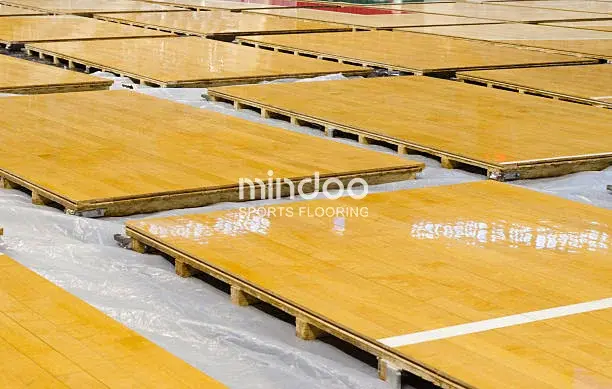
FIVB compliance requires rigorous testing and certification procedures that verify performance characteristics meet established standards. These processes provide objective evidence of surface suitability for professional competition while protecting facility operators from liability concerns.
Independent testing laboratories conduct standardized performance evaluations using calibrated equipment and established protocols. Shock absorption testing uses specialized impact equipment that simulates athletic loading conditions. Vertical deformation measurements employ precise instrumentation that detects minute surface movement under controlled loading. Ball rebound testing uses standardized procedures that ensure consistent measurement conditions.
International certifications provide recognition that surfaces meet global standards for professional competition. FIBA certification demonstrates compliance with basketball standards that often overlap with volleyball requirements. BWF certification addresses badminton-specific requirements that share similar performance characteristics with volleyball courts. These certifications enhance facility credibility and support marketing efforts for sports complexes hosting multiple sports.
Ongoing quality assurance procedures verify that performance characteristics remain within specification throughout the court's operational lifespan. Regular testing identifies performance degradation before it affects athletic performance or safety. This proactive approach allows facility operators to schedule maintenance procedures during off-seasons rather than addressing emergency repairs during peak usage periods.
Documentation requirements support facility operations and provide evidence of regulatory compliance. Comprehensive records demonstrate due diligence in facility management while supporting insurance requirements. Proper documentation also assists with warranty claims and provides valuable information for future maintenance planning.
Economic Considerations and Long-Term Value
Investment decisions for volleyball court wood floors involve multiple economic factors that extend beyond initial purchase costs. Understanding total ownership costs helps facility managers make informed decisions that optimize long-term value while meeting performance requirements.
The initial cost of investment changes a lot depending on the type of wood chosen, how complicated the system is, and how it needs to be set up. Premium oak systems cost more, but they often work better and last longer, which makes the extra cost worth it. Expected usage rate, the amount of money that can be spent on upkeep, and the ability of the building to make money should all be taken into account in economic analysis.
Operational costs include routine maintenance, utilities for climate control, and periodic refinishing expenses. Quality installations with proper maintenance programs often operate for decades with minimal major repairs. The refinishing capability of solid hardwood surfaces provides significant economic advantages compared to synthetic alternatives that require complete replacement when worn.
Revenue generation potential influences economic justification for premium surface investments. Facilities capable of hosting professional competitions, tournaments, and special events often generate sufficient additional revenue to offset higher initial costs. The aesthetic appeal and performance reputation of quality hardwood courts also supports premium facility rental rates.
Insurance considerations may favor quality installations that demonstrate compliance with recognized safety standards. Premium surfaces with appropriate certifications often qualify for favorable insurance rates while reducing liability exposure. The documented safety performance of properly installed and maintained hardwood courts supports risk management objectives.
Conclusion
The FIVB guidelines for volleyball court wood floors make sure that the games are high quality, the players are safe, and the venue lasts a long time. Knowing these needs helps builders, workers, and building owners make smart choices that are good for both short-term and long-term value. Hardwood volleyball courts that meet FIVB standards make volleyball programs possible and help the building make money by hosting high-quality events and matches.
Choose Mindoo as Your Volleyball Court Wood Floor Supplier
Mindoo offers complete volleyball court flooring that goes beyond FIVB standards. As a trusted Volleyball Court Wood Floor supplier, they also offer great value by combining production and installation. Our plant is owned by us, so we cut out the middleman and keep prices low by controlling every step of the process, from choosing raw materials to final installation. Having worked a lot in schools, offices, and stores, we know how to make sure that the FIVB standards, local rules, and long-term care needs are met for courts that stay in good shape.
We offer a range of maple, oak, and birch surfaces in 20mm and 22mm thicknesses, all certified to meet or exceed FIVB performance standards. Our systems achieve shock absorption above 53%, vertical deformation under 15%, and ball rebound performance exceeding 90%. International certifications like FIBA and BWF validate our commitment to global quality standards. Our competitive pricing reflects direct manufacturing control, and our experienced installation teams ensure optimal system integration for long-term performance with minimal maintenance. Contact us at sales@mindoofloor.com to discuss your project requirements with our technical specialists.
References
- International Volleyball Federation. "Official Volleyball Rules and Regulations: Court Specifications and Surface Requirements." FIVB Technical Manual, 2023.
- European Committee for Standardization. "Sports Surfaces - Indoor Surfaces for Multi-Sports Use: Specification." EN 14904:2006 Standards Documentation.
- American Society for Testing and Materials. "Standard Test Method for Shock Absorption Properties of Playing Surface Systems and Materials." ASTM F355-16 Technical Specifications.
- Deutscher Institut für Normung. "Sports Floors - Point Elastic Sports Floors - Requirements and Test Methods." DIN V 18032-2 Performance Standards.
- Sports Flooring Manufacturers Association. "Technical Guidelines for Indoor Sports Surface Installation and Maintenance." Professional Installation Manual, 2023.
- International Association for Sports Surface Sciences. "Performance Characteristics of Hardwood Athletic Flooring Systems." Research Proceedings on Sports Safety Standards, 2022.