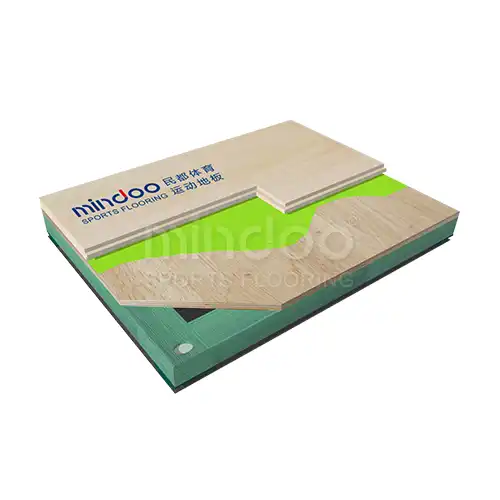
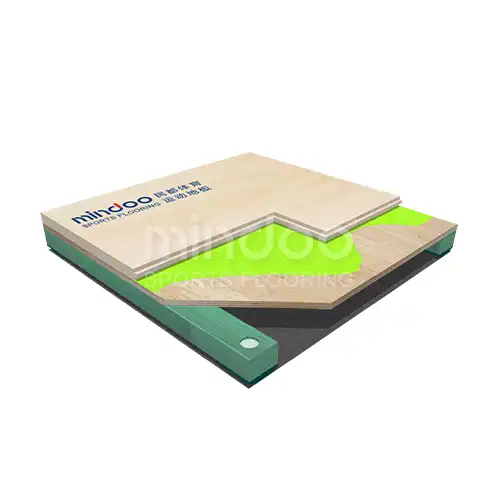
In order to achieve the best sports performance, choosing the right badminton court wooden flooring requires careful consideration of the surface finish quality and wood thickness. Professional badminton courts rely on very exact standards of building that make sure players are safe while also taking into account how the shuttlecock reacts. The ideal surface finish helps with grip control and stops sliding, which has a direct effect on the quality of competitive play. Meanwhile, the right wood thickness makes sure that shock reduction and structure life are good under heavy daily use. This in-depth study is aimed at B2B procurement managers, building engineers, specialized wholesalers, and OEM partners who are looking for flooring solutions that are backed by proof, meet international certification standards, and provide great value from the moment they are bought until the end of their useful life.
Understanding Wooden Flooring for Badminton Courts: Key Dimensions and Benefits

Wooden flooring stays as the top choice for professional badminton courts because it has performance qualities that plastic floors don't. Because wood naturally bends and stretches, it is able to absorb and release energy perfectly. This makes the right conditions for playing professional badminton, and the long-term sturdiness of the court makes the high price worthwhile.
An Overview of Badminton Facilities That Have Wooden Floors
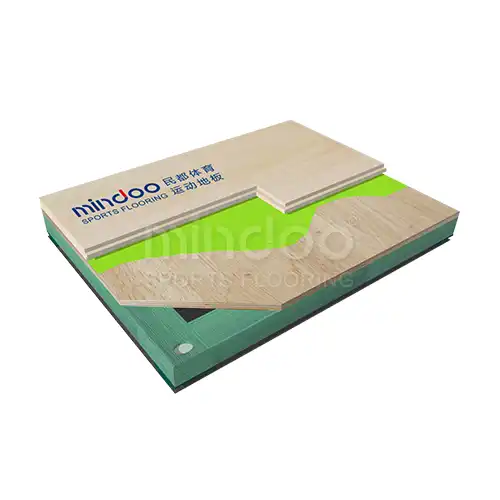
Professional badminton courts use special wooden flooring that is built with constructed substructures. For single-layer setups, the total height is 90 mm, and for double-layer setups, it is 130 mm. These systems provide verified performance data, such as a rolling load capacity of 1500N, a ball return rate of over 90%, and vertical distortion of 15% or less. When hardwood top layers are combined with designed support structures, the resulting playing fields meet BWF and FIBA approval standards and work consistently in a range of weather conditions.
Advantages of the Perfectly Smooth Surface
Surface finish technology directly affects player safety and game dynamics by controlling moisture resistance and friction factors. Advanced UV-cured polyurethane finishes are better at resisting wear than standard lacquer treatments. This keeps the playing conditions the same and extends the time between maintenance sessions. These modern finishes include anti-slip additives that make it easier to grip without slowing down the shuttlecock too much. This keeps the game flowing smoothly and protects players from slips that could hurt them.
How Veneer Thickness Affects the Longevity and Performance of Flooring
For professional badminton uses, veneer thickness standards of 20mm to 22mm are the best mix between strength and performance. Thicker veneers can absorb more shock, with rates of at least 53% that protect players' joints during tough training practices. Also, a thick wood makes it possible to repair the floor many times, which keeps the quality of the playing surface uniform over decades of use and gets the most out of the investment.
Selecting the Best Wood Species and Surface Finish for Badminton Courts
Wood species choice affects immediate performance and long-term upkeep. Different hardwood kinds have different density, grain structure, and stability that must match facility use and climatic circumstances.
Highest Wood Type Recommended Badminton Court Flooring
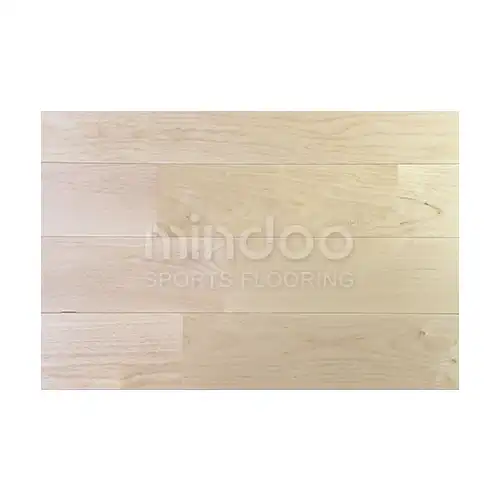
Maple is the best badminton court surface because to its high hardness and constant grain structure, which produces homogeneous ball bounce. Oak is suitable for humid settings because to its durability and moisture resistance. Budget-conscious projects benefit from birch's stress absorption and low cost. Beech is ideal for high-traffic training facilities with long refinishing cycles because to its dimensional stability and wear resistance.
Traditional varnishes to advanced coatings
Traditional penetrating oils and ceramic-enhanced polyurethane systems are modern surface finishes for badminton court wooden flooring. Water-based polyurethane coatings cure quickly and emit minimal VOCs, accelerating project timeframes and fulfilling environmental compliance. UV-cured coatings are scratch-resistant and durable, decreasing maintenance in intensive-use buildings. Anti-bacterial coatings improve cleanliness in multi-purpose venues that serve varied user groups daily.
Industry Standards and Thickness Requirements for Badminton Wood Flooring
International certification authorities set minimum performance criteria for hardwood flooring systems in badminton to meet industry standards and thickness requirements for competitive play venues. The shock absorption percentage, surface friction coefficient, and ball rebound properties of BWF standards affect material requirements. Thickness standards guarantee structural support and playing surface resiliency. These rules safeguard facility operators from liability and ensure athlete safety and competition integrity.
Installation and Maintenance: Ensuring Longevity and Performance of Wooden Badminton Floors
The lifespan and effectiveness of hardwood badminton court flooring depend on professional installation and maintenance. Good installation practices avoid typical failures and build maintenance foundations that increase flooring lifetime.
Step-by-Step Badminton Court Wooden Flooring Installation
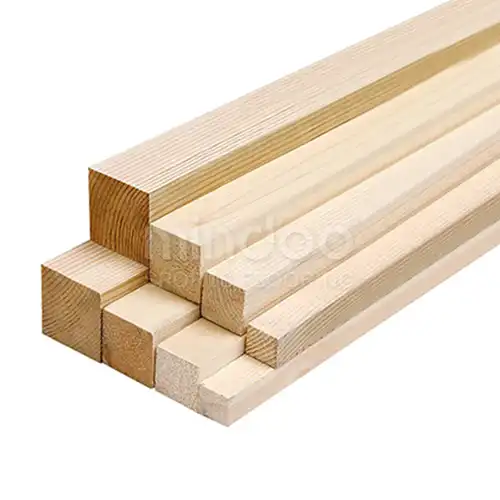
Subfloor preparation includes moisture testing, leveling verification, and structural inspection before installation. To meet performance requirements while permitting natural wood movement, sleeper systems need precise spacing and alignment. Surface layer installation requires careful expansion gaps, fastening patterns, and moisture content verification. Finishing must be done under regulated circumstances to assure curing and adherence. Quality control checks during installation ensure performance and warranty compliance.
Regular Maintenance for Surface Quality and Veneer Integrity
Daily maintenance includes microfiber dust cleaning to avoid surface scratches and debris that might impair playing qualities. Weekly thorough cleaning with pH-neutral solutions for hardwood sports surfaces removes oils and residues without damaging the polish. Monthly checks detect wear and deterioration before pricey repairs. Annual professional examinations check system performance and decide refinishing timing.
Important Flooring Installation Safety Features
Multilayered safety systems include shock-absorbing underlayments to lessen player joint impact pressures. Anti-slip surface treatments prevent harmful skidding during quick directional changes and maintain adequate traction. Proper edge details and transition zones prevent tripping and preserve structural integrity. Maintenance staff may handle critical concerns without compromising player safety or facility operations with emergency access.
Comparing Wooden Flooring to Alternative Surfaces: Making the Right Choice
To make smart choices about flooring, you need to look at performance traits, lifetime costs, and upkeep needs for a wide range of surface types. When properly compared to other materials, wooden systems usually show better long-term value even though they cost more upfront.
Wood vs. Man-Made Flooring: Cost and Performance Comparison
Although it is easier and cheaper to put synthetic flooring, it usually doesn't last as long as other kinds of flooring and can't be refinished as easily. Wooden surfaces provide better playing conditions because they naturally absorb shock and respond to the ball in a way that manufactured materials have a hard time copying. Because they can be repaired many times, which extends their useful life and keeps them working well, lifecycle cost analysis often prefers wooden systems. Environmental concerns are making wooden goods from carefully managed woods more popular than petroleum-based synthetics.
Plywood and Solid Wood: How Good They Are for Badminton Courts
Engineered plywood systems are cheaper than solid wood options, better at resisting moisture, and more stable when it comes to changes in size. But solid wood veneers are better at restoring and last longer even when they are used a lot. Hybrid methods that combine man-made cores with real wood top layers get the best performance and cost-effectiveness. To get the best value, the selection factors have to find a mix between the limited funds, the estimated level of usage, and the desired length of service.
Looking at the eco-friendly and non-slip choices that are available
Sustainable forestry approvals make sure that badminton court wooden flooring materials are environmentally friendly in ways that more and more business buyers demand. Low-emission materials help keep the cleanliness of indoor air while still meeting performance standards. Using recycled materials in your products is an easy way to help the world without hurting the strength of your products. Anti-slip innovations use surface texture at the microscopic level and specialized chemicals to improve grip while keeping the shuttlecock's physics that are important for professional play.
Procurement and Supplier Insights for Wooden Badminton Court Flooring
Successful procurement plans need detailed supplier evaluations of technical skills, quality systems, and service support structures. Partnering with recognized manufacturers provides approved items with warranties and competent installation.
How to Choose Reliable Badminton Wooden Flooring Suppliers and Brands
International certifications including BWF and FIBA approvals verify product performance before evaluating suppliers. Manufacturing facility evaluations evaluate quality control, manufacturing capacity, and technical competence needed for consistent outcomes. Reference projects demonstrate successful installations and long-term performance in comparable applications. Financial stability analysis assures suppliers can meet warranty commitments and sustain product availability across project lifecycles.
Price, Lead Time, and Custom Solutions
Price structures reflect material specifications, customisation needs, and installation difficulty. Larger projects may get bulk reductions. Wood species availability, special finishing needs, and production schedule determine delivery dates, which average 6-12 weeks. Custom solutions meet non-standard dimensions, finishes, and integrated marking system needs. Payment terms and delivery logistics must be coordinated with construction timetables and budgets.
Support after purchase: installation and warranty options
Professional installation ensures system functionality and protects warranty coverage from faulty installation. Material faults, performance, and finish integrity are usually covered by 5-15-year warranties. Services include technical advice, maintenance training, and emergency repairs to safeguard facility operations. Extended service agreements include maintenance assistance and priority replacement supplies.
Mindoo: Your Trusted Partner for Premium Badminton Court Wooden Flooring Solutions
Shaanxi Mindoo Industrial Co., LTD. makes superior timber flooring solutions for professional badminton courts.
Wide Range of High

Our extensive product line comprises maple, birch, oak, and beech surfaces with veneer thicknesses from 20mm to 22mm for maximum performance in varied facility settings.
Comprehensive Services from Design to Mainten
From initial design consulting to continuous maintenance, our integrated business strategy supports projects. Self-owned factories ensure quality and eliminate middleman expenses, allowing reasonable price without sacrificing product quality. International certifications like BWF and FIBA approvals establish our performance requirements, while considerable project experience shows our versatility across facility types.
High-Performance Flooring
Shock absorption over 53%, ball rebound rates over 90%, and rolling load capacity over 1500N match professional competition criteria. Simple smooth to sophisticated glossy and matte finishes are available for 90mm single-layer and 130mm double-layer systems. Professional installation optimizes system performance, while a guarantee protects your investment.
Conclusion
Optimal badminton court wooden flooring requires careful balance between surface finish quality and veneer thickness specifications to achieve peak performance characteristics. Wood species selection impacts durability, maintenance requirements, and playing dynamics, while proper installation and maintenance protocols ensure long-term value. Wooden systems provide superior performance compared to synthetic alternatives despite higher initial costs, delivering exceptional lifecycle value through refinishing capabilities and consistent playing characteristics. Strategic procurement partnerships with certified manufacturers ensure access to compliant products backed by professional installation services and comprehensive warranty protection.
Frequently Asked Questions
Q1: What veneer thickness is ideal for a professional badminton court?
A: Professional badminton courts typically utilize veneer thickness between 20mm to 22mm, providing optimal shock absorption exceeding 53% while ensuring adequate structural durability for intensive daily use and multiple refinishing cycles.
Q2: How often should wooden badminton courts be maintained or resurfaced?
A: Daily cleaning and weekly deep maintenance preserve surface quality, while professional resurfacing typically occurs every 5-7 years depending on usage intensity. Annual professional inspections identify optimal refinishing timing.
Q3: Can eco-friendly wooden flooring options meet performance standards for badminton courts?
A: Certified sustainable wood species including FSC-approved maple and oak fully meet BWF performance standards while supporting environmental responsibility objectives increasingly required by institutional purchasers.
Partner with Mindoo for Your Badminton Court Wooden Flooring Needs
Transform your badminton facility with Mindoo's certified wooden flooring systems designed for professional performance and long-term durability. Our expert team provides comprehensive project support from initial consultation through installation completion, ensuring optimal results that meet international competition standards. As a leading badminton court wooden flooring manufacturer, we deliver competitive pricing through direct factory sourcing while maintaining exceptional quality standards validated by BWF and FIBA certifications. Contact us at sales@mindoofloor.com to discuss your specific requirements and receive detailed project quotations tailored to your facility's unique needs.
References
1. International Badminton Federation. "Technical Specifications for Court Surfaces and Equipment." BWF Statutes Handbook, Section 4.1, 2023.
2. Sports Flooring Institute. "Performance Standards for Wooden Athletic Surfaces: Shock Absorption and Ball Rebound Criteria." Technical Publication SFI-2023-04.
3. European Committee for Standardization. "Sports Surfaces - Indoor Surfaces for Multi-Sports Use: Performance Requirements." EN 14904:2022 Standard.
4. Wood Products Council. "Hardwood Species Selection Guide for Athletic Applications: Comparative Analysis of Maple, Oak, Birch and Beech." Technical Bulletin WPC-2022-12.
5. International Association of Gymnasiums. "Installation and Maintenance Best Practices for Wooden Sports Flooring Systems." Professional Guidelines Manual, 3rd Edition, 2023.
6. Sustainable Forestry Initiative. "Environmental Impact Assessment of Wooden vs Synthetic Athletic Surfaces: Lifecycle Analysis and Sustainability Metrics." Research Report SFI-ENV-2023-08.