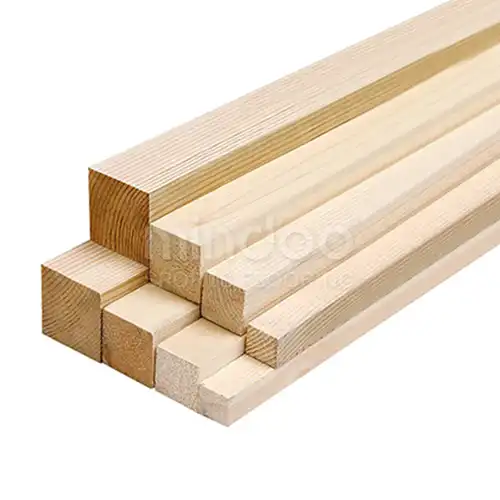
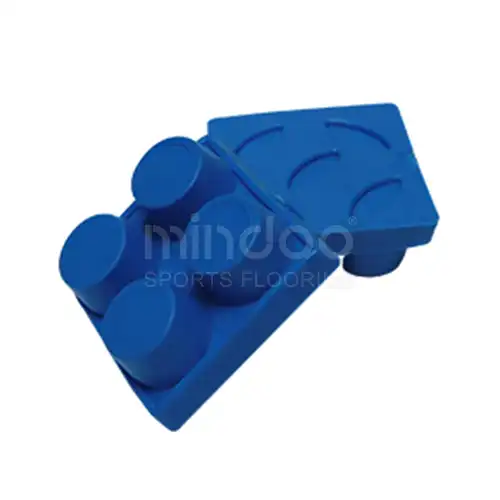
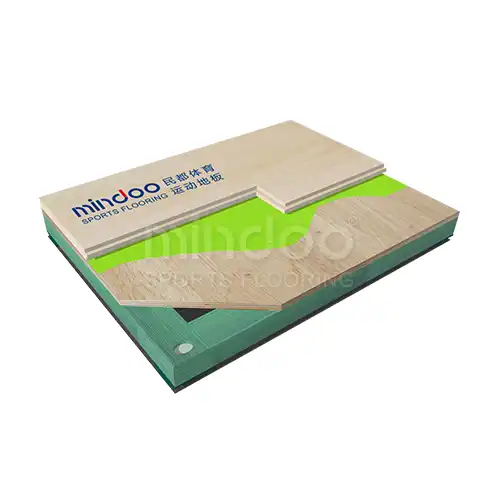
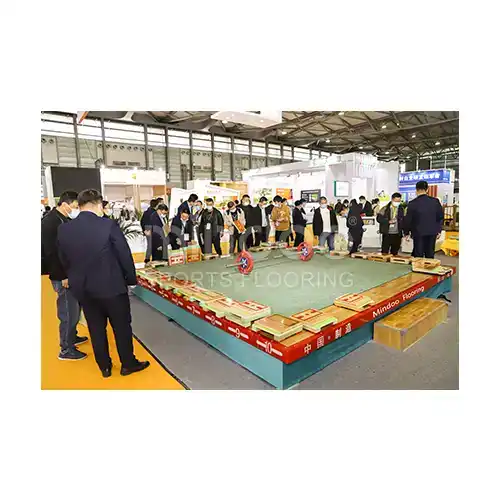
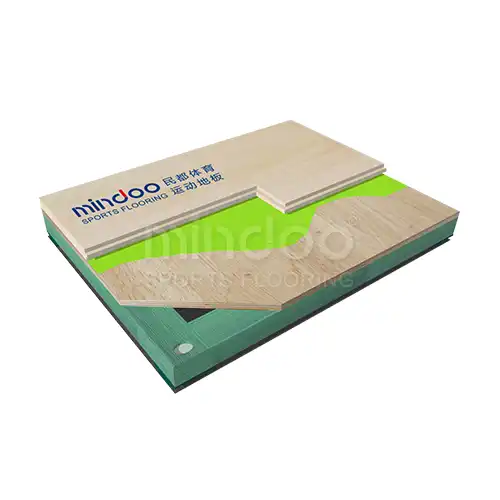
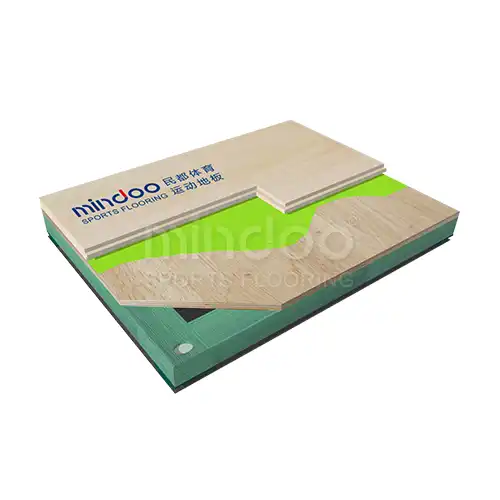
Today's competitive sports center industry offers beech sports flooring as an environmentally friendly solution. This hardwood is eco-friendly since it lasts, is created from green sources, and has a low environmental impact. Beech wood stores carbon and manages forests, unlike oil-based synthetics. Beech is ideal for purchasing managers that value performance and the environment since it satisfies both requirements. Sports facilities require items that fulfill environmental and commercial sustainability standards. Choose ecologically friendly flooring for more than simply compliance; it influences company costs, air quality, and building value. This detailed research examines beech wood's performance, environmental effect, and other helpful elements for a B2B customer seeking a sustainable sports floor with demonstrable outcomes.

Understanding the Eco-Friendliness of Beech Sports Flooring
Because beech trees grow fairly quickly, this wood is a great eco-friendly choice for sports flooring since it can be replaced more quickly than other types of hardwood. European beech forests grow back about 30% faster than oak or maple forests. This helps forest ecosystems stay healthy while also making sure that the needs of businesses are met. These forests are mostly handled by the FSC and PEFC certification programs.
Managing forests in a way that is environmentally friendly and carbon sequestration
If you take care of your beech forests, they can help a lot with carbon storage. For example, one cubic meter of wood from a grown beech tree stores about 1.83 tons of CO2 equivalent. Because of this natural ability to store carbon, beech sports flooring keeps sequestering carbon even when it's being used, which lowers the overall carbon footprint of the facilities that have it. Independent lifetime studies show that when you look at the whole process of making, shipping, and getting rid of them, wood flooring systems give off 40–60% less pollution than man-made options.
Benefits of Renewable Resources
Unlike man-made floors that are made from materials that come from limited fuel resources, wood is a truly sustainable building material. European beech woods use long rotation cycles of 80 to 120 years, which means they always have trees available without harming the environment. This green feature helps long-term buying security while complying with environmental rules that are becoming more strict for the construction and running of sports facilities.
Key Environmental Benefits of Beech Sports Flooring
Beech sports flooring is very helpful for protecting the environment because it is so durable and works well for a long time. Because the wood is naturally dense and strong, it doesn't need to be replaced as often. This saves materials and helps the environment over the lifetime of the building.
Indoor Air Quality and Low VOC Emissions
When the wood is properly finished with a water-based method, natural beech emits less than 0.3 mg/m³ of volatile organic compounds. This feature helps make living spaces better and also helps them meet high international standards for air quality, such as those for GREENGUARD Gold approval. Facilities that use wood floors instead of fake options that have formaldehyde or other chemicals report that athletes are more comfortable and have fewer breathing problems.
Biodegradability and Handling at the End of Life
When beech sports flooring can no longer be used, its natural makeup lets it fully biodegrade without leaving behind any harmful chemicals. On the other hand, beech flooring that has been taken out can be recycled into biomass fuel, particleboard, or other wood goods, which follows the ideas of the circular economy. This is very different from the problems with getting rid of fake flooring, which often needs special garbage removal or adds to landfill waste.
Long-Lasting Eco-Friendliness
Mindoo's engineered beech sports flooring has a top surface 22–30mm thick, which gives it great durability. It can bounce a ball back by at least 90% and absorb over 53% of the shock. These performance traits guarantee a 20 to 25-year service life even with heavy use in sports. This greatly lowers how often materials have to be replaced and the negative effects on the environment, compared to other options that need to be renovated more often.
Comparing Beech Sports Flooring With Other Eco-Friendly Options
When looking at different sports flooring options, beech has a good mix of environmental impact and performance. In fact, it does better than many natural and man-made choices in a range of sustainable tests.
A Comparison of Hardwood Types
Beech trees grow faster than maple and oak trees and produce more wood for each area of forest, making them more environmentally friendly. Maple trees need to be harvested when they're 60 to 80 years old, but beech trees meet similar business standards when they're only 40 to 60 years old. This lowers the need to use space for tree farming and allows for more frequent rounds of sustainable harvesting. In terms of performance, beech is as good as or better than maple when it comes to strength and the ability to be refinished.
Synthetic and Rubber Substitution Evaluation
Making synthetic sports floors usually requires materials made from oil, which causes 2 to 3 times more carbon emissions. Also, man-made materials often have plasticizers, preservatives, and other chemicals that make reusing and getting rid of them harder. Even though it has some recovered content, rubber flooring often uses new materials and chemicals that make recycling harder when the floor is done being used. Beech's natural makeup gets rid of these issues while still giving the same or better physical performance numbers.
Maintenance and Lifecycle Optimization for Eco-Friendly Use
To get the most environmental benefit from beech sports flooring, you need to use care methods that extend its life while using fewer chemicals and resources.
Eco-Friendly Ways to Take Care of Things
Sustainable beech floor upkeep focuses on organic cleaners and water-based protection treatments that keep the wood in good shape without adding dangerous chemicals. pH-neutral cleaning products keep surfaces looking clean and help people who want to improve the quality of air in their homes. Regular upkeep that focuses on preventive care greatly extends the life of flooring. For example, wood floors that are properly taken care of need major cleaning only every 8 to 12 years even when they are used for intense athletics.
Fixing vs. Replacing Plans
Because Beech flooring is made from solid wood, fixes and repainting can be done in areas to make the floor work well again without having to replace the whole system. Sanding and repainting damaged areas saves materials and keeps up with standards for sports performance. This system can be fixed instead of having to replace it entirely when it gets broken or old, which lowers its environmental impact by 60–80% compared to manmade systems that don't have to be repaired.
Procurement Considerations for Eco-Conscious Businesses
When procurement leaders look at beech sports flooring, they need to think about a number of technical and environmental factors to make sure that the most environmentally friendly results are achieved while still meeting performance needs.
Proof of Qualification and Verification of the Supply Chain
To make sure that beech wood is harvested responsibly and that the supply chain is open, the buyer should check for either FSC or PEFC certification. Mindoo only gets beech wood from European trees that have been approved, and they provide paperwork to support green building approval needs like LEED and BREEAM points. With our supply chain openness, customers can follow where materials come from and confirm environmental claims with the help of a third-party audit.
Technical Details and Efficient Use of Resources
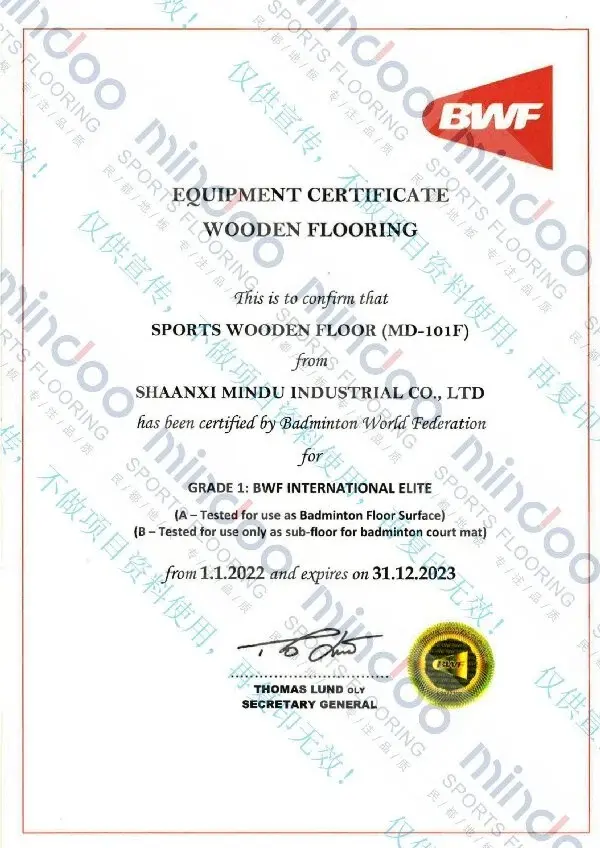
Finish choice, surface width (22–30mm choices), and total system height (90mm or 130mm setups) are important features that affect how well the system performs environmentally. Thicker top layers allow the surface to be refinished several times, which extends its useful life and lowers how often it needs to be replaced. Our systems, which are approved by FIBA and BWF, are made with engineering that makes the most of wood fiber, so they work perfectly while using as few materials as possible.
Analysis of Lifecycle Costs
A full review of beech wood must include the initial cost, the cost of keeping it in good shape, and its value at the end of its life. Some man-made options might be cheaper at first, but beech wood flooring lasts longer and can be refinished, so it has 25–40% lower total ownership costs over 20 years. Beech flooring also helps keep site assets valuable, and green building standards make the property more valuable and easier to sell in the long run.
Conclusion
Beech sports flooring is a great environmentally friendly option for new sports centers because it is made from a recyclable material and has great performance features. It grows very quickly, can store carbon, and is more durable than manmade options. These environmental benefits make it a better choice. Beech flooring meets the overall goals of sustainability by using responsible forest management, low VOC emissions, and full recyclability. It also gives the sports performance that owners of facilities want. Procurement managers looking for environmentally friendly materials that don't sacrifice quality should consider beech flooring. It has been proven to work well in many different situations and is certified internationally.
Frequently Asked Questions
Q1: How does beech sports flooring help buildings get "green" building certifications?
A: Beech flooring from approved sustainable woods provides reusable, low-emission materials that help meet LEED and BREEAM materials points and improve the total environmental score of a project. Our wood flooring is FSC approved, and it usually adds 2 to 4 points to a LEED score through the products and indoor air quality categories.
Q2: What care items do you suggest using to keep wood floors environmentally friendly?
A: We suggest using nontoxic and non-toxic cleaners, as well as water-based treatments that protect the wood without creating dangerous VOCs. Natural waxes and pH-neutral cleaners that keep surfaces working well will help you meet long-term environmental goals and standards for home air quality.
Q3: Is beech sports flooring a good choice for basketball and volleyball, which have a lot of impact?
A: Yes, our wood flooring systems meet the FIBA and BWF approval standards because they can absorb at least 53% of shocks and have a ball bounce of at least 90%. Because the wood is naturally hard and the design is well thought out, it works great for basketball, volleyball, and other tough sports while still being good for the environment.
Partner With Mindoo for Sustainable Beech Sports Flooring Solutions
Mindoo is a top maker of beech sports flooring that promises to be environmentally friendly while also exceeding performance standards. Our fully integrated factory maintains environmental standards and quality control from getting raw materials to the final installation. This allows us to offer reasonable prices. We have a lot of experience with a wide range of sports building projects, and we offer personalized solutions that meet your unique needs for environmental and physical success.
Our approved beech sports flooring systems meet international performance standards. They also help "green building" projects by using materials that are sourced sustainably and made with little pollution. As a trusted provider, we offer you a full range of professional support, fitting services, and ongoing upkeep advice to get the best environmental and performance results from your flooring investment. Talk to our knowledgeable staff to learn more about how eco-friendly beech sports flooring for sale can improve your space and help you meet your environmental goals. Contact us at sales@mindoofloor.com for detailed specifications and project consultation.
References
1. Forest Stewardship Council. "Sustainable Forest Management Standards for European Beech Production." FSC Technical Report Series, 2023.
2. European Commission. "Lifecycle Assessment of Wood Sports Flooring Systems: Environmental Impact Analysis." EU Environmental Research Publication, 2022.
3. International Federation of Basketball Associations. "Technical Specifications for Sustainable Sports Flooring Materials." FIBA Guidelines Document, 2023.
4. Green Building Certification Institute. "Material Credits and Indoor Air Quality Standards for Sports Facilities." LEED Reference Guide Update, 2023.
5. Sports & Fitness Industry Association. "Environmental Impact Assessment of Athletic Flooring Materials." SFIA Research Report, 2022.
6. World Wildlife Fund. "Sustainable Timber Sourcing: European Beech Forest Management Practices." WWF Conservation Report, 2023.