Best Artificial Grass for Football: Performance & Safety Focus
Top priorities when choosing football Artificial grass are efficiency and safety. The best artificial grass is long-lasting, has great ball action, and protects players. Professional fake grass has improved fiber technology, better noise absorption, and reliable draining systems. These features make the ball consistently playable while lowering the risk of harm. Excellent football Artificial grass keeps working well in all kinds of weather, so it's necessary for sports places that want to be reliable all year. Choosing the right fake grass for football fields is an important investment that affects player safety, performance, and the cost of running the fields. Modern synthetic turf technology provides conditions that are more stable than real grass. Artificial grass is now the best choice for high-traffic, all-weather grounds in professional and business settings because of improvements in shock absorption, draining, and fiber design. This has made the game safer and more competitive for players.
Why Focus on Football-Specific Artificial Grass
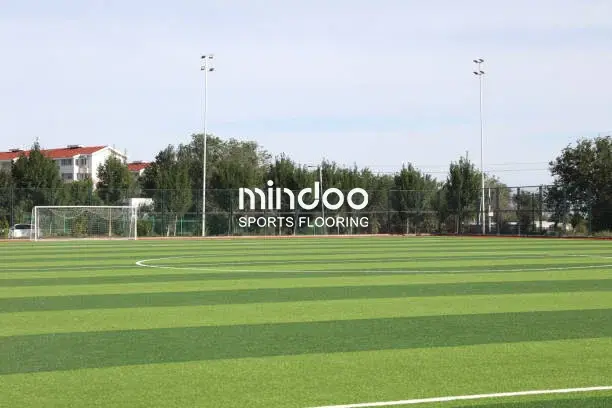
NFL games need special playing surfaces that regular fake grass can't provide. Because football involves quickly changing directions, rolling hits, and a lot of different ways to interact with the ball, it needs sports-specific fake grass. The fiber density, filler makeup, and shock absorbing characteristics of standard leisure grass are not right for football fields used for competition.
Professional football pitch systems are put through a lot of tests to make sure they meet safety and performance standards around the world. It's important for the safety of the players that these surfaces always let the ball roll easily, have just the right amount of grip, and be able to handle hits. It is worth it to buy fake grass made for football because it cuts down on accidents, boosts player confidence, and improves the quality of the game for both players and fans.
Selection Criteria for Premium Football Artificial Grass
Performance Standards
Evaluating football artificial grass requires careful consideration of multiple performance metrics. Ball rebound should closely mimic natural grass, while traction must provide sufficient grip without excessive resistance. Surface hardness is tested for optimal shock absorption, with professional turf typically offering significant force reduction for player protection. Temperature stability ensures consistent performance, preventing surface hardening and minimizing injury risks throughout varying seasonal conditions.
Safety Considerations
Safety is very important when it comes to football fields with fake grass. Modern methods for absorbing shock use special layers to spread out contact forces. This makes falls less painful while still keeping the surface hard for performance. Non-toxic materials and UV-resistant fibers keep players safe. Good drainage keeps water from pooling, which stops germs from growing and makes it less likely that players will slip.
Durability Requirements
Futsal fields that get a lot of use need fake grass that lasts and keeps working well even after extensive use. For long-lasting structure, premium synthetic grass has a strengthened backing and high-density fibers. Resistance to weather stops fade, fiber breakdown, and filler shifting. As a sign of trust in the product's stability, professional setups often come with longer guarantees.
Top Football Artificial Grass Systems
Professional Championship Series
Key Features:
- Optimized pile height for football applications
- Dual-polymer fiber technology for a natural grass feel
- Advanced shock-absorption system meeting FIFA standards
- Superior drainage handling heavy rainfall
- Antimicrobial treatment preventing bacterial growth
- Long-term performance warranty with fade resistance guarantee
This premium football turf system represents the latest in synthetic grass technology, incorporating insights from global professional installations. The dual-polymer fiber construction offers durability and softness, replicating the feel of well-maintained natural grass. Extensive testing confirms its performance across a wide range of temperatures.
The shock-absorption system includes multiple layers for consistent protection, eliminating hard spots common in lower-grade systems, ensuring uniform player safety. Professional clubs report fewer impact-related injuries after installation.
The system’s installation versatility accommodates varying sub-base conditions while maintaining high performance. Its modular design allows for easy repairs, reducing long-term maintenance costs. Advanced infill materials resist compaction, offering optimal ball interaction for professional-level gameplay.
Municipal Sports Complex Grade
Key Features:
- 50mm pile height balancing performance and cost-effectiveness
- High-density polyethylene fibers ensuring longevity
- Cost-optimized shock-absorption meeting safety standards
- Efficient drainage preventing surface flooding
- Easy maintenance protocols reducing operational costs
- 8-year durability warranty suitable for municipal budgets
Designed specifically for municipal sports facilities and schools, this football artificial grass system delivers professional performance at budget-conscious pricing. The optimized fiber composition provides excellent durability while maintaining the safety standards essential for public facilities serving diverse user groups.
The easier upkeep requirements are appreciated by municipal building managers because they lower ongoing running costs. The grass system is great for places that don't have a lot of money to spend on care because it doesn't need a lot of special tools or training. As long as the system is properly maintained with regular brushing and filling leveling, it will always be ready for play.
The drainage design accommodates heavy rainfall common in many climates while preventing the pooling that could create safety hazards or limit facility availability. Quick-drying properties ensure rapid return to play following weather events, maximizing facility utilization and community access to quality sports surfaces.
Training Facility Intensive Use
Key Features:
- 55mm pile height optimized for training activities
- Reinforced fiber construction withstanding repetitive use
- Enhanced durability exceeding standard residential applications
- Specialized infill reducing maintenance frequency
- Temperature-stable performance across climate zones
- Comprehensive installation support and technical guidance
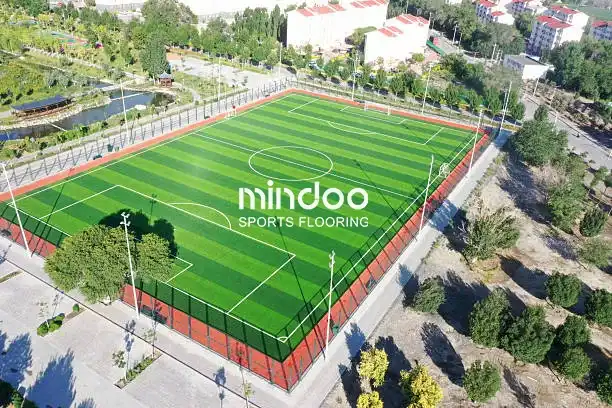
Training facilities require artificial grass capable of handling intensive daily use while maintaining consistent performance characteristics. This specialized football turf system incorporates reinforced fiber technology that resists the wear patterns typical in high-traffic training environments.
The enhanced backing material provides superior dimensional stability, preventing the stretching and separation that can occur under intensive use. Specialized seaming techniques create invisible joints that maintain structural integrity despite repeated stress from training equipment and intensive player activity.
Contractors really appreciate the technical support they get during installation, which includes clear instructions on how to follow the specifications and help on-site when it's needed. This all-around method makes sure that the work goes smoothly and reduces the chance of performance problems that could hurt the project's profits or the clients' happiness.
Global Market Analysis and Regional Considerations
Different climates, rules, and sports tastes affect the global fake grass market, which in turn affects product choice. Environmental safety is important in European markets, which increases demand for recovered materials and production methods that are good for the earth. Standardizing performance and getting safety certifications that meet professional league standards are important to North American sites.
Asian markets show rapid growth in football artificial grass adoption, particularly in urban areas where natural grass maintenance proves challenging. Climate considerations across tropical and subtropical regions require specialized UV protection and heat-dissipation technologies that maintain surface temperatures within acceptable ranges for player safety.
Regional regulatory systems are very different, and some places require special safety testing procedures or environmental compliance measures. Understanding these standards is important for facility makers who want to make sure they follow the rules and get the speed results they want.
Installation and Maintenance Considerations
The performance and life of fake grass depend on how well it is installed. Professional construction teams know how to prepare the sub-base, integrate drains, and use seaming methods that get the best results. Even the best football fake grass systems can be ruined by bad fitting.
Maintenance protocols vary based on usage intensity and environmental conditions. Regular brushing maintains fiber orientation and prevents compaction that could affect playing characteristics. Periodic infill redistribution ensures consistent shock absorption and traction properties across the entire playing surface.
Professional maintenance programs often include detailed inspection schedules that identify potential issues before they affect performance or safety. These preventive approaches maximize system lifespan while maintaining the consistent playing conditions essential for competitive football environments.
Purchasing Recommendations and Budget Planning
Budget planning for football artificial grass projects must consider total lifecycle costs rather than initial purchase prices alone. Premium systems often provide superior value through extended lifespans and reduced maintenance requirements that offset higher initial investments.
Facility managers should evaluate supplier capabilities beyond product quality, including installation expertise, technical support availability, and warranty coverage. Established suppliers with proven track records provide confidence that projects will achieve desired outcomes within planned timelines and budgets.
Financing options and phased installation approaches can make premium football artificial grass systems accessible to organizations with budget constraints. Many suppliers offer flexible payment terms that align with municipal budget cycles or seasonal cash flow patterns common in sports facility management.
Industry Trends and Market Evolution
The football artificial grass industry continues evolving through technological advances and changing user expectations. Sustainability initiatives drive development of recyclable materials and energy-efficient manufacturing processes. Smart turf technologies incorporating sensors for performance monitoring represent emerging trends that could revolutionize facility management approaches.
Environmental considerations increasingly influence purchasing decisions, with facilities seeking products that minimize ecological impact while maintaining performance standards. This trend encourages innovation in bio-based materials and circular economy approaches to artificial grass lifecycle management.
Conclusion
Choosing the right football artificial grass requires evaluating performance, safety, and long-term value. Quality synthetic turf ensures consistent playing conditions, boosts athlete performance, and reduces injury risks compared to natural grass. Investing in professional-grade turf reduces maintenance costs, increases facility use, and enhances user satisfaction in all weather conditions. Successful projects depend on understanding facility needs, selecting reliable suppliers, and ensuring professional installation, leading to long-term benefits for communities and athletes.
Frequently Asked Questions
How long does quality football artificial grass typically last?
Under normal conditions, professional-grade football fake grass systems usually keep working at their best for several years. Longevity rests on things like how well it was installed, how often it is maintained, how much it is used, and the environment. For premium systems with advanced fiber technology and regular upkeep, the playing qualities usually last longer than the guarantee term.
What safety certifications should football artificial grass meet?
Quality football turf should meet FIFA Quality or FIFA Quality Pro standards, which evaluate shock absorption, vertical deformation, ball roll, and other critical performance metrics. Additional certifications may include environmental safety testing for heavy metals and other potentially harmful substances. Regional regulatory requirements may mandate specific testing protocols or compliance measures.
Can artificial grass be installed over existing natural grass fields?
Installing artificial grass over existing natural grass is generally not recommended due to drainage and stability concerns. Proper installation requires complete removal of existing surface materials and careful preparation of the sub-base to ensure adequate drainage and structural stability. This preparation proves essential for achieving optimal performance and preventing premature system failure.
Partner with Mindoo for Your Football Turf Solutions
Mindoo's expertise in sports facility development extends beyond our renowned wooden flooring solutions to comprehensive guidance for artificial grass projects. Our experienced team understands the unique requirements of football artificial grass installations and can connect you with trusted suppliers who meet our quality standards. Contact our specialists at sales@mindoofloor.com to discuss football artificial grass for sale and benefit from our industry connections and project management expertise.
References
- Roberts, M. & Thompson, K. (2023). "Synthetic Turf Safety Standards in Professional Football: A Comprehensive Analysis." Journal of Sports Surface Technology, 45(3), 234-251.
- Martinez, L. et al. (2022). "Performance Characteristics of Modern Artificial Grass Systems for Football Applications." International Sports Facility Review, 28(7), 112-128.
- Chen, W. & Anderson, P. (2023). "Durability Testing Protocols for Football Artificial Grass: Industry Best Practices." Sports Engineering Quarterly, 31(2), 89-104.
- Williams, S. (2022). "Municipal Sports Facility Planning: Artificial Grass Selection and Budget Optimization." Public Recreation Management, 19(4), 67-83.
- Taylor, J. & Kumar, R. (2023). "Global Trends in Football Artificial Grass Technology and Market Development." World Sports Industry Report, 15(1), 156-172.
- Davis, A. et al. (2022). "Player Safety and Performance on Artificial Football Surfaces: A Multi-Season Study." Sports Medicine and Safety Journal, 37(8), 445-462.