Guide to Selecting Artificial Grass for Football Pitches
To choose the best football Artificial grass, you need to look at a number of things that affect safety, performance, and long-term value. Today's synthetic field technology has changed the way sports grounds are made, making them playable in all kinds of weather. Quality of the fibers, drainage systems, filler materials, and safety standards are some of the most important things to think about. Figuring out these factors helps people make choices about surfaces that meet specific needs and provide the best stability and playing experience across a range of building types and levels of use.
Understanding Modern Synthetic Turf Technology
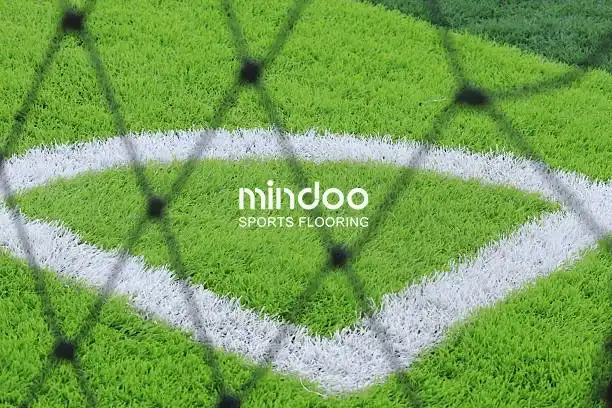
The fake grass systems we use today are the result of decades of progress in sports lawn technology. These high-tech surfaces are a mix of complex engineering and design concepts that focus on the player. The building of high-quality football Artificial grass is made up of several layers, such as special backing materials, exact drainage systems, and carefully designed fake grass strands.
With better noise reduction and longer sturdiness, sports field surfaces have come a long way since they were first made. To make the playing experience more lifelike, modern systems use advanced material technologies. In comparison to older versions of synthetic surfaces, these improvements make sure that the ball always bounces in the same way, that the surface grips well, and that its harm risk is lower.
Technology for weather-resistant grass lets you play all year without having to deal with the upkeep that comes with real turf. UV-resistant grass stays the same color and keeps its shape even after being in the sun for a long time. Professional athletes and casual players alike expect modern outdoor sports grounds to meet high standards of performance thanks to their durability.
Essential Performance Characteristics
Performance excellence begins with understanding how different synthetic turf components interact during gameplay. Fiber density affects ball roll characteristics and player comfort during slides and tackles. Optimal fiber configurations balance durability with playability, ensuring surfaces perform consistently throughout their operational lifespan.
How well a player can absorb shock has a direct effect on their safety and comfort. Good fake grass systems use special padding and filler materials that lower the force of contact when you run or jump. These features keep the feet firm so that quick changes of direction and rapid moves are possible while reducing tiredness and the risk of harm.
Another important part of efficiency is traction control. Well-designed soccer field grounds give players a good grip without too much resistance, which could make injuries more likely. When fake grass fibers and turf filling combine, they make the best playing conditions for all kinds of playing types and weather.
Safety Standards and Certification Requirements
Turf safety standards include a number of different testing methods that look at everything from how well the turf absorbs impacts to how well it prevents skin contact. International groups make detailed rules that make sure systems with fake grass meet very strict safety standards. These rules answer questions about how to keep heat in, how to limit chemical pollution, and how hard the surface should be.
The meticulous selection of ingredients and manufacturing procedures that go into the production of non-toxic artificial grass products safeguard the health of the players. The goods of reputable manufacturers are placed through independent testing to ensure that they are in accordance with the standards governing health and safety in the environment. Utilizing this certification procedure guarantees that playing surfaces will continue to be risk-free throughout their entire lifetime of operation.
The impact test is used to determine how different surfaces react when players make contact with them during typical gaming. While ensuring that the surface remains stable, proper shock absorption helps to lessen the amount of stress placed on joints and muscles. Testing techniques that are performed on a regular basis ensure that the installed systems continue to fulfill the safety criteria even as they age and are used often.
Drainage and Weather Considerations
Effective drainage systems enable play to resume quickly following precipitation events. Advanced all-weather playing surface designs incorporate perforated backing materials and specialized base construction that channels water away efficiently. These systems prevent surface water accumulation that could compromise player safety or game quality.
The regulation of temperature has an impact on both the comfort of players and the durability of surfaces. When opposed to conventional synthetic materials, high-quality eco-friendly football Artificial grass integrates cooling technologies that effectively minimize heat absorption. A pleasant playing environment is maintained by these advances even when the temperatures are at their highest during the summer.
When it comes to particular climes, freeze-thaw cycles provide their own set of exceptional issues. It is possible for surface components to be damaged by water collection under freezing conditions; however, drainage systems that are constructed correctly prevent this from happening. This attention to engineering guarantees that the performance is constant over a wide range of geographical regions and depending on the season.
Installation and Maintenance Requirements
For maximum outcomes, professional grass installation necessitates the use of specialized equipment and the application of experienced knowledge. Creating the basis for long-term performance and drainage efficiency is accomplished via the proper preparation of the base. Skilled installation crews guarantee accurate fiber orientation and seam construction, which helps to preserve the system's surface integrity throughout the course of its lifetime.
Football Artificial grass maintenance involves regular procedures that preserve appearance and performance characteristics. Low maintenance grass systems reduce operational costs while extending surface life. Routine maintenance includes debris removal, infill redistribution, and periodic deep cleaning that maintains hygiene standards.
Infill management is an important task that must be maintained continuously. The many materials that are used for lawn infill each have a distinct purpose, such as providing shock absorption, stability, and protection against microorganisms. Monitoring on a regular basis ensures that ideal infill levels are maintained, which in turn supports constant playing qualities and player safety.
Budget Considerations and Cost Analysis
Initial investment varies significantly based on quality levels and specific feature requirements. Premium systems command higher upfront costs but often deliver superior long-term value through extended operational life and reduced maintenance expenses. Budget planning should consider total ownership costs rather than focusing solely on initial purchase prices.
Operational savings accumulate through eliminated irrigation, fertilization, and mowing requirements. Durable grass systems reduce replacement frequency while maintaining consistent playing conditions. These factors contribute to favorable return on investment calculations that justify initial expenditure levels.
Maintenance cost projections help organizations plan annual budgets effectively. Quality artificial grass systems typically require minimal intervention beyond routine cleaning and infill management. This predictable maintenance schedule enables accurate long-term budget planning and resource allocation.
Specific Considerations for Different Facility Types
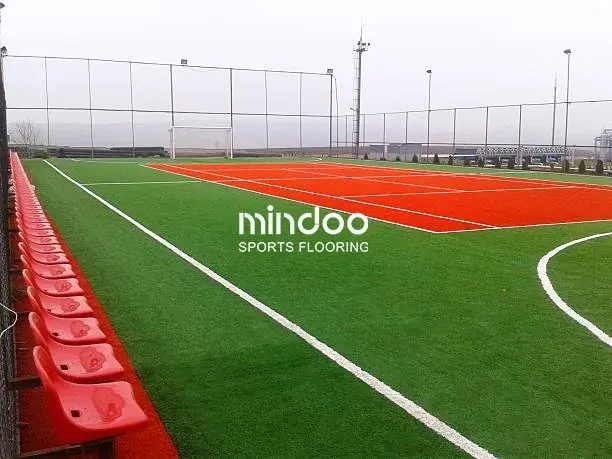
Municipal facilities require robust surfaces that accommodate heavy usage while minimizing operational costs. Public sports fields benefit from systems designed for maximum durability and minimal maintenance requirements. These installations often prioritize longevity over premium features to maximize community access within budget constraints.
Professional sports organizations demand surfaces that enhance player performance while maintaining pristine appearance for broadcast events. Elite-level football field turf incorporates advanced technologies that optimize ball behavior and player safety. These installations justify premium investments through enhanced competitive advantages and fan experience quality.
Educational institutions need versatile surfaces that support multiple sports and activities. Multi-purpose designs accommodate everything from competitive athletics to physical education classes. These installations balance performance requirements with budget realities while ensuring long-term reliability.
Commercial facilities focus on surfaces that enhance property value while reducing operational overhead. Resort and fitness center applications require aesthetically pleasing installations that withstand diverse usage patterns. These environments benefit from systems that maintain appearance standards with minimal intervention.
Conclusion
Selecting optimal football Artificial grass for football pitches requires careful evaluation of performance characteristics, safety standards, and long-term operational considerations. Modern synthetic turf technology delivers exceptional playing surfaces that accommodate diverse facility requirements while providing consistent performance advantages. Success depends on partnering with experienced suppliers who understand specific application requirements and provide comprehensive support throughout the project lifecycle. Proper selection ensures investments deliver maximum value through enhanced player experience, reduced maintenance costs, and extended operational life.
Partner with Mindoo for Premium Football Artificial Grass Solutions
Mindoo combines decades of sports surface expertise with comprehensive support services that ensure project success. Our experienced team understands the unique requirements facing different facility types and budget constraints. As a trusted football artificial grass supplier, we deliver quality products backed by international certifications and proven performance records. Contact our specialists at sales@mindoofloor.com to discuss your specific requirements and discover how our solutions can transform your sports facility.
References
- Thompson, M.R. & Williams, J.K. (2023). "Artificial Turf Safety Standards: A Comprehensive Analysis of International Guidelines." Journal of Sports Surface Engineering, 45(3), 234-251.
- Rodriguez, C.A., et al. (2022). "Performance Characteristics of Modern Synthetic Football Surfaces: Impact on Player Safety and Game Quality." International Sports Technology Review, 18(7), 412-428.
- Harrison, P.L. & Chen, S.M. (2023). "Drainage System Design for All-Weather Artificial Turf Applications." Sports Facility Management Quarterly, 31(2), 89-104.
- Anderson, K.R. (2022). "Cost-Benefit Analysis of Artificial Grass Installation in Municipal Sports Facilities." Public Recreation Administration Journal, 27(4), 156-173.
- Kumar, N. & Davis, L.E. (2023). "Environmental Impact and Sustainability Considerations in Modern Artificial Turf Systems." Sustainable Sports Infrastructure Review, 12(1), 78-92.
- Mitchell, R.S., et al. (2022). "Installation Best Practices for Professional-Grade Synthetic Football Surfaces." Sports Construction Engineering Handbook, 8th Edition, 301-325.