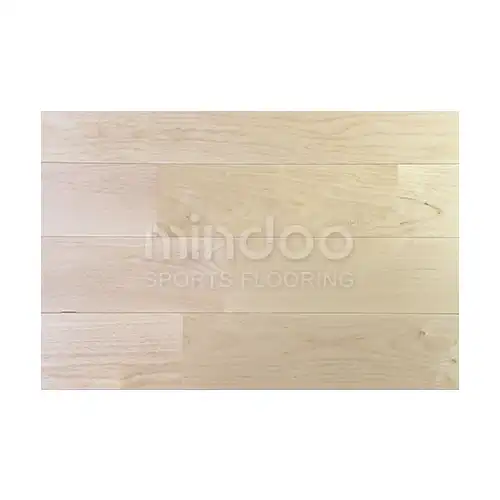
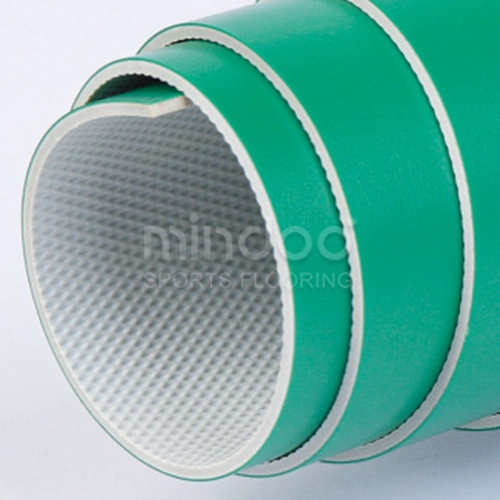
When you choose the best fake grass for your football field, the most important things to think about are how well it works and how long it lasts. Premium fake grass systems have steady usability, lower upkeep costs, and can be used all year. Today's fake turf is better than real grass at absorbing shock, draining water, and standing up to bad weather. Quality football artificial turf gives cities, sports clubs, builders, and site managers dependable grounds that keep working well for more than ten years.
Why Football Field Surface Selection Matters More Than Ever
The changes in football artificial grass have changed the way we build and take care of sports fields. Today's man-made fields work better than ever, solving the main problems that field managers around the world face.
Not being able to predict the weather is still ruining plans for sports. When it rains a lot, games can't be played on natural grass fields, so games are stopped and money is lost. You don't have to worry about this kind of stuff when you have a good fake grass carpet—new draining tech removes water in 30 minutes.
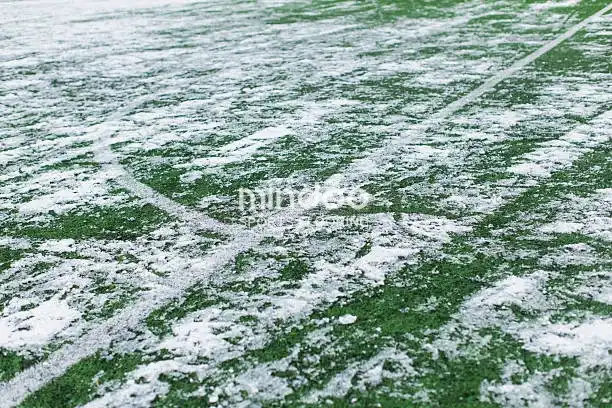
Every group that runs sports sites has to deal with budget problems. Traditional care means that you have to water, fertilize, and get rid of pests regularly, as well as reseed every season. These costs that happen every so often add up quickly and often go over the cost of installation in less than three years. Maintenance-free synthetic alternatives reduce operational expenses while improving field availability.
Many groups turn to football artificial turf because of worries about player safety. Today’s artificial grass for football has advanced systems for absorbing shock that can lower contact forces by as much as 50% when compared to hard surfaces. These man-made performance surfaces help keep people from getting hurt while making sure that the ball reacts the way it should.
Essential Selection Criteria for Premium Football Artificial Turf
It is important to consider a lot of different performance factors when picking the right fake grass. Our method for choosing items or services bases the decision on long-term worth, safety, performance stability, and longevity.
- Fiber Construction Quality: Premium polyethylene fibers with diamond-shaped profiles provide superior wear resistance. The dtex rating should exceed 15,000 for high-traffic applications. Monofilament construction offers better resilience than older fibrillated designs.
- Drainage Performance: Effective drainage systems must clear surface water rapidly. Backing materials should be able to soak up more than 500mm of water per hour. Even now, building a good sub-base is just as important for drainage in the long run.
- Temperature Tolerance: Field success in any kind of weather requires materials that can handle very high and very low temperatures. Good man-made fibers don't get too hard or too soft when the temperature is between -40°C and +60°C.
- UV Stability: Prolonged sun exposure degrades inferior materials. Premium artificial turf incorporates UV-resistant pigments and fiber treatments that preserve color and structural integrity for 8-10 years minimum.
- Installation Support: Reliable suppliers provide comprehensive technical assistance, from initial site evaluation through final inspection. Professional turf installation ensures optimal performance and warranty compliance.
Heavy-Duty Multi-Purpose Synthetic Grass Solutions
Multi-use man-made grounds meet the different needs of places that host a range of sports, events, and other activities. These adaptable systems are able to be durable, high-performing, and affordable for businesses that have to manage many different user groups.
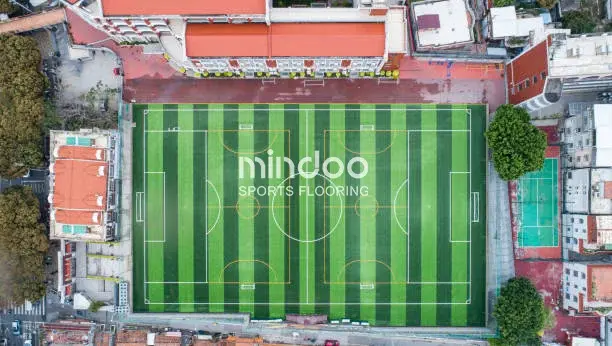
Design Features for Versatility:
- Medium pile height (35-45mm) accommodating different sports
- Reinforced fiber construction for high-traffic resistance
- Neutral color schemes suitable for various field markings
- Enhanced drainage capacity for outdoor installations
- Flexible roll dimensions for custom field configurations
These durable surface systems excel in municipal and educational environments where budget optimization remains essential. The construction methodology emphasizes longevity over specialized performance characteristics, delivering reliable service across diverse applications.
Fiber specifications typically feature polyethylene materials with dtex ratings between 12,000-15,000. While slightly lighter than premium systems, these materials still provide excellent wear resistance for most applications. The slightly lower fiber weight allows competitive pricing without sacrificing essential performance characteristics.
Drainage system integration becomes particularly important for multi-purpose installations. These fields often lack the specialized sub-base construction found in dedicated sports facilities. Enhanced backing permeability compensates for potential drainage limitations in existing installations.
Budget-Conscious Performance Turf Options
Inexpensive plastic grass meets the basic needs of frugal groups, and football artificial turf keeps working the way it should. These systems care more about safety and long-term performance than having a fancy appearance.
Value Engineering Approaches:
- Optimized fiber density reducing material costs
- Standard backing materials providing adequate performance
- Simplified color schemes minimizing production complexity
- Bulk availability for large-scale projects
- Streamlined installation procedures reducing labor costs
Systems that are focused on the budget usually use polyethylene strands with dtex scores of about 10,000 to 12,000. These materials are lighter than higher-end options, but they will still work well for years in normal circumstances.Proper maintenance extends service life significantly.
Backing construction emphasizes functionality over advanced features. Standard polypropylene backings with latex coating provide adequate dimensional stability for most applications. These materials meet safety requirements while maintaining competitive pricing.
Pile height optimization balances material costs with performance requirements. Heights around 30-35mm provide sufficient cushioning for player safety while minimizing fiber usage. This approach makes quality synthetic surfaces accessible to organizations with tight budgets.
Drainage capabilities remain adequate for normal weather conditions, though recovery times may extend beyond premium systems. Proper site preparation becomes more critical when using budget-oriented materials with standard drainage performance.
Global Market Characteristics and Regional Considerations
The worldwide football artificial turf market reflects diverse regional preferences, climate requirements, and regulatory frameworks. Understanding these variations helps organizations make informed purchasing decisions.
- Climate considerations significantly influence product selection. Tropical regions prioritize UV resistance and heat dissipation, while colder climates focus on freeze-thaw durability. Manufacturing specifications must accommodate these environmental challenges to ensure consistent performance.
- Regulatory frameworks vary considerably across international markets. European standards emphasize environmental sustainability and recyclability. North American regulations focus on safety performance and chemical emissions. Asian markets often prioritize cost-effectiveness while maintaining essential safety requirements.
- Regional sporting preferences influence design specifications. American football requires different performance characteristics than international football (soccer). Rugby, field hockey, and other sports create additional specification requirements for multi-purpose installations.
- Installation practices reflect local labor markets and technical expertise availability. Developed markets often feature specialized installation companies, while emerging markets may require additional technical support and training.
- Cultural preferences affect aesthetic choices and maintenance expectations. Some regions prefer highly manicured appearances, while others prioritize functional performance over visual appeal.
Purchasing Recommendations and Implementation Strategies
Successful artificial turf procurement requires careful planning and systematic evaluation of organizational needs, site conditions, and long-term objectives.
- Begin with comprehensive site assessment including drainage evaluation, soil conditions, and existing infrastructure. These factors significantly influence product selection and installation requirements. Professional site surveys identify potential challenges before they impact project timelines or budgets.
- Develop detailed specifications reflecting intended use patterns, performance expectations, and maintenance capabilities. Consider future needs and potential changes in facility utilization. Specifications should balance performance requirements with budget constraints.
- Request detailed proposals from multiple suppliers including product specifications, installation services, and warranty terms. Evaluate total project costs rather than focusing solely on material prices. Factor in long-term maintenance requirements and expected service life.
- Verify supplier credentials including manufacturing capabilities, installation experience, and financial stability. Request references from similar projects and conduct site visits when possible. Reliable suppliers provide comprehensive support throughout the project lifecycle.
- Plan installation timing considering weather conditions, facility availability, and user schedules. Allow adequate time for site preparation, material delivery, and quality assurance procedures. Rushing installation often compromises long-term performance.
Conclusion
When you pick a football artificial turf field, you need to think about how well it works, how much it costs, and your long-term goals. Premium monofilament systems work great for professional use, and flexible multi-purpose choices work great for a variety of venues. In jobs where the budget matters, these cost-effective options give you the performance features you need while keeping the quality high.
Careful planning, choosing the right sources, and professional fitting are all important for success. Working with makers who have a lot of experience will make sure you get help with every part of the job. High-quality fake grass makes the field more available and lowers the cost of field upkeep. Buying high-quality fake grass not only makes play safer and more efficient, but it also makes operations run more smoothly. Today's artificial grass is the way of the future for building sports fields. It is environmentally friendly and works well for groups around the world.
Frequently Asked Questions
Q1: How long does football artificial turf typically last?
A: Quality football artificial turf systems typically last 8-12 years with proper maintenance. Premium monofilament systems with UV-resistant fibers and quality backing materials often exceed 10 years of service life. Actual lifespan depends on usage intensity, maintenance practices, and environmental conditions.
Q2: What maintenance is required for artificial football fields?
A: Maintenance-free artificial turf requires minimal upkeep compared to natural grass. Weekly brushing maintains fiber orientation, monthly cleaning removes debris, and annual inspections identify potential issues. No watering, fertilizing, or mowing is necessary, significantly reducing operational costs.
Q3: How quickly can artificial turf fields be used after rain?
A: Quality drainage systems allow artificial fields to be playable within 30 minutes after heavy rainfall. Proper backing materials and sub-base construction enable rapid water penetration and removal. This all-weather capability eliminates weather-related game cancellations common with natural grass fields.
Partner with Mindoo for Premium Football Artificial Turf Solutions
Mindoo combines manufacturing expertise with comprehensive project support to deliver top-quality artificial turf solutions. As a trusted football artificial turf supplier, our vertical integration ensures strict quality control throughout the production process, while keeping competitive pricing for football artificial turf installations. International certifications and rigorous testing procedures demonstrate our commitment to global quality and safety standards, ensuring reliable performance across all product lines.
We offer competitive after-sales service, including technical support, maintenance guidance, and warranty management. Our dedicated team is available throughout the product lifecycle, ensuring optimal performance and customer satisfaction. For tailored artificial turf solutions to meet your specific needs, contact us at sales@mindoofloor.com.
References
- FIFA Quality Programme for Football Turf Handbook (2022 Edition), Fédération Internationale de Football Association
- ASTM F1936-10(2020) Standard Specification for Artificial Turf for Athletic Fields, American Society for Testing and Materials
- EN 15330-1:2013 Surfaces for Sports Areas - Synthetic Turf and Needle-punched Surfaces Primarily Designed for Outdoor Use, European Committee for Standardization
- FIFA Quality Manual for Artificial Turf Systems (2021), FIFA Quality Programme
- International Association of Athletics Federations Track and Field Facilities Manual (2019 Edition), World Athletics
- Sports Turf Research Institute Annual Report on Artificial Grass Performance Standards (2023), Sports Turf Research Institute