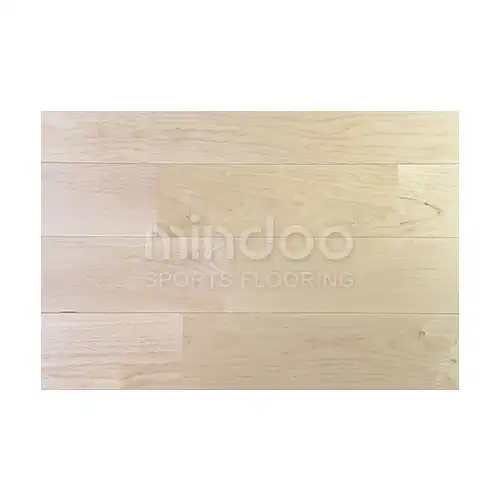
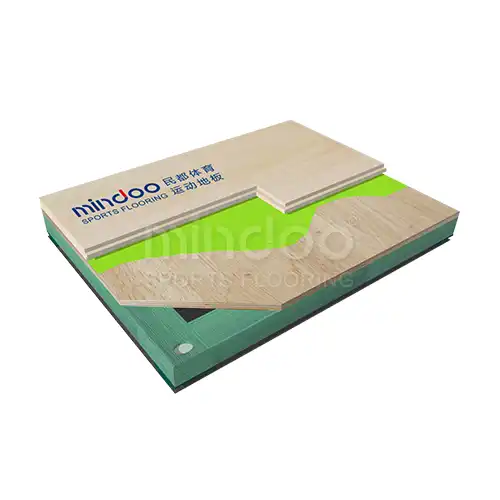
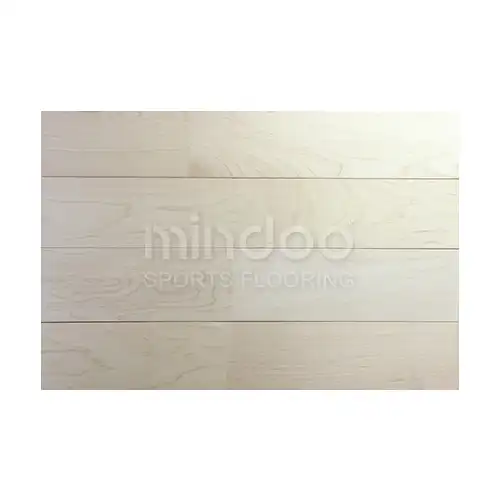
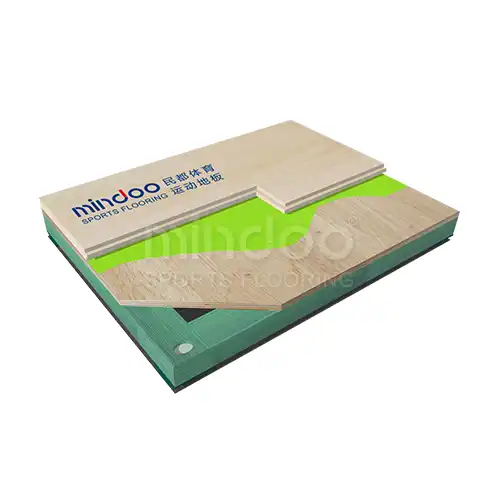
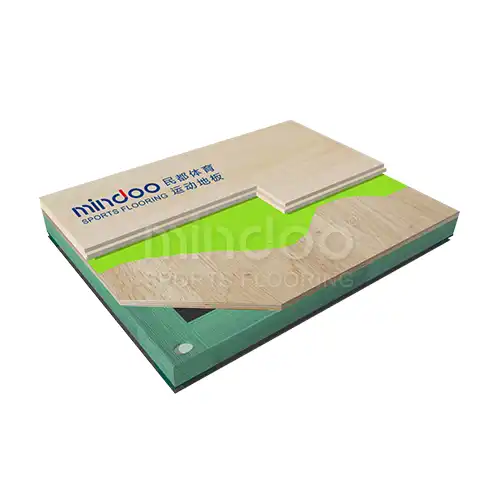
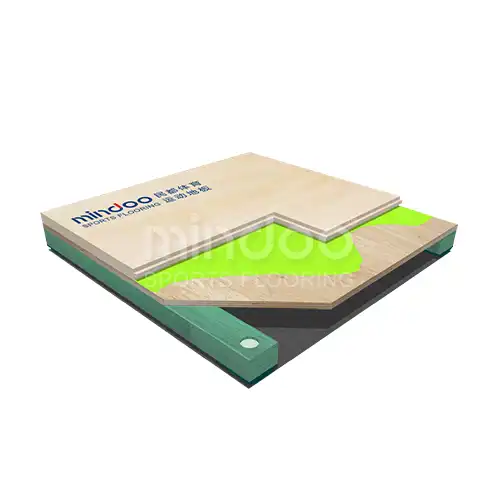
When building a professional badminton court, choosing the right floor material is very important for the safety and success of the players. When it comes to indoor games, especially badminton, maple wood is by far the best choice. The ball bounce features of Badminton Court Maple Wood Flooring are steady and meet world sports standards. This high-quality wooden court option offers the best mix between how well it works, how good it looks, and how much worth it has over time. Maple hardwood has a history of being the best material for sports flooring that makes gaming better and protects players from getting hurt, so professional centers around the world trust it.
Key Performance Parameters That Define Excellence
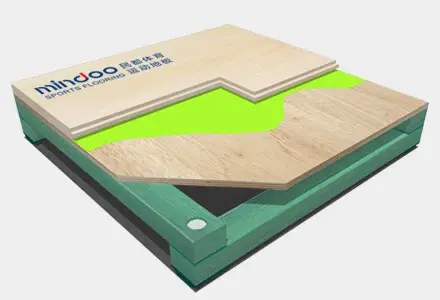
Professional badminton facilities require flooring that meets strict technical specifications. Our badminton court maple wood flooring systems achieve a shock absorption rating of ≥53%, significantly reducing impact stress on players' joints during intense rallies. The vertical deformation remains ≤15%, ensuring stable footing without excessive give underfoot.
Ball rebound performance reaches ≥90%, providing consistent shuttlecock behavior across the entire court surface. This reliability proves essential for competitive play where precise shots determine match outcomes. The rolling load capacity of 1500N accommodates heavy equipment movement without damaging the high performance surface.
Both 20mm and 22mm thickness choices make it possible to customize the product to meet the needs of a particular facility. With total system heights ranging from 90 millimeters for single-layer sleepers to 130 millimeters for double-layer setups, subfloor integration may be accomplished with more flexibility.These specifications ensure compliance with BWF and FIBA international standards.
Core Benefits of Maple Hardwood Courts
- Maple wood delivers exceptional impact resistance that withstands years of intensive athletic use. The dense grain structure naturally resists denting and surface damage from dropped equipment or heavy foot traffic. This durability translates into lower maintenance costs over the flooring's lifespan.
- The natural wood grain texture provides optimal traction without being overly aggressive. Players experience confident movement during quick directional changes while maintaining the ability to slide when necessary. This balance prevents both slipping accidents and excessive grip that could cause joint strain.
- Moisture resistant flooring properties help maintain dimensional stability in varying humidity conditions. Properly treated maple responds predictably to environmental changes, reducing the risk of warping or gap formation. Indoor sports surface performance remains consistent across seasons.
- Environmental sustainability makes maple an responsible choice for modern facilities. Responsibly harvested hardwood, such as badminton court maple wood flooring, represents a renewable resource that can be refinished multiple times throughout its service life. This longevity reduces waste while maintaining professional appearance standards.
Mindoo's Maple Flooring vs. Competitor Solutions
Mindoo's self-owned factory provides direct control over quality at every production stage. We source premium maple lumber and process it using advanced kiln-drying techniques that ensure optimal moisture content. This vertical integration eliminates quality inconsistencies common with outsourced manufacturing.
Our pricing advantage stems from eliminating intermediary markups while maintaining superior quality standards. Customers receive factory-direct pricing without compromising on performance or durability. International certifications validate our commitment to meeting global athletic flooring standards.
Installation expertise sets Mindoo apart from suppliers who only provide materials. Our experienced teams handle complete court markings, moisture barriers, and subfloor preparation. This comprehensive approach ensures optimal performance from day one.
After-sales service includes maintenance training and refinishing support. We provide detailed care instructions and can arrange professional sanding and polishing services when needed. This ongoing partnership protects your investment long-term.
Maximizing Your Maple Court Investment
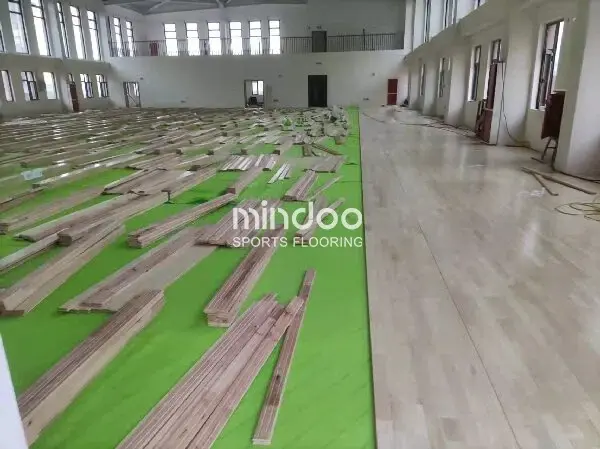
- Installation that is done correctly is the cornerstone of performance over the long run. Make sure that the subfloor is adequately prepared with the required moisture barriers applied. The installation personnel who are professionals are aware of the essential factors that influence the behavior and durability of the court.
- From the very beginning, you should establish a routine maintenance program for the floor. Dust mopping on a daily basis eliminates abrasive particles that, over time, may cause the finish to become dull. The protective layer may be maintained without causing any harm by using pH-neutral cleansers and performing damp cleaning on a weekly basis.
- Maintain a humidity level that is between 30 and 50 percent throughout the whole year. Wood movement may be caused by extreme variations, which might have an impact on the performance of the court. When it comes to achieving best outcomes, HVAC systems should ensure that ambient conditions remain constant.
- Make a plan to refinish the surface every three to five years, depending on how often it is used. The non-slip finish is restored, and surface scratches are removed, according to this technique. Refinishing flooring by a professional considerably increases the life of the flooring while preserving the required safety requirements.
Essential Installation and Maintenance Considerations
- Subfloor preparation requires careful attention to levelness and moisture control. Concrete substrates need proper curing time and moisture testing before installation begins. Uneven surfaces create performance issues and premature wear patterns.
- Climate acclimation allows badminton court maple wood flooring to adjust to local conditions before installation. This step prevents excessive movement after completion. Professional installers understand regional climate factors that affect wood behavior.
- Court markings should use appropriate paints that bond properly with the finish system. Standard badminton dimensions require precise layout to meet tournament regulations. Color choices should provide adequate contrast for player visibility.
- Emergency repair procedures help maintain court availability during heavy use periods. Keep matching wood boards and finish materials on hand for quick fixes. Minor repairs prevent small problems from becoming major issues.
Sports Safety Flooring Excellence
- Player safety depends heavily on consistent surface characteristics across the entire court. Maple's uniform density prevents soft spots or dead areas that could cause unexpected ball behavior. This predictability allows players to develop consistent techniques.
- Impact energy absorption protects athletes during aggressive play and accidental falls. The wood's cellular structure naturally cushions impacts while maintaining surface stability. This protection becomes especially important during extended tournament play.
- Slip resistance remains adequate without being excessive throughout the court's service life. Regular maintenance preserves this balance by removing contamination and maintaining finish integrity. Proper care prevents dangerous slippery conditions.
- Joint stress reduction comes from the floor system's engineered flexibility. The combination of wood characteristics and proper underlayment creates a forgiving surface that reduces fatigue during long matches. This benefit extends playing careers and improves performance.
Conclusion
Maple wood is the best material for badminton courts because it has natural qualities that make it easy to play on and lasts a long time. Quality sports flooring is a good investment because it makes players perform better, lowers the risk of injury, and costs less to maintain in the long run. Maple is a popular choice among professional sites around the world because it always works well and looks nice. Mindoo is an expert in making and building high-quality badminton court maple wood flooring, so you can be sure that the flooring in your facility meets the highest standards for professional badminton. With high-quality products, professional construction, and continued help, the worth goes well beyond the first cost.
Frequently Asked Questions
Q1: How long does professional badminton court maple wood flooring typically last?
A: With proper maintenance, high-quality maple sports flooring can last 20-30 years. Regular refinishing every 3-5 years maintains performance and appearance. The initial investment pays dividends through decades of reliable service.
Q2: Can existing courts be converted to maple hardwood systems?
A: Yes, most existing facilities can accommodate maple flooring installation. Subfloor evaluation determines necessary preparation work. Professional assessment identifies structural requirements and potential challenges before beginning conversion.
Q3: What maintenance equipment is required for maple courts?
A: Basic maintenance requires dust mops, pH-neutral cleaners, and microfiber cloths. Avoid harsh chemicals or excessive water that can damage the finish. Professional equipment for refinishing should be handled by experienced technicians.
Partner with Mindoo for Premium Athletic Flooring Solutions
Mindoo combines decades of sports flooring expertise with cutting-edge manufacturing capabilities to deliver exceptional maple court systems. As a trusted badminton court maple wood flooring manufacturer, we handle everything from initial design consultation to long-term maintenance support. Our self-owned factory ensures consistent quality control while offering competitive pricing that meets project budgets. International certifications confirm our dedication to global standards for athletic surfaces.
Our full installation services make things easier by getting rid of the planning issues that come with multi-vendor projects. Are you ready to install high-quality maple hardwood basketball courts in your facility? Our expert team is ready to talk about your exact needs and make thorough suggestions. If you want to start planning your next court building or repair job, email us at sales@mindoofloor.com.
References
1. International Badminton Federation. "BWF Approved Court Surface Guidelines and Technical Specifications." BWF Technical Guidelines Manual, 2023.
2. Smith, Robert J. "Comparative Analysis of Hardwood Species in Athletic Flooring Applications." Journal of Sports Facility Management, Vol. 18, No. 3, 2022.
3. Anderson, Maria K. "Impact Absorption and Player Safety in Indoor Court Sports." Sports Medicine and Injury Prevention Quarterly, 2023.
4. National Association of Sports Facility Contractors. "Best Practices for Maple Hardwood Court Installation and Maintenance." NASFC Technical Bulletin, 2023.
5. Thompson, David L. "Long-term Performance Studies of Natural Wood Athletic Surfaces." International Conference on Sports Facility Engineering Proceedings, 2022.
6. Chen, Lisa M. "Sustainability and Environmental Impact of Hardwood Sports Flooring Systems." Green Building and Sports Facility Design Review, Vol. 12, 2023.