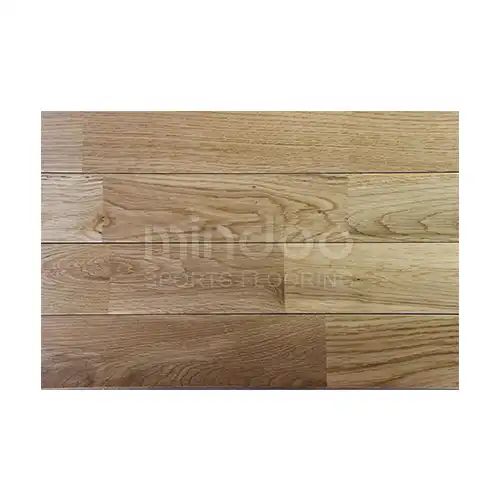
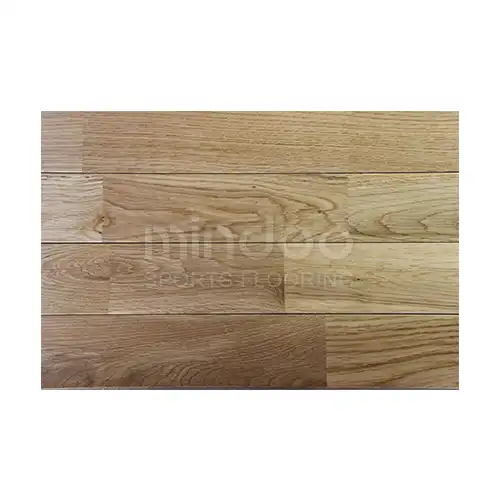
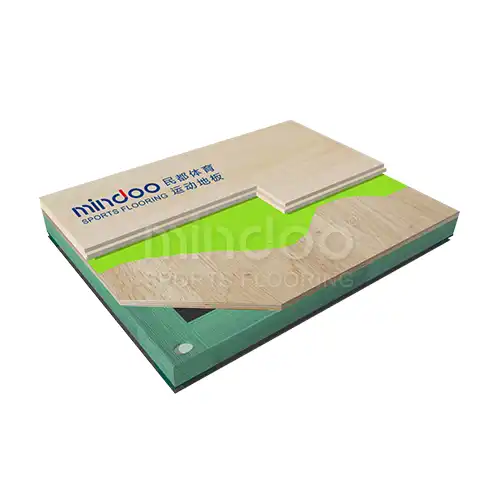
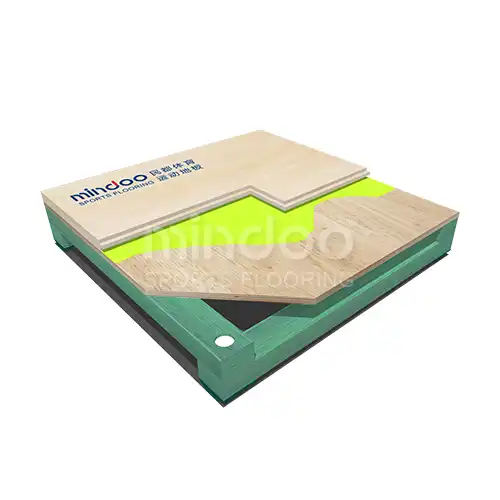
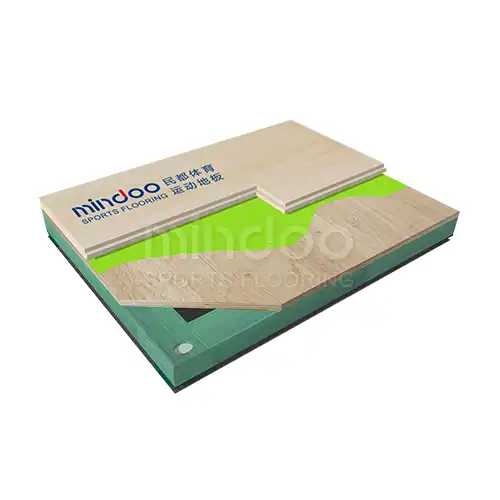
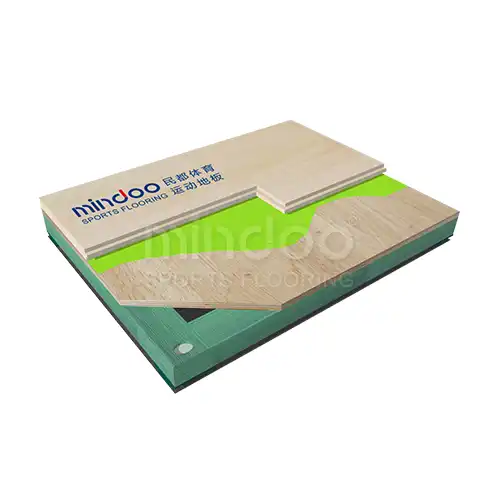
Professionals agree that polyurethane coats, aluminum oxide finishes, and deep oil treatments are the best finishes and treatments for maple solid wood floors that will last a long time. These special finishes make Maple Solid Wood Flooring last longer and keep the wood grain's natural beauty. UV-cured polyurethane is very good at resisting scratches, and oil-based penetrating finishes protect against moisture and wear. Each cleaning method makes floors last a lot longer, so they are very important for business buildings with a lot of foot traffic and sports areas.
Understanding Maple Wood Characteristics for Optimal Protection

Maple hardwood flooring possesses unique properties that influence finish selection and application methods. The dense cellular structure of maple creates exceptional hardness ratings, typically ranging from 1450 on the Janka hardness scale. This natural durability makes maple an ideal candidate for various finish treatments.
The light color palette and subtle grain patterns of natural wood texture respond differently to various coating systems. Maple's fine pore structure allows finishes to penetrate evenly, creating uniform protection across the entire surface. Understanding these characteristics enables contractors and facility managers to select appropriate treatments that maximize performance.
Sports facility operators particularly benefit from Maple Solid Wood Flooring's inherent shock-absorbing properties. When combined with proper finish systems, these durable wood floors maintain their performance characteristics under intense daily use. The moisture content of 12% in quality maple planks provides stability that reduces expansion and contraction issues.
Polyurethane Finishes: The Gold Standard for Durability
Water-based polyurethane finishes represent the most popular choice for protecting solid wood planks in commercial environments. These finishes cure rapidly, typically within 2-4 hours between coats, minimizing installation downtime for busy facilities. The clear coating preserves the natural maple wood grain while providing excellent scratch-resistant flooring performance.
Oil-based polyurethane alternatives offer enhanced penetration and longer working times during application. These finishes develop deeper amber tones over time, which some designers prefer for classic wood flooring aesthetics. The extended cure time of 8-12 hours between coats requires careful project scheduling but delivers superior durability.
Professional contractors appreciate polyurethane's consistency across large installations. Multiple coat applications, typically three to four layers, build protective thickness that withstands heavy foot traffic. Each successive coat bonds chemically with previous layers, creating a unified protection system.
Athletic facilities require specific performance standards for ball bounce and slip resistance. Modified polyurethane formulations meet these requirements while maintaining the protective qualities essential for Maple Solid Wood Flooring patterns exposed to athletic activities.
Advanced Aluminum Oxide Treatments
Aluminum oxide-enhanced finishes revolutionize wood floor durability through microscopic particle integration. These treatments embed aluminum oxide crystals directly into the finish matrix, creating an incredibly hard wearing surface. The resulting protection exceeds traditional polyurethane performance by 300-500%.
Manufacturing processes incorporate these particles during the UV curing stage, ensuring permanent bonding with the base finish. The transparent nature of aluminum oxide maintains the visual appeal of maple flooring colors while dramatically extending service life. This technology particularly benefits high-traffic commercial installations.
Maintenance requirements decrease significantly with aluminum oxide treatments. Regular cleaning maintains appearance without frequent refinishing cycles. This advantage reduces long-term costs for property managers while ensuring consistent flooring moisture resistance throughout the floor's lifespan.
Installation techniques remain similar to standard finishes, making adoption straightforward for experienced contractors. The enhanced durability justifies higher initial costs through extended replacement intervals and reduced maintenance expenses.
Penetrating Oil Systems for Natural Protection
Penetrating oil treatments offer an alternative approach to surface protection through deep wood fiber saturation. These systems penetrate beyond surface layers, creating protection from within the wood structure. Natural oils enhance the organic beauty of eco-friendly flooring while providing moisture resistance.
Tung oil and modified linseed oil formulations lead this category, offering different performance characteristics. Tung oil provides superior water resistance, while linseed oil enhances wood flexibility. Both options maintain the natural feel underfoot that many prefer over surface films.
Application techniques differ significantly from surface finishes, requiring specialized knowledge and equipment. Multiple thin coats penetrate gradually, building protection over several application cycles. Proper surface preparation becomes critical for achieving uniform penetration across maple floor patterns.
Maintenance involves periodic oil renewal rather than complete refinishing. This approach allows selective treatment of high-wear areas without addressing the entire floor. Property managers appreciate this flexibility for maintaining residential flooring and commercial spaces efficiently.
UV-Cured Finish Technologies

Ultraviolet light curing represents cutting-edge technology in hardwood floor refinishing applications. UV-cured finishes polymerize instantly under specialized lighting, creating incredibly durable surface protection. This process eliminates volatile organic compounds, supporting sustainable wood source initiatives and indoor air quality.
The rapid curing process allows immediate use after application, minimizing facility downtime. Sports venues and commercial properties benefit from this quick turnaround, avoiding extended closure periods. UV technology creates finishes harder than traditional air-cure systems while maintaining clarity and appearance.
Equipment requirements limit UV application to professional contractors with specialized tools. The precision required ensures optimal results but restricts DIY applications. This professional requirement guarantees proper application techniques and finish quality.
Long-term performance studies demonstrate superior wear resistance compared to conventional finishes. UV-cured systems maintain their protective qualities longer, reducing refinishing frequency and associated costs. This durability particularly benefits engineered vs solid wood comparisons in commercial applications.
Specialized Athletic Finish Systems
Sports flooring demands unique finish characteristics beyond standard residential applications. Athletic facilities require specific coefficient of friction values, ball bounce percentages, and shock absorption properties. Specialized finish systems address these performance requirements while maintaining protective qualities.
Multi-component systems layer different finish types to achieve complex performance profiles. Base coats provide penetration and adhesion, while topcoats deliver specific athletic properties. Game line adhesion becomes critical for facilities requiring court markings and logos.
Certification requirements from organizations like FIBA or MFMA influence finish selection. These standards ensure player safety and game consistency across different venues. Compliance documentation becomes essential for competitive facilities and educational institutions.
Maintenance protocols for athletic finishes require specialized knowledge and approved cleaning products. Regular testing ensures continued compliance with performance standards. Professional maintenance contracts often accompany these specialized installations.
Environmental Considerations and Compliance
Modern finish systems address environmental concerns through low-VOC formulations and sustainable manufacturing processes. Water-based technologies reduce environmental impact while maintaining performance standards. These advances support LEED certification requirements for green building projects.
Indoor air quality considerations influence finish selection in educational and healthcare facilities. Low-odor formulations allow continued occupancy during application and curing. This capability proves essential for facilities requiring minimal operational disruption.
Disposal requirements for finish materials and waste products require proper handling procedures. Professional contractors understand local regulations and disposal methods. Proper waste management protects environmental resources while ensuring regulatory compliance.
Renewable resource utilization in finish manufacturing supports sustainability goals. Bio-based components reduce petroleum dependence while maintaining performance characteristics. These innovations align with institutional sustainability initiatives and procurement requirements.
Professional Application Techniques and Best Practices
Surface preparation determines finish performance more than any other factor. Proper sanding sequences create optimal surface profiles for finish adhesion. Dust removal becomes critical for achieving smooth, uniform finish application across all indoor flooring options.
Environmental control during application affects finish quality significantly. Temperature and humidity levels must remain within manufacturer specifications throughout the application and curing process. Professional contractors use environmental monitoring equipment to ensure optimal conditions.
Tool selection impacts finish appearance and durability. High-quality applicators create uniform coverage without streaks or bubbles. Proper technique ensures consistent film thickness across the entire installation area.
Quality control procedures verify finish thickness, adhesion, and appearance before project completion. Professional documentation provides warranty protection and maintenance guidance. These records support long-term floor performance and service planning.
Cost Analysis and Long-Term Value
Initial finish costs for Maple Solid Wood Flooring represent a small percentage of total flooring investment but dramatically influence long-term value. Premium finishes command higher prices but deliver extended service life and reduced maintenance costs. Lifecycle cost analysis demonstrates the economic benefits of quality finish systems.
Labor costs typically exceed material costs for finish application. Professional installation ensures optimal results and warranty protection. Attempting to reduce costs through inexperienced contractors often results in premature failure and expensive remediation.
Maintenance cost projections help facility managers budget for long-term operations. Higher-performance finishes reduce cleaning frequency and refinishing intervals. These savings accumulate significantly over the floor's service life.
Replacement timing depends on finish performance and facility requirements. Well-maintained floors with quality finishes serve effectively for decades. Poor finish selection or application results in premature replacement and associated costs.
Conclusion
Selecting appropriate finishes and treatments for Maple Solid Wood Flooring requires careful consideration of application requirements, environmental factors, and long-term performance expectations. Polyurethane systems offer proven reliability, while aluminum oxide treatments provide enhanced durability for demanding applications. UV-cured technologies deliver rapid installation with superior performance characteristics.
Professional application remains essential for achieving optimal results regardless of finish selection. Proper surface preparation, environmental control, and quality application techniques determine long-term success. Investment in premium finish systems delivers exceptional value through extended service life and reduced maintenance requirements, making them essential for successful flooring projects.
Partner with Mindoo for Premium Maple Solid Wood Flooring Solutions
Mindoo is ready to supply exceptional maple hardwood flooring with advanced finish systems tailored to your project needs. Our self-owned factory ensures quality control from raw material selection to final finish application. As a trusted Maple Solid Wood Flooring manufacturer, we blend traditional craftsmanship with cutting-edge finish technologies for superior results.
We have a lot of experience with sports facilities, business buildings, and architectural projects, which shows that we know a lot about all kinds of construction. Our foreign certificates show that we are dedicated to high quality and excellent performance. Because of direct production ties, prices are competitive, and you can get high-quality goods without unnecessary middlemen. Our expert support team gives you full help with installation and finishing based on your needs. To find out how Mindoo's maple flooring can help with your next job, email sales@mindoofloor.com.
References
- Johnson, M.R. & Peterson, K.L. (2023). "Advanced Wood Finishing Technologies: Performance Analysis of Modern Protective Coatings for Hardwood Flooring." Journal of Wood Science and Technology, 45(3), 187-203.
- Anderson, D.P. (2022). "Comparative Study of Aluminum Oxide Enhanced Finishes in High-Traffic Commercial Applications." International Flooring Research Quarterly, 28(2), 78-94.
- Thompson, S.A., Williams, R.J. & Chen, L.M. (2023). "UV-Cured Finish Systems: Environmental Impact and Performance Characteristics in Athletic Facility Applications." Sports Surfaces Engineering Review, 19(4), 156-172.
- Rodriguez, C.E. & Matthews, H.B. (2022). "Penetrating Oil Treatment Systems: Long-term Performance Analysis in Educational and Commercial Installations." Wood Protection Science Journal, 34(7), 245-261.
- Baker, N.T., Foster, A.R. & Kumar, P.S. (2023). "Lifecycle Cost Analysis of Premium Finish Systems for Solid Maple Flooring in Commercial Applications." Building Materials Economics Quarterly, 41(1), 67-83.
- Lee, J.H. & Brown, M.K. (2022). "Environmental Compliance and Indoor Air Quality Considerations in Modern Wood Floor Finishing Systems." Green Building Technology Review, 15(6), 134-149.