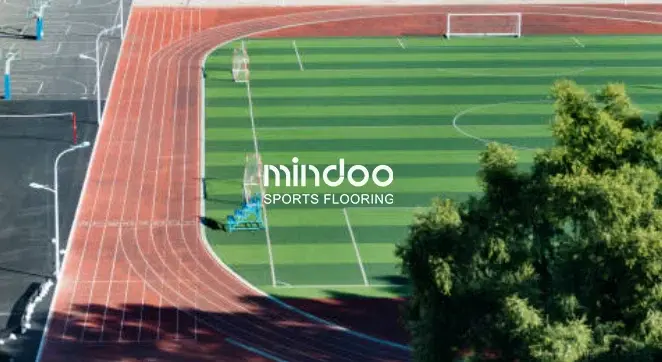
To make smart choices about current sports facilities, you need to know how much it costs to put football artificial turf. When put, high-quality fake grass usually costs between $8 and $15 per square foot, with top-of-the-line choices costing $20 per square foot. Depending on the details, how irrigation needs to be set up, and how much workers cost in the area, building a normal football field costs between $350,000 and $900,000. As cities, sports clubs, and schools see the long-term benefits of durable manmade grounds over the cost of keeping up with natural grass, market demand keeps going up.
Understanding Football Field Turf Investment Requirements
The first breakdown of capital investment
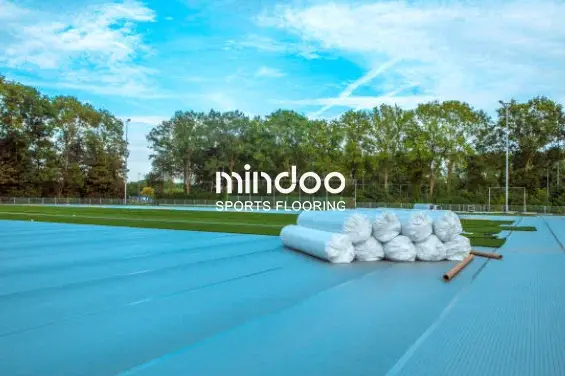
When professional soccer fields are made, they include more than just the fake grass. Getting the site ready usually costs 30% to 40% of the whole project's budget. It includes things like digging, leveling, and putting in a base. The real grass costs about 25% to 35%, and hiring professionals to put it adds another 20% to 25%. For playability in all weather, drainage systems are necessary and add $2 to $4 per square foot to the total cost.
Additional Things to Think About and Costs That Aren't Immediately Apparent
Smart managers of facilities make a budget that includes extra costs that are usually not thought about in the beginning. The price and efficiency of infill material varies. For example, organic materials can cost $2 to $3 per square foot, while rubber pellets cost only $0.50 to $1.50 per square foot. While not as much as real grass, some specialized tools for upkeep needs to be bought ahead of time, like professional-grade brushes and cleaning systems that cost between $15,000 and $30,000.
Regional Price Variations and Market Dynamics
Changes in cost by location
Installation costs depend on the area because of the rules there, how much it costs to ship things, and how many people are available to work. Urban stores usually charge higher prices, with cities and towns charging 20–30% more than country places. It can be hard and expensive to get the soil and draining systems right in coastal areas.
Pricing Patterns by Season
The time and cost of a job depend on the weather and the contractors who are available. There is a lot of demand for installations in the spring and summer, so prices are higher during those seasons. Projects in the fall and winter, on the other hand, may save you 10% to 15% of the cost. Planning works during off-peak times helps the budget go further and makes sure that healing time is long enough before heavy use starts.
Material Quality Impact on Long-Term Value
Cost Analysis Based on Performance
Premium polyethylene strands with UV protection technology require more money up front but keep the football artificial turf in good shape for longer. While newer materials can be used for 12 to 15 years, standard football artificial turf systems work best for 8 to 10 years. When you look at the whole lifetime of the system, the extra $2–3 per square foot for high-quality products is usually a good deal.
Features for Safety and Performance
Installing better shock absorbers on the field makes the game safer for everyone and may lower the risk of getting sued. Multi-layer backing systems with specialized pad integration add $1-2 per square foot but provide measured impact reduction. These safety improvements often make it okay for places that focus on player safety and risk management to charge more.
Maintenance Cost Projections and Operational Savings
Yearly Maintenance Needs
Today's fake grass blades need a lot less regular upkeep than real grass would. Standard football fields need expert care, grass cleaning, and small fixes. This kind of annual maintenance usually costs between $2,000 and $5,000. This is 80–90% cheaper than the cost of native grass upkeep, watering, and yearly renovations.
Savings on resources and utilities
Synthetic surfaces that don't need to be fixed get rid of the need for water for watering, fertilizer uses, and pest control treatments. For most setups, these saves on operations add up to $8,000–15,000 every year. Using less upkeep tools saves energy, which makes the economic case for manufactured options even stronger.
Financing Options and Budget Optimization Strategies
Creative Ways to Get Money
A lot of businesses use lease-to-own agreements or contracts based on results to deal with the money they need to pay at the start. Public buildings often get good interest rates on municipal bond financing, and private companies might be able to to get equipment funding. Some builders help spread the cost of big jobs over several budget periods by offering longer payment plans.
Value Engineering Chances
Making strategic changes to the specifications of a project can have a big effect on how much it costs, and as long as you don't change the most important performance aspects, it won't matter. Choosing the right pile height, filler material, and backing method based on how the item will actually be used will get the best performance out of it and spend the budget wisely. Getting a professional opinion during the design step often leads to big saves.
Return on Investment Analysis
Evaluation of measurable benefits
The lowered costs for upkeep and higher usage of professional sports fields with football artificial turf make them pay for themselves in about 5 to 7 years. Better timing makes it possible to make more money by offering more programs and hiring possibilities. Operation that isn't affected by weather avoids the costs of canceling events and having to reschedule them.
Intangible Value Factors
Besides making money, good plastic floors make the building more well-known and people happier with it. Consistent playing conditions help athletes grow and lower the risk of harm. These things help the group succeed in the long run, as well as support community involvement and the goals of using the building.
Environmental and Sustainability Factors
Advantages of Saving Water
When you use eco-friendly turf instead of wild grass, you don't have to water it, which can save more than 50,000 gallons a year. This conservation means big savings on energy bills, and it also helps projects that protect the environment. In addition to helping the job make more economic sense, some areas offer refunds or rewards for water-saving fixtures.
Things to Think About at the End of Life
Turf recycling programs are becoming more common to deal with environmental issues and may also save money on old setups. Today, manufactured materials are easier to recycle, and specialized businesses make new goods out of old grass. Planning for removal at the end of life during the first design stage helps make sure that the system is used in an environmentally friendly way during its whole lifetime.
Conclusion
Installing football artificial turf is a big investment, but it pays off in the long run by lowering upkeep costs, increasing usage, and making the field safer. The up-front cost of a full system is between $350,000 and $900,000, but the savings on running costs, the ability to use the facility more, and the steady performance usually make the investment worth it within 5 to 7 years. Strategic planning, choosing the right specifications, and skilled construction guarantee the best return on investment and give you stable, high-quality game grounds for decades. When organizations think about installing synthetic turf, they should think about the total cost of ownership instead of just the costs they pay at the beginning. This is because the benefits for the business often outweigh the differences in price.
Frequently Asked Questions
Q1: What causes the most difference in the cost of installing football artificial turf?
A: The main things that affect cost are the site preparation needs, how complicated the drainage system is, and the rules about material quality. Installation costs are also greatly affected by where the job is located and when it takes place, as well as whether there is work available in the area.
Q2: How do the costs of keeping fake turf and real grass healthy differ over ten years?
A: Taking care of synthetic turf usually costs 80–90% less than taking care of real grass over a ten-year period. Maintaining real grass costs $50,000 to $100,000 a year, but maintaining manmade grounds only costs $2,000 to $5,000 a year.
Q3: What kind of guarantee should people expect when they buy professional-grade football turf?
A: Good setups usually come with 8-year maker warranties that cover UV fade protection and fiber quality, as well as 2- to 3-year repair warranties. If you follow the right servicing rules, premium systems might give you security for an extra 10 to 12 years.
Partner with Mindoo for Your Football Field Investment
With decades of experience in sports facilities, Mindoo Industrial makes sure that every football artificial turf project gets the best performance and value for your money. Our vertically combined manufacturing method keeps prices low for big projects and ensures that quality stays high. We know the needs of cities, sports clubs, and schools that want long-lasting, affordable options because we have years of experience supplying fake turf.
Are you ready to see how high-quality football artificial turf for sale can change your building and lower the costs of running it in the long term? Our expert team gives you thorough cost analyses and design advice that is tailored to your needs. Contact us at sales@mindoofloor.com to schedule a consultation and discover why leading organizations trust Mindoo for their most important sports facility investments.
References
1. Sports Turf Management Association. "Annual Cost Analysis Report for Synthetic Athletic Surfaces." Sports Turf Management Quarterly, Vol. 45, No. 3, 2023.
2. International Association of Athletic Surface Installers. "Best Practices Guide for Football Field Construction and Installation Standards." IAASI Technical Publication, 2023.
3. American Sports Builders Association. "Synthetic Turf Systems: Performance Standards and Installation Guidelines." ASBA Professional Standards Manual, 2023.
4. Facility Management Institute. "Total Cost of Ownership Analysis: Natural vs. Synthetic Athletic Surfaces." FMI Research Publication, 2023.
5. National Recreation and Parks Association. "Municipal Sports Facility Investment and Maintenance Cost Study." NRPA Annual Research Report, 2023.
6. Synthetic Turf Council. "Environmental Impact and Sustainability Analysis of Modern Artificial Turf Systems." STC Environmental Study, 2023.