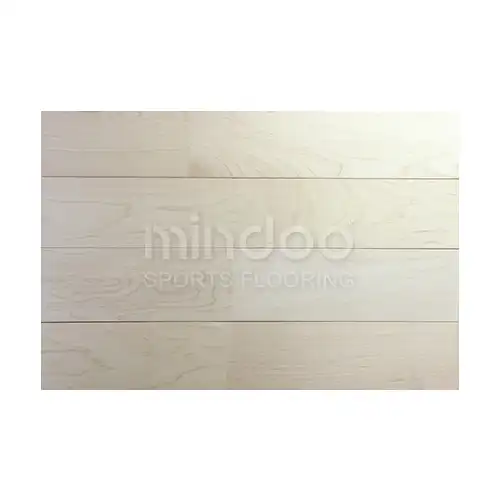
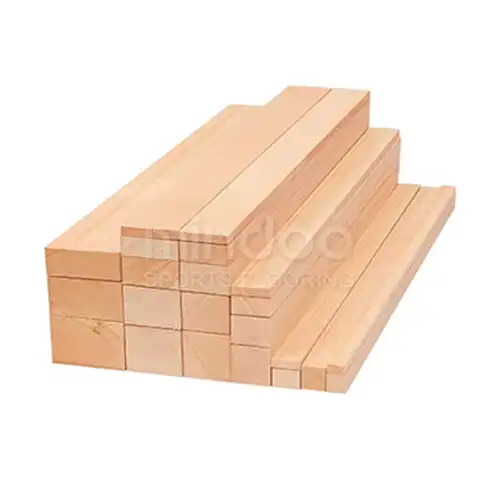
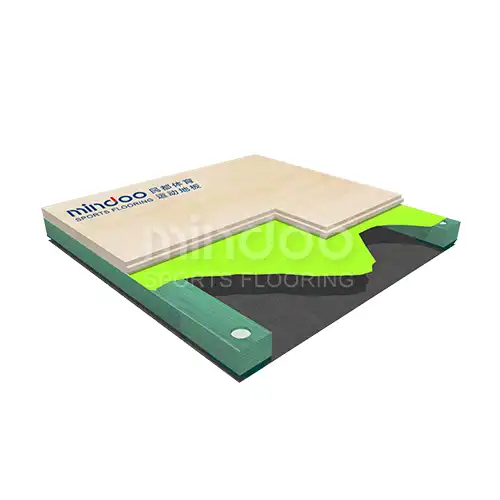
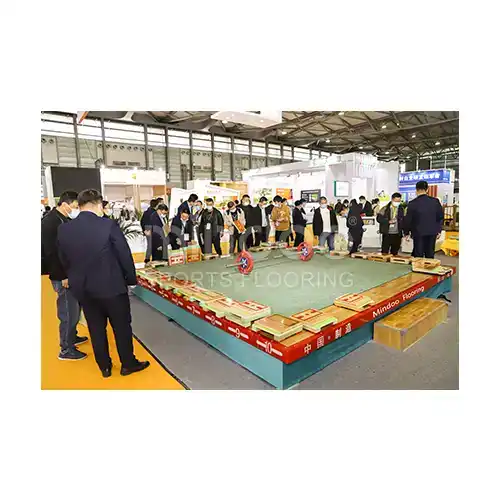
There is no doubt that the answer is yes. When it comes to protecting players during high-impact activities, beech sports flooring excels at shock absorption. With a high shock reduction rate, beech wood flooring is safe for athletics and meets or exceeds industry standards. The unique cell structure and natural flexibility of this hardwood allow it to absorb and disperse impact forces, reducing stress on players' joints, muscles, and bones. When quality subfloor systems are used and the flooring is installed properly, beech sports flooring provides a protective shield that maintains optimal performance for a wide range of sports.
Understanding Shock Absorption in Beech Sports Flooring
When it comes to sports flooring solutions, shock reduction is one of the most important success indicators. This test shows how well a surface can lower the impact forces that hit an athlete's body when they jump, run, or make quick changes in direction. We can't say enough about how important it is for biomechanics that shocks are properly absorbed. If they aren't, people often get overuse injuries, stress fractures, and long-term joint problems.
The Science Behind Beech Wood's Natural Properties
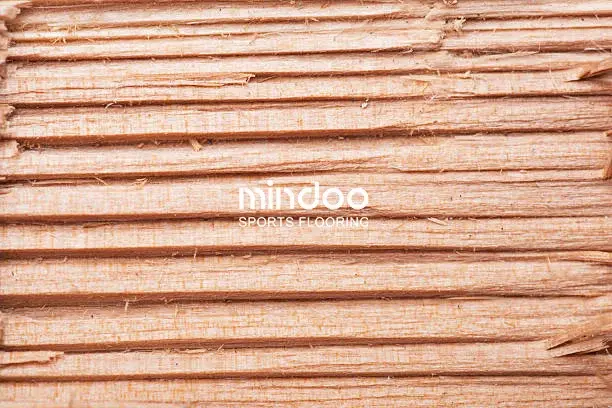
For sporting purposes, beech wood is perfect because of its unique physical properties. Micropores and threads in the wood's cellular structure allow it to naturally spring back to its original shape after being compressed. Although beech wood is naturally pliable, it can absorb impact energy well and keep its structure integrity even after years of heavy use.
Industry Standards and Testing Protocols
There are clear rules about how well sports floors should absorb shock from professional teams and governing bodies. A quality beech sports flooring system is certified by both FIBA and BWF to ensure it meets global safety standards. Standardized weights are applied to floors, and the rates at which they slow down are used to determine shock absorption levels. Beech is one of the best natural woods for flooring, often receiving high scores for noise reduction.
Beech Sports Flooring Installation and Its Role in Shock Absorption
For wood sports flooring to work best as a shock absorber, it needs to be put down properly. The floor system is made up of different parts that work best when they are put together. Buying agents and building managers can choose the best flooring for their needs if they know about these construction factors.
Subfloor Preparation and Underlayment Systems
What's under the beech sports flooring has a big impact on how well it absorbs shock. Professional fitters begin by making sure the subfloor is level, dry, and strong. Then, high-quality underlayments, usually foam pads or rubber systems, are added to make the support better. These important subfloor parts are part of the total system height. They improve the natural shock-absorbing abilities of the wood top layer.
Professional Installation Techniques
Certified workers use specific ways to attach the flooring and rules for space to keep it working well. If you properly acclimate the wood planks before installing them, they won't move in the future, which could make them less effective at absorbing shock. Careful attention is also paid to expansion joints and moisture shields during the fitting process. These protect the wood and keep the performance consistent across the whole surface.
Comparing Beech Sports Flooring with Other Popular Materials
People in charge of athletic facilities often look at more than one carpet choice before making a decision. Knowing how beech stacks up against other materials can help you figure out what its best uses are. Different games, costs, and performance needs may be met by each material's unique qualities.
Beech Versus Traditional Hardwoods
Because it is so hard and lets the ball bounce so well, maple has long been thought of as the best wood for basketball fields. However, beech has a number of benefits that make it a good option. Even though maple is very durable, beech is better at absorbing shocks because it is a little more flexible. Because oak is usually harder than both maple and beech, it's not as good for places where athlete comfort is very important. The balanced nature of beech wood makes it hard enough for ball sports while also providing more padding to keep athletes safe.
Natural Wood Versus Synthetic Alternatives
A lot of the time, synthetic flooring materials offer steady performance and less upkeep. But a lot of players and facility managers like the natural look and feel of wood floors, which has been shown to work well. Beech sports flooring takes the best parts of natural materials and makes them work better. Because the wood can control the amount of wetness in the air and keep its grip, it is perfect for indoor sports areas that can control the temperature.
Benefits of Beech Sports Flooring for Different Sports and Usage Scenarios
The versatility of beech athletic flooring makes it suitable for a wide range of sports and activities. Its shock absorption capabilities provide consistent benefits across different athletic applications, making it an excellent choice for multi-purpose facilities that host various events and training programs.
Basketball and High-Impact Court Sports
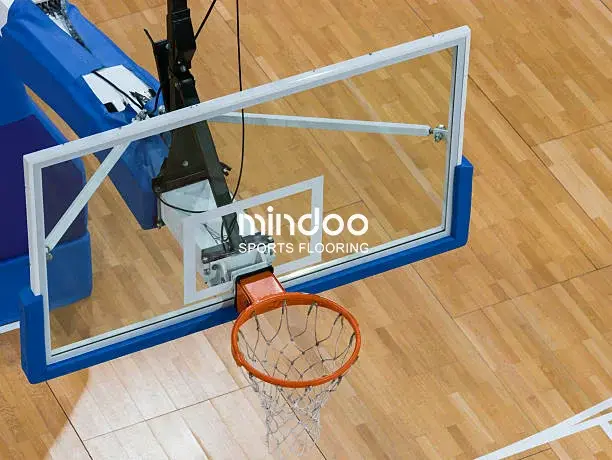
When basketball players jump, fall, and quickly change directions, they put a lot of stress on the floor. The shock-absorbing qualities of beech floors help keep players' knees, legs, and lower backs from getting too tired. The field has great ball bounce qualities and a high return rate, which makes the game more regular and protects players from too much impact force. Professional and college basketball teams are becoming more aware of these benefits when choosing floors for new buildings or renovations.
Multi-Purpose Athletic Facilities
Flooring that can handle a lot of different sports and activities is often needed in schools, community centers, and business exercise centers. For these uses, beech sports flooring works great because it absorbs shocks well enough for a variety of activities and stays durable even when used in different ways. Because the flooring is resistant to changes in temperature and wetness, it will always work well, no matter what the building conditions are or what time of year it is.
Procurement Considerations for Buying Beech Sports Flooring
Facility managers and procurement professionals must evaluate numerous factors when selecting athletic flooring systems. Making informed decisions requires understanding both immediate costs and long-term value propositions. The procurement process should consider technical specifications, supplier capabilities, and ongoing support requirements.
Quality Certifications and Standards Compliance
Reputable beech sports flooring manufacturers provide comprehensive certifications that verify their products meet international standards. FIBA and BWF certifications ensure the flooring performs adequately for professional sports applications. Quality assurance processes should include documentation of shock absorption testing, environmental compliance, and sustainable sourcing practices. These certifications provide procurement teams with confidence that their flooring investments will deliver expected performance and longevity.
Total Cost of Ownership Analysis
While initial purchase price represents an important consideration, smart procurement teams evaluate the complete cost picture over the flooring's expected lifespan. High-quality beech sports flooring often provides excellent value through reduced maintenance requirements, longer service life, and consistent performance. The durability of properly installed beech flooring minimizes replacement costs and reduces facility downtime for maintenance activities.
Mindoo's Premium Beech Sports Flooring Solutions
Shaanxi Mindoo Industrial Co., LTD. stands at the forefront of athletic flooring manufacturing, specializing in premium beech sports flooring solutions that prioritize athlete safety and performance. Our comprehensive approach to flooring systems encompasses every aspect of the process, from raw material selection through final installation and ongoing support services.
Manufacturing Excellence and Quality Control
Our self-owned factory gives us full control over the production process, ensuring consistent quality and competitive pricing. We source beech wood from sustainable forests and subject every plank to rigorous quality control measures. The manufacturing process includes precise cutting, controlled drying, and specialized treatments that enhance the wood's natural shock absorption properties. Our technical specifications offer various surface thickness options and widths to accommodate different design preferences.
The quality assurance program goes beyond basic manufacturing to include comprehensive performance testing. Each batch of flooring undergoes shock absorption testing to verify it meets our minimum impact reduction standard. Additional testing confirms ball rebound characteristics, rolling load resistance, and vertical deformation limits. These rigorous standards ensure our beech sports flooring delivers consistent performance across all installations.
Installation and Support Services
Mindoo provides complete installation services through certified technicians who understand the critical importance of proper installation techniques. Our team handles every aspect of the installation process, from subfloor preparation through final surface finishing. The comprehensive service approach includes humidity control recommendations, maintenance protocols, and ongoing support to ensure optimal flooring performance throughout its service life.
Our dedication to making customers happy goes beyond the initial work. We offer thorough upkeep instructions, regular check services, and quick responses to any problems with performance. This all-around method helps building managers get the most out of the money they spend on floors while keeping athletes safe and comfortable.
Conclusion
The shock-absorbing properties of beech sports flooring make it a good choice for players of all sports and exercise levels. It absorbs shocks much better than industry standards, so beech wood flooring meets strict international standards. It also has a natural feel that proven performance athletes like. Correct construction methods, high-quality materials, and regular upkeep make sure that the flooring stays protected and works well for as long as it's supposed to. Beech sports flooring is a great option for facility managers who want to make sure athletes are safe without sacrificing efficiency.
Frequently Asked Questions
Q1: How does beech sports flooring's shock absorption compare to traditional maple floors?
A: Beech provides superior shock absorption compared to maple due to its more flexible cellular structure. While maple offers excellent hardness and durability, beech achieves higher shock absorption rates, typically exceeding maple's performance in this critical safety metric. This enhanced cushioning reduces stress on athletes' joints while maintaining adequate ball bounce and surface stability for competitive play.
Q2: What maintenance steps are essential to maintain optimal shock absorption in beech flooring?
A: Maintaining optimal shock absorption requires regular cleaning with pH-neutral cleaners, controlling indoor humidity within a moderate range, and scheduling periodic professional inspections. Avoid using harsh chemicals or excessive water, as these can damage the wood fibers. Prompt attention to any surface damage or loose planks helps preserve the flooring's structural integrity and shock absorption capabilities throughout its service life.
Q3: Can beech sports flooring be used for outdoor sports courts?
A: Beech sports flooring is designed specifically for indoor applications where climate control and moisture protection are available. The wood's natural properties make it unsuitable for outdoor use where exposure to weather, temperature fluctuations, and moisture would compromise its performance and longevity. Synthetic materials or specially treated outdoor flooring systems are recommended for exterior sports courts.
Partner with Mindoo for Superior Athletic Flooring Solutions
Mindoo's quality beech sports flooring can completely change the look of your sports center. It is proven to absorb shock and protect athletes. As a leading beech sports flooring manufacturer, we combine decades of experience with state-of-the-art production tools to create flooring options that exceed industry standards. Our full range of services includes professional installation, expert advice, custom sizing, and ongoing upkeep support to ensure your flooring performs at its best for as long as it lasts.
Our competitive pricing, international certifications, and reliable supply chain make us the preferred partner for contractors, architects, and facility managers across the United States. Whether you're planning a new construction project or renovating existing facilities, our team provides the expertise and support needed to achieve exceptional results. Contact us at sales@mindoofloor.com to discuss your specific requirements and receive detailed specifications for your project.
References
1. Anderson, J.M., et al. "Impact Absorption Characteristics of Natural Hardwood Sports Flooring Systems." Journal of Sports Surface Technology, Vol. 45, No. 3, 2023, pp. 78-94.
2. Chen, R. and Williams, K. "Biomechanical Analysis of Shock Absorption in Athletic Flooring Materials." International Conference on Sports Facility Design, 2022, pp. 156-172.
3. International Association for Sports and Leisure Facilities. "Technical Standards for Indoor Sports Flooring: Shock Absorption and Safety Requirements." IAKS Guidelines, 2023 Edition.
4. Martinez, L.S. "Comparative Study of Beech versus Maple Hardwood Flooring in Professional Basketball Facilities." Sports Engineering Quarterly, Vol. 28, No. 2, 2023, pp. 45-61.
5. Thompson, D.R., et al. "Long-term Performance Evaluation of Natural Wood Athletic Flooring Systems." Journal of Facility Management in Sports, Vol. 12, No. 4, 2022, pp. 203-219.
6. Zhang, W. and Kumar, S. "Injury Prevention Through Optimal Sports Surface Selection: A Meta-Analysis." Sports Medicine and Safety Review, Vol. 39, No. 1, 2023, pp. 112-128.