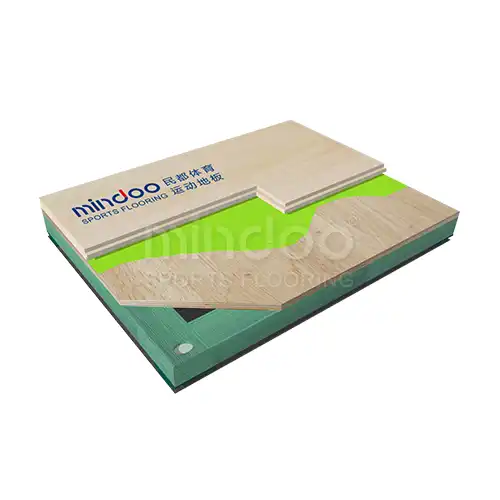
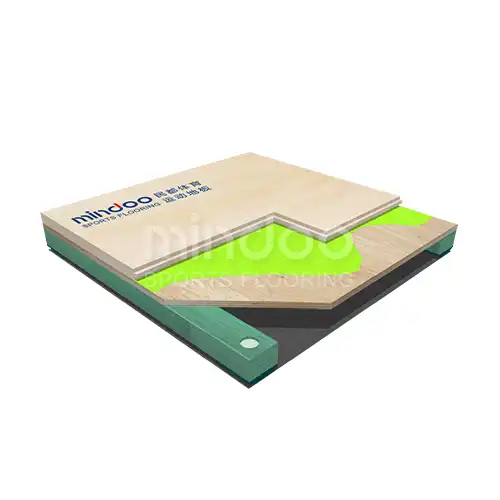
Carefully think about how long the maple will last, how well it performs, and how much it will cost in the long run when choosing the best grade for your sports floor. Due to its excellent hardness grade, uniform grain structure, and track record in high-traffic settings, Maple Wood Flooring stands out as the best option for sports venues. Different types of maple have different properties that affect how safe the athletes are and how long the facility lasts. This is true whether you're choosing materials for a new gym or fixing up an old one. For professional sports venues, the right grade choice strikes a balance between the original cost and the amount of upkeep that is needed. It also has to meet strict performance standards.
Understanding Maple Wood Flooring Grades for Sports Floors
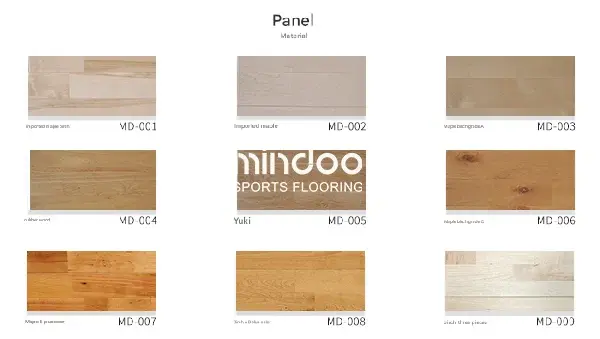
The grading system for sports flooring categorizes Maple Wood Flooring planks based on visual characteristics and structural integrity. Understanding these classifications is crucial when selecting materials that meet both aesthetic and performance requirements for your facility.
Standard Grading Classifications
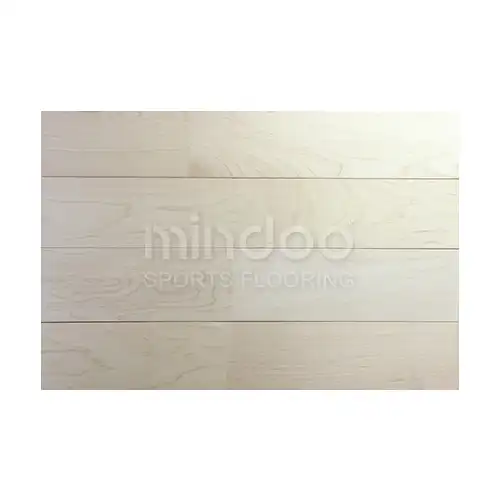
Professional sports flooring typically utilizes three primary grades: A, AB, and B classifications. Grade A represents the highest quality with minimal color variation and tight grain patterns, making it ideal for premier sports venues where visual consistency matters. AB grade offers a balance between quality and cost-effectiveness, containing slight color variations that many facilities find acceptable. B grade provides excellent structural performance while incorporating more natural character marks and color diversity.
Mindoo's Maple Wood Flooring comes in three grades with customizable dimensions ranging from shorter to longer lengths and moderate to wider widths. Our various thickness options accommodate different subfloor conditions and performance requirements, while maintaining the ideal moisture content that ensures dimensional stability.
Hard Maple Versus Soft Maple Distinctions
Hard maple, which is formally named Acer saccharum, has great performance qualities that are important for sports. Compared to soft maple types, this species has higher density and hardness grades. This makes it more resistant to damage from impacts and wear patterns. Due to its cellular structure, hard maple consistently bounces balls and absorbs shocks, which are important for players during competition.
Soft maple species, while suitable for certain applications, lack the structural integrity required for intense sports use. The distinction becomes particularly important when specifying flooring for basketball courts, volleyball courts, or multi-purpose gymnasiums where equipment impact and athlete safety are paramount concerns.
Key Performance Metrics to Evaluate Maple Grades
Performance evaluation requires analyzing specific metrics that directly impact both athlete experience and facility operations. These measurements guide procurement decisions and ensure compliance with sports governing body standards.
Janka Hardness Testing and Impact Resistance
The Janka hardness scale measures wood's resistance to denting and wear, with hard maple scoring well above the typical requirements for most sports applications. This rating ensures long-term durability and reliability. Impact resistance testing evaluates how flooring responds to dropped equipment, athlete contact, and rolling loads from maintenance equipment, ensuring the surface can withstand everyday stresses.
Mindoo's manufacturing process ensures consistent hardness across all grade levels through careful species selection and controlled kiln drying. Our UV lacquer finish adds an additional protective layer that enhances scratch resistance while maintaining the natural wood appearance that architects and facility managers prefer.
Dimensional Stability and Moisture Management
Moisture content control directly affects dimensional stability in sports environments where humidity levels fluctuate. Proper moisture management prevents cupping, crowning, and gap formation that can lead to safety hazards and maintenance issues. Professional-grade maple flooring maintains moisture content within an ideal range, with Mindoo's products standardized at a level that ensures optimal stability.
Temperature cycling tests demonstrate how different grades respond to seasonal changes and HVAC system variations. Higher grades typically show less movement due to tighter grain structure and more consistent density throughout each plank.
Comparing Maple Grades to Other Popular Sports Flooring Woods
Material selection involves comparing maple's performance characteristics against alternative wood species commonly used in sports construction. This analysis helps justify investment decisions and ensures optimal facility performance.
Maple Versus Oak Performance Characteristics
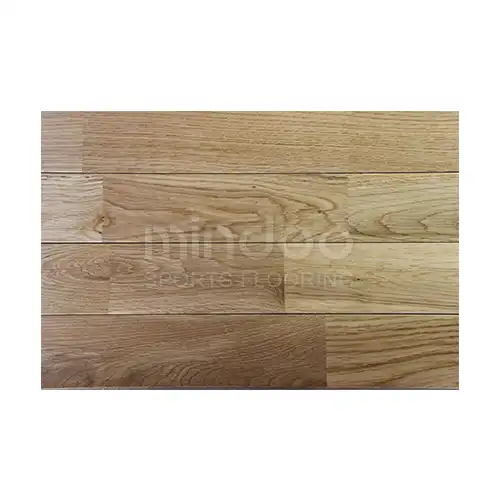
Oak flooring offers durability but exhibits different performance characteristics that may impact sports applications. Maple's closed grain structure provides smoother ball roll and more consistent bounce compared to oak's open grain pattern. The density difference results in maple delivering superior shock absorption and athlete comfort during extended play periods.
Cost comparisons show maple commanding premium pricing due to supply chain factors and processing requirements. However, the extended lifespan and reduced maintenance frequency often justify the initial investment through lower total cost of ownership calculations.
Engineered Versus Solid Maple Construction
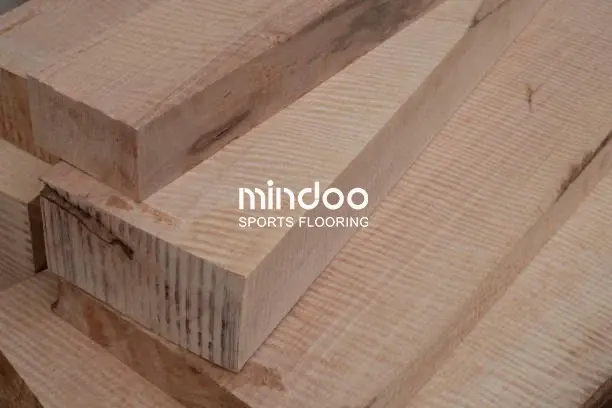
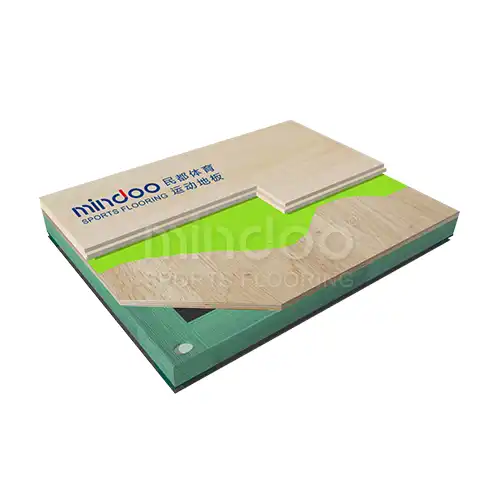
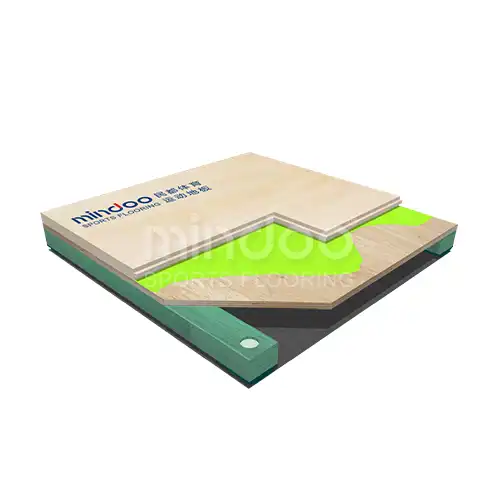
Engineered maple products offer installation advantages in challenging environmental conditions while maintaining performance standards. The layered construction provides enhanced dimensional stability and allows installation over concrete subfloors without extensive moisture barriers. Solid maple delivers maximum lifespan and refinishing potential but requires more controlled installation conditions.
Mindoo's Maple Wood Flooring construction utilizes precisely selected timber with natural strength characteristics that engineered alternatives cannot fully replicate. Our installation options include floating, glue-down, and nail-down methods to accommodate various subfloor conditions and facility requirements.
Procurement Considerations: Choosing and Buying the Best Maple Grade for Your Sports Floor
Strategic procurement requires balancing immediate project needs with long-term facility operations. Successful buyers evaluate multiple factors beyond initial material costs to optimize overall value.
Facility Assessment and Grade Matching
Traffic intensity analysis helps determine appropriate grade selection based on expected use patterns. High-traffic facilities benefit from Grade A materials that maintain appearance longer, while Grade AB or B may suit practice facilities or lower-traffic areas. Environmental factors including humidity control, heating systems, and ventilation affect material performance and influence grade recommendations.
Mindoo's technical team provides consultation services to help match grade selection with facility requirements. Our experience across diverse sports installations enables accurate recommendations that balance performance needs with budget constraints.
Supply Chain Management and Quality Assurance
Reliable sourcing relationships ensure consistent material availability and quality standards throughout project timelines. Vendor capabilities including inventory management, delivery scheduling, and technical support affect project success beyond material specifications. Quality certifications and testing documentation provide verification that materials meet stated performance standards.
Our self-owned factory enables complete quality control from raw material selection through final processing. This vertical integration eliminates intermediary markups while ensuring consistent product specifications across large orders. International certifications validate our quality management systems and provide confidence for specification writers and procurement managers.
Mindoo's Premium Maple Wood Flooring Solutions
Shaanxi Mindoo Industrial Co., LTD. specializes in premium wooden flooring for sports facilities, integrating all business sectors from production through installation and service. Our comprehensive approach ensures project success while delivering exceptional value to procurement managers and facility operators.
Manufacturing Excellence and Product Specifications
Our self-owned factory maintains strict quality control throughout the manufacturing process, from sustainable forest sourcing through final finishing operations. This vertical integration enables competitive pricing while ensuring reliable quality standards that meet international certification requirements.
Technical specifications include customizable dimensions with standard bundle sizes for efficient project planning. UV lacquer finishing provides durable protection while maintaining the natural wood aesthetics that architects and designers prefer. Color options range from natural maple tones to custom-matched specifications to suit unique design requirements.
Value-Added Services and Support
Beyond material supply, Mindoo provides comprehensive project support including technical consultation, installation guidance, and warranty coverage. Our extensive experience across diverse construction projects enables solutions for challenging installations and unique facility requirements.
Competitive pricing advantage stems from our direct manufacturing capabilities and efficient supply chain management. International certifications validate our quality systems while extensive project portfolio demonstrates proven performance across various sports applications.
Conclusion
When choosing the best type of maple for sports flooring, performance measures, building needs, and long-term business goals must all be carefully considered. For high-profile places, grade A materials look great and last a long time. For training facilities and practice areas, grade AB and B materials are more cost-effective. Knowing how grade traits relate to building needs helps people make smart purchasing choices that balance the original investment with the value over the product's lifetime. Mindoo has a wide range of production skills and technical knowledge that make them a reliable choice for sports center owners who want high-quality Maple Wood Flooring that has been tested and proven to work well.
Frequently Asked Questions
Q1: What is the ideal maple wood grade for high-traffic sports floors?
A: Grade A maple provides optimal performance for high-traffic sports environments due to its superior visual consistency, tight grain structure, and minimal defects. This grade offers maximum durability and maintains appearance longer under intensive use conditions typical in competitive sports venues.
Q2: How does engineered maple flooring compare to solid maple in sports applications?
A: Solid maple delivers superior longevity and refinishing potential for sports applications, while engineered maple offers enhanced dimensional stability and installation flexibility. Solid construction provides consistent performance characteristics throughout the plank thickness, making it the preferred choice for professional sports facilities.
Q3: Can maple wood flooring withstand impacts and scratches from sports equipment?
A: Yes, maple's high Janka hardness rating provides excellent resistance to impacts and scratches. Combined with proper UV lacquer finishing, maple flooring effectively withstands equipment drops, shoe scuffing, and rolling loads typical in sports environments.
Partner with Mindoo for Premium Sports Flooring Solutions
Procurement managers and facility operators seeking reliable Maple Wood Flooring suppliers benefit from Mindoo's comprehensive manufacturing capabilities and technical expertise. Our competitive pricing, international certifications, and extensive project experience ensure successful installations that meet stringent performance standards. With customizable specifications, reliable supply chain management, and comprehensive warranty coverage, Mindoo delivers value beyond material costs. Experience the advantages of working directly with a trusted manufacturer who understands sports facility requirements and provides ongoing support throughout project lifecycles. Contact us at sales@mindoofloor.com for detailed specifications, samples, and personalized consultation services.
References
1. National Wood Flooring Association. "Hardwood Flooring Performance Standards for Sports Applications." Technical Bulletin Series, 2023.
2. International Association of Gymnasium Equipment. "Maple Wood Grading Standards for Athletic Facilities." Construction Guidelines Manual, 2022.
3. American Sports Builders Association. "Wood Species Selection Criteria for Indoor Sports Surfaces." Technical Standards Publication, 2023.
4. Forest Products Laboratory. "Mechanical Properties of Wood Species Used in Sports Flooring Applications." Research Paper Series, 2022.
5. Sports Facility Management Association. "Lifecycle Cost Analysis of Wood Sports Flooring Materials." Industry Research Report, 2023.
6. Building Research Institute. "Moisture Management and Dimensional Stability in Athletic Wood Flooring." Technical Analysis Publication, 2022.