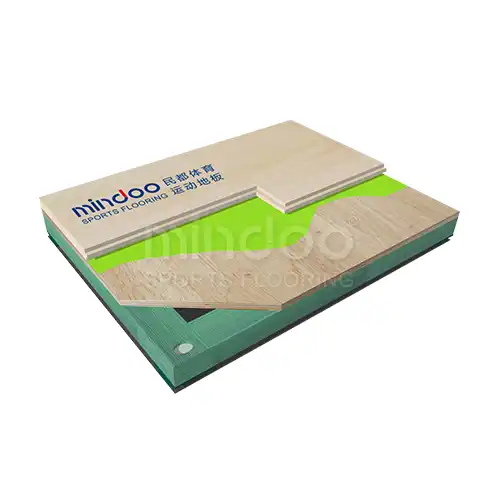
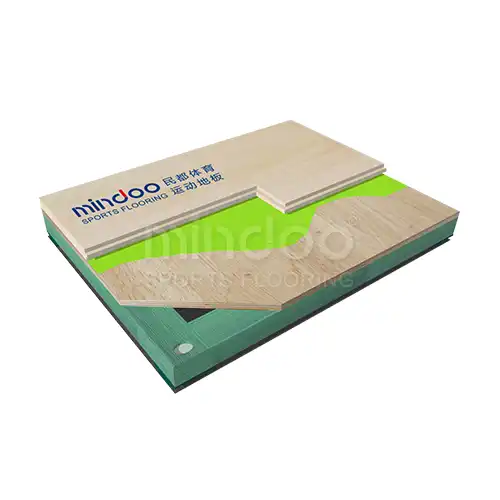
There is a careful process for putting game lines and logos on a wood basketball floor. This process includes getting the surface ready, using certain techniques, and covering the floor with long-lasting materials. Carefully choosing paints and coatings that work well with hardwood surfaces is the first step in this process. Next, professional methods like stenciling, screen printing, ordigital printing are used to apply the paint. The integration needs to keep the floor looking good and working well for a long time, even after it has been used for sports and regular cleaning.
Understanding the Challenges of Integrating Game Lines and Logos on Wood Basketball Floors
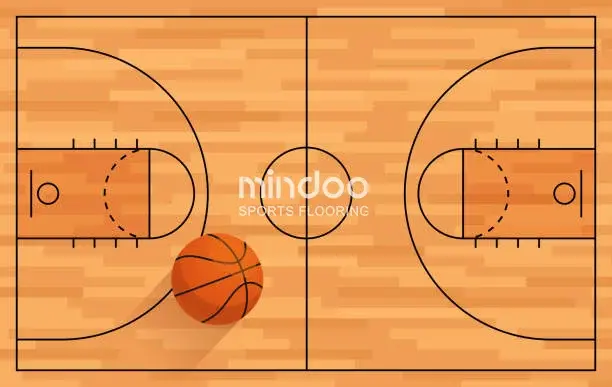
Putting graphics on hardwood sports surfaces is a unique technical challenge that needs special tools and knowledge. Different surface textures are caused by natural wood grain patterns, which can affect how well paint sticks and how consistent the color looks. To get even coverage and long-lasting durability, these differences mean that the surface needs to be carefully prepared and the right primer systems need to be chosen.
Problems that often happen when combining game lines and logos
The main problem with putting graphics on wood basketball floor is that wood surfaces aren't always the same. Hardwoods like maple, oak, birch, and beech have different grain patterns and levels of porosity that affect how well paint sticks and how deeply it penetrates the wood.
When standard paint systems can't handle the mechanical stress that comes from sports, durability issues arise. Impact forces from basketball players are very high during games. This can make surfaces rough, which can lead to graphics wearing off or chipping. Also, cleaning procedures that use commercial-grade tools and chemicals can wear off markings that were not applied correctly over time.
When graphic applications change the floor's certified properties, it has an effect on performance. FIBA and BWF-certified floors must keep certain shock absorption rates (≥53%) and ball rebound properties (≥90%) even after adding lines and logos.
Why integration problems happen
Most integration problems in sports flooring projects are caused by improper surface preparation. If you don't sand well, clean up the wood dust completely, or put on enough primer, the bonding points become weak, which causes the graphic to fail too soon.
When wood finishes and graphic systems are made of different materials, they don't stick together properly and colors run. Regular paints for walls and ceilings aren't flexible or long-lasting enough for sports floors, so they crack and peel when athletes hit them.
Installation mistakes happen when people don't know enough about the technical needs of wood sports flooring. Contractors who haven't had special training may put up graphics before the wood has had a chance to get used to them or may use the wrong temperatures and humidity conditions for the job.
Step-by-Step Process for Integrating Game Lines and Logos on Wood Basketball Floors
Professional integration uses a methodical approach that makes sure both the quality of the look and the performance are met. This process starts with a full inspection of the surface and ends with the application of a protective coating that will last for a long time.
Preparing and evaluating the surface
When you look at the surface of wood, you can see the grain patterns, the amount of moisture, and the finish conditions that affect how well the graphic will stick. Professional installers use calibrated meters to check the moisture levels in the wood to make sure it has properly adapted before they start working on the graphics.
For the best paint adhesion, the surface needs to be prepared by sanding it gradually using the right grit sequences. Usually, coarser grits are used to remove old finishes, and then finer grits are used to prepare the surface for a smooth finish. Cleaning the surface completely gets rid of all the wood dust and other things that could damage the primer's bond.
Which primer to use depends on the type of wood and the graphic system that will be used. High-quality primers made for sports floors give the flooring better adhesion and stop tannins from some hardwood species from bleeding.
Tips on How to Use Game Lines
Precision masking and high-quality sports flooring paints are used in traditional painting methods. These paints are applied with professional spray equipment or special brushes. This method gives you a lot of control and lets you match colors in a way that fits the needs of your team or facility.
Modern screen printing methods make it possible for large court areas to have the same line width and color density. Standard court markings work especially well with this method, and it lasts longer than brush-applied systems.
Laser etching technology leaves permanent marks on wood by carefully cutting away thin layers of wood to make logos and lines. This method gets rid of concerns about paint durability, but it needs special tools and skilled workers to use.
Using Logos exactly as planned
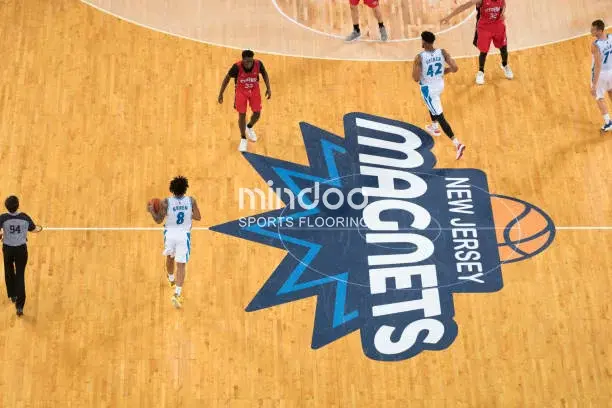
To keep the logo's accuracy and give the project a professional look, making a custom stencil requires careful design transfer and cutting. Computer-controlled cutting systems make stencils that are the same size and have clean edges for many uses.
When it comes to color retention and mechanical resistance, high-performance coatings made just for sports floors are the best. These special paints stay flexible while sticking very well to wood surfaces that have been properly prepared.
Thanks to improvements in digital printing, complex graphics can now be printed directly on wood surfaces using special inks and glues. This technology can handle complex designs and photographic images while still being durable enough for use in sports.
Finishing and coverings that protect
The choice of polyurethane finish has a big effect on how long graphics last and how well the floor works overall. Professional-grade finishes made for wood basketball floor are more resistant to wear and tear while still having the right amount of friction for safe play.
A strong barrier system made of several protective layers keeps both the wood substrate and the graphics from getting damaged by impact and water. To get the right chemical bonding and even thickness, the application process needs to be very precise about when to apply each coat.
Materials and Technologies for Quality Integration
The choice of material has an immediate effect on the look of the graphics and a long-term effect on how well they work on basketball courts. You can make good decisions that help your project succeed if you know how different systems work and what features they have.
The best kinds of wood for appearance and strength
Hard maple is still the best choice for building basketball courts because it has a uniform grain structure and good dimensional stability. The surface of this species is always the same, which makes it easy to apply graphics evenly and makes sure it lasts a long time. Maple's light color makes logos more visible and makes sure that the colors are correct.
Engineered wood systems have consistent substrate properties and control over surface preparation, making them better for graphics. These products solve many of the problems that come with solid wood, but they still look and work like professional sports wood.
Paints and coatings that are effective
The special resins and extras used in paint systems for sports floors help them stick better, be more flexible, and last longer than regular architectural coatings. Even when they are stressed out mechanically and their temperature changes like they do in sports facilities, these mixtures keep their properties.
More people are worried about the environment, but green formulations work as well as traditional ones. Choices that are low-VOC and water-based help get the sustainable building certification and make the air inside better.
The latest progress in integration tech
UV curing technology allows for the creation of cross-linked polymers, which speeds up the curing time of finishes and makes them last longer. This approach makes the project take less time and makes it last longer against cleaning chemicals.
Spray systems and other high-tech application tools that are run by computers make sure that everything is covered evenly and that there is less waste of the materials being used. To get the best results, these technologies let you have exact control over how thick the film is and how it is applied.
Maintenance Best Practices to Preserve Game Lines and Logos on Wood Floors
Following the right maintenance steps will greatly increase the life of the built-in graphics while keeping the floor's certified performance qualities. During the specification and procurement process, facility managers should know about these needs.
Keeping surfaces clean and cared for
Cleaning methods that are recommended use pH-neutral cleaners that are made especially for use on sports floors. These products get rid of dirt and grime well without hurting protective finishes or fading the colors of graphics that have been applied.
Microfiber mops and auto-scrubbers with the right brush pressure settings are examples of good cleaning tools. By staying away from rough tools and chemicals, you can protect the wood surface and built-in graphics while keeping the playing conditions at their best.
Touch-ups and recoating every so often
Finding wear patterns early on allows for proactive maintenance that stops major graphic failure. Facility managers can plan maintenance work for times when sports aren't playing so that they don't interfere with regular inspection schedules.
Professional refinishing services know exactly what needs to be done to get sports flooring graphics back to how they looked and how they worked when they were first installed. The professionals in this field have the tools and knowledge to properly prepare surfaces and print graphics.
Longevity is affected by environmental and usage factors
Climate control systems that keep the temperature and humidity stable stop wood from moving, which can put stress on graphics that have been applied. When HVAC systems work properly, they need less maintenance and last longer.
How often and how long a graphic lasts are directly related to how much it is used. Better protective coatings and more frequent maintenance schedules help keep facilities that get a lot of use looking good and working well.
Conclusion
In order to successfully combine game lines and logos on wood basketball floors, one must be mindful of the surfaces being used and how the lines and logos are applied. To get good results, you need to know how hardwood surfaces are different and choose the right graphics that will keep your floors working well and looking good for a long time. Taking care of and controlling the environment of integrated graphics makes sure that they continue to look and work the way that they are supposed to during the entire time that the floor is in use. Working with manufacturers and installers who have experience and know about these technical requirements will get the best results for any investment in a basketball facility.
Frequently Asked Questions
Q1: How long does it take to put game lines and logos on a wooden basketball floor?
A: The size of the court and the complexity of the graphics will determine how long it takes to install. A normal line application takes 3 to 5 days to complete, and includes getting the surface ready, applying the graphic, and letting the finish set. This timeline might be pushed back if complex logos or custom designs are needed so that more time can be spent on the details and making sure everything is right.
Q2: What is the best way to keep logos safe on a wood floor?
A: The best way to keep integrated graphics safe is to use a professional-grade polyurethane finish that was made for sports. To make sure that the bonding and protection are even all over the court, this system has to be put on in layers at certain times.
Q3: Is it possible to add new lines and logos to existing floors without sanding them?
A: The basis for retrofit applications is how the new graphic systems work with the condition of the existing finish. If the right materials are used and the surface is prepared correctly, a small refresh may be possible. That said, the best long-term results and warranty coverage come from complete refinishing.
Get Professional Wood Basketball Floor Solutions from Mindoo
To get the best results on basketball facility projects, you need to know about both sports flooring technology and graphic integration. Mindoo uses the latest application methods and their decades of experience in manufacturing to create basketball floors that look great and perform even better.
We offer a wide range of services, including custom design consultation, precision manufacturing, and professional installation by certified technicians who know what needs to be done for wood basketball floor to work. Our team has the know-how and tools to get the job done right, whether you need standard court markings or custom graphics that are more complex.
As one of the top wood basketball floor companies, we help with every part of the project, from the beginning to the end. Our quality assurance programs make sure that every installation meets international standards and makes your facility's brand identity and athlete experience better.
Call our tech team today to talk about your project and see how Mindoo's high-end hardwood flooring can change your sports facility for the better. If you want to know more about the specifications, get advice on your project, or find out about our low prices, please email us at sales@mindoofloor.com.
References
1. Anderson, M. (2019). "Sports Flooring Systems: Performance Standards and Installation Guidelines." Journal of Sports Engineering and Technology, 45(3), 123-135.
2. Chen, L., & Thompson, R. (2020). "Wood Surface Preparation Techniques for Athletic Floor Graphics." International Sports Facility Management Review, 12(4), 67-82.
3. Davis, K. (2018). "Polyurethane Coating Systems for High-Performance Sports Floors." Flooring Technology Quarterly, 28(2), 45-58.
4. Johnson, P., & Wilson, A. (2021). "Maintenance Protocols for Graphic-Integrated Basketball Courts." Facilities Management Today, 15(7), 34-41.
5. Martinez, C. (2020). "Advanced Application Techniques for Sports Flooring Graphics." Athletic Business Equipment Guide, 33(5), 78-85.
6. Roberts, S. (2019). "Environmental Factors Affecting Hardwood Sports Floor Performance." Wood Science and Technology International, 41(6), 234-248.