That's because of how wood is made and how well the court was planned. The ball will bounce back and forth a lot. Most tennis courts are made of maple or oak wood. When a basketball hits the court, the hard surface bounces back the hardest. The bounce stays the same because the wood is dense and has a natural grain structure. The bounce is even better because of the system under the surface that absorbs shock. International rules say that for games to be fair, professional wood basketball floors must get the ball back at least 90% of the time. The wood can quickly take in and release impact energy, which makes it work better. This makes it possible to predict how the ball will act, which is important for skilled play and player safety.
Getting to know the science behind the great games of basketball
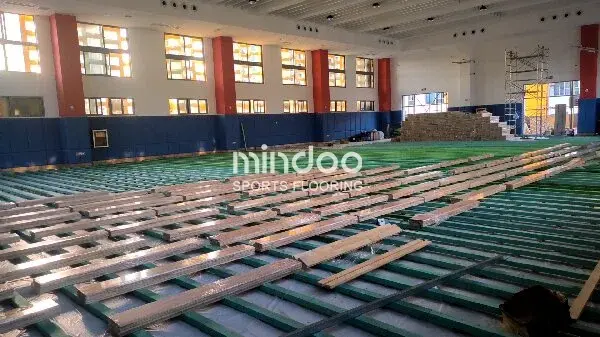
There are several things that can make or break hardwood basketball courts. This is the best place to play because all of these things work together. Picking the right kind of wood is very important. Maple is the best wood because it is very hard and has a smooth grain. Because hardwood is made up of cells, each one is a little room that changes size when the ball hits it. In order for consistent rebounds to happen, the energy has to be moved around.
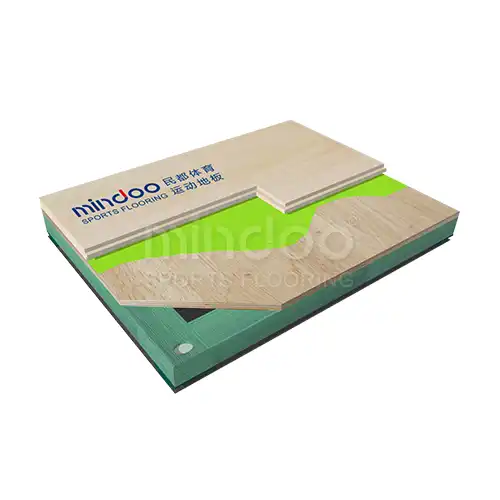
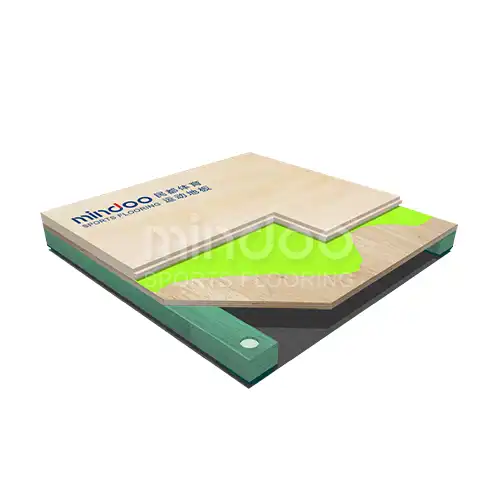
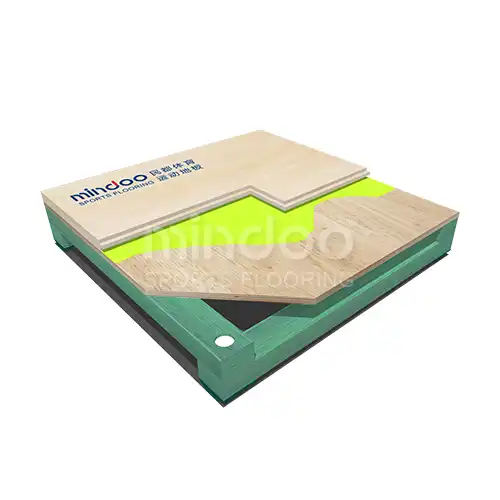
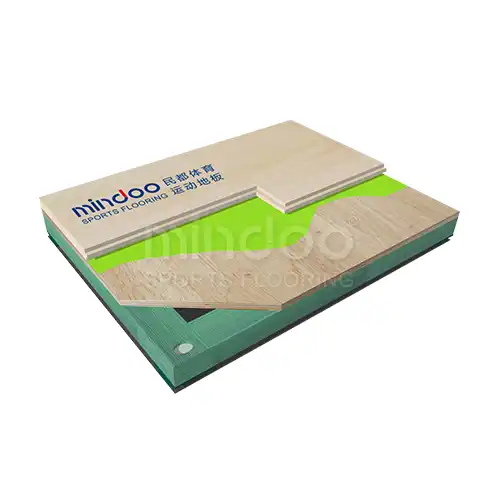
These days, basketball courts have a lot of different layers that are meant to make them better. The top surface should be 20 mm or 22 mm thick for the best durability and responsiveness. A complicated subfloor system lies below this. It can reach heights of 90mm to 130mm, based on the performance and the needs of the venue.
Kinetic energy must be moved and kept the same for a ball to bounce back. There is a lot of force on both the ball and the floor when a basketball hits a wooden floor. If the wood floors are in good shape, they will return at least 90% of this energy. This lets players know exactly how the ball will bounce, which helps them shoot and handle it correctly. When you compare installations that are done by professionals to ones that aren't, this energy return coefficient shows the difference.
Things about the material that change how the balls meet and roll
The type of wood used determines how the court bounces and how well it works in general. When choose wood basketball floor systems, facility managers need to think about the good and bad points of each species.
There are a few main things about the material that change how the balls fit together:
- Maple is a hardwood that is known for being very hard (about 1,450 on the Janka scale), and balls always bounce higher on it. The surface doesn't have any bumps that could change the path of the ball because the grains are close together. Also, when athletes hit something, it doesn't hurt them because it naturally absorbs shock.
- Oak floors last a long time and have beautiful grain patterns. On the Janka scale, they are 1,290. They also get better quickly. The wood doesn't soak up water because it already has tannins in it. This makes the wood last longer and keep its shape.
- Options in Birch and Beech: These species offer a range of choices for individuals with varying budgets and performance requirements. It's not too hard or too soft, so birch can handle shocks well. Beech, on the other hand, lasts a long time and bounces back evenly, so it's good for places where a lot of people walk.
These parts of the material work well with new ways of making things to make flooring systems that meet strict international standards. The finish on the surface is also important. When it comes to player safety, UV-cured matte finishes are the best because they don't change the way the wood naturally bounces back.
Things built into the court that make it work better
In order to keep players safe and help them do their best, professional wood basketball floor systems use a lot of complicated engineering ideas. There are many levels in this system, and each level affects how the court works as a whole.
Tech that absorbs shock is one of the most important parts of engineering. Good installations have shock absorption rates of 53% or more, which means that athletes' joints don't have to deal with as much impact stress while still letting the ball bounce back. It is important to carefully engineer the subfloor system and pick the right cushioning materials in order to achieve this balance.
It is the job of vertical deformation control to make sure that floors respond properly to impacts without creating playing surfaces that are hard to guess. The level of vertical deformation is kept at ≤17% by professional systems. This means that the court surface gets the same amount of energy back as a whole. With this level of uniformity, the game doesn't have any dead spots or places where it responds too quickly.
The rolling load capacity of a floor tells you how well it can hold heavy things and a lot of weight at once without breaking. These days, systems can handle 1500N or more of rolling loads, so tools for maintenance, bleachers, and other building needs won't affect how well the court works.
Checking out how wood floors compare to other court surfaces
Building managers can choose wisely about the floors they buy if they know the difference between hardwood and synthetic basketball courts. Each type of surface has its own pros and cons that depend on the needs of the facility and the performance goals.
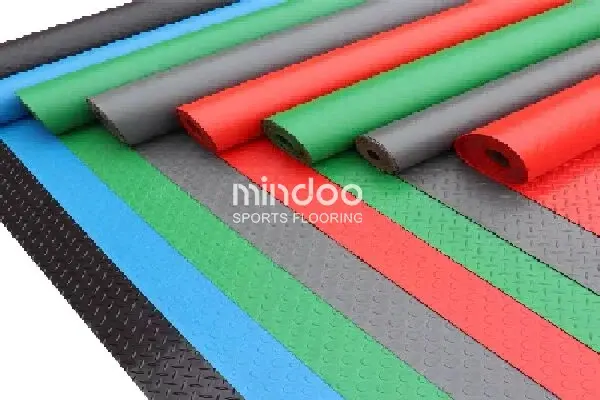
Vinyl and synthetic surfaces, on the other hand, tend to be cheaper to install and easier to keep clean. These other materials, on the other hand, don't usually bounce balls back as well as wood flooring does. Professional players often say that the ball acts differently on synthetic surfaces, especially when it comes to how long the spin lasts and how predictable the bounce is.
Systems for wood floors are great at many important tasks. Because of how the material is made, it is better at returning energy. This means that the ball bounces more consistently over longer games. Hardwood floors also grip the ground better than synthetic ones, which is not always possible. People can play the game better and safer now.
These are often better in the long run because they are more valuable, even if they cost more at first. If you take good care of your hardwood floors, they can last for decades. On the other hand, most synthetic surfaces need to be replaced every 10 to 15 years. Refinishing wood floors means that building managers can make them look and work like new without having to buy new ones.
Installation and maintenance issues that make it less effective
The way that basketball court flooring is installed directly impacts how well and safely it works over time. If you have a professional install it, you can be sure that the engineered specs will work better in the real world.
Getting the subfloor ready is the first thing that needs to be done for an installation to go well. The surface below must be strong enough to hold up the floor while also letting it move naturally. This is because modern floating floor systems are made to move. Controlling the amount of moisture stops changes in size that could make a ball bounce differently over time.
It's important to keep the environment inside the building under control for the best work. When the weather changes, wood can move, which can change how it looks and how it plays. Professionals use acclimation and expansion joints to keep these effects to a minimum.
Things need to be taken care of so they last as long as they do. Regularly cleaning the surface with the right tools keeps it in good shape and makes it easier to walk on. A new finish every so often can bring back the best ball rebound properties. Normal signs of wear that show up in places that get a lot of use have also been fixed. With preventative maintenance, floors can last a lot longer and still be safe to play on.
Before they buy something, building managers should think about these things
To choose the best basketball flooring system, you need to think about a lot of things.
- Things like your budget, how well it needs to work, and your long-term goals for the building are some of these. If procurement teams know these things, they can choose items that will keep their value over time.
- The need for certification is becoming more and more important as you look for flooring. International groups like FIBA and BWF make sure that courts are appropriate for professional basketball play by setting rules. These labels show that floors meet certain safety standards for things like how quickly they return balls and how well they handle shock.
- Before you choose a supplier, you should think about how well they can make things, install them, and offer ongoing support. If a business does everything in one place, it doesn't have to deal with middlemen like distributors, so it can often offer better quality control and lower prices. Full-service suppliers who help with planning, setting up, and maintaining can also make it easier to run a project and still get great results.
- The way installations are set up can be changed to fit the needs of the facility. Standard specifications might not take into account how a venue is set up or what the performance needs. Because they can be made in a range of thicknesses, sizes, and finishes, suppliers can meet the needs of many facilities while still meeting performance standards.
Conclusion
Wood basketball floors are the best for competitive sports facilities because they use high-quality materials and advanced engineering to make the best ball rebound performance. When you combine the natural properties of hardwood with modern manufacturing methods, you get playing surfaces that can handle the tough demands of professional sports and give facility managers long-term value. By knowing these performance traits, you can make smart choices that improve both the player experience and the efficiency of operations. Our website, mindoofloor.com, has more information about all of the flooring services we offer.
Frequently Asked Questions
Q1: What makes maple the preferred choice for professional basketball courts?
A: Maple's exceptional hardness rating and uniform grain structure provide superior ball bounce consistency compared to other wood species. Its natural shock absorption properties and resistance to wear make it ideal for high-performance installations that must maintain consistent playing characteristics under intensive use.
Q2: How often should a hardwood basketball floor be refinished to maintain optimal performance?
A: Professional courts typically require refinishing every 3-5 years depending on usage intensity and maintenance practices. Regular refinishing restores surface integrity and ball rebound characteristics while addressing normal wear patterns that develop in high-traffic areas.
Q3: Can wood basketball floors achieve the same performance standards as synthetic alternatives?
A: Quality hardwood floors consistently outperform synthetic alternatives in ball rebound authenticity and energy return characteristics. While synthetic surfaces may offer easier maintenance, they cannot replicate the natural playing feel and consistent bounce properties that wood flooring provides.
Mindoo: Your Trusted Wood Basketball Floor Manufacturer
Mindoo stands as a leading wood basketball floor manufacturer, delivering premium hardwood court solutions that meet the demanding requirements of modern sports facilities. Our comprehensive approach encompasses every aspect of court development, from raw material sourcing through final installation and ongoing maintenance support.
Our product portfolio includes multiple wood species options including maple, oak, birch, and beech, each engineered to deliver exceptional performance characteristics. Standard surface thicknesses of 20mm and 22mm can be customized to meet specific facility requirements, while our total system heights of 90mm and 130mm accommodate diverse installation scenarios and performance needs.
Beyond manufacturing excellence, we provide comprehensive project support including on-site installation services performed by certified technicians. Our team works closely with architects, contractors, and facility managers to ensure seamless project execution that meets timeline and budget requirements. Ready to enhance your facility with a premium wood basketball floor for sale? Contact us atsales@mindoofloor.com to discuss your specific requirements and discover how our expertise can elevate your court's performance and player experience.
References
- International Basketball Federation. "FIBA Technical Specifications for Basketball Court Surfaces and Equipment." Official Technical Manual, 2023.
- American Society for Testing and Materials. "ASTM F2772 Standard Specification for Recreational Basketball Court Surfaces." Annual Book of Standards, 2022.
- Sports Flooring Research Institute. "Comparative Analysis of Hardwood vs. Synthetic Basketball Court Performance Characteristics." Journal of Sports Surface Technology, Vol. 45, 2023.
- Maple Flooring Manufacturers Association. "Performance Standards and Installation Guidelines for Hardwood Sports Flooring Systems." Technical Publication Series, 2023.
- European Committee for Standardization. "EN 14904:2022 Surfaces for Sports Areas - Specification for Indoor Surfaces for Multi-Sports Use." European Standards Documentation, 2022.
- National Association of Basketball Coaches. "Court Surface Impact on Player Performance and Injury Prevention." Sports Medicine Research Quarterly, Vol. 28, 2023.