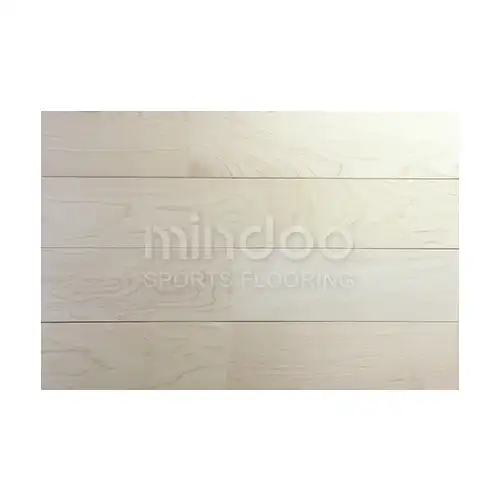
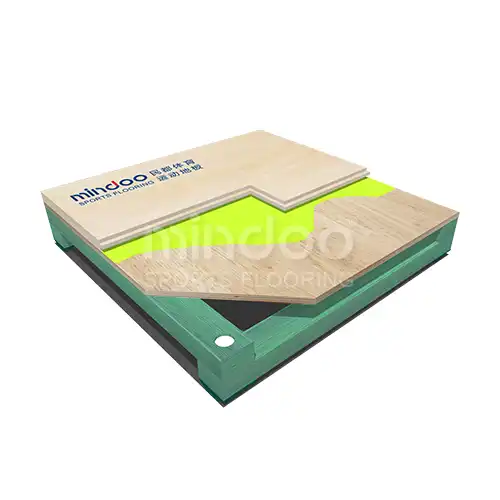
The choice between oil-based and water-based finishes has a big effect on how well your wood gym floor performs, how much it costs to maintain, and how safe it is for athletes. Oil-based finishes tend to last longer and penetrate deeper into the wood, which makes them perfect for sports areas that get a lot of use. Water-based finishes, on the other hand, dry faster and give off fewer volatile organic compounds (VOCs). Facility managers, builders, and architects can make better choices that balance performance needs with environmental concerns and upkeep plans when they understand these basic differences.
How to Tell the Main Differences Between Water-Based and Oil-Based Floor Finishes
The main difference between water-based and oil-based finishes is how they are applied and what chemicals they contain. Oil-based polyurethane finishes have more volatile organic compounds (VOCs) and need mineral spirits to carry them. This makes the finish penetrate deeper into the wood and last longer, making it ideal for use on wood gym floor.
Water-based treatments use acrylic or polyurethane resins that are mixed with water. This makes the application layer thinner and has less of an effect on the environment. These finishes keep the original color of the wood better and protect gym floors that don't get a lot of use.

There are three main differences that keep coming up:
- Depth of penetration: Oil-based oils get into the fibers of maple wood two to three times deeper.
- Time to cure: Every coat of water-based paint dries 4 to 6 hours faster.
- What's in VOC: VOCs are 350–450g/L in oil-based products and 50–150g/L in water-based ones.
When it comes to long-term performance, oil-based solutions are better for basketball or volleyball training sites that need to last a long time.
Analysis of how long sports facilities last and how well they work
Performance testing shows that different types of finishes have very different levels of wear protection and durability. Oil-based polyurethane finishes are better at resisting wear and tear. Taber's wear tests showed that they worked 20–30% better in situations that mimicked sports use.
In high-traffic sports areas, oil-based finishes on hardwood floors usually keep their defensive qualities for 8 to 12 years. According to building management statistics from big college sports teams, water-based options need to be refinished every 5 to 8 years in the same circumstances.
A study of performance measures shows:
- Impact resistance: finishes made with oil can handle 15% more impact forces without damage to the surface.
- Lack of scratches: methods that use oil are 25% less likely to leave marks from tools.
- Stability at different temperatures: Both types of finish stay strong at normal gym temperatures (60–78°F).
Experts in sports flooring say that oil-based finishes work better with the processes of expansion and contraction that happen in athletic areas where the air level changes. If you need floors that can handle daily basketball practice, wrestling fights, and community events, oil-based finishes will protect your wood gym floor better over time.
Needs for Maintenance and Long-Term Care to Think About
Oil-based and water-based finish methods have very different maintenance requirements. Because they are better at repelling dirt and stains, oil-based finishes don't need to be deep cleaned as often. With these finishes, facility managers can keep the game conditions at their best with regular dust mopping and deep cleaning every three months.
Water-based finishes need to be maintained more often, especially in places with a lot of humidity, like school gymnasiums. They do, however, work better with cleaning products that are based on water and are very compatible with current automatic cleaning systems.
Comparison of maintenance schedules:
- Every day, you need to dust mop and clean specific spots on both types of finishes.
- Maintenance every week: Wet cleaning is needed for water-based finishes, but only dry ways are needed for oil-based ones.
- Care for the seasons: Oil-based finishes should be buff once a year, while water-based finishes may need to be screened every other year.
Maintenance costs for floors with water-based finishes are usually 15 to 20 percent higher because they need to be cleaned more often and have special product needs. Professionals in athletic flooring stress that regular upkeep greatly increases the finish's life, no matter what method is used. If you need to keep school buildings in good shape with little work, oil-based finishes can help. They lower ongoing costs and staff time needs.
Effects on the environment and factors affecting indoor air quality
Finish choices for schools and leisure centers are becoming more and more influenced by environmental factors. Because they leave less of an environmental impact when they are applied, water-based finishes are better for green building standards and LEED certification requirements.
When oil-based treatments are being applied and drying, they need enough air flow, which means that the building usually has to be closed for 72 to 96 hours. Water-based options let the building return more quickly, generally between 24 and 48 hours after the final coat is applied.

An analysis of the environmental effect shows:
- Emissions of VOCs: 60–70% less flammable chemical compounds are made by water-based finishes.
- Duration of smell: Oil-based treatments keep smells that can be detected for 5 to 7 days after they are applied.
- Can be recycled: Containers and trash that are based on water are easier to get rid of.
More and more, eco-friendly wood gym floor projects prefer water-based systems, especially in places that serve kids and other sensitive people. However, oil-based products may be better for the earth in the long run because they last longer and don't need to be refinished as often. When making something new or fixing something up that needs to meet LEED standards, water-based finishes are better because they support sustainable building certification goals.
How to Apply and Things to Think About When Installing
There are big differences in how oil-based and water-based finish systems are installed on floors. When applying oil-based polyurethane, the air needs to be carefully controlled. For good drying, the temperature should be between 68°F and 72°F, and the relative humidity should be less than 50%.
Water-based treatments can be used in a wider range of situations, but the film thickness and evenness of application need to be carefully monitored. Because these treatments are applied in smaller layers, you usually need more coats to get the same amount of protection.
Comparison of installation times:
- Preparing the floor for sanding: Both methods need the same steps to prepare the surface.
- How to use primer: If the surface is ready, oil-based systems may not need primer.
- Coats of finish: Water-based paints usually need 3–4 coats, while oil-based paints need 2–3 coats.
- Time to cure: Water-based systems cure in 3–5 days, while oil-based systems cure in 7–10 days.
For floor refinishing jobs, water-based treatments are often better because they require less building closure and get back to work faster. Professional builders like water-based items because they are easier to clean up and require less upkeep on the tools. Water-based paints help you finish projects faster and get the building back up and running earlier if you need to quickly turn around a facility during the summer repair windows.
Facility Managers Need to Do Cost Analysis and Budget Planning
When it comes to initial material costs, water-based treatments usually work out 10-15% cheaper per gallon than high-end oil-based options. A full cost study, on the other hand, needs to look at coverage rates, application work, and long-term upkeep costs.
In general, oil-based finishes cover more in one gallon and need fewer coats, which could make up for the higher cost of the materials. Because of longer application times and more safety measures during oil-based finish installation, labor costs may go up.
When you look at the long-term value of money, oil-based finishes are better for sports areas that get a lot of use. For areas that are used for more than one thing and don't get too busy, water-based solutions may be more cost-effective.
Different floor systems also have different repair needs. For example, oil-based finishes make it easier to do spot repairs and touch-ups without showing seam lines. Oil-based finishes offer better long-term value, even though they cost more up front. They are the most cost-effective option for intense sports programs.
Conclusion
When deciding between oil-based and water-based finishes for your Wood Gym Floor, you should think about how long you want to use the floor, how it will affect the world, and your budget. Oil-based finishes work best in sports facilities that get a lot of use because they last longer and are more resistant to impact, even though they have higher VOC content and take longer to apply. Water-based options are better for the earth and can be installed faster, but they may need to be maintained and refinished more often. To choose the right finish, you need to make sure that these traits match the way your building is used, how easy it is to maintain, and how well you expect it to work.
Mindoo Wood Gym Floor Solutions: Professional Finish Selection and Installation
Athletic flooring projects demand expert guidance in finish selection and professional installation services. Mindoo's comprehensive approach as a wood gym floor manufacturer includes detailed consultation on optimal finish systems based on specific facility requirements and usage patterns.
Our technical team evaluates multiple factors including climate conditions, activity levels, and maintenance capabilities to recommend the ideal finish system for each project. Mindoo's self-owned factory enables precise quality control throughout the manufacturing and finishing process, ensuring consistent results across all installations.
Mindoo's Wood Gym Floor advantages include:
- Expert finish system consultation based on 15+ years of sports flooring experience
- Premium maple, oak, and birch hardwood options optimized for finish adhesion
- FIBA and BWF certified performance standards with ≥53% shock absorption
- Competitive pricing through integrated manufacturing and installation services
- Comprehensive warranty coverage including finish performance guarantees
- Professional installation teams trained in both oil-based and water-based finish systems
- Post-installation support including maintenance training and product recommendations
- Custom finish specifications to meet unique facility requirements and aesthetic preferences
Our gymnasium floor installations consistently achieve optimal ball bounce (≥90%) and proper vertical deformation (≤15%) through precise subfloor preparation and finish application techniques. Mindoo's quality assurance protocols ensure every installation meets international performance standards while maximizing finish longevity.
Professional contractors and facility managers trust Mindoo's expertise in navigating the complex decisions surrounding finish selection. Our technical support extends beyond installation to include ongoing maintenance guidance and refinishing services when needed.
Ready to make the right finish choice for your sports facility? Our flooring specialists provide detailed analysis and recommendations tailored to your specific requirements. Contact us at sales@mindoofloor.com to discuss your project needs and receive expert guidance on oil-based versus water-based finish selection for optimal performance and value.
References
- National Wood Flooring Association. "Polyurethane Finish Performance Standards for Athletic Facilities." Technical Bulletin Series, 2023.
- Sports Flooring Institute. "Comparative Analysis of Finish Systems in High-Performance Athletic Environments." Research Report 2024.
- American Society for Testing and Materials. "Standard Test Methods for Evaluating Wood Floor Finish Durability and Performance." ASTM International Publications, 2023.
- Green Building Council. "Environmental Impact Assessment of Wood Floor Finishing Systems." Sustainable Materials Guide, 2024.
- International Association of Venue Managers. "Best Practices for Gymnasium Floor Maintenance and Refinishing." Facility Management Guidelines, 2023.
- Building Performance Institute. "Indoor Air Quality Considerations for Sports Facility Floor Finishes." Environmental Health Report, 2024.