Planning and smart decision-making are necessary throughout the entire process of importing high-quality football artificial turf. The process includes knowing how to meet foreign quality standards, handling shipping, making sure the right paperwork is used, and finding trustworthy sources. Successful exporters pay attention to the details of synthetic grass, negotiate good deals, make sure customs goes smoothly, and build long-term relationships with makers who provide consistent quality and technical support for their sports field installs.
Understanding Football Artificial Turf Market Dynamics
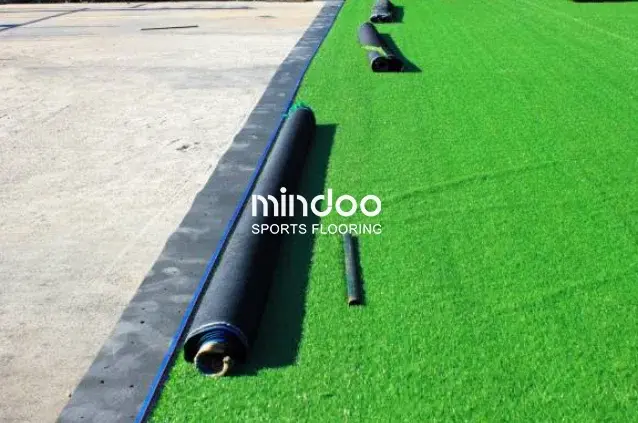
The global synthetic grass market has seen amazing growth, with very high demand in a lot of different areas due to sports. Cities look for cheap ways to build community sports sites. At the same time, professional sports teams need high-quality playing grounds that help athletes perform better. Importers can spot chances and make sure they are in the right place by understanding how the market works.
Different Customer Segments and Their Needs
Market study shows different groups of customers, each with their own needs. Sports clubs care most about materials that can withstand the weather and shocks, but contractors focus on stable supply lines and helping with installation. Resorts and universities need surfaces that can be used for many different things and still look good.
Local Climate and Regulations: Key Influencers in Product Selection
The rules and temperature of an area have a big impact on the products that are chosen. Places that have extreme weather needs better UV protection and temperature stability. Each country has its own rules for imports, which change how goods must be certified and tested. Early analysis of these factors helps smart importers avoid expensive delays and make sure they are compliant.
Pricing and Quality: Balancing Performance and Cost
Pricing arrangements show how different the quality and production skills are. Premium grass strands are more expensive, but they last longer and work better for sports. Buyers who are careful about how much they spend may favor basic functions over more advanced ones. Understanding these trade-offs helps people make smart buying choices that are in line with the wants of the target market.
Evaluating Supplier Capabilities and Certifications
Choosing the right provider affects the success of the project and the long-term happiness of the customers. A full supplier review looks at more than just prices. It also looks at how goods are made, how quality is controlled, and how much specialized knowledge the supplier has. Suppliers with a lot of experience show steady product quality and quick customer service.
Evaluating Manufacturing Capabilities and Quality Control
Manufacturing site evaluations show how much can be produced and how quality is controlled. With advanced tufting technology, you can be sure that the fiber spread and pile height will be constant. Controls for temperature and humidity during production keep the materials in the best possible shape. Quality control checks the standards at every step of the production process.
The Role of Certifications in Ensuring Quality and Safety
International certificates prove that a goods performance and safety standards are correct. FIFA Quality and FIFA Quality Pro standards make sure that soccer pitches meet the needs of professionals. Environmental approvals show that you want to make grass in a way that is better for the planet. Safety standards check to see that surfaces are non-slip and the risk of getting hurt is lower.
Technical Support: A Key Differentiator for Top Suppliers
The ability to give technical help is what sets great providers apart from average makers. Detailed fitting instructions help workers get the best results. Regular care advice keeps the surface intact and game conditions consistent. Quick, responsive fixing help fixes problems fast and keeps customers happy.
Navigating Import Documentation and Compliance
The Importance of Proper Documentation in International Trade
International trade needs a lot of attention to paperwork and following the rules. Each country has its own set of import rules, which can affect the time it takes and how much it costs. Proper planning stops customs delays and makes sure that transfer to the final location goes smoothly.
Accurate Product Specifications for Smooth Customs Clearance
Synthetic grass specs, such as fiber materials, pile height, and planned uses for football artificial turf, must be correct on the commercial billing. Customs officials need to know exactly what is in a package so they can correctly classify it and apply the right tax rates. Accurate values keep people from arguing about assessments and having to wait for processing.
The Role of Certificates and Quality Badges
Certificates of origin confirm where goods are made and may affect how tariffs are applied under trade deals. Quality badges show that the product meets safety standards and other requirements around the world. If a certain manufactured material is going to a certain country, it might need a phytosanitary certificate, based on that country's rules.
Working with Experienced Freight Forwarders
Freight forwarders with experience in sending sports equipment understand the tricky shipping rules and help save money on operations. When grass rolls are moved, container packing methods keep them safe. Insurance covers damage or loss that can happen when goods are shipped between countries.
Managing Logistics and Quality Control
Good transportation management makes sure that products stay safe during the whole supply chain and are delivered on time. Strategic planning lines up installation dates with production plans. If you handle the turf correctly, you can keep it in good condition from the time it is made to the time it is installed.
Packaging Standards: Protecting Turf During Transit
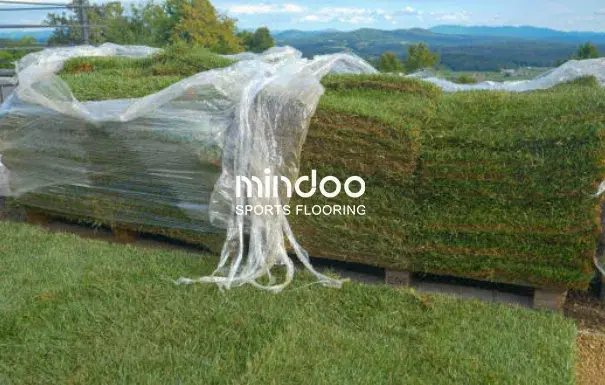
Packaging standards make sure that fake grass doesn't get damaged when it's shipped over long distances. Waterproof wrapping keeps wetness from damaging the contents during ocean shipping. Proper roll direction keeps the look of the fibers and minimizes breaking. Container filling plans make the best use of room and lower the cost of shipping.
Quality Control: Checking Before and After Shipment
Quality checking methods check the details both before and after the package arrives. Before shipping, checks make sure that fiber density, draining system performance, and measurement accuracy are all correct. When you get something, you need to check for any damage that happened during shipping, which can lead to making an insurance claim. Systematic recording helps service claims and provider responsibility.
Efficient Inventory Management for Cost Control
Inventory management makes sure that products, such as football artificial turf, are available while also taking into account the cost of storing them. Coordinated shipping plans that are in line with installation times cut down on the need for warehouses. Proper keeping keeps turf products safe from very hot and very cold temperatures and UV light. When you use rotation methods, older stock is always used before newer orders.
Installation Coordination and Technical Support
Suppliers, workers, and facility owners need to work together to make sure the fake grass installation goes well. Site planning helps with drainage and surface support. Professional fitting methods make the game field last longer and work better.
Preparing the Site: Drainage and Base Construction
Looking at the drains and testing the dirt are the first steps in site preparation. If you build the right base, you can make sure that your fake turf stays in place. Adding a drainage system stops water from building up and keeps the area usable. Exact grade gets rid of low spots and makes sure that water flows the right way.
Installation Specifications: Tailoring to Use and Environment
Installation specs change depending on the use and the weather. The materials used for infill affect how well shocks are absorbed and how the ball bounces. Proper fiber arrangement keeps the playing conditions the same all over the field. Seaming methods make parts that are not noticeable and give a consistent look.
Post-Installation Support: Maintaining Performance and Longevity
Support after installation keeps the device working well during the guarantee term. Regular care keeps the playing qualities and surface life intact. Troubleshooting advice helps managers fix small problems at the building quickly. Warranty coverage saves your money and makes sure the seller is responsible.
Building Long-term Partnerships for Sustained Success
Long-term partnerships with suppliers and ongoing cooperation are key to making imports sustainable. Long-term relationships make it easier to get better prices, more professional help, and quicker access to resources. In markets that are always changing, strategic partnerships help, and they give the businesses involved an edge over their competitors.
Regular Communication: Strengthening Business Relationships
Keeping in touch with people regularly helps you stay in good business relationships and solve problems. In joint planning meetings, work plans are put in line with market demand. Feedback methods help providers keep making goods and services better. When two or more businesses work together on marketing, they both get more chances to sell their products.
Volume Commitments: Negotiating Better Terms
Promises of volume often lead to better prices and faster service during busy times. Easier ways to pay help handle cash flow and lower money-related stress. Territory plans make sure that no one else can sell in the same area, which protects their market place and stops price competition. Joint development projects make tailored answers for market needs.
Performance Monitoring: Ensuring Consistent Quality
Performance tracking keeps an eye on the quality of products and dependability of suppliers over time. Regular reviews find new problems that need to be solved and ways that the process can be improved. Benchmark comparisons make sure that a business stays relevant and gets the most value. Innovation and customer happiness are two goals of continuous growth efforts.
Conclusion
From choosing a provider to making sure that the work goes smoothly, importing high-quality football artificial turf necessitates careful planning in all areas. Success relies on knowing how the market works, looking at what a factory can make, following the rules, and getting to know your suppliers. The difficulty of buying things from other countries requires people to pay attention to details and solve problems before they happen at every stage of the process. Groups that take the time to plan ahead and choose partners wisely get better results and more long-term worth. In this specialized market, getting professional help and working with experienced providers greatly lowers risks and guarantees project success.
Partner with Mindoo for Premium Football Artificial Turf Solutions
Mindoo makes it easier for you to buy football artificial turf by combining production knowledge with full import support. Our unified method includes all steps from the beginning requirements to the last installation. This guarantees consistent quality and dependable delivery times. We are an established football artificial turf supplier, and we understand the unique problems that cities, sports clubs, contractors, and site managers face. Ready to talk about what you need and see how our successful solutions can help with your sports projects? Let us demonstrate why leading organizations trust Mindoo for their synthetic surface needs - contact us at sales@mindoofloor.com.
References
1. International Association of Sports Surface Sciences. "Guidelines for Synthetic Turf Import Standards and Quality Assurance." Sports Surface Technology Journal, 2023, pp. 45-62.
2. World Trade Organization Sports Equipment Division. "Global Trade Regulations for Artificial Turf Materials." International Commerce Quarterly, Vol. 28, No. 3, 2023, pp. 112-128.
3. European Synthetic Turf Organization. "Best Practices for Football Artificial Turf Procurement and Installation." Athletic Facility Management Review, 2023, pp. 78-95.
4. American Society for Testing and Materials. "Standard Specifications for Imported Synthetic Sports Surfaces." Materials Testing and Quality Control Manual, 15th edition, 2023, pp. 203-220.
5. International Federation of Association Football. "FIFA Quality Programme for Football Turf: Import and Installation Guidelines." FIFA Technical Development Series, 2023, pp. 34-51.
6. Global Sports Facility Contractors Association. "Import Logistics and Supply Chain Management for Artificial Turf Projects." Construction Industry Today, Vol. 15, No. 4, 2023, pp. 89-104.