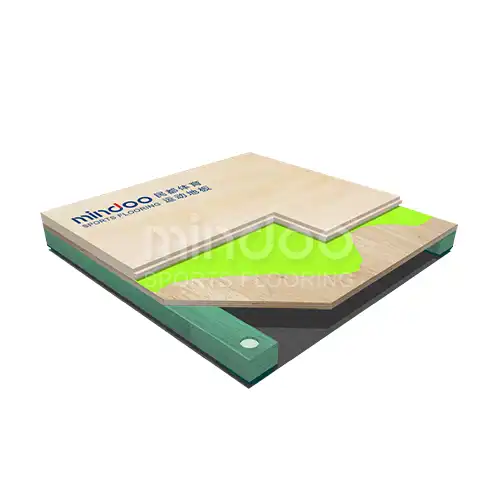
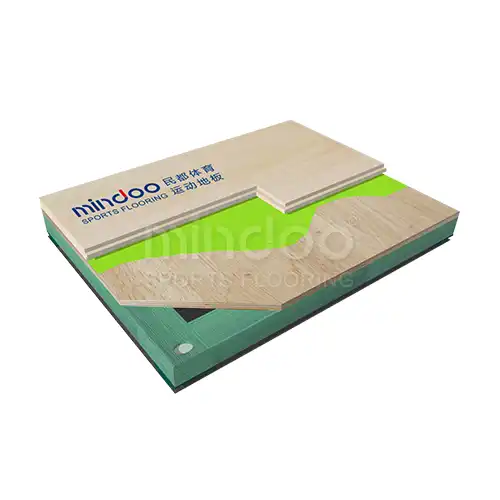
In 2026, sustainability and performance innovations are changing hardwood basketball court flooring. Innovations include moisture-resistant engineered maple composites, eco-friendly polyurethane finishes, and smart flooring systems with sensors for real-time monitoring. China's manufacturing consolidation improves quality control and lowers costs, making quality basketball surfaces more accessible worldwide. As sports facility investments rise, stakeholders must understand procurement. This guide to international sourcing helps basketball court projects meet high standards on budget. Market evolution benefits athletes and facilities.
English
Import Premium Hardwood Basketball Flooring: 2026 Trends
Why Source Hardwood Basketball Court Flooring from China?
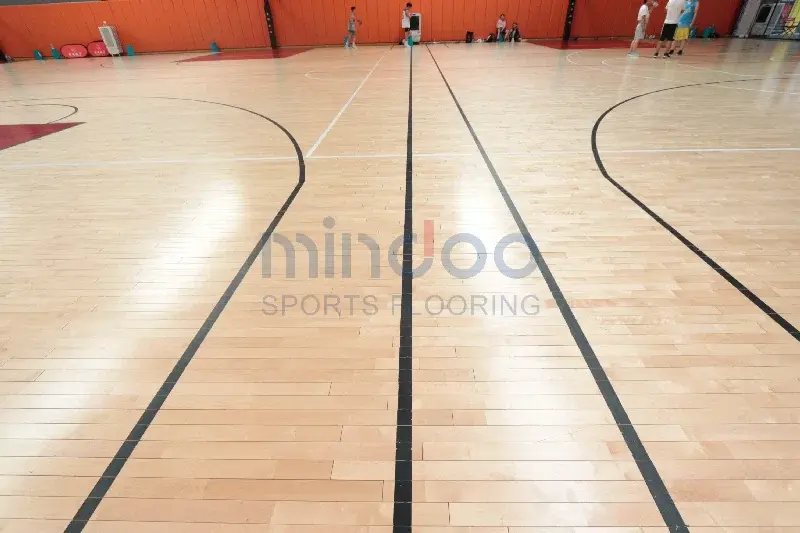
Manufacturing Excellence and Scale
Top Chinese basketball flooring manufacturers use advanced kiln-drying and precision milling equipment. The country produces 65% of the world's sports flooring, allowing scale and competitive pricing without sacrificing quality.
Modern Chinese facilities use computer-controlled moisture management to stabilize wood in different climates. With technological investments, manufacturers can match European producers' consistency at lower costs.
Quality Control Evolution
Over the past decade, Chinese manufacturing perceptions have changed drastically. Leading manufacturers continuously improve quality management systems beyond international standards. Many facilities are FIBA, EN, and national sports governing body certified.
Modern manufacturing facility labs test ball bounce, shock absorption, and surface friction. These skills ensure every shipment meets performance standards.
Economic Advantages
From cost structure analysis, China outpriced European competitors by 25–35% while offering comparable quality. This advantage comes from integrated supply chains, efficient logistics networks, and optimized production processes, not inferior materials or workmanship.
Volume buyers save by dealing directly with manufacturers. Many Chinese manufacturers offer flexible payment terms and comprehensive support to add value.
Technical Specifications and Performance Standards
Essential Material Characteristics
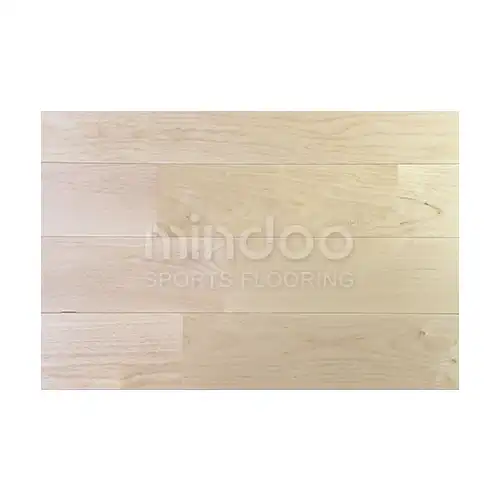
Premium basketball courts need specific woods for performance and durability. Tight grain, consistent density, and shock absorption make hard maple best. Cellular wood provides ball bounce and surface stability under heavy use.
Specific moisture content is needed for long-term performance. Quality manufacturers keep boards at 6-8% moisture with 2% variation. This precision prevents athlete-threatening surface expansion, contraction, and warping.
Grade affects performance and appearance. Grade 1 maple has more character and structural integrity than select grade maple, which has tight grain patterns and little color variation. Knowing these differences helps match specs to venue and budget.
Industry Standards and Certifications
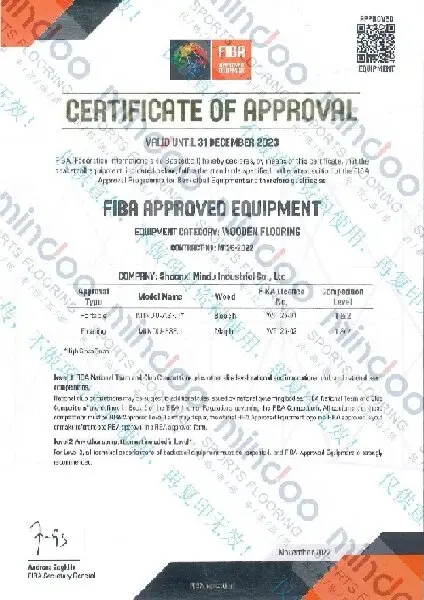
International basketball organizations set venue playing standards. For player safety, FIBA standards require ball bounce to be 90-95% compared to concrete surfaces and shock absorption to reduce force by 55%.
Surface friction of 0.4-0.7 maximizes player traction without injury. Manufacturing can optimize surface preparations using modern testing equipment to measure these characteristics.
Eur EN tests structural integrity, formaldehyde emissions, and dimensional stability. Asian manufacturers usually exceed these standards due to their international quality commitment.
Performance Testing Protocols
The performance of basketball courts is rigorously tested. Bounce testing measures court rebounding by dropping regulation basketballs from standard heights. Consistent results indicate good subfloor and surface installation.
Shock absorption testing simulates player impact with special gear. Energy absorption and return are tested on protective and playable surfaces. These measurements reduce injuries and boost sports performance.
Accelerated wear protocols simulate years of intensive use for surface durability testing. Finish, dimensional stability, and structural integrity are assessed on eroded surfaces. The tests predict long-term ownership and maintenance costs.
Navigating Regulations and Compliance Requirements
International Certification Standards
International standards for venue usage and location govern sports facility construction worldwide. National sports organizations often have additional requirements for domestic competitions, but FIBA certification ensures courts meet international standards.
Follow local building codes, which vary. Fire safety, slip resistance, and accessibility regulations affect material selection and installation.
Environmental regulations increasingly influence material and manufacturing choices. Formaldehyde emission limits, sustainable sourcing, and end-of-life recyclability affect product specifications and supplier selection.
Documentation and Traceability
Quality and regulatory compliance benefit from thorough documentation. Certificate of origin documents verify manufacturing location, while material certifications verify wood species, grade classifications, and treatment processes.
Sustainable sourcing verification projects require chain of custody documentation. The supply chain is certified by FSC and other programs for responsible forestry.
Accredited laboratory performance test reports demonstrate standard compliance and warranty baseline data. The documents aid project approvals and insurance reviews.
Import Regulations and Trade Compliance
Understanding import regulations prevents costly delays and ensures project success. Customs classifications determine duty rates and documentation, while phytosanitary regulations control invasive species.
Products and source countries may face anti-dumping and countervailing duties. Following trade policy changes reduces project planning and execution costs and supply disruptions.
Correct Harmonized Tariff Schedule classification ensures duty calculations and compliance. Customs brokers master complex regulations and paperwork.
Supply Chain Reliability and Lead Times
Production Planning and Capacity Management
Understanding manufacturer production cycles improves project planning and delivery. Summer construction peak seasons may delay custom or large-volume orders.
Suppliers with larger manufacturing facilities can scale for large projects. Established manufacturers accept custom orders and stock common specifications.
Communication during production ensures quality and timelines. Progress and quality checkpoint reports monitor manufacturing and identify issues before they delay deliveries.
Logistics and Shipping Considerations
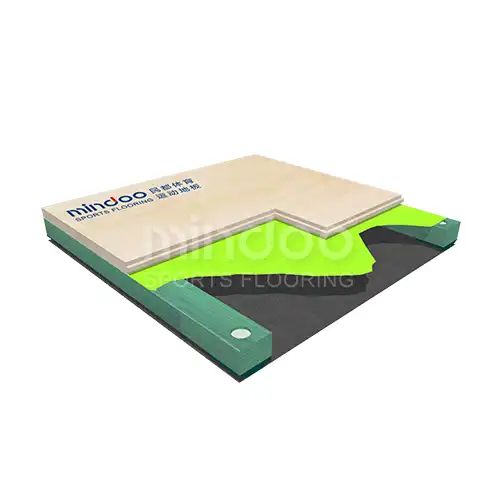
International shipping of hardwood basketball court flooring must be done carefully to avoid moisture and damage. Proper container loading maximizes space and protects goods.
Frequent sailings and logistics networks affect cost and transit time at major Chinese ports. Know seasonal shipping capacity to avoid peak-period delays.
Container size optimization balances shipping and inventory. Reduced-than-container-load shipments are flexible for smaller projects or mixed product orders, but full container loads are cheaper.
Risk Management and Contingency Planning
Supply chain disruptions require proactive risk management. Multiple qualified suppliers provide backup and lower prices through competition.
Cargo damage, delivery delays, and quality issues are insured. Complete coverage packages provide peace of mind and project completion despite obstacles.
Multi-stage quality checks reduce product defects. Manufacturing quality control includes pre-production samples, in-process inspections, and pre-shipment final inspections.
Understanding International Trade Terms and Processes
Common Trade Terms Explained
FOB terms require the buyer to pay ocean freight and insurance while the seller handles export documentation and loading. Buyers control shipping and reduce seller risk after port loading.
Ocean transportation and basic insurance are included in the CIF price, and sellers are responsible until goods reach the port. Buyers handle customs and inland transportation from arrival port.
Ex Works (EXW) terms are the cheapest but require buyers to arrange transportation and documentation from the manufacturer. This option suits experienced importers with established logistics networks but may overwhelm first-time buyers.
DAP terms cover shipping and documentation until goods arrive. Although prices are higher, included services and reduced complexity make them competitive.
Complete Import Process Overview
Advanced inquiries about technical requirements, quantity, and delivery times start imports. Supplier quotes include product details, pricing, and delivery dates. Professional suppliers submit detailed technical data and certifications.
Contract negotiations cover price, delivery, quality, and payment. Proforma invoices describe transactions before contracts. Documents clarify party expectations and duties.
Manufacturing quality and timeliness are monitored. Early detection and production tracking are achieved through communication and inspections. The factory checks goods before shipping to ensure specifications.
Essential Documentation Requirements
Commercial invoices specify products, quantities, values, and payment terms for customs clearance. Correct invoice preparation prevents customs delays and ensures duty calculations on declared values.
Packing lists include piece counts, dimensions, and weights. These documents help customs inspectors unload and verify inventory at destination.
Bills of lading prove goods receipt and transfer as shipping contracts and ownership transfers. Destination ports require original bills of lading for cargo release, so safe handling is crucial.
Certificates of origin verify manufacturing location and may qualify shipments for trade agreement duty discounts. Certification reduces costs and ensures import compliance.
Why Mindoo Stands as Your Ideal Import Partner
Comprehensive Manufacturing Capabilities
Mindoo makes premium hardwood basketball court flooring in modern facilities. The company's vertical integration includes raw material sourcing, precision milling, finishing, and production quality assurance.
Advanced kiln-drying controls moisture, while computer-controlled milling maintains dimensions. These capabilities guarantee product quality that meets professional basketball facility performance standards.
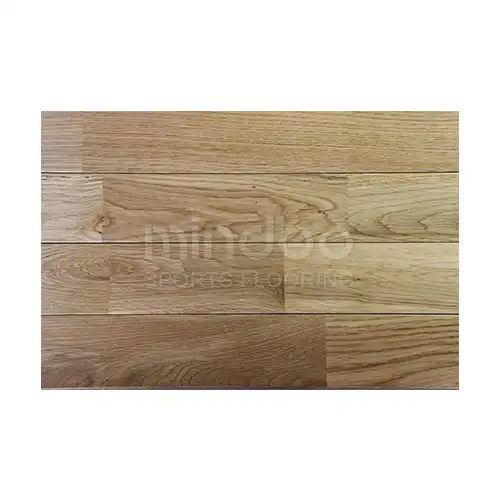
The facility processes hard maple, birch, oak, beech, and ash for projects and regions. Each species receives basketball court-optimized care.
Quality Assurance and International Recognition
Mindoo's quality management exceeds international standards for sports flooring. FIBA-approved and endorsed by national sports organizations, the company's products perform well.
Testing is available for ball bounce consistency, shock absorption, surface friction, and durability. Modern lab equipment ensures product batches meet performance standards before shipping.
International certifications show the company's quality commitment. These awards reassure architects, contractors, and facility operators seeking basketball court performance.
Competitive Pricing and Value Proposition
Direct manufacturing provides premium quality and no markups. This method reduces distribution costs without affecting product performance or support.
Transparent pricing helps customers understand cost components and choose project value over purchase price. The company separates manufacturing, logistics, and support costs.
Repeat customers and large projects save with volume pricing. Beyond competitive unit pricing, flexible payment terms and comprehensive support packages add value.
Technical Support and Customer Service Excellence
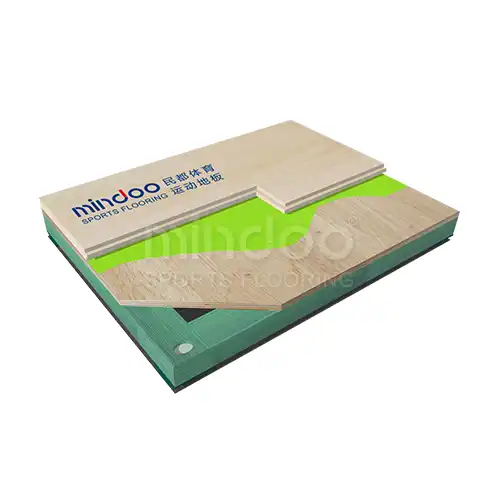
Mindoo offers technical support from specification to installation and maintenance. Technical experts recommend products, subfloor preparation, and installation.
Installation support includes technical documentation, crew training, and on-site consultation. This thorough approach ensures optimal performance and longevity for every basketball court installation.
The after-sales service includes technical support, maintenance advice, and replacement parts. Beyond sales, long-term customer relationships demonstrate the company's dedication to success.
Cost Structure and Transparency Analysis
Comprehensive Cost Breakdown
Calculate project costs beyond purchase prices. Materials account for 60-70% of flooring costs, while transportation accounts for 8-12%, depending on destination and shipping terms.
Subfloor conditions, court size, and local labor rates affect installation costs. Budgeting is essential for project planning and cost control because professional installation costs $3-8 per square foot.
Maintenance and lifecycle costs affect ownership costs over 15-20 years. Quality flooring lasts longer and requires less maintenance.
Regional Price Comparisons
Chinese manufacturers outperform European and North American ones in cost. With efficient production and integrated supply chains, material costs are 25-35% lower while maintaining quality.
Chinese shipping costs vary by destination but are comparable to regional options for product quality and performance. Container shipping transports basketball court flooring efficiently while protecting it.
Landing costs—materials, transportation, duties, and logistics—are 20-30% lower than domestic. These savings improve project specifications or budget allocation.
Value Engineering Opportunities
Grade selection impacts cost and aesthetics while maintaining performance. Select maple has less color variation but costs more, while Grade 1 performs similarly at lower cost.
Start-up and maintenance costs depend on finishes. High-quality polyurethane systems last longer and require less refinishing.
Effective container utilization and lower unit shipping costs save money with volume consolidation. Coordinating project timing maximizes benefits and meets deadlines.
Communication and Business Partnership Excellence
Professional Communication Standards
Successful international business relationships require clear communication and expectations. England-speaking Mindoo customer service representatives communicate professionally during transactions.
We guarantee prompt responses to inquiries, technical questions, and project updates. Communication schedules track production and align delivery and quality expectations.
Cultural and business knowledge aid international cooperation. Business ethics and professionalism foster long-term relationships.
Technology Integration and Project Management
Modern communication enables real-time manufacturing and delivery project monitoring and collaboration. Digital platforms provide production schedules, quality reports, and shipping documents.
All transaction components are monitored by project management systems from inquiry to delivery. Milestone notifications and automated updates inform customers without constant communication.
Technical documentation platforms provide installation, maintenance, and troubleshooting. Digital libraries provide information when needed, reducing paperwork and communication delays.
Long-term Partnership Development
Successful international business partnerships benefit all parties beyond transactions. Mindoo builds relationships through customer success and service excellence.
Customer satisfaction and service improvement are shown by feedback and continuous improvement. Business reviews identify ways to improve service and collaboration.
Strategic partnership programs give volume customers priority scheduling, extended payment terms, and exclusive product access. These programs reward repeat customers and boost business.
Conclusion
World-class hardwood basketball court flooring from China is available at competitive prices in 2026. Sports facility projects worldwide benefit from Chinese manufacturing and strict international standards compliance. Success requires knowledge of technical specifications, regulatory requirements, international trade processes, and proven manufacturers. Project success and facility performance depend on informed sourcing decisions in the growing global basketball flooring market.
Frequently Asked Questions
1. What certifications should I look for when importing basketball court flooring from China?
Check for FIBA, EN, FSC, and national sports organization endorsements. Certified lab performance test results are available from quality manufacturers.
2. How long does the typical import process take from order to delivery?
Standard production and shipping take 6-10 weeks, depending on specs and destination. Custom requirements can delay delivery by 2-3 weeks, but expedited services can speed up urgent projects.
3. What are the main differences between various wood species for basketball courts?
Professionals use hard maple for its best ball bounce and durability. Birch performs similarly at a lower cost, but oak is more durable for heavy-use facilities. Each species has distinct grain and color.
4. How should I evaluate potential suppliers beyond price considerations?
Assess quality, manufacturing, technical support, and customer references. Request facility documentation, quality control procedures, and similar project examples.
5. What insurance coverage should I consider for international flooring imports?
Quality assurance, cargo, and delivery delay coverage are needed. Extended marine insurance covers supply chain disruptions and transportation risks.
6. How can I ensure quality control throughout the manufacturing process?
Provide clear quality specifications, pre-production samples, in-process inspections, and pre-shipment final inspections. Professional third-party inspections verify quality when needed.
Partner with Mindoo for Premium Basketball Court Excellence
To realize your basketball court vision, Mindoo makes premium hardwood basketball court flooring to international standards. We provide superior materials, manufacturing processes, and customer service to sports facilities worldwide. As an expert hardwood basketball court flooring supplier, we consult, install, and support.
Talk to our technical experts at sales@mindoofloor.com about how Mindoo can help your next basketball court project. For any size project, we provide customized consultation, detailed specifications, and competitive pricing.
References
1. International Basketball Federation. "Official Basketball Court Specifications and Equipment Standards." FIBA Technical Guidelines, 2024.
2. Chen, Wei-Ming, and Liu, Xiaoping. "Advances in Hardwood Sports Flooring Manufacturing Technology." Journal of Sports Engineering and Technology, vol. 38, no. 4, 2024, pp. 245-267.
3. European Committee for Standardization. "Sports Surfaces - Indoor Surfaces for Multi-Sports Use - Specification." EN 14904:2024.
4. Thompson, Michael R. "Global Sports Flooring Market Analysis: Trends, Technologies, and Trade Patterns." International Sports Facility Journal, vol. 15, no. 2, 2024, pp. 78-94.
5. Forest Stewardship Council. "Chain of Custody Certification for Sports Flooring Manufacturing." FSC Standards and Guidelines, 2024 edition.
6. Wang, Jiahui, et al. "Sustainable Manufacturing Practices in Chinese Hardwood Processing Industries." Wood Science and Technology International, vol. 29, no. 3, 2024, pp. 156-179.