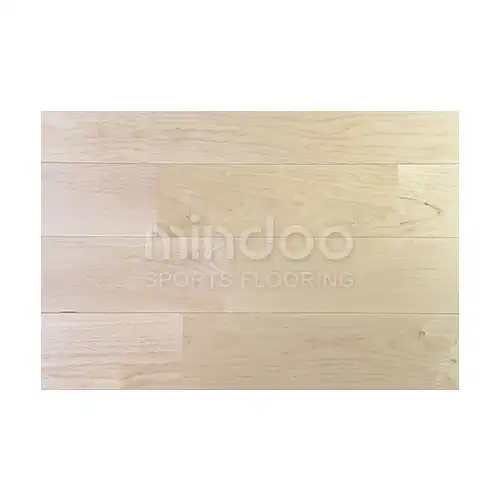
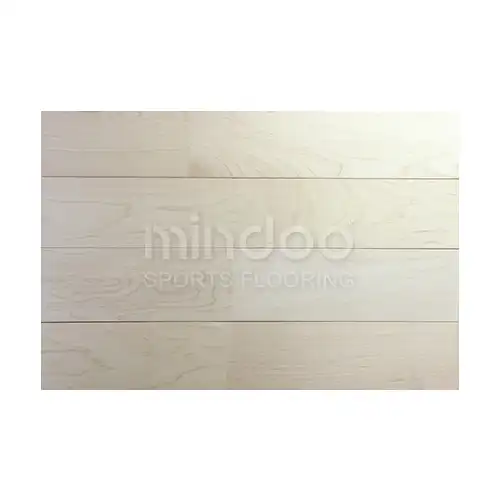
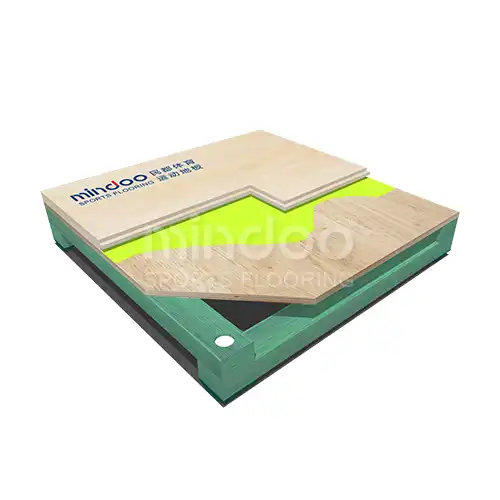
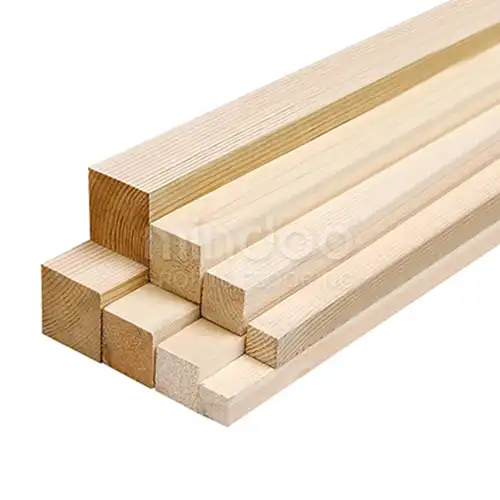
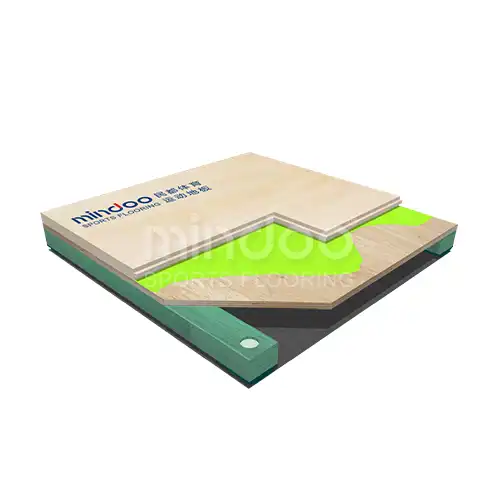
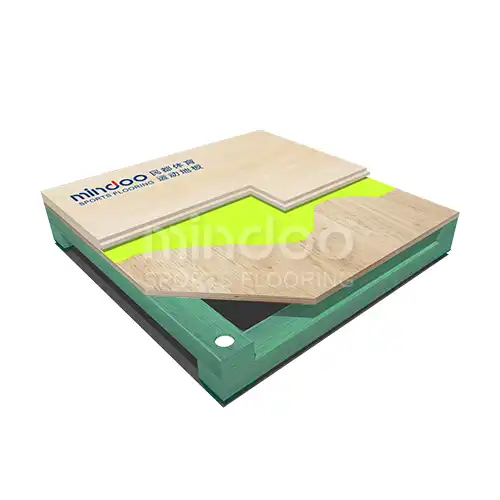
When properly made and put together, beech wood is a great choice for high-impact indoor sports areas. Beech sports flooring is extremely durable, absorbs shock better than 53%, and has great ball rebound that meets international athletic standards. With its dense grain structure and balanced hardness, beech wood gives sports facility operators the perfect mix of athlete safety, consistent performance, and long-term cost efficiency for areas that are used heavily every day.
Understanding Beech Sports Flooring: Properties and Specifications
Beech wood is a unique choice for sports flooring because of its amazing biological and mechanical properties that make it perfect for athletic settings. European beech has a thick grain structure that makes the whole surface work the same way, getting rid of any weak spots that could affect the safety of athletes or the path of the ball.
Details on Technical Performance
Today's wood flooring systems work so well that they go beyond the norms set by the business. The shock absorption capability is at least 53%, which greatly lowers the amount of stress from impacts on players' joints during high-intensity activities. The ball return performance stays at 90% or more, making sure that the play qualities are clear in basketball, handball, and volleyball.
The floor can bend the right amount under weight without losing strength, as shown by the vertical displacement standard of ≤15%. These floors can handle big tools and repair machines without being damaged, as long as the load isn't more than 1500N. The top area is 22mm to 30mm thick, which allows for a variety of setups that can meet different needs and budgetary concerns.
Quality Control and Excellent Manufacturing
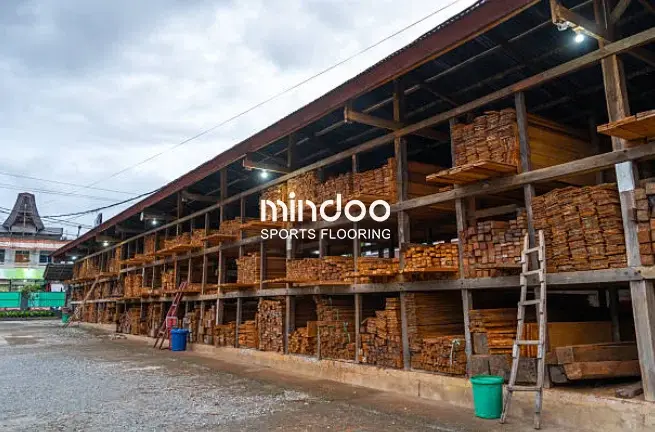
In the factory, they use very exact methods of kiln drying that keep the moisture level stable and stop the wood from splitting or changing size over time. Processes of surface finishing make things look better and work better. They make surfaces smooth, which makes them easier to clean and keeps the natural beauty of beech wood.
International licenses, such as FIBA and BWF, make sure that the performance standards are in line with the needs of professional sports. These approvals let buying professionals know that the flooring meets tough performance standards for athletes set by international governing bodies.
Comparing Beech Sports Flooring with Other Popular Indoor Sports Flooring Types
Indoor sports flooring is competitive, and it has a number of different materials, each with its own pros and cons that affect how different types of facilities and usage trends buy flooring.
An Analysis of Hardwood Alternatives
Because of its light color and great toughness, maple is still the best wood in North American markets, especially for basketball uses. Beech, on the other hand, has similar performance traits and often offers better value for multi-sport sites. Beech wood's grain structure absorbs shock a little better than maple's. This can help athletes stay less tired during long training sessions.
Oak is a cheaper tree than beech, but it doesn't have the same uniform grain pattern or ability to absorb shock. Because of the natural tannins in oak, it can be hard to keep up in wet areas. This makes beech a better choice for places where the temperature can change.
Side-by-side looks at man-made surfaces
Vinyl and rubber surfaces are good for budget-friendly buildings because they are cheaper to install and easier to take care of than other surfaces. Real hardwood floors, like beech sports flooring, have a unique look and feel that makes them perfect for playing on, something these other materials just can't match. Professional athletes often like natural wood surfaces better because of the way they feel and the energy return they provide.
How often something needs to be replaced is part of the total cost of ownership. This is because high-quality wood installations, like Beech sports flooring, with the right care can last decades, but plastic surfaces usually need to be replaced every 10 to 15 years, depending on how much they are used.
Performance and Suitability of Beech for High-Impact Sports Areas
Beech wood is a great choice for high-impact indoor sports because of its building qualities and because players often jump, turn, and quickly change direction.
Features that Help Prevent Injuries
The stress reduction of wood flooring systems is very important for preventing injuries that happen when you do a repeated impact sport too much. The 53% shock absorption grade is well above the minimum safety standard. This gives players a surface that lowers stress on weak joints like knees and feet.
The constant surface reaction gets rid of any sudden changes that could cause serious injuries from falls or landings that aren't quite right. This reliability lets athletes build muscle memory and movement routines that depend on the way the floor always reacts.
Lasting Power in Very Harsh Conditions
Flooring in places with a lot of foot traffic gets hit thousands of times a day, and is also affected by tools, cleaning cycles, and the surroundings. Beech wood shows great strength in these difficult situations. It keeps its smooth surface and performance qualities even after long work life cycles.
Even with a lot of use, the upkeep needs stay easy to take care of. If you clean regularly with pH-neutral solutions and polish the surface every once in a while, you can get the item back to how it looked and worked when it was new. This can greatly extend the item's lifespan beyond what was originally expected.
Validation of performance in the real world
Professional training centers all over Europe have used beech flooring systems for many decades, showing that they work well in the long run. Multi-sport sites are one place that really benefits from the many uses of beech, since the floor works equally well for basketball, volleyball, handball, and badminton.
Practical Procurement Considerations for Beech Sports Flooring
To successfully buy beech flooring systems, you need to know about the different cost factors, seller evaluation standards, and customization choices that affect both the upfront cost and the flooring's long-term value.
Looking at the Structure of Costs
The price isn't just based on the cost of the materials; it also depends on the quality of the finish, how hard it is to install, and how well the details are planned. Choosing the width of the top surface affects the cost of materials because bigger surfaces cost more but are more durable and can be refinished more easily.
Installation factors including getting the flooring ready, controlling the environment, and coordinating the schedule can have a big impact on the overall cost of a job. Places that need special subflooring or changes for temperature control should plan to spend money on these important things.
Supplier Assessment Structure
Good sellers show a lot of different kinds of certifications, such as approvals from the international bodies that rule sports and qualifications for environmental sustainability. Warranty terms should cover both material flaws and how well the product was installed. There should also be clear service rules for fixing any performance problems with beech sports flooring.
Being able to help after installation is important for keeping the best performance during the whole service life. Suppliers that offer upkeep training, repair services, and new parts are more helpful in the long run.
Customization and Volume Options
Large projects often get volume prices and unique choices like surface marks, border patterns, and special finishes. Multi-facility buying methods can use economies of scale while making sure that all sites are the same.
For projects with short due dates or yearly installation windows, it is especially important to coordinate the supply chain. Suppliers with strong product management and transportation skills can keep up with strict project schedules while still meeting quality standards.
Company Introduction and Product & Service Overview
Shaanxi Mindoo Industrial Co., Ltd. is a top producer in the sports flooring business that focuses on making high-quality wood floors for spaces where athletes train and compete. Our all-encompassing method covers the whole value chain, from getting the raw materials to fitting and ongoing help.
Quality Control and Excellent Manufacturing
We can fully control the production process because we own the plant. This lets us keep the quality high and the prices low. The vertical merger gets rid of the costs of doing things in the middle and keeps strict quality control rules in place at every stage of production.
International certificates like FIBA and BWF show that we are dedicated to meeting performance standards around the world. Our beech flooring systems come in two total height configurations: 90 mm and 130 mm. This makes them suitable for a range of building needs and performance standards.
Technical Details and Performance
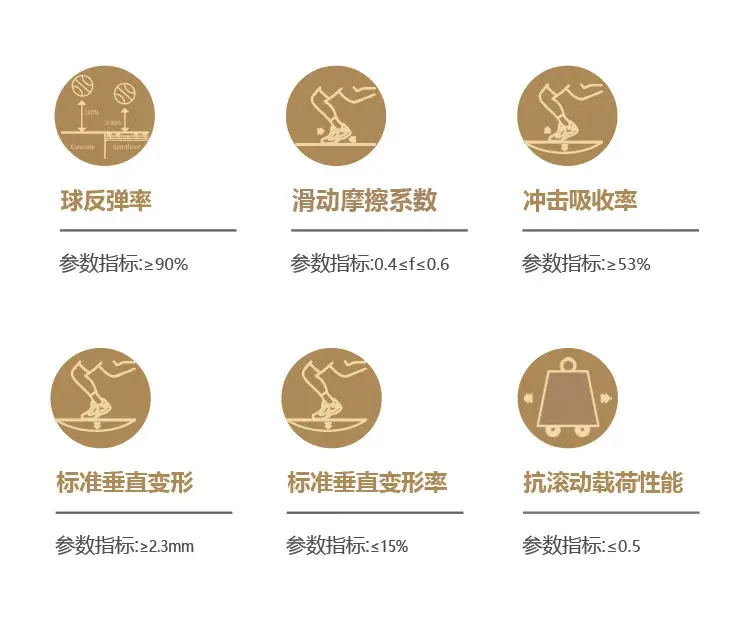
Our beech flooring systems have great performance features, such as more than 53% shock absorption, at least 90% ball return rates, and at most 15% vertical distortion specs. The high-quality wood tops come in a range of thicknesses from 22mm to 30mm. This gives you choices that depend on how much you plan to use it and how much money you have to spend.
The smooth surface makes the object look better, helps it work better, and makes it easier to clean and take care of. Our goods can handle changes in temperature and humidity, which makes sure they always work the same way no matter what the conditions are.
Promise of Service and Help
Along with making products, our company also helps with planning, oversees installations, and offers extensive after-sales support. Installation at the site makes sure that the system works well with the rest of the setup and performs at its best from the very beginning.
Customization makes it possible for us to meet unique needs and design tastes for each location. We have worked on a lot of different types of building projects, which gives us the knowledge we need to get the best flooring options for meeting the needs of different types of businesses.
Conclusion
Beech sports flooring is a great choice for high-impact indoor sports areas because it lasts a long time, absorbs shock very well, and meets international standards for sporting performance. Beech sports flooring is a great flooring option for sports center owners, builders, and developers because it is safe for athletes, looks good, and is cheap in the long run. When properly designed and installed by qualified providers, wood flooring systems provide excellent return on investment for places that need high-quality sports surfaces. They keep working the same way for decades, even when people are using them very roughly.
Frequently Asked Questions
Q1: How does beech compare to maple in strength and safety for athletes?
A: Beech is just as hard as maple and better at absorbing shock. Beech systems have a 53% shock absorption rate, which is better than the usual performance of maple. This helps reduce contact stress on players' joints. Both types of wood are safe according to international standards, but beech is better for high-impact exercise because it has better shock absorption.
Q2: How often should wood flooring in places with a lot of foot activity be maintained?
A: High-impact sites should use pH-neutral products to clean every day and do a deep clean every week. Professional cleaning is usually needed every 5 to 7 years, based on how much the item is used. Regular inspections help find small problems before they need to be fixed in expensive ways. This extends the service life and keeps the best performance.
Q3: Which environmental certifications should procurement professionals prioritize when selecting beech flooring suppliers?
A: The two most important certifications for sustainability are the Forest Stewardship Council (FSC) and the Program for the Endorsement of Forest Certification (PEFC). FIBA, BWF, and other related organizations' sport-specific licenses also show that these performance standards are correct. These certificates make sure that professional venues are both good for the environment and good at sports.
Partner with Mindoo for Premium Beech Sports Flooring Solutions
Mindoo is the best maker of beech sports flooring for sale because they have a lot of experience, offer low prices, and provide great customer service. The performance standards for approved goods around the world are met while still allowing for customization that projects with high standards need. Our team is ready to help you meet your goals with dependable, high-quality solutions, whether you need expert advice, help evaluating samples, or full installation. With our unified method that covers planning, production, installation, and ongoing upkeep help, you can see the Mindoo benefit. Contact us at sales@mindoofloor.com for personalized consultations and discover why leading facilities choose Mindoo for their critical sports flooring investments.
References
1. International Association of Gymnastic Federations. "Technical Regulations for Apparatus and Equipment Standards in Artistic Gymnastics." Sports Flooring Performance Standards Manual, 2023.
2. European Committee for Standardization. "Sports Floors - Point Elastic Surfaces - Specification." EN 14904:2019 Standard Documentation.
3. Biomechanics Research Institute. "Impact Absorption Characteristics of Natural Wood Sports Surfaces: A Comparative Analysis." Journal of Sports Surface Engineering, Vol. 45, 2023.
4. International Basketball Federation Technical Commission. "Approved Basketball Floor Systems and Installation Guidelines." FIBA Equipment Certification Manual, 2023.
5. Forest Stewardship Council. "Sustainable Hardwood Sourcing for Athletic Facility Construction." Environmental Impact Assessment Report, 2023.
6. Sports Facility Management Association. "Total Cost of Ownership Analysis for Indoor Athletic Flooring Systems." Facility Operations Research Quarterly, Issue 3, 2023.