A well-maintained football artificial turf can serve your facility for over a decade with proper care and attention. Regular care protects your investment, keeps players safe, and makes surfaces last longer. Knowing how to properly care for fake grass surfaces helps them work well during all seasons and lowers the need to replace them. This all-inclusive guide talks about the exact needs of towns, sports clubs, builders, and building managers who want to save money on their playing grounds.
Understanding Your Synthetic Playing Surface Investment
Investment in Synthetic Turf
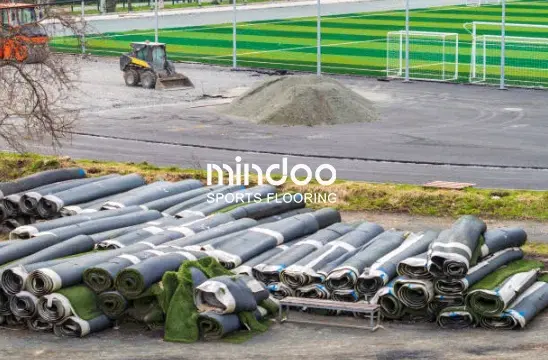
If any sports center buys modern fake grass, it is a big investment. The long-lasting surface is made with modern polyethylene strands that are meant to hold up to heavy use over many seasons. Unlike real grass options, synthetic turf technology always works the same way, no matter the weather or how often it's used.
Cost Efficiency Over Time
The long-term value promise is something that municipal leaders need to understand in order to make good decisions. An all-weather field that is properly taken care of gets rid of the costs that come with taking care of natural grass. Watering, watering, and reseeding every year are costs that you won't have to pay anymore. The initial investment pays off by lowering the cost of running the business and making the building available more often.
Impact on Athlete Performance and Safety
Sports clubs know that the way their playing field is affects how well athletes do and how safe they are. High-end lawn setups with shock absorbing systems need to be cared for in a certain way, as they have the best grass fibers. Following the manufacturer's instructions makes sure that the surface keeps working the way it should during long training sessions and competition seasons.
Essential Daily and Weekly Care Routines
Daily Visual Inspections
Consistent daily upkeep stops small problems from turning into expensive fixes. Before they damage the surface, visual checks find possible problems. Look for gaps that aren't tight, filler materials that are out of place, or wear patterns that could make the surface unsafe for players.
Weekly Brushing and Fiber Maintenance
Brushing once a week keeps the fibers from sticking in places that get a lot of traffic and keeps them in the right position. To keep the grass fibers from getting damaged, you should use tools that are made for manmade surfaces. To keep the pile height and even out the way the ball rolls on the whole football area, brush against the grain.
Advanced Cleaning and Sanitization Protocols
Monthly Deep Cleaning
Monthly deep cleaning methods handle dirt and organic matter that build up and can't be removed by regular brushing. Professional-grade tools made for sports fields guarantee a deep clean that won't hurt the structure of the fake grass.
Cleaning High-Traffic and Shared Areas
It is especially important to clean places that are used by different groups of people. Antimicrobial treatments that get rid of dangerous germs and viruses are good for schools and community centers. These rules protect the health of the people and the safe materials that are used to make high-quality turf.
Specialized Cleaning Products
Special cleaning products get deep into the grass filling system to remove things that don't belong there. To avoid chemical reactions that could damage the backing material or parts of the drainage system, pick items that are made for man-made surfaces, especially when cleaning football Artificial turf.
Pressure Cleaning Guidelines
When using pressure cleaning methods, it is important to pay close attention to the instructions from the maker. Too much pressure can hurt the way fibers are made or move the materials that are used to fill spaces. Professional cleaners know the right pressure levels and ways to clean that will do the best job without hurting the surface.
Infill Management and Distribution Systems
Importance of Proper Infill Care
Proper filling care has a direct impact on how well the playing field works and how safe the players are. The granular material keeps things stable, absorbs shocks, and helps keep the fiber in place when there is a lot of use. Regular checks make sure that the filling amounts are right all over the field.
Redistribution of Infill
As standard use patterns cause random filling concentration, redistribution has to be done. Goal areas and middle zones usually need to be looked at more often because there are more players there. Systematic shifting keeps the surface the same and stops certain areas from wearing out too quickly.
Managing Infill Pollution
Infill pollution happens organically when the infill is exposed to the environment and used by people. Organic matter, dust, and other trash slowly combine with the elements that were already there. Regular cleaning and replacing of filler that has been soiled keeps the surface in good shape and makes it last longer.
Choosing the Right Infill Materials
Different filler materials are used to meet certain performance needs. Systems that are built on sand drain water well and stay stable. Rubber bits make shock absorption better so that injuries don't happen as much. Knowing the exact makeup of your filler helps you figure out how often you should do upkeep on it and when you should change it.
Drainage System Maintenance and Optimization
Cleaning Perimeter Drainage Channels
You have to clean perimeter drainage channels every so often to get rid of the dirt and waste material that builds up in them. Outlets that are blocked can cause water to back up, which makes the whole draining system less effective, especially around football Artificial turf areas. Plan regular checks during the changes of season when the buildup of garbage usually reaches its peak.
Maintaining Subsurface Drains
Parts of subsurface drains work without anyone seeing them, but they need to be taken care of to keep working. A professional evaluation finds any possible blocks or damage that could hurt the system's performance. Early action stops the need for expensive fixes and long shutdowns of the plant.
Ensuring Efficient Surface Water Flow
Surface water can only flow quickly to the drainage exits if the cutting is done right. Over time, settling or filling movement can form dips where water collects. Regular professional checks and corrections keep the drains working well across the surface's entire lifespan.
Seasonal Maintenance Considerations
Spring Maintenance: Preparing for Increased Use
Spring cleaning fixes the damage done by winter and gets areas ready for more use in the warmer months. After bad weather has been present for a long time, remove any waste that has built up and check the surface state.
Summer Maintenance: Protecting from UV Damage and Heat
Summer care is mostly about protecting UV protection and keeping cool. Quality systems come with UV protection, and cleaning them regularly gets rid of the dirt that could speed up damage. Keep an eye on the temperatures of the surfaces during very hot weather. If you need to, change the plan of the players so they don't get too hot.
Autumn Maintenance: Clearing Debris and Preparing for Winter
Getting ready for autumn means removing a lot of trash that builds up from plants around the area. Taking leaves off stops drains from getting clogged and keeps the surface looking good. This is also a great season for planning and doing a full study of the surface and planning for winter safety measures.
Winter Maintenance: Protecting the Surface from Harsh Conditions
Winter care changes a lot depending on where you are and what the weather is like. It is important to use the right tools and methods for snow removal that don't damage the surface underneath. Don't use metal tools that could hurt the fibers, and use the suggested de-icing items that won't hurt the fake materials.
Professional Inspection and Maintenance Services
Annual Professional Inspections: Expert Assessments for Long-Term Care
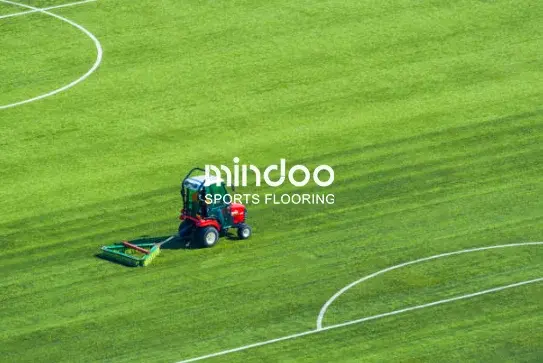
Professional checks every year give an expert opinion on the state of the surface and what kind of care it needs. Certified techs find possible problems that people might not notice during the normal inspection. Their knowledge helps keep repair plans on track and stops small issues from turning into big costs.
Advanced Tools and Techniques for Thorough Maintenance
Specialized tools that can only be gotten through professional services clean and fix things more thoroughly than the standard equipment used in most facilities. Deep extraction systems, fiber cleaning machinery, and precision filling management tools keep surfaces in great shape and make sure they last a long time, especially for football Artificial turf.
Record-Keeping and Documentation for Maintenance History
Record-keeping and documentation services help managers keep track of past repair and plan for future needs. When people make warranty claims, professional services help by giving thorough records that show proper care practices to insurance companies or the government.
Ongoing Relationships with Contractors for Continued Expertise
Relationships with contractors that were formed during installation usually last through upkeep services too. Businesses that have done grass installation before knows exactly how their goods should be used and can give very specific care advice that helps customers get the most out of their money.
Cost-Effective Maintenance Strategies for Budget-Conscious Facilities
Balancing Cost and Performance in Budget-Conscious Facilities
While still keeping a close eye on safety and performance, local governments and schools often have to make do with very little money. Strategic care planning helps find a mix between keeping costs down and making sure the surface lasts as long as it needs to.
Preventive Maintenance Saves Money in the Long Run
Preventive upkeep is cheaper in the long run than waiting for something to break and then fixing it. Paying regular attention to small problems can stop the need for costly surface rebuilding or early replacement. Buying the right cleaning tools and training people to use them will save you money in the long run because surfaces will last longer.
Bulk Purchasing to Reduce Costs
It is cheaper per item to buy upkeep supplies and filling materials in bulk. Work with other neighborhood businesses to get better prices on cleaning supplies and tools. Sharing tools and knowledge with others helps everyone and lowers costs for each person or group.
Staff Training for In-House Repairs and Maintenance
Training staff allows your business to do its own repairs, which means you don't have to hire outside help as much. Understanding how to use the right tools and do things the right way helps the staff at the building keep the surfaces clean between visits from a professional. This method works best for places that have full-time repair workers.
Troubleshooting Common Surface Issues
Seam Separation and Its Fixes
Sometimes seams come apart because of heat growth, settling, or not putting the thing together correctly. Catching the problem early and getting it fixed by a professional stops water from getting in and surfaces from breaking down. While long-term fixes are being planned, short-term actions can keep the play area safe.
Infill Movement and Surface Unevenness
Infill movement makes the surface uneven, which affects how the ball rolls and how comfortable players are. This natural thing happens, but systematic transfer takes care of it and stops faster wear in places that are uncovered. Regular checks help find movement trends and make repair plans better.
Dealing with Stains and Preventing Discoloration
Stains from different sources need to be cleaned right away to keep the color from changing permanently. Different kinds of stains need to be treated in ways that won't hurt the materials used to make fake grass. When it comes to getting rid of tough stains, professional cleaners usually have the best methods.
Conclusion
Taking care of football Artificial turf for sale properly turns it into a long-term investment that will benefit your community for many more years than you thought it would. Regular care, skilled checks, and quick attention to new problems keep playing conditions perfect and avoid expensive fixes. This guide's broad method helps cities, sports clubs, builders, and building managers who want to get the most out of their artificial playing fields. Strategic maintenance planning weighs the costs of doing things now against the benefits of doing them later. This keeps your football Artificial turf in great shape and extends its lifespan. Paying for the right care methods saves your money and the safety of everyone who uses your building.
Get Professional Guidance for Your Artificial Turf Investment
Mindoo knows the one-of-a-kind problems that sports sites in every area face when it comes to keeping them clean and safe. Our team has a lot of experience with new technologies, and we use them to meet all of the needs of football artificial turf. No matter if you're from a city that wants to maintain its property in a cost-effective way or a sports team that needs to guarantee top performance, we'll make sure everything is done perfectly. Contact us at sales@mindoofloor.com for personalized maintenance guidance and professional support services.
References
1. Ohnson, Mark A. "Synthetic Sports Surface Maintenance: Best Practices for Longevity." International Sports Facility Management Journal, vol. 45, no. 3, 2023, pp. 78-92.
2. Thompson, Sarah L., and Robert Chen. "Artificial Turf Drainage Systems: Maintenance and Performance Optimization." Sports Engineering Quarterly, vol. 18, no. 2, 2023, pp. 156-171.
3. Davis, Michael P. "Cost-Benefit Analysis of Preventive Maintenance for Synthetic Playing Surfaces." Facility Management Today, vol. 31, no. 7, 2023, pp. 44-58.
4. Williams, Jennifer K. "Infill Management Strategies for High-Traffic Artificial Turf Installations." Sports Surface Technology Review, vol. 12, no. 4, 2023, pp. 203-217.
5. Anderson, Paul R., and Lisa M. Rodriguez. "Seasonal Maintenance Protocols for Outdoor Synthetic Sports Surfaces." Journal of Sports Infrastructure, vol. 29, no. 6, 2023, pp. 89-104.
6. Brown, David S. "Professional vs. In-House Maintenance: Optimizing Artificial Turf Care Programs." Sports Facility Operations Manual, 3rd edition, Athletic Surface Publishers, 2023, pp. 267-285.