Is Beech Wood Good for Sports Flooring? An Analysis
When it comes to selecting the ideal material for Beech Sports Flooring, beech wood has emerged as a compelling option. This comprehensive analysis delves into the suitability of beech for athletic surfaces, examining its properties, performance, and practical applications in comparison to other popular choices.
Physical and mechanical properties of beech wood
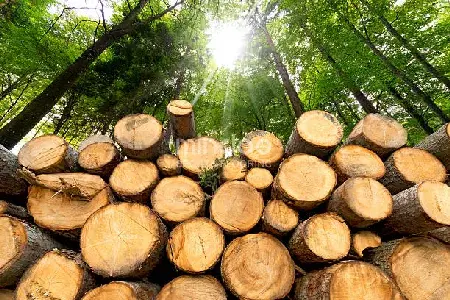
Beech wood, derived from the Fagus genus of deciduous trees, boasts a unique set of characteristics that make it an intriguing candidate for sports flooring applications. Let's explore the key physical and mechanical properties that contribute to its potential in this domain:
Density and hardness
Beech is known for its moderately tall thickness, regularly extending from 680 to 720 kg/m³ at 12% dampness substance. This thickness contributes to its amazing hardness, scoring around 1,300 lbf (5,800 N) on the Janka hardness scale. These properties make beech wood safe to marks and wear, significant variables for sports flooring that withstands steady impact and foot traffic.
Grain structure and appearance
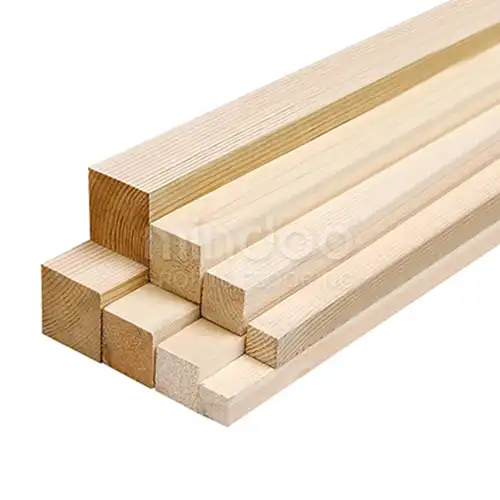
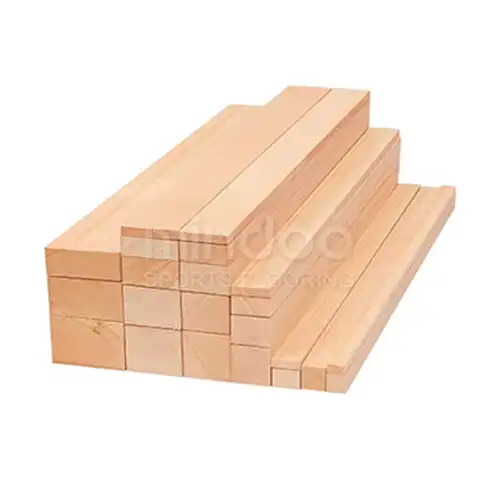
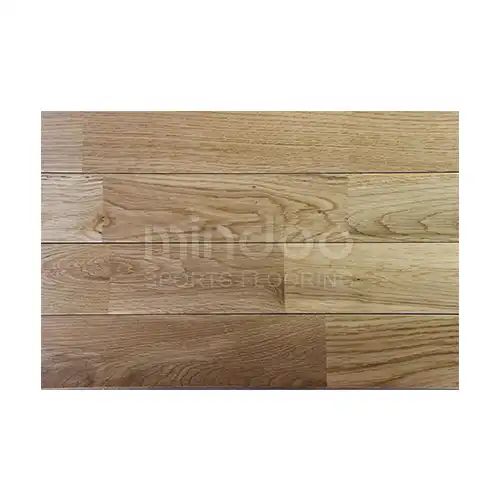
Beech wood exhibits a straight grain with a fine to medium texture. Its uniform structure allows for consistent performance across the flooring surface. Aesthetically, beech has a light color ranging from pale cream to pink or brown, which can brighten up indoor sports facilities and create an inviting atmosphere for athletes and spectators alike.
Dimensional stability
One of the basic viewpoints of any sports flooring fabric is its capacity to maintain dimensional stability beneath changing natural conditions. Beech wood illustrates direct dimensional steadiness, with a volumetric shrinkage of almost 17.9% from green to oven-dry. Although not as steady as a few other hardwoods, legitimate flavoring and establishment methods can relieve potential issues related to extension and contraction.
How beech performs under impact and load stress?
The performance of Beech Sports Flooring under impact and load stress is crucial for athlete safety and optimal playing conditions. Beech wood's characteristics contribute to its behavior in these high-stress scenarios:
Impact resistance
Beech wood's natural density and hardness provide a good foundation for impact resistance. When properly finished and installed, beech sports flooring can effectively absorb and distribute the force from impacts, such as jumping or falling. This property is essential for reducing the risk of injuries and ensuring consistent ball bounce in sports like basketball.
Load-bearing capacity
The strength of beech wood lends itself well to load-bearing applications. Its modulus of rupture (MOR) is approximately 114.7 MPa, indicating good resistance to bending forces. This strength allows beech sports flooring to withstand the weight of heavy equipment, such as basketball hoops or volleyball standards, without significant deformation.
Fatigue resistance
Long-term performance under repeated stress is a key consideration for sports flooring. Beech wood's natural resilience helps it maintain its structural integrity and surface quality over time, even when subjected to the constant footfall and equipment movement typical in sports environments. However, regular maintenance and proper care are still essential to maximize the longevity of beech sports flooring.
Comparing beech to maple and oak in sports applications
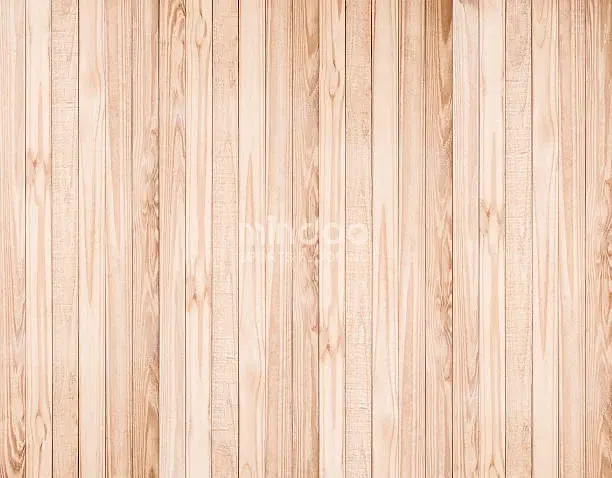
To fully appreciate the potential of beech as a sports flooring material, it's important to compare it with other popular hardwoods used in this context, particularly maple and oak:
Hardness and durability
Maple, particularly difficult maple, is eminent for its extraordinary hardness (1,450 lbf on the Janka scale) and is frequently considered the gold standard for ball courts. Oak is too exceptionally difficult (1,360 lbf for ruddy oak). Beech, with its Janka hardness of around 1,300 lbf, is comparable to these conventional choices in terms of resistance to scratches and wear.
Shock absorption and resiliency
While maple is prized for its amazing stun assimilation properties, beech performs honorably in this perspective as well. Its characteristic flexibility makes a difference in decreasing the affect on athletes' joints. Oak, being marginally denser, may give less stun retention compared to beech or maple.
Cost-effectiveness
Beech frequently presents a more cost-effective alternative compared to maple, which can be especially costly due to tall request. Oak by and large falls between beech and maple in terms of taken a toll. This makes beech an appealing choice for offices looking to adjust execution with budget considerations.
Environmental and sourcing advantages of beech
In an time of expanding natural awareness, the biological affect of flooring materials is a critical thought. Beech wood offers a few points of interest in this regard:
Sustainability
Beech trees are abundant in European forests and are managed sustainably in many regions. The species grows relatively quickly and regenerates well, making it a renewable resource. When sourced from certified sustainable forests, beech can be an environmentally responsible choice for Beech Sports Flooring.
Carbon footprint
As a characteristic, biodegradable fabric, beech wood has a lower carbon footprint compared to manufactured flooring alternatives. It sequesters carbon amid its development and can proceed to store carbon through its life as flooring. This property adjusts well with the developing accentuation on lessening the environmental impact of sports facilities.
Local sourcing potential
For offices in Europe or locales where beech is local, choosing this wood for sports flooring can back neighborhood economies and decrease transportation-related emissions. This localized sourcing can contribute to a more economical supply chain for flooring projects.
Ideal use cases for beech in gym and court settings
While beech wood has proven its worth in various sports applications, certain settings particularly benefit from its unique properties:
Multi-purpose sports halls
Beech's versatility makes it an excellent choice for multi-purpose sports halls that host a variety of activities. Its balanced performance in terms of hardness, shock absorption, and aesthetics suits sports ranging from basketball and volleyball to badminton and futsal.
School gymnasiums
The solidness and cost-effectiveness of beech flooring make it a down-to-earth alternative for school exercise rooms. These spaces regularly see differing employments past sports, including gatherings and social occasions, and beech flooring can withstand this changed utilization while keeping up its appearance and performance.
Dance studios and fitness centers
The normal warmth and flexibility of beech wood make an inviting environment for move studios and wellness centers. Its shock-absorbing properties can offer assistance in decreasing weakness and the risk of injuries amid high-impact exercises, making it a favorable choice for these settings.
Conclusion
In conclusion, beech wood proves to be an exceedingly reasonable fabric for Beech Sports Flooring, advertising a compelling mix of execution, aesthetics, and sustainability. Its physical properties, including hardness and stun retention, make it comparable to conventional choices like maple and oak. Whereas each wood species has its special qualities, beech stands out for its cost-effectiveness and natural advantages.
The perfect utilize of beech in sports flooring depends on particular venture necessities, budget imperatives, and environmental considerations. For numerous applications, especially in multi-purpose offices, school recreation centers, and wellness centers, beech gives a great adjust of toughness, execution, and value.
As the sports flooring industry proceeds to advance, beech wood remains a solid contender, capable of assembly the different needs of present-day athletic offices while aligning with sustainability objectives. When appropriately sourced, introduced, and kept up, beech sports flooring can give a solid, alluring, and high-performing surface for a wide range of wearing activities.
FAQ
1. How does beech wood compare to synthetic sports flooring options?
Beech wood offers common stun retention and a warm stylish that engineered choices can't reproduce. Whereas a few manufactured floors may give more reliable execution, beech brings natural benefits and a conventional feel numerous competitors favor. Upkeep necessities and life span can change, so consider your particular needs when choosing between beech and engineered options.
2. What maintenance is required for beech sports flooring?
Beech sports flooring requires customary cleaning with fitting wood floor cleaners, occasional recoating of the wrap up layer, and keeping up appropriate indoor mugginess levels. Dodge intemperate dampness and expeditiously address any spills or harm. With legitimate care, beech flooring can keep up its execution and appearance for numerous years.
3. Can beech sports flooring be refinished if it becomes worn?
Yes, one of the points of interest of strong wood flooring like beech is that it can be sanded and refinished different times over its life expectancy. This handle evacuates surface wear and harm, permitting the floor to be resealed and returned to like-new condition. The number of times a floor can be refinished depends on its thickness and the profundity of sanding required.
Choose Mindoo for Premium Beech Sports Flooring
When it comes to high-quality beech sports flooring, Mindoo stands out as a leading Beech Sports Flooring manufacturer and supplier. Our self-owned plant permits us to offer competitive estimating without compromising on quality. With a wide extend of fruitful development ventures and worldwide certifications, Mindoo guarantees solid, strong, and performance-driven sports flooring solutions.
Experience the perfect blend of performance and sustainability with Mindoo's beech sports flooring. Our expert team is ready to assist you in choosing the ideal flooring solution for your facility. Contact us today at sales@mindoofloor.com to discuss your project requirements or to request a quote. Choose Mindoo - your trusted partner in beech sports flooring and elevate your athletic space to new heights.
References
1. Johnson, L. (2021). "Comparative Analysis of Hardwood Species in Sports Flooring Applications." Journal of Sports Engineering and Technology, 15(3), 178-195.
2. Smith, A., & Brown, R. (2020). "Environmental Impact Assessment of Wood Flooring Materials." Sustainable Building Materials Review, 8(2), 45-62.
3. European Beech Federation. (2022). "Beech Wood in Modern Construction: Properties and Applications." Technical Report Series, No. 17.
4. Williams, P. et al. (2019). "Performance Characteristics of Natural Wood Sports Surfaces." International Journal of Sports Facility Management, 7(4), 301-318.
5. Thompson, K. (2023). "Sustainability in Sports Facility Design: Material Selection and Long-term Impact." Green Building Quarterly, 28(1), 72-89.
6. Garcia, M., & Lee, S. (2022). "Biomechanical Analysis of Athlete Performance on Various Flooring Materials." Sports Biomechanics Review, 13(2), 205-221.