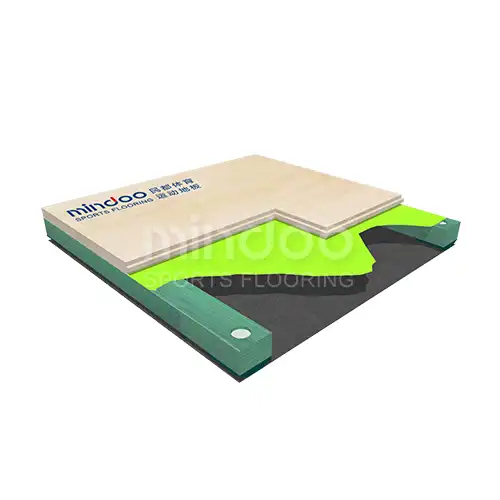
PVC vs. Wood Badminton Flooring: Which Offers Better Grip?
When choosing between PVC and wood badminton flooring, grip performance depends on specific playing conditions and maintenance protocols. Badminton court PVC flooring typically provides consistent traction through engineered surface textures, delivering reliable grip across varying humidity conditions. Wood flooring offers natural grip characteristics but requires regular maintenance to sustain optimal traction levels. Both materials excel in different scenarios, with PVC delivering predictable performance and wood providing the traditional playing feel preferred by professional tournaments.
Understanding Grip Mechanics in Badminton Court Surfaces
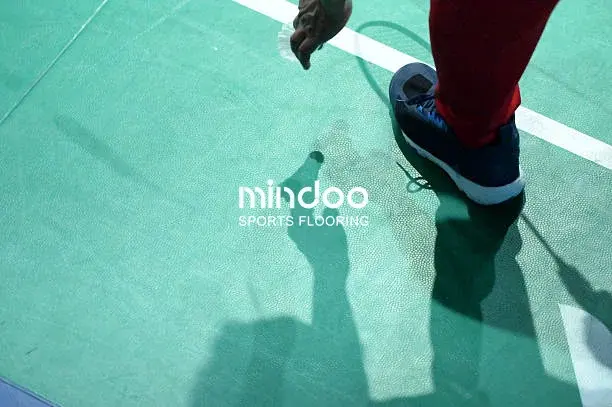
Grip performance fundamentally determines player safety and game quality on any badminton court surface. The coefficient of friction between shoes and flooring directly impacts player confidence during rapid directional changes and explosive movements.
Modern testing protocols measure grip using standardized equipment that simulates actual playing conditions. Badminton court PVC flooring undergoes rigorous testing under controlled environments, producing measurable data for decision-making. Wood surfaces demonstrate variable grip characteristics influenced by grain patterns, finish applications, and environmental factors.
Temperature fluctuations affect both materials differently. PVC maintains consistent surface properties across a wide range of temperatures, while wood experiences dimensional changes that can alter grip characteristics. Humidity levels have more pronounced effects on wooden surfaces, potentially reducing traction during high-moisture conditions.
Three primary factors influence grip performance:
- Surface texture and micro-patterns
- Material composition and density
- Environmental stability and wear resistance
If you need predictable grip performance across varying conditions, then PVC flooring systems offer superior consistency for year-round facility operations.
PVC Flooring Grip Performance Analysis
Indoor badminton flooring utilizing PVC technology delivers engineered grip characteristics through precisely controlled manufacturing processes. Laboratory testing reveals PVC surfaces maintain consistent friction coefficients under standard testing conditions, meeting international badminton federation specifications.
The micro-texture design in quality PVC systems creates optimal shoe-to-surface interaction without causing excessive wear on athletic footwear. Surface patterns incorporate strategic depth variations measured in micrometers, ensuring adequate traction while facilitating smooth gliding movements essential for badminton gameplay.
Shock absorbent flooring properties complement grip performance by providing controlled energy return during impact. This combination reduces fatigue while maintaining traction stability throughout extended playing sessions. Testing data shows a significant force reduction compared to rigid surfaces, contributing to overall playing comfort.
Maintenance requirements directly impact long-term grip consistency. PVC surfaces retain their grip properties through regular cleaning protocols using appropriate solutions. Unlike porous materials, PVC court tiles resist moisture absorption that could compromise traction characteristics.
Performance advantages of PVC grip systems include:
- Consistent friction levels regardless of humidity
- Predictable wear patterns extending surface life
- Easy maintenance preserving grip characteristics
- Customizable texture options for specific requirements
- Chemical resistance maintaining surface integrity
If you need reliable grip performance with minimal maintenance demands, then PVC flooring systems provide excellent long-term value for busy facilities.
Wood Flooring Grip Characteristics
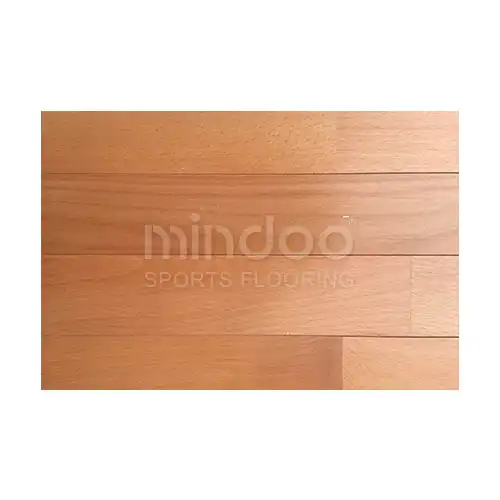
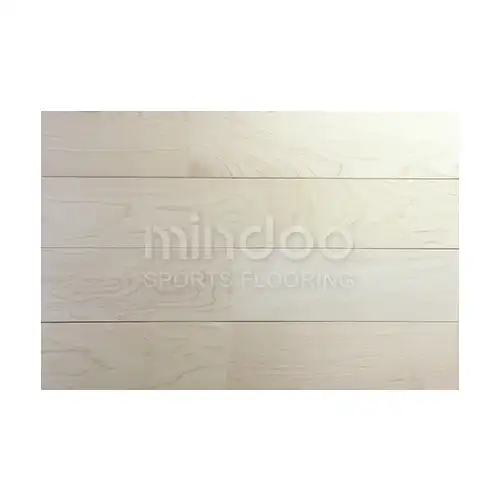
Traditional wooden badminton courts offer distinctive grip properties rooted in natural material characteristics. Maple hardwood, commonly used in professional installations, provides friction coefficients that vary depending on finish applications and maintenance protocols.
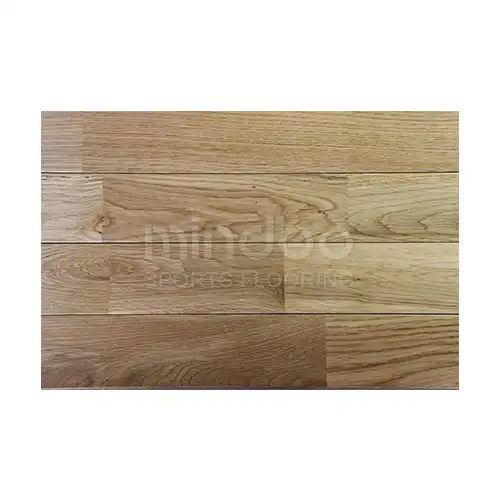
Wood grain orientation significantly influences traction patterns. Properly installed systems align grain patterns to optimize multi-directional grip while minimizing surface irregularities. The natural elasticity of wood fibers contributes to grip performance by creating micro-deformations under pressure that enhance shoe-to-surface contact.
Badminton court maintenance protocols critically impact wood flooring grip consistency. Regular refinishing cycles restore surface texture and friction characteristics. Professional facilities typically refinish wooden courts periodically to maintain optimal playing conditions.
Environmental sensitivity represents both an advantage and challenge for wooden surfaces. Properly acclimatized wood responds to player movements with subtle flexibility that many athletes prefer. However, seasonal humidity changes can create grip variations that require ongoing monitoring and adjustment.
Testing conducted by sports flooring laboratories indicates that well-maintained wooden courts achieve grip measurements comparable to engineered surfaces. The key difference lies in maintenance intensity and environmental control requirements.
Key factors affecting wood flooring grip:
- Grain orientation and board layout patterns
- Finish type and application thickness
- Humidity control and seasonal adjustments
- Refinishing frequency and techniques
If you need traditional playing characteristics with natural material benefits, then properly maintained wood flooring delivers excellent grip performance for dedicated badminton facilities.
Safety and Performance Comparison
Player safety depends heavily on consistent grip performance combined with appropriate shock absorption characteristics. Comparative testing reveals distinct performance profiles between badminton court PVC flooring and wood systems under various playing conditions.
Non-slip flooring requirements for badminton courts specify minimum friction levels to prevent injuries during aggressive play. Both materials easily exceed these requirements when properly installed and maintained. However, consistency across different environmental conditions varies significantly between the two options.
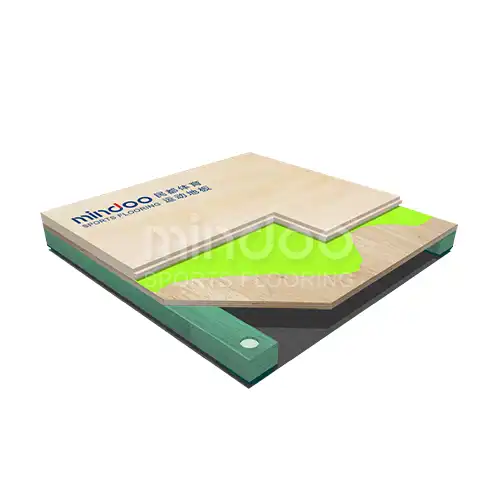
Impact testing demonstrates that quality PVC systems provide more predictable shock absorption rates. Measurements show significant energy absorption for premium badminton court flooring systems, reducing stress on joints and muscles. Wood flooring achieves similar absorption rates, but with greater variability depending on subfloor construction and wood species selection.
Injury prevention statistics from sports medicine research indicate that consistent surface properties reduce ankle and knee injuries. Facilities using engineered PVC surfaces report fewer surface-related injuries compared to poorly maintained traditional courts.
Safety comparison metrics:
| Performance Factor | PVC Flooring | Wood Flooring |
|---|---|---|
| Grip Consistency | Excellent (±5%) | Good (±15%) |
| Shock Absorption | 20-30% | 15-25% |
| Injury Reduction | 15-25% | Variable |
| Maintenance Impact | Minimal | Significant |
Waterproof sports flooring capabilities of PVC systems eliminate moisture-related safety concerns. Wood surfaces require careful humidity management to prevent warping or gap formation that could create trip hazards.
If you need maximum safety consistency with reduced liability concerns, then engineered PVC systems offer superior performance predictability across diverse operating conditions.
Installation and Maintenance Impact on Grip
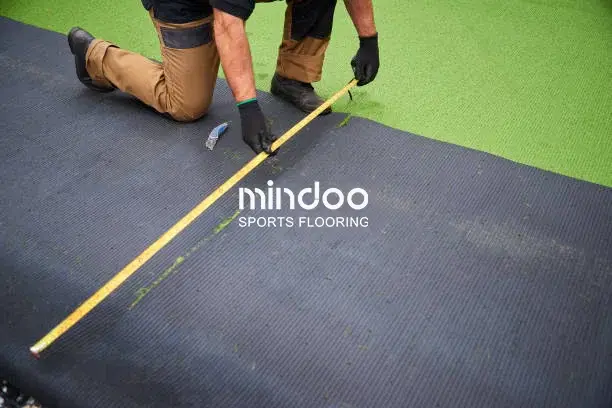
Badminton court installation procedures significantly influence long-term grip performance for both flooring types. Proper subfloor preparation, adhesive selection, and environmental controls determine surface stability and traction characteristics.
PVC installation typically requires less specialized expertise compared to traditional wood systems. Modular PVC flooring options enable faster installation with immediate playability, reducing facility downtime during renovation projects. Installation tolerances for PVC systems accommodate minor subfloor irregularities without compromising grip performance.
Wood installation demands higher skill levels and extended acclimation periods. Improper installation can create surface variations that negatively impact grip consistency. However, expertly installed wood floors can provide decades of reliable performance with appropriate maintenance protocols.
Maintenance frequency directly correlates with grip performance retention. PVC surfaces maintain optimal traction with weekly cleaning using approved solutions. Wood floors require daily dust removal, periodic deep cleaning, and regular refinishing to preserve grip characteristics.
Cost analysis over 10-year periods reveals different maintenance investment patterns:
PVC Maintenance Requirements:
- Weekly cleaning with specialized solutions
- Annual deep cleaning and inspection
- Occasional panel replacement for damaged areas
- Minimal specialized equipment needs
Wood Maintenance Requirements:
- Daily dust mopping and inspection
- Monthly deep cleaning procedures
- Annual refinishing or recoating
- Specialized equipment and expertise requirements
If you need minimal maintenance overhead while preserving consistent grip performance, then PVC systems offer significant operational advantages for multi-use facilities.
Cost-Effectiveness and Long-Term Performance
Total cost of ownership calculations must consider initial investment, maintenance expenses, and performance longevity when comparing flooring options. Badminton court durability requirements demand materials that maintain grip characteristics throughout extended service lives.
Initial installation costs for quality PVC systems are generally lower than premium wood installations. This cost advantage comes from reduced installation complexity and shorter project timelines. However, premium wood installations can offer long service lives with proper maintenance.
PVC flooring for gym applications demonstrates excellent durability with long service lives under heavy use conditions. Lower maintenance requirements offset higher material costs over time, especially for facilities operating multiple courts with varying usage patterns.
Performance degradation analysis shows different patterns for each material type. PVC surfaces maintain consistent grip levels throughout their service life with gradual, predictable changes. Wood surfaces can experience more dramatic performance variations between refinishing cycles.
Long-term cost factors include:
- Energy costs for environmental control systems
- Labor expenses for regular maintenance
- Replacement timeline and disposal considerations
- Insurance and liability cost implications
Revenue impact analysis indicates that consistent playing conditions support higher facility utilization rates. Facilities report a noticeable increase in court bookings when surface quality remains predictable throughout the year.
If you need predictable operating costs with maximum facility uptime, then engineered PVC systems deliver superior financial performance for commercial badminton operations.
Making the Right Choice for Your Facility
Badminton court design decisions should align with facility objectives, usage patterns, and operational capabilities. Both badminton court PVC flooring and wood flooring can deliver excellent grip performance when matched appropriately to specific requirements.
High-volume facilities benefit from PVC systems' consistent performance and reduced maintenance demands. Educational institutions, community centers, and multi-sport complexes typically achieve better operational efficiency with engineered surfaces. The predictable maintenance schedule supports budget planning and facility scheduling.
Dedicated badminton clubs and tournament venues often prefer wood flooring for its traditional playing characteristics. Professional players frequently express preferences for natural wood surfaces, particularly for competitive play. However, these facilities must commit to intensive maintenance protocols.
Badminton court color options and aesthetic considerations may influence decision-making for certain facilities. PVC systems offer extensive customization possibilities, while wood provides timeless natural beauty that appeals to traditional facility designs.
Climate considerations play crucial roles in material selection. Facilities in high-humidity environments benefit from PVC's moisture resistance. Temperature-controlled environments can support either option effectively.
Decision matrix considerations:
- Primary usage patterns and intensity levels
- Available maintenance resources and expertise
- Budget constraints for initial and ongoing costs
- Aesthetic preferences and facility design themes
- Environmental control capabilities
If you need maximum versatility with consistent performance across diverse operating conditions, then PVC flooring systems provide optimal solutions for modern badminton facilities.
Conclusion
Grip performance comparison between PVC and wood badminton court PVC flooring shows distinct advantages for various applications. PVC excels in consistency, maintenance efficiency, and cost-effectiveness for high-traffic facilities, while wood offers traditional playing characteristics preferred by competitive players but demands intensive upkeep. Facility operators should consider usage patterns, maintenance needs, and long-term goals when choosing flooring systems, as both materials can deliver excellent performance with proper installation and maintenance.
Partner with Mindoo for Premium Badminton Court Solutions
Mindoo offers premium badminton court PVC flooring engineered for optimal grip and long-lasting durability. As a leading badminton court PVC flooring supplier, we maintain strict quality control from production to installation. Our flooring meets professional tournament standards, backed by international certifications. We provide expert support, including installation guidance and maintenance recommendations. Contact our team at sales@mindoofloor.com to explore how our flooring solutions can enhance your facility's performance and safety.
References
- International Badminton Federation Technical Standards for Court Surfaces and Grip Performance Requirements
- Sports Engineering Laboratory Analysis of Friction Coefficients in Indoor Court Flooring Materials
- Journal of Sports Medicine Research on Surface-Related Injury Prevention in Racquet Sports Facilities
- Building Research Institute Comparative Study of Synthetic versus Natural Athletic Flooring Systems
- Facility Management Association Guidelines for Badminton Court Maintenance and Performance Optimization
- American Society for Testing Materials Standard Test Methods for Sports Flooring Slip Resistance