Drainage is the most important aspect of football Artificial turf. It directly affects the safety of the players, the life on the field, and how well the field works. It is important for people who are choosing fake turf systems to make sure that they have good drainage. This is what will make sure water is handled right. Surface water builds up when there isn't enough draining. The field is less safe to play on, and the grass dies faster. Our modern polyethylene fiber structure and special backing systems let water drain quickly, even after it rains a lot. This means that the surface can be used all year.
Understanding Drainage in Football Artificial Turf
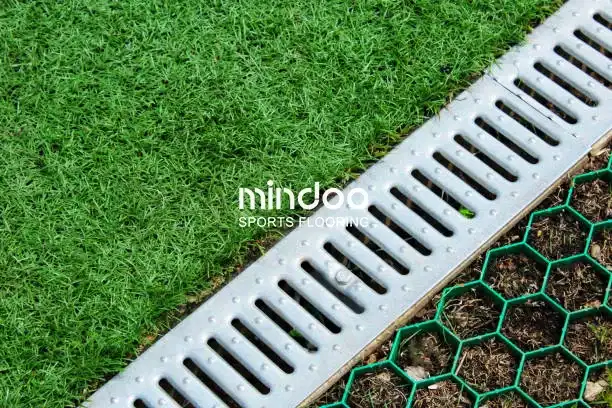
A complex technical method called "effective drainage" in synthetic turf systems makes it easy for water to be quickly removed from playing fields. This device keeps the field from drowning and keeps the conditions perfect for sports. Several linked parts make up the draining system, and they all work together to move water away from the surface.
Core Drainage Components and Their Functions
These days, football Artificial turf drainage is made up of a few important parts that all work together perfectly. The permeable backing layer is the main water path. It is made of special materials that let water pass through while keeping the structure strong. Polyurethane and polymer materials are used in these backing systems. They don't break down when they are exposed to water all the time.
Beneath the turf layer, aggregate base materials create a foundation for water collection and redirection. These carefully graded stone and sand layers facilitate horizontal water movement toward designated drainage outlets. The aggregate composition varies based on regional climate conditions and anticipated rainfall patterns.
Common Drainage Problems and Their Consequences
Inadequate drainage systems create cascading problems that compromise facility operations and athlete safety. Water pooling on playing surfaces increases injury risks through unstable footing and unpredictable ball behavior. Extended moisture exposure accelerates fiber degradation and promotes bacterial growth, leading to unpleasant odors and surface contamination.
Field downtime represents a significant operational concern for sports facilities. Poor drainage can render fields unusable for days after weather events, disrupting scheduled activities and reducing revenue potential. This downtime particularly impacts municipal facilities and sports complexes that depend on consistent field availability.
Key Factors in Drainage Performance for Football Artificial Turf
Multiple variables influence drainage effectiveness in football Artificial turf installations. Understanding these factors enables informed decision-making during procurement and installation planning.
Turf Fiber Technology and Water Permeability
The draining properties of monofilament fiber structure are better than those of standard slit-film or fibrillated options. The diamond form of our polyethylene fibers makes the best paths for water to flow between the strands. The exact thickness and width make the perfect space for water to drain quickly while keeping the structure strong.
Backing material composition significantly impacts water permeability rates. Advanced polyurethane backing systems maintain flexibility under varying temperature conditions while preserving drainage capacity. This technical approach ensures consistent performance across diverse climate zones.
Subsurface Foundation Requirements
Proper grading establishes the foundation for effective water management. Installation sites require precise slope calculations to direct water flow toward designated collection points. Base material selection depends on soil conditions, regional precipitation patterns, and expected usage intensity.
Drainage infrastructure including perforated pipes and retention systems must integrate seamlessly with the overall field design. These underground components require professional installation to ensure long-term reliability and maintenance accessibility.
Environmental and Usage Considerations
Regional rainfall intensity directly influences drainage system specifications. Areas experiencing frequent heavy precipitation require enhanced capacity to handle peak water volumes. Freeze-thaw cycles in northern climates demand specialized materials that maintain permeability under temperature fluctuations.
Field traffic frequency affects drainage performance over time. High-usage facilities benefit from robust drainage systems that maintain effectiveness despite intensive athletic activities and equipment movement.
Comparing Football Artificial Turf Drainage vs. Natural Grass Drainage
When compared to natural grass alternatives, football Artificial turf systems have been shown to have a higher drainage efficiency. The engineering design concepts that emphasize water management are the source of this performance advantage.
Drainage Speed and Efficiency Comparison
Artificial turf surfaces typically achieve complete water clearance within 15-30 minutes following precipitation events. This rapid drainage enables immediate field use after weather disruptions. Natural grass fields often require hours or days to become playable, particularly during heavy usage periods when soil compaction reduces permeability.
The designed layering that is used in synthetic systems generates predictable patterns of water flow, which in turn maximizes the effectiveness of drainage. The existence of natural grass is dependent on the presence of varied soil conditions, which may become soggy, resulting in playing conditions that are muddy and possibly hazardous.
Maintenance Requirements and Long-term Performance
Drainage maintenance for artificial turf involves straightforward cleaning and inspection procedures. Monthly comprehensive cleaning using specialized equipment maintains optimal water flow while removing debris accumulation. Natural grass demands intensive aeration, soil amendments, and seasonal renovations to preserve drainage capacity.
Studies that have been conducted over an extended period of time have shown that synthetic grass that has been laid correctly will keep its drainage properties constant over its entire service life. Because of excessive usage, natural grass drainage becomes less effective, which necessitates continual investments in soil management and field rebuilding initiatives.
How to Evaluate and Choose Football Artificial Turf Based on Drainage
Selecting optimal drainage performance requires systematic evaluation of technical specifications and performance metrics. Decision-makers should establish clear criteria aligned with facility requirements and operational goals.
Critical Performance Metrics and Standards
Permeability rates serve as the primary measurement for drainage capacity. Industry standards specify minimum drainage rates of 150mm per hour for sports applications. Water flow speed and surface drying time provide additional performance indicators that impact field usability.
International certifications from organizations like FIFA and World Rugby establish baseline performance requirements. These standards ensure drainage systems meet professional-grade specifications for safety and playability.
Climate and Usage Alignment
The local environment determines the exact drainage needs for the best results. Facilities in places where it rains a lot need systems with more capacity, while facilities in dry areas may focus on keeping water for cooling reasons. Indoor systems have special problems that need special ways to handle air and moisture.
Usage intensity analysis helps determine appropriate drainage specifications. Training facilities with daily use patterns require more robust systems than occasional-use recreational fields. Budget considerations must balance initial investment with long-term operational benefits.
Installation Best Practices for Optimized Football Artificial Turf Drainage
Professional installation ensures drainage systems perform according to design specifications. Proper ground preparation and material selection create the foundation for long-term success.
Ground Preparation and Base Construction
Site preparation begins with precise grading to establish proper water flow patterns. Laser-guided equipment ensures accurate slope calculations that direct water toward collection points. Base material installation requires careful attention to compaction levels that maintain permeability while providing structural stability.
Our comprehensive installation approach includes site preparation, drainage integration, and final quality assurance. Expert installation teams possess extensive knowledge of field design specifications gained through numerous sports facility projects.
Turf Installation and Infill Selection
Proper turf positioning maintains drainage pathways created during base construction. Seaming techniques must preserve water flow continuity across field sections. Infill material selection impacts overall drainage performance, with specialized products designed to enhance water movement while providing playing surface stability.
Post-installation care programs keep systems working well by cleaning and inspecting them on a regular basis. Once a week brushing keeps the fibers in place and gets rid of waste, and once a month cleaning makes sure the best draining is possible.
Conclusion
The most important thing to consider when choosing football Artificial turf is how well it drains. This has a direct effect on safety, usefulness, and long-term worth. Drainage systems that work right keep the playing surface dry, lower the risk of injuries, and keep the conditions the same no matter the weather. Modern synthetic grass is very well engineered so that water can drain quickly while keeping the surface's structure and sports performance qualities. When you invest in good drainage technology, you get measured benefits like lower maintenance costs, more field access, and happier users in a wide range of building types.
Frequently Asked Questions
Q1: How quickly should football artificial turf drain after heavy rain?
A: Professional-grade artificial turf systems should clear surface water within 15-30 minutes following heavy precipitation. Our polyethylene fiber construction with specialized backing achieves complete drainage in approximately 30 minutes, enabling immediate field use after weather events.
Q2: Can poor drainage cause permanent damage to artificial turf?
A: Poor drainage accelerates turf degradation through fiber wear, backing deterioration, and bacterial growth. Water accumulation creates ideal conditions for mold development and unpleasant odors while compromising structural integrity. Proper drainage systems prevent these issues and extend service life beyond ten years.
Q3: What maintenance is required to preserve drainage performance?
A: Routine maintenance includes weekly brushing to align fibers and remove debris, monthly comprehensive cleaning, and annual professional inspections. Unlike natural grass, synthetic turf requires no watering, fertilization, or chemical treatments, significantly reducing ongoing maintenance expenses while preserving optimal drainage capacity.
Choose Mindoo for Superior Football Artificial Turf Solutions
Mindoo offers top-tier artificial turf systems designed for excellent drainage and durability. With a fully integrated manufacturing process, we ensure quality at every step, from sourcing materials to installation. As a trusted football artificial turf supplier, we provide tailored solutions to meet the unique needs of sports facilities.
Our direct factory control allows us to eliminate middlemen, offering competitive pricing for municipalities, sports clubs, and facility managers. We also offer flexible customization to suit specific climate conditions and usage demands. With expert installation, we ensure your turf performs optimally from day one. For more information or to discuss your project, visit mindoofloor.com to explore our full range of high-performance synthetic turf solutions.
References
1. McNitt, A. S., Petrunak, D. M., & Serensits, T. J. (2018). "Drainage Performance Standards for Synthetic Turf Athletic Fields." Journal of Sports Engineering and Technology, 232(4), 287-296.
2. Fleming, P. R., Young, C., & Dixon, N. (2007). "Artificial Sports Surfaces: Recent Advances in Assessment Methods." Proceedings of the Institution of Civil Engineers - Ground Improvement, 11(3), 143-152.
3. FIFA Quality Programme for Football Turf. (2019). "FIFA Quality Programme for Football Turf - Handbook of Test Methods." Fédération Internationale de Football Association Technical Standards.
4. Straw, C., Fleming, P., & Henry, G. (2009). "Surface Properties and Playing Characteristics of Artificial Turf." Sports Engineering, 12(2), 73-84.
5. World Rugby. (2020). "Artificial Rugby Turf Performance Specification." World Rugby Technical Guidelines for Synthetic Playing Surfaces.
6. American Society for Testing and Materials. (2017). "Standard Test Method for Drainage Rate of Compacted Granular Bases." ASTM International Standards for Sports Surfaces, D6243-17.