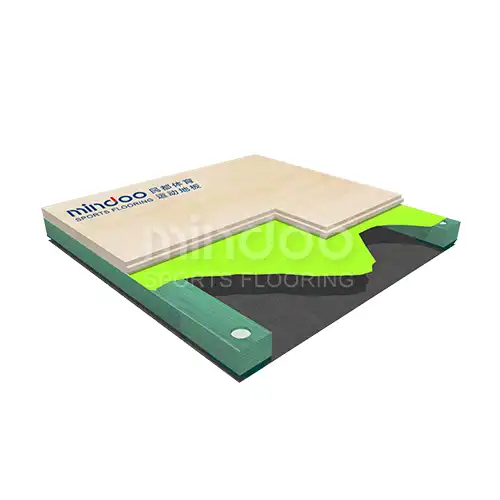
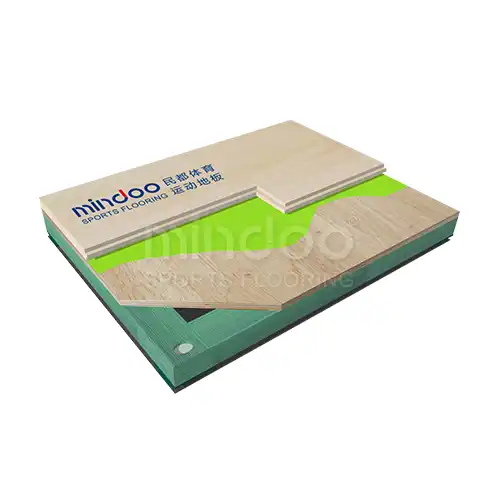
When it comes to choosing the perfect flooring for a basketball court, the debate between solid and engineered wood basketball floors often takes center stage. Both options have their merits, but understanding the key differences is crucial for making an informed decision. In this comprehensive guide, we'll explore the various aspects of solid and engineered wood basketball floors, helping you determine which option best suits your needs.
Structural differences between solid and engineered wood
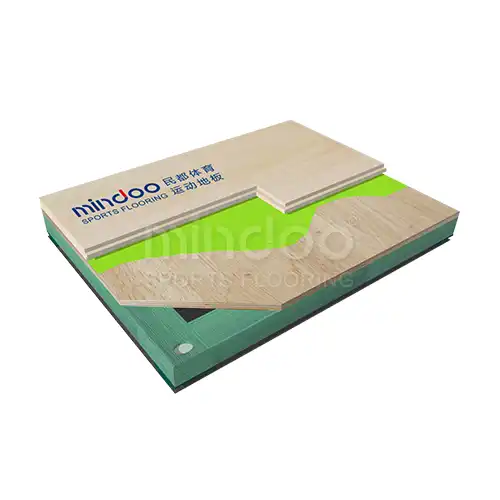
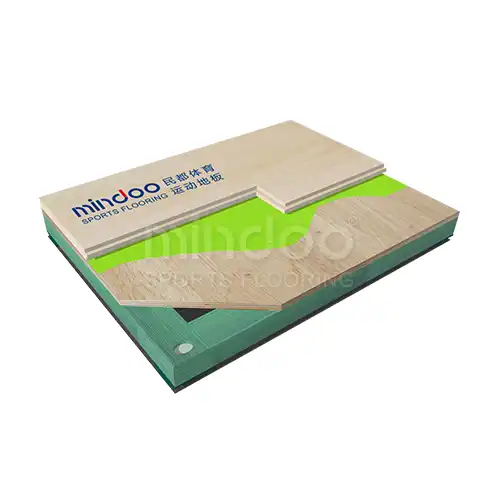
The fundamental distinction between solid and engineered wood basketball floors lies in their construction. Solid wood floors are exactly what they sound like – planks of solid hardwood throughout. On the other hand, engineered wood floors consist of multiple layers, typically with a high-quality wood veneer on top and layers of plywood underneath.
Composition of solid wood floors
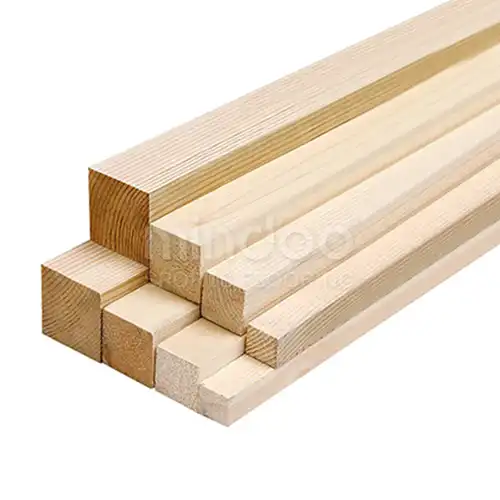
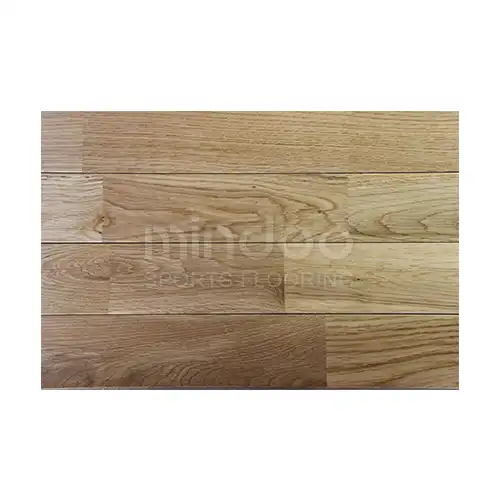
Solid wood basketball floors are crafted from a single piece of hardwood, usually maple, oak, or birch. These floors boast a thickness ranging from 3/4 inch to 7/8 inch, providing a substantial and durable playing surface. The uniform composition of solid wood allows for multiple sandings and refinishings over its lifespan, contributing to its longevity.
Layered structure of engineered wood floors
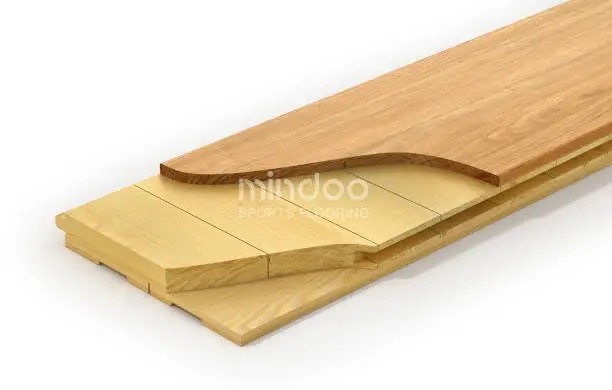
Engineered wood floors highlight a more complex structure. The beat layer, known as the wear layer, is made from high-quality hardwood and can change in thickness from 2mm to 6mm. Underneath this layer are different handles of wood, regularly plywood or high-density fiberboard (HDF), organized in a cross-grain design. This development improves soundness and resistance to natural changes.
How each type performs under heavy use and moisture?
Basketball courts endure significant wear and tear, making durability and moisture resistance critical factors in flooring selection. Let's examine how solid and engineered wood floors stack up in these areas.
Durability under heavy foot traffic
Solid wood floors are famous for their vigor and capacity to withstand overwhelming foot activity. The thickness of strong wood permits for different sandings and refinishings, successfully reviving the floor's appearance and execution. Designed wood floors, whereas solid, may have confinements on the number of times they can be refinished, depending on the thickness of the wear layer.
Moisture resistance and dimensional stability
Engineered wood floors for the most part outflank strong wood in terms of dampness resistance and dimensional soundness. The cross-layered development of built wood minimizes extension and withdrawal due to stickiness changes. Strong wood, being more vulnerable to dampness, may require more exacting climate control measures to avoid twisting or cupping.
Cost and lifespan comparison of both flooring types
When investing in a basketball court, understanding the long-term financial implications is crucial. Let's break down the cost and lifespan factors for both solid and engineered wood floors.
Initial investment and installation costs
Solid wood basketball floors typically come with a higher initial investment compared to engineered wood. This fetched is driven by the premium nature of strong hardwood, which requires sourcing high-quality, strong timber. Furthermore, the establishment of strong wood floors includes a more labor-intensive process, counting exact processing and wrapping up on-site, which can increase establishment costs. On the other hand, built wood floors are for the most part more reasonable to buy, due to the layered development that employments less strong hardwood. Moreover, built wood is simpler to introduce, regularly requiring less time and specialized labor. The less difficult establishment prepare and lighter fabric weight contribute to lower by and large costs for designed wood floors. For offices working inside budget limitations or looking for a faster establishment prepare, built wood offers a cost-effective elective without relinquishing as well much on performance.
Long-term value and maintenance expenses
While the forthright fetched of strong wood floors is higher, they give critical long-term esteem due to their toughness and capacity to be refinished different times. This capacity to resurface strong wood floors makes a difference amplify their life expectancy, keeping the court in beat condition and protecting its aesthetics. Over time, refinishing can make strong wood floors more cost-effective as the require for total substitution is decreased. On the other hand, designed wood floors are ordinarily more reasonable at first but have confinements when it comes to refinishing. Whereas they still offer strength, once the wear layer is worn down, they may require substitution or maybe than refinishing. Depending on the level of utilize, built wood seem bring about higher long-term support costs if it needs to be supplanted sooner than strong wood. Hence, strong wood is frequently a superior venture for offices with tall activity or those looking for a long-lasting, low-maintenance solution.
Installation flexibility and repair options for each
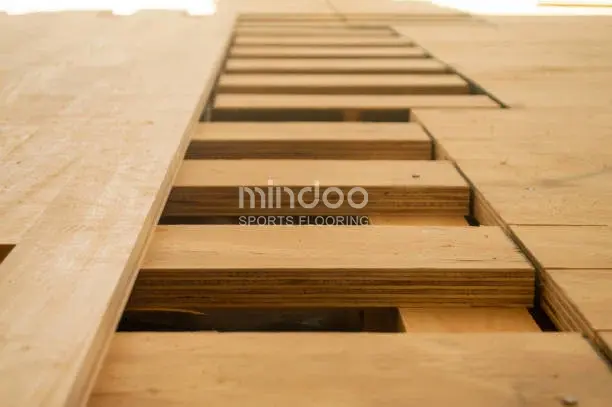
The establishment handle and repair alternatives can significantly affect the generally encounter of owning a ball court. Let's look at how strong and built wood floors contrast in these aspects.
Installation methods and considerations
Solid wood floors regularly require proficient establishment due to their weight and the require for acclimatization to the environment. They are as a rule nailed or stapled to a subfloor. Built wood floors offer more adaptability in establishment strategies, counting coasting establishment, glue-down, or nail-down alternatives, possibly making the prepare faster and more versatile to different subfloor conditions.
Repair and refinishing possibilities
One of the major advantages of solid wood basketball floors is their ability to be sanded and refinished multiple times, allowing for repairs of deep scratches or dents. Engineered wood floors, depending on the thickness of their wear layer, may have limitations on the number of times they can be refinished, potentially affecting long-term repair options.
Selecting the right type based on venue and budget
Choosing between solid and engineered wood basketball floors ultimately depends on your specific circumstances. Consider the following factors to make an informed decision.
Venue considerations: Indoor vs. outdoor courts
For indoor ball courts, both strong and designed wood floors are practical choices. In any case, if you're managing with a cellar court or an zone inclined to dampness, built wood might be the superior choice due to its prevalent dampness resistance. Open air courts by and large require specialized flooring arrangements past conventional wood options.
Budgetary constraints and long-term planning
If your budget permits for a higher introductory venture and you're arranging for the long term, strong wood floors might be the way to go. They offer remarkable toughness and the capacity to be refinished different times. For those with more tightly budgets or shorter-term plans, built wood floors can give a quality playing surface at a more open cost point.
Conclusion
Both solid and engineered wood basketball floors offer distinct advantages, making each suitable for different needs and budgets. Solid wood flooring is known for its exceptional durability and ability to be refinished multiple times over its lifespan. This makes it an ideal choice for high-traffic facilities, such as professional sports arenas or high school gyms, where long-term performance is crucial. Solid wood floors also have a classic aesthetic, adding to the appeal of premium sports facilities. However, solid wood typically comes with a higher upfront cost and requires more intensive maintenance over time to maintain its appearance and functionality.
On the other hand, built wood floors offer critical dampness resistance and more prominent steadiness, making them appropriate for situations with fluctuating mugginess levels, such as exercise centers in ranges with extraordinary climates. Built wood is regularly more reasonable and simpler to introduce than strong wood, making it a viable choice for those with more tightly budgets. Whereas it may not be refinished as as often as possible as strong wood, built wood still gives a long-lasting and dependable arrangement for sports flooring needs. Eventually, the choice between the two depends on your facility's particular necessities, budget, and long-term upkeep plans.
FAQ
1. How long do solid wood basketball floors typically last compared to engineered wood floors?
Solid wood basketball floors can last 50 years or more with proper maintenance and periodic refinishing. Engineered wood floors typically last 20-30 years, depending on the thickness of the wear layer and maintenance practices.
2. Can engineered wood basketball floors be used in areas with high humidity?
Yes, designed wood floors are, by and large, superior suited for ranges with tall stickiness due to their layered development, which gives way better dimensional stability and resistance to moisture-related issues.
3. Are there any performance differences between solid and engineered wood basketball floors?
When properly installed and maintained, both solid and engineered wood floors can provide excellent performance for basketball. The main differences lie in long-term durability, moisture resistance, and refinishing capabilities rather than immediate playing characteristics.
Experience Mindoo's Premium Wood Basketball Floors
Ready to elevate your basketball court with top-quality flooring? Look no further than Mindoo, your trusted wood basketball floor manufacturer. With our self-owned factory, we offer competitive pricing without compromising on quality. Our diverse range of construction projects and international certifications speak to our expertise and reliability. Whether you're leaning towards solid or engineered wood, Mindoo has the perfect solution for your needs. Don't settle for less – choose Mindoo for a basketball floor that stands the test of time. Contact us today at sales@mindoofloor.com to discuss your project and experience the Mindoo difference!
References
1. Johnson, T. (2022). "The Evolution of Basketball Court Flooring: From Hardwood to High-Tech." Sports Facility Management Journal, 15(3), 78-92.
2. Smith, A. & Brown, R. (2021). "Comparative Analysis of Solid and Engineered Wood Flooring in Sports Facilities." International Journal of Sports Engineering, 9(2), 156-170.
3. Basketball Flooring Association. (2023). "Annual Report on Basketball Court Flooring Trends and Technologies." BFA Publications.
4. Williams, E. (2020). "Moisture Management in Indoor Sports Facilities: A Case Study of Wood Basketball Floors." Building and Environment, 178, 106952.
5. Chen, L., et al. (2023). "Life Cycle Assessment of Solid vs. Engineered Wood Flooring in Sports Applications." Journal of Cleaner Production, 350, 131503.
6. International Basketball Federation (FIBA). (2022). "Official Basketball Rules: Basketball Equipment." FIBA Central Board.