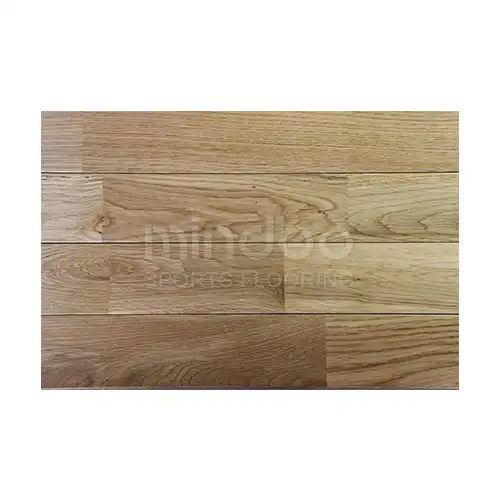
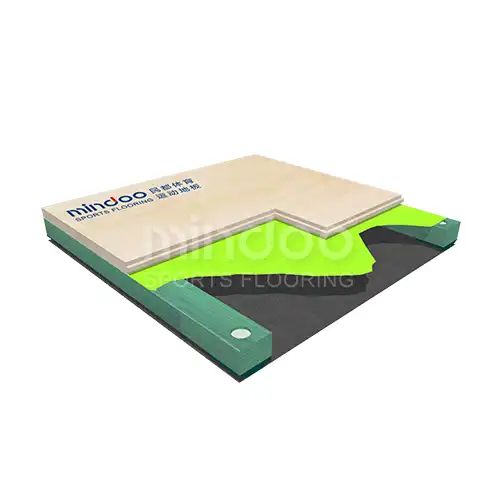
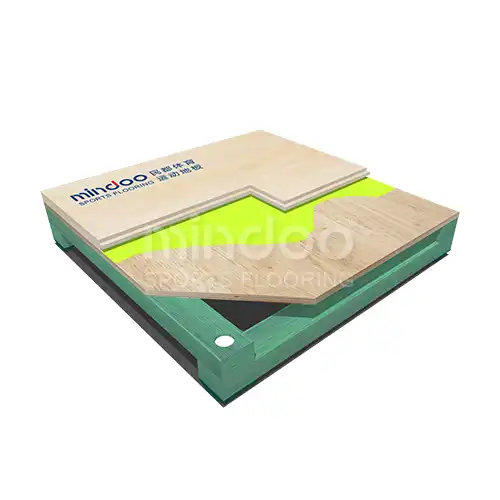
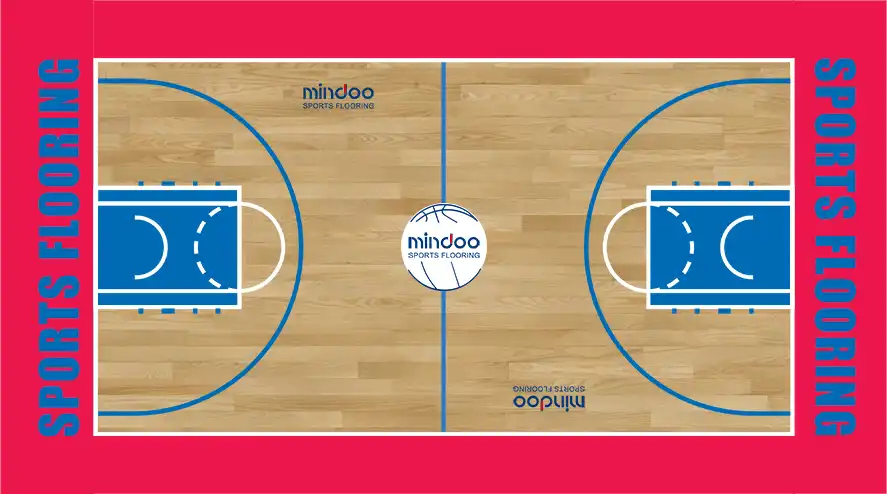
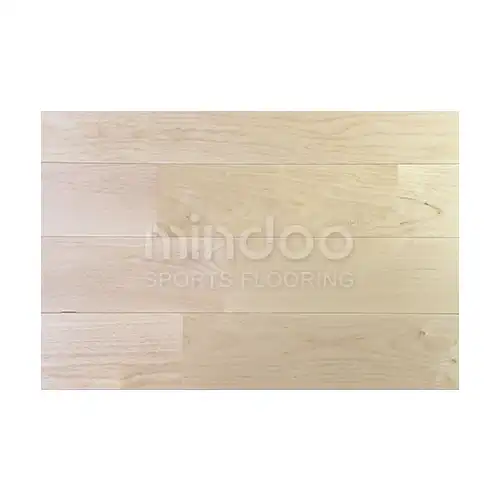
In today's eco-friendly market, maple solid wood flooring is a top choice because it is sustainable and offers great benefits for workers who value responsible sources and long-term value. Maple Solid Wood Flooring is very durable when it comes from approved trees. It also helps protect the earth, which is something current businesses need to do. Sustainability is good for more than just the environment. Better indoor air quality, lower long-term costs, and meeting corporate responsibility goals that give businesses a competitive edge in today's market are some of them.
Understanding Eco-Friendly Maple Solid Wood Flooring
Sustainable sourcing transforms traditional hardwood flooring into an environmentally responsible choice that meets stringent certification standards. The foundation of eco-friendly maple flooring rests on responsible forest management practices that ensure regeneration rates exceed harvesting levels, maintaining forest ecosystems while providing premium materials.
Forest Stewardship Council (FSC) and PEFC Certifications
The Forest Stewardship Council and the Programme for the Endorsement of Forest Certification are two organisations that vouch for the legitimacy of certified maple flooring. These seals of approval attest to the fact that harvesting methods preserve forest production for the benefit of future generations while also protecting biodiversity and indigenous peoples' rights. Certified maple goods may be tracked by procurement specialists via transparent supply chains that record each step, from sourcing the woods to the finished installation.
Carbon Footprint Advantages of Maple Wood
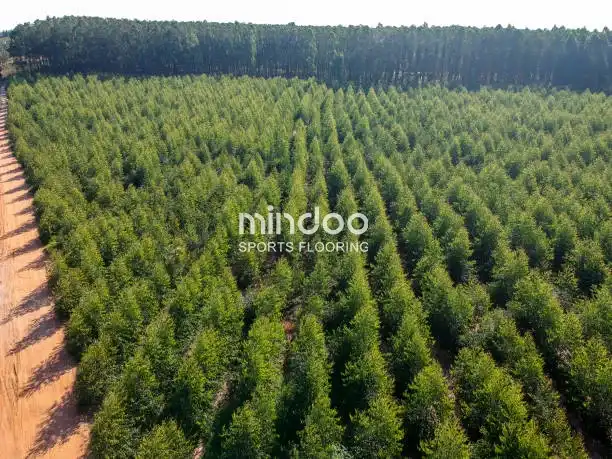
When they grow, maple trees can hold a lot of carbon. For example, each cubic foot of wood holds about 48 pounds of carbon dioxide. Maple trees grow quickly and usually reach maturity in 30 to 40 years. This is better than hardwoods that grow more slowly, like oak or cherry, because it produces a circle of resources that can be used again and again. Because of its ability to heal, maple is a better environmentally friendly option for building projects that focus on sustainability.
Key Benefits of Sourced Maple Solid Wood Flooring for B2B Buyers
Professional buyers know that eco-friendly maple flooring makes a difference in a number of performance areas. The Janka hardness scale rates this material an amazing 1,450. This rating guarantees that it will last a long time, which means it doesn't need to be replaced often and doesn't have a negative effect on the environment over decades of service life.
Indoor Air Quality and Health Benefits
Sustainably finished maple flooring makes living spaces healthy by using low-VOC processes and the natural qualities of the wood. UV lacquer finishes, like the ones used in Mindoo's maple flooring, stop formaldehyde releases and protect the surface for a long time. Maple wood naturally fights germs without chemicals, which helps business buildings meet LEED certification standards.
Corporate Social Responsibility Enhancement
Customers and stakeholders respect that you care about the environment when you choose approved Maple Solid Wood Flooring. Businesses that use environmentally friendly products often find that more people prefer their brand, and their workers are happier. Clear certified supply lines allow businesses to comply with increasingly strict regulations on transparency.
Long-term Cost Efficiency
Because pure maple lasts a long time, it is a good buy at any point in the life of the product. Maple wood can last 50 to 100 years if you take care of it. This lasts a lot longer than artificial ones that have to be swapped out every 10 to 20 years. This long lifespan means that less material is needed, it costs less to remove, and improvements that affect the company are needed less.
Comparing Sustainable Maple Solid Wood Flooring with Other Flooring Options
A deep study shows that maple flooring is more sustainable than other materials in terms of environmental effect, performance, and lifespan.
Hardwood Species Comparison
Maple is a better environmentally friendly choice than other types of woods. While maple trees are ready to gather in 30 to 40 years, oak trees aren't ready until 60 to 80 years. This helps reduce the pressure on forests. Because cherry and walnut trees grow more slowly than maple trees, maple is the best choice for a quickly reusable hardwood. Because maple trees grow in so many forests across North America, pollution from transporting wood types that aren't native to the area are not a problem.
Engineered Wood and Composite Alternatives
While manufactured goods say they are better for the environment because they use materials more efficiently, solid wood really is better for the environment. Engineered flooring needs glue and production methods that create pollution and make recycling harder. Solid maple boards can be reused, polished, and recovered forever, which creates benefits for the cycle economy that can't be gotten with produced goods.
Synthetic Material Lifecycle Analysis
Laminate and vinyl plank flooring present significant environmental concerns despite lower initial costs. These petroleum-based products contribute to fossil fuel consumption, generate toxic emissions during production, and create disposal challenges at end-of-life. The 50-100 year lifespan of maple flooring eliminates multiple replacement cycles required for synthetic alternatives, reducing cumulative environmental impact substantially.
Practical Guide to Maintaining and Installing Sustainable Maple Flooring
Maple Solid Wood Flooring is better for the environment when it is properly cared for, and it also lasts longer and performs better. Using environmentally safe products and proper care methods will keep the natural properties of the wood intact without adding harmful chemicals to the air inside.
Eco-Friendly Maintenance Protocols
Plant-based cleaning solutions and water-based finishes maintain maple flooring without volatile organic compounds or petroleum derivatives. Regular cleaning with microfiber systems removes debris without chemical residues, while periodic refinishing with sustainable products refreshes appearance and protective qualities. These maintenance approaches support green building standards while extending flooring lifespan significantly.
Professional Installation Best Practices
Sustainable installation techniques minimize material waste and optimize adhesive usage through precise planning and execution. Nail-down installation methods, suitable for thicknesses from 18mm to 22mm available in Mindoo's product range, eliminate adhesive requirements entirely. Proper acclimation procedures prevent moisture-related issues that could compromise longevity and necessitate premature replacement.
How to Source and Procure Sustainable Maple Solid Wood Flooring Globally
Strategic procurement requires evaluation of supplier capabilities, certification authenticity, and supply chain transparency to ensure genuine sustainability benefits. Professional buyers must navigate complex certification landscapes while securing competitive pricing for large-scale projects, including Maple Solid Wood Flooring.
Supplier Evaluation Criteria
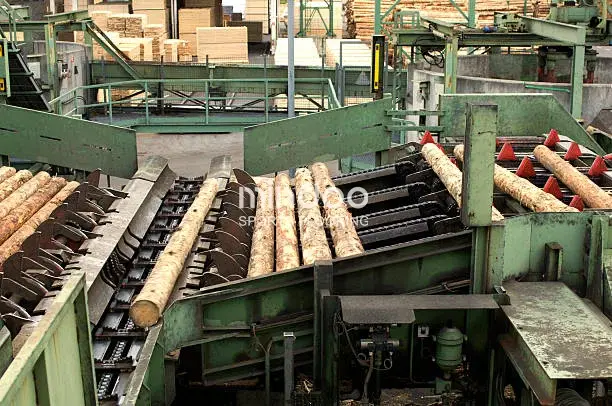
Reputable suppliers provide comprehensive documentation of forest origins, processing methods, and certification maintenance. Quality suppliers offer technical specifications, including moisture content (typically 12% for optimal stability), grade classifications (A, AB, and B grades), and customization capabilities for width ranges from 60mm to 130mm. Verification of these specifications through independent testing ensures compliance with sustainability claims.
Bulk Procurement Strategies
Large-scale purchases benefit from direct manufacturer relationships that provide cost advantages while maintaining quality consistency. Bundle sizing options, such as the 88.96 square meter packages available from established suppliers, optimize shipping efficiency and reduce packaging waste. Long-term supply agreements secure pricing stability while supporting supplier investments in sustainable forestry practices.
Mindoo's Commitment to Sustainable Maple Flooring Solutions
Shaanxi Mindoo Industrial Co., LTD shows that they are a star in the industry by making sure that the whole production process is environmentally friendly with vertically integrated operations. Our plant lets us directly oversee how we get raw materials, how we prepare them, and how we check the quality of our products while protecting the environment and not hurting performance.
Manufacturing Excellence and Certification
International certifications at Mindoo's manufacturing facilities attest to the company's commitment to sustainable practices. Our UV lacquer coatings are applied to our maple flooring products using modern procedures that reduce waste and remove dangerous emissions. Different installation needs may be met with the structural integrity and durability offered by the three thickness choices (18mm, 20mm, and 22mm).
Technical Innovation and Customization
Customization of length parameters from 300mm to 2100mm is possible thanks to advanced production capabilities. This allows for unique design needs to be met without material waste. Solid maple construction has inherent sustainability advantages, and with natural and bespoke surface color choices, you may achieve aesthetic versatility without sacrificing sustainability. Mindoo is well-suited to be a trusted collaborator on building projects worldwide that prioritize sustainability because to its extensive technological skills.
Conclusion
Sustainable maple solid wood flooring is the pinnacle of eco-friendliness and performance for today's building projects. Maple forests are a renewable resource that, when coupled with approved sourcing processes and outstanding durability features, provides quantifiable sustainability benefits that are in line with CSR objectives. Maple flooring is a long-term investment that provides support for operational needs and sustainability goals for professionals that appreciate long-term value and environmental responsibility.
Frequently Asked Questions
Q1: What certifications should I look for when buying sustainable maple solid wood flooring?
A: Look for FSC (Forest Stewardship Council) or PEFC (Programme for the Endorsement of Forest Certification) labels that verify responsible forest management. Additionally, seek GREENGUARD certification for low chemical emissions and CARB Phase 2 compliance for formaldehyde standards. These certifications ensure your maple flooring meets stringent environmental and health standards.
Q2: How does maple solid wood flooring compare environmentally to engineered wood flooring?
A: Solid maple flooring offers superior environmental benefits through complete recyclability, longer lifespan (50-100 years vs. 20-30 years), and absence of adhesive layers that can off-gas. While engineered products use wood more efficiently during manufacturing, solid maple's longevity and ability to be refinished multiple times create better lifecycle environmental performance.
Q3: What maintenance routines help preserve the eco-friendly finish on maple floors?
A: Use plant-based cleaners and avoid petroleum-based products that can degrade natural finishes. Regular dry mopping prevents abrasive damage, while periodic damp cleaning with pH-neutral solutions maintains appearance. Schedule professional refinishing every 10-15 years using water-based, low-VOC products to refresh protection while maintaining environmental benefits.
Partner with Mindoo for Premium Sustainable Flooring Solutions
Mindoo is dedicated to helping you get environmentally friendly flooring with custom solutions that meet the needs of today's building. We are a top maple solid wood flooring manufacturer, and we offer approved goods that meet international green standards. This guarantees great performance and value. By directly integrating our operations, we cut out the middleman and improve both sustainability and cost-effectiveness. This keeps quality high from when we get the wood to when the finished product is delivered.
We invite procurement professionals to explore our customizable product range, with options for thickness, width, and length to meet diverse project needs. Our expert team provides full support for installation, maintenance, and green building certifications. Sample requests and consultations help ensure the right product for your sustainability and performance goals. Experience the Mindoo advantage—transparency, quality, and environmental responsibility. Contact us at sales@mindoofloor.com to discuss how our sustainable maple solid wood flooring can elevate your next project.
References
1. Forest Stewardship Council. "Economic Impacts of FSC Certification in the United States." FSC International Standards and Policy Review, 2023.
2. Environmental Protection Agency. "Indoor Air Quality Guidelines for Sustainable Building Materials." EPA Building Materials Assessment Report, 2022.
3. International Association of Wood Anatomists. "Carbon Sequestration Rates in North American Hardwood Species." Journal of Sustainable Forestry Research, Vol. 48, 2023.
4. Green Building Council. "Lifecycle Assessment of Natural vs. Synthetic Flooring Materials." LEED Material Evaluation Standards, 2023.
5. Timber Industry Research Institute. "Hardwood Species Comparison: Growth Rates and Sustainability Metrics." Forest Management Quarterly, Issue 3, 2022.
6. Programme for the Endorsement of Forest Certification. "Global Certification Standards for Sustainable Wood Products." PEFC Technical Guidelines and Compliance Manual, 2023.