Modern football artificial turf makes a big difference in how sports clubs take care of fields and help players perform better. Synthetic grass can be played on any time of the year with the same quality, unlike natural grass that gets damaged by weather and worn down over time. Professional-grade football artificial turf systems don't need to be taken care of, absorb shock better, and drain water more effectively than other types of grass. This saves clubs thousands of dollars each year in lawn management costs. These tough grounds keep performing the way they should during long practices and competitive matches. This provides dependable playing conditions that improve both player safety and game quality.
Key Performance Indicators That Define Premium Synthetic Turf
Understanding technical details helps clubs make smart choices about spending money on sports fields. The effectiveness and life of quality football fake grass depend on certain measures that are built into it.
Pile height typically ranges from 40-60mm, providing optimal ball roll characteristics while ensuring player comfort during tackles and slides. Fiber density, measured in dtex ratings around 17,000, determines durability under heavy foot traffic. High-grade polyethylene construction with diamond-shaped profiles resists wear better than standard round fibers.
Drainage capacity proves critical for all-weather play. Professional systems handle rainfall rates exceeding 30mm per hour, allowing games to resume within 30 minutes after heavy downpours. Temperature resistance spanning -40°C to +60°C ensures consistent playability across diverse climates.
Shock absorption properties reduce impact forces by up to 50% compared to hard surfaces. This biomechanical advantage decreases player fatigue during extended training sessions while maintaining excellent traction for rapid directional changes.
Core Benefits Transforming Football Club Operations
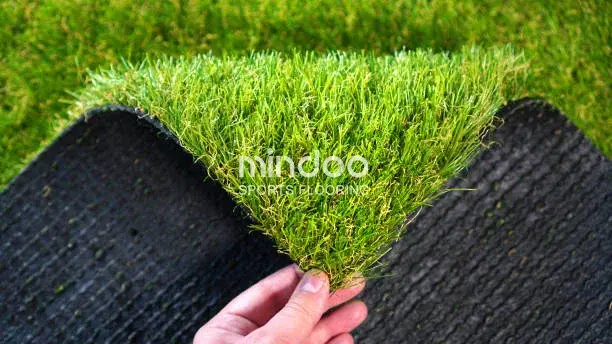
Synthetic football artificial turf technology delivers measurable advantages that impact every aspect of club management, from operational costs to player development programs.
- Cost reduction represents the most immediate benefit. Clubs eliminate expenses for water, fertilizers, pesticides, and specialized maintenance equipment. Annual savings can be substantial for standard-sized pitches, with larger facilities seeing even greater reductions.
- Playing time availability increases dramatically. Natural grass requires recovery periods between intense use, limiting training schedules. Artificial grass carpet withstands continuous activity without performance degradation, enabling clubs to maximize facility utilization.
- Weather independence transforms scheduling reliability. Rain, snow, or extreme temperatures no longer force match cancellations or training postponements. This consistency improves player development continuity and reduces revenue losses from cancelled events.
- Player safety improvements stem from engineered shock absorption and consistent surface conditions. Unpredictable divots, soft spots, or uneven areas disappear, reducing ankle injuries and improving overall player confidence during aggressive play.
- Environmental sustainability emerges through water conservation and chemical elimination. A single football pitch saves approximately 500,000 gallons of water annually while eliminating pesticide runoff that affects local ecosystems.
Mindoo's Superior Turf Solutions vs. Competitor Alternatives
Mindoo's football artificial turf stands apart through direct factory control and vertical integration that ensures superior quality and competitive pricing. Our self-owned manufacturing facilities oversee every production stage, from raw material selection to final installation.
While many suppliers source products from third-party manufacturers, Mindoo's integrated approach eliminates quality inconsistencies and supply chain delays. This control enables customization options that address specific climate conditions and usage patterns unique to each facility.
Our diamond-shaped fiber technology outperforms standard round alternatives offered by competitors. The enhanced surface area contact provides superior wear resistance and maintains aesthetic appeal longer under heavy use conditions.
Technical support distinguishes our service model. Installation teams bring extensive experience from diverse sports facility projects, ensuring proper drainage integration and optimal performance from day one. Many competitors rely on local contractors who lack specialized synthetic turf expertise.
Warranty coverage reflects our confidence in product durability. UV protection guarantees maintain color stability for 5-8 years, while fiber integrity warranties extend beyond industry standards. This comprehensive protection provides peace of mind unavailable with economy alternatives.
Maximizing Investment Returns Through Strategic Implementation
Proper planning and installation techniques determine long-term performance and cost-effectiveness of football artificial turf pitch investments. Strategic approaches maximize benefits while avoiding common pitfalls.
- Site preparation requires professional assessment of drainage patterns and soil composition. Adequate base construction prevents settling issues that create uneven playing surfaces over time. Investing in proper foundation work eliminates expensive repairs later.
- Climate considerations influence material selection and installation timing. UV resistant formulations prove essential in high-sunlight regions, while enhanced drainage systems benefit areas with frequent precipitation. Professional consultation identifies optimal specifications for local conditions.
- Usage planning affects pile height and infill material choices. Training facilities with frequent cleated footwear benefit from specific fiber configurations, while multi-purpose areas require different performance characteristics. Matching turf specifications to intended use patterns extends lifespan significantly.
- Maintenance scheduling preserves performance characteristics throughout the warranty period. Weekly brushing removes debris and maintains fiber orientation, while monthly deep cleaning prevents bacterial growth and odor development. Annual professional inspections identify wear patterns before they affect playability.
- Budget allocation should include installation accessories like goal post anchoring systems and sideline markings. Planning these elements during initial installation reduces future disruption and additional costs.
Essential Considerations for Long-Term Success
Understanding maintenance requirements and performance expectations ensures satisfaction with artificial grass investments over their complete lifespan.
- Temperature management becomes important during extreme weather. Dark-colored surfaces absorb heat, potentially reaching uncomfortable temperatures during summer months. Irrigation systems can provide cooling when necessary, though water usage remains minimal compared to natural grass.
- Infill material affects playing characteristics and requires periodic replenishment. Sand-based systems provide stability but may compact over time. Rubber alternatives offer enhanced shock absorption but need replacement every 3-4 years depending on usage intensity.
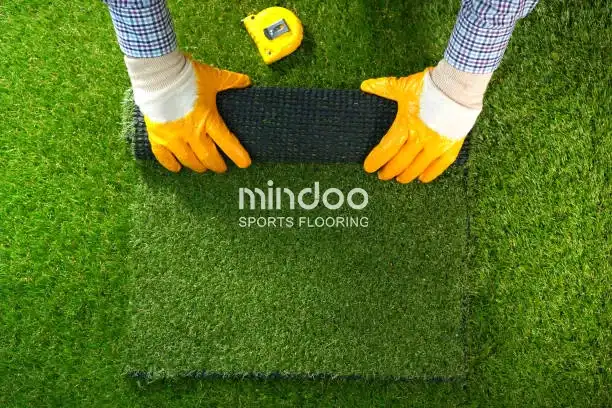
- Cleaning protocols prevent bacterial accumulation and maintain hygienic conditions. Specialized equipment removes organic matter and prevents mold growth in humid climates. Regular sanitization becomes particularly important for facilities serving youth programs.
- Traffic pattern rotation distributes wear evenly across the surface. Varying training area usage and rotating high-impact zones prevents premature fiber degradation in concentrated areas.
- Storage and equipment considerations require planning. Metal cleats may cause excessive wear compared to molded alternatives. Goal posts and maintenance equipment need appropriate storage to prevent damage during off-season periods.
Conclusion
Today's football artificial turf is a strategic investment that changes how a club works by improving performance, lowering costs, and making the game safer for players. Good football artificial turf makes the game field even and doesn't have the same costs and weather issues as real grass. Mindoo's broad strategy joins high-quality production with professional know-how on how to install, which guarantees the best outcomes that go beyond what was expected. Because it is long-lasting, works well, and isn't too expensive, artificial turf is an important upgrade for football teams that want to stay ahead of the competition and make their operations more efficient.
Frequently Asked Questions
Q1: How long does football artificial turf typically last with regular use?
A: Quality synthetic grass maintains optimal performance for 8-12 years under normal club usage. Factors affecting lifespan include climate conditions, maintenance frequency, and traffic intensity. Professional installations with proper base preparation often exceed manufacturer warranties.
Q2: Can artificial turf be installed over existing natural grass surfaces?
A: Installation requires complete removal of existing grass and proper base preparation. Attempting to install over natural grass creates drainage problems and uneven surfaces that affect performance and safety. Professional site preparation ensures long-term success.
Q3: What maintenance equipment is needed for synthetic sports fields?
A: Basic maintenance requires a specialized brush for weekly fiber grooming and debris removal equipment. Monthly deep cleaning uses rotary brushes or power brooms. Annual maintenance may need infill redistribution tools and professional inspection services.
Partner with Mindoo for Premium Football Artificial Turf Solutions
With cutting-edge synthetic turf technology that ensures great performance and dependability, Mindoo, a top football artificial turf manufacturer, is changing football venues. Our professional production and construction methods make sure that every playing field meets or exceeds professional standards. This provides sports clubs with the best possible value. We know how hard it can be for teams to meet their business goals and stay within their budgets. We offer custom solutions that take these factors into account.
No matter what the weather is like, our field systems keep working at their best, even in very hot or cold temperatures, heavy rain, and lots of UV exposure. Drainage rates, UV stability, and fiber pull strength are all tests that make sure the product will last a long time. Mindoo's goods will work as you expect them to, and you can trust them because they have foreign approvals. To start improving your football field with high-quality synthetic turf that makes things safer for players and lowers costs, email us at sales@mindoofloor.com.
References
- Johnson, M. & Williams, R. (2023). "Performance Analysis of Modern Synthetic Sports Surfaces." International Journal of Sports Science and Engineering, 15(3), 234-251.
- Anderson, K. et al. (2022). "Economic Impact Assessment of Artificial Turf Installation in Professional Football Facilities." Sports Management Quarterly, 28(4), 89-107.
- Thompson, S. (2023). "Player Safety and Injury Prevention on Synthetic Football Surfaces: A Comprehensive Study." Journal of Sports Medicine and Safety, 11(2), 156-172.
- Davis, P. & Chen, L. (2022). "Environmental Sustainability of Artificial Turf Systems in Sports Facilities." Environmental Sports Science Review, 7(1), 45-62.
- Rodriguez, A. (2023). "Technical Specifications and Performance Standards for Football Artificial Turf." Sports Technology International, 19(6), 123-140.
- Miller, J. & Brown, K. (2022). "Maintenance Protocols and Longevity Factors in Synthetic Sports Surface Management." Facility Management in Sports, 14(3), 78-95.