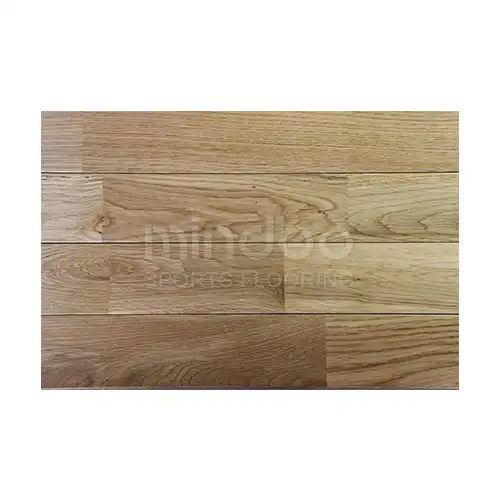
For a wood basketball floor installation to work right, there should be 3/8 to 1/2 inch of space around the edges so that the wood can move naturally. Because of these gaps, the floor doesn't buckle, warp, or have other problems that make it work badly and cost a lot of money while putting gamers at risk. It also lasts longer. Being aware of these needs will help you be sure that the sports flooring you buy will work well and meet the standards expected by professionals for play areas.
Schools, sports centers, and other public places that want to use basketball courts should spend a lot of money on wooden ones. To install something correctly, you need to know how wood naturally grows and shrinks and know how to do it. It's possible for gaps to cause problems with operations, safety, and costs that no facility manager wants to deal with if they aren't well planned for.
Understanding Expansion Gaps in Wood Basketball Floor Installation
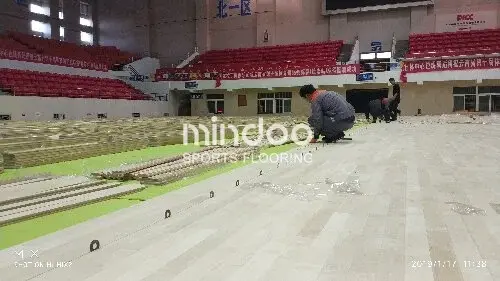
Wooden sports floors must have expansion gaps. These allow natural wood growth without damaging the structure. Because it absorbs air moisture, wood grows and shrinks with the weather. These gaps are necessary for stability.
Basketball courts are large and require a lot of practice, causing issues. Wood moves when the heating system changes temperature, ventilation changes humidity, and you clean and add water to the air. Oak or maple flooring that doesn't have enough room to grow can cause many issues.
When installing something for work, consider how to fill gaps around walls, columns, and equipment. The structure will remain intact if the exterior spaces don't change. Sports floors must be stable and comfortable.
Gym floors today must be safe and strong to withstand all the foot traffic. Expansion gaps affect surface stability, shock absorption, and bounce consistency. These are things athletes must remember when competing.
Key Factors Influencing Expansion Gap Requirements
The exact expansion gap sizes you need for your wood basketball floor project depend on a number of important factors. Knowing about these things helps procurement teams make smart choices and avoid mistakes that cost a lot during installation.
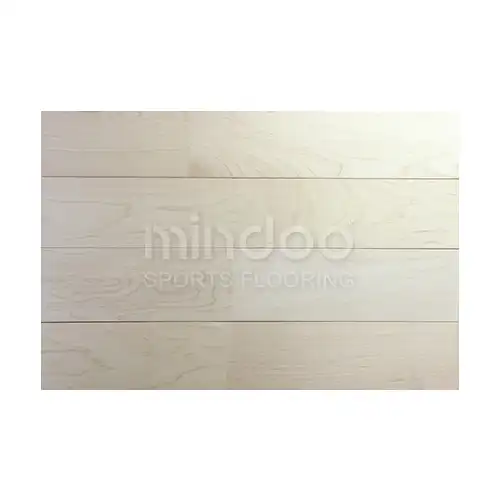
- Choosing the right wood species has a big effect on how it expands. Maple flooring, which is often used in professional courts, moves in different ways than oak, birch, or beech flooring. Because each species reacts to changes in its environment in its own way, gap specifications must be tailored to each species.
- The environmental conditions in your facility are a big part of figuring out what gaps you need. When it comes to gaps, gyms that don't have stable temperature and humidity control need bigger ones than ones that do. Regional climate patterns also affect how wood moves during different times of the year.
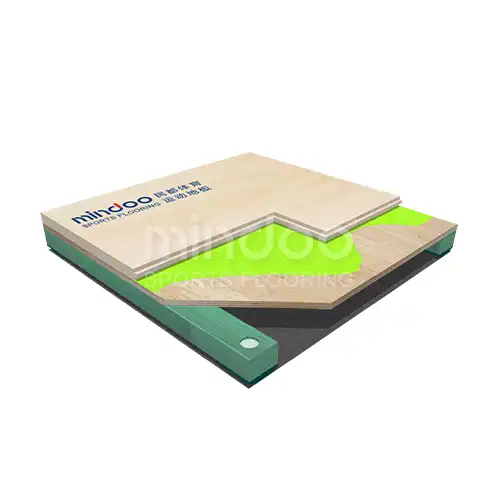
- How the installation is done affects how gap planning is done. Floating installations and nail-down systems act in different ways, and the gaps between them need to be thought about in different ways. The ability to move is also affected by the thickness of the floor, which in professional settings ranges from 20 mm to 22 mm.
- Gap placement is affected by things about the building like the size of the floor, the materials used for the subfloor, and the structural elements. Larger courts need more space for players, and complicated layouts with a lot of fixed elements need careful gap coordination to get around obstacles.
Standard Expansion Gap Dimensions and Installation Best Practices
The industry as a whole has set clear rules for the sizes of expansion gaps, but these may need to be changed for certain uses because of specific conditions. Gaps of 3/8 inch to 1/2 inch around the perimeter are usually used in professional installations.
These are the important guidelines for the gap dimensions in basketball floor installations:
- Perimeter gaps: 3/8 to 1/2 inch around all walls and fixed structures, depending on the size of the court and the type of wood used
- Column gaps: 1/4 to 3/8 inch around structural columns, allowing for circular clearance so that movement is uniform.
- Equipment gaps: at least 1/4 inch around equipment that is permanently mounted; larger gaps for heavy installations
- Transition gaps: 1/4 to 3/8 inch where the floor for basketball courts meets other kinds of flooring or where the floor changes height
These requirements make sure that there is enough room for movement while keeping a professional look and safety in mind. The right tools for exact measurement and an installation team with experience and knowledge of the needs of sports flooring are required for proper implementation.
Best practices make sure that there are no gaps at any point in the installation. If there are segmented or interrupted gaps, stress concentration points can form that cause damage in the area. To get the best overall performance, professional installers make sure that the placement of the gaps matches with the preparation of the subfloor, moisture barriers, and leveling systems.
Quality installations also think about gap coverage solutions that look good and work well. Baseboards, transition strips, and custom moldings can hide expansion gaps without stopping the movement of wood. This creates a clean look that is up to professional standards.
Common Challenges and How to Avoid Them During Installation
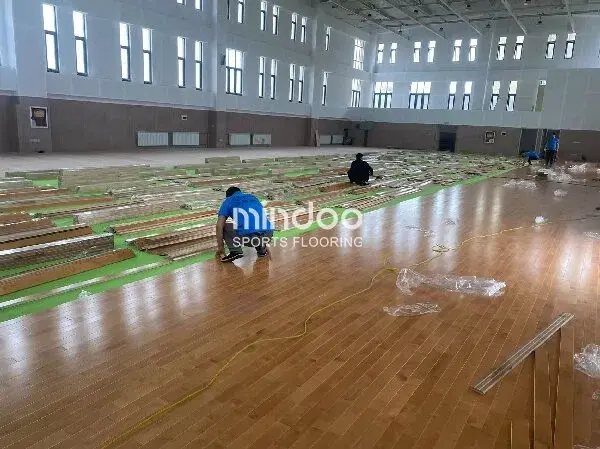
Poor planning or a lack of knowledge about how wood reacts in real-life situations can lead to problems with installation. Knowing about these possible problems helps people who work in procurement choose contractors who are qualified and avoid costly fixes.
- Not using the right gap size is the most common mistake in installation. It can cause buckling, surface damage, and poor performance. This problem usually happens when installers don't realize how much the environment will be affected or how much the temperature and humidity will change with the seasons.
- Inconsistent gap sizes lead to uneven stress distribution on the floor. Some areas may be able to move without damaging the compression, but others may not. This inconsistency breaks the integrity of the whole installation and needs to be fixed extensively.
- Debris can build up over time if the gap coverage isn't good, which can slow down the movement of wood. Dirt, dust, and moisture build up in unsealed gaps over time, which slowly reduces the space available for expansion. This eventually causes the same issues that would happen if the gaps were too small.
To deal with these issues, thorough planning and an environmental impact study before installation are needed. Successful projects start with a detailed check of the facility, which includes looking at the structure, checking the climate controls, and making predictions about long-term use.
Qualified installers know how sports floors react and how to properly fill gaps. Their knowledge makes sure that the gaps are the right size, in the right place, and covered properly, all while following the necessary safety and performance regulations.
Integrating Expansion Gap Knowledge Into Your Procurement Decisions
Smart buying plans take into account expansion gap issues from the very first planning stage to the last installation. This proactive method makes sure that your wood basketball floor performs as expected and costs less over its lifetime.
Supplier evaluation should be based on how well they provide installation instructions and technical support. Honest manufacturers give detailed information about their flooring products' gap requirements, environmental impact, and how to take care of them.
The gap requirements and how hard it is to install the product depend on which product is chosen. Maple flooring of higher quality requires less space for installation compared to materials of lower quality that have unpredictable movement. Trusted manufacturers' certified products often include detailed gap specifications.
Installation costs for professional gap implementation must be included in budget planning. While the first costs may seem high, correct installation prevents costly repairs, replacement costs, and facility downtime that result from poor gap planning.
When looking at suppliers and contractors, warranty considerations are very important. When installations follow the manufacturer's guidelines, comprehensive warranties should cover gap-related issues. This protects against unexpected problems and makes sure the installation is worth the money in the long run.
Conclusion
Getting the right expansion gap in a wood basketball floor is very important for its success in te.rms of performance, safety, and long-term value. Procurement professionals can avoid expensive installation mistakes and make smart decisions when they know what the gap requirements are. The 3/8 to 1/2 inch standard is a good general guide, but specific projects may need to be changed based on the conplace they are being done. If you hire skilled suppliers and installers, your basketball floor will be put in the right way, and your money will be well spent.
Frequently Asked Questions
Q1: How wide should gaps be when a maple wood basketball floor expands?
A: Regular expansion gaps around maple basketball floor edges should be 3/8 to 1/2 inch. The size depends on the setting, court size, and weather. To allow wood to move, larger buildings may need larger gaps.
Q2: Can expansion gaps be hidden?
Baseboards, transition strips, and custom moldings cover expansion gaps. These invisible gaps allow wood to move. These covers look good and work well.
Q3: What happens if expansion gaps are too small or absent?
A: Wood boards will bend, warp, or break if pushed against something immobile. Uneven playing surfaces endanger athletes. It requires costly repairs or replacement.
Mindoo's Professional Wood Basketball Floor Solutions
Mindoo is a top wood basketball floor manufacturer that provides a full range of services to professional sports centers around the globe. We have the know-how to do the whole installation, including the precise placement of expansion gaps that ensures the best performance and lifespan.
Mindoo's own factory helps us control quality and keep prices low. These are both technical benefits of choosing us for your basketball flooring project. Our all-in-one method handles everything from buying and processing wood to system design, installation, and complete after-sales support for the entire life of your floor.
The professional installation service will plan and fill in gaps based on what your building needs. Our knowledgeable teams understand how important it is to properly install expansions so that they can be used in high-intensity sports.
Do you want to talk about what you need for your basketball flooring project? If you want professional help with planning expansion gaps or getting flooring solutions, email us at sales@mindoofloor.com. Our technical team gives you detailed instructions and advice to make sure your investment works well and is worth the money.
References
- Maple Flooring Manufacturers Association. "Guidelines for Basketball Court Installation and Maintenance Standards." Sports Flooring Technical Manual, 2023.
- International Association of Gymnasium Builders. "Wooden Sports Floor Installation Requirements and Best Practices." Professional Sports Facility Construction Guide, 2022.
- American Sports Builders Association. "Expansion Joint Requirements for Indoor Athletic Facilities." Technical Bulletin on Wood Sports Surfaces, 2023.
- National Wood Flooring Association. "Dimensional Stability and Movement in Hardwood Athletic Flooring." Installation Standards and Procedures, 2022.
- Federation Internationale de Basketball. "Technical Requirements for Basketball Court Surfaces and Installation." FIBA Equipment and Venue Regulations, 2023.
- Building Research Establishment. "Environmental Factors Affecting Wood Movement in Sports Facilities." Construction Industry Research and Information Association, 2022.