What is Maple Gym Flooring and Why is it a Top Choice?
What Makes Maple Gym Flooring the Best Choice? Maple gym flooring is the best for sports buildings because it blends the strength of natural hardwood with improved performance features. The best shock absorption, steady ball bounce, and amazing longevity make this high-quality sports flooring choice for professional arenas, schools, and fitness centers all over the world. Natural wood designs make it easier to hold on to, and it meets the high safety standards that major sports organizations expect.
What is Maple Gym Flooring?
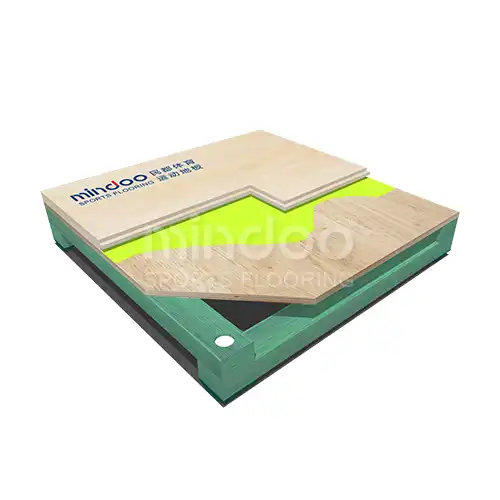
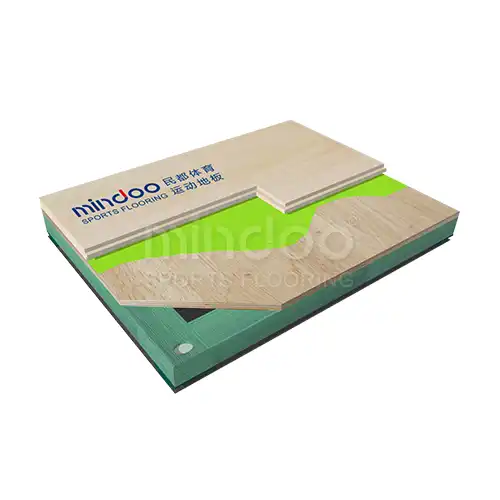
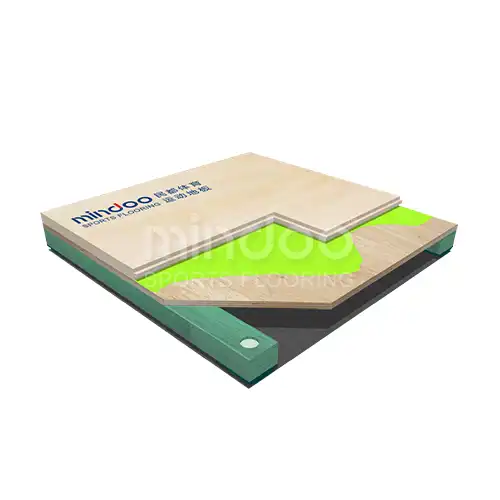
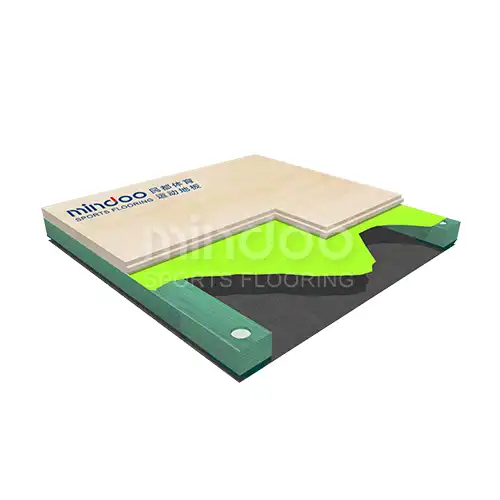
Made from high-density North American hard maple, maple gym flooring is the best choice for sports venues. Its multi-layer system is made up of a solid maple wear surface, base parts, and noise absorption systems that are meant to make performance and safety better.
In the making process, high-quality maple lumber with a certain amount of moisture and a straight grain is picked out. Today, the wood is dried in a kiln, which keeps it stable, and tongue-and-groove building makes sure the joints are smooth. Because these floors have long-lasting pad systems below the surface, they absorb shock in a way that is right for each player. This keeps the floors' professional look and helps them stay safe.
The Problem It Solves
Athletic facilities face challenges that standard flooring can’t handle, such as high-impact activities, directional changes, and intensive use. Traditional surfaces often lack shock absorption, leading to injuries and inconsistent ball bounce, while poor traction can result in slips and falls.
Maple gym flooring gets rid of these problems by using built solutions that blend the natural support of wood with the latest research in sports science. It can handle changes in its surroundings, so it always works the same way. Modern finishes protect against damage from water and UV light, making the product last much longer and being a more stable and long-lasting choice than fake materials.
Core Features & Functionality Deep Dive
Durability and Longevity of Maple Gym Flooring
The sophisticated engineering behind maple gym flooring offers several performance benefits through carefully integrated components. The solid maple wear surface forms the foundation for athletic performance, with a thickness that ensures long-term durability under heavy use. This substantial material thickness allows for multiple refinishing cycles, extending the floor's lifespan for many years rather than just a few.
Shock Absorption for Player Safety
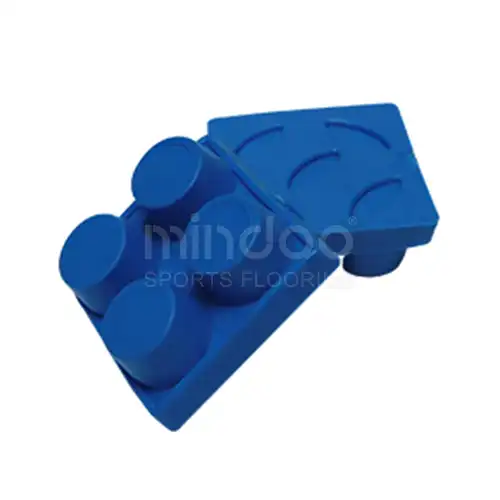
A big difference between professional sports flooring and regular wooden floors is that professional sports flooring has shock absorbing technology. Engineered foam or rubber parts are put under the maple surface in a planned way by advanced pad systems to cushion and spread contact forces. These systems stop force from getting to players' joints, which makes them much less likely to get hurt and tired during long activities.
Consistent Ball Bounce for Uniform Gameplay
Consistency in ball bounce makes sure that the game conditions are the same all over the playing field. When you mix maple's regular density and grain structure with tight production limits, you get surfaces that meet FIBA and NCAA standards for how well they bounce balls. Protocols for testing make sure that balls dropped from normal heights bounce in the same way every time, within very small error ranges.
Optimized Traction for Safety and Performance
Through controlled surface texture and specialized finish treatments, surface traction management finds the right mix between slip resistance and freedom of movement. The basic grip comes from the natural maple grain, but finish systems can be changed to make the grip better for certain sports or multi-use situations. This careful balance, not rough surface techniques that might get in the way of sports success, gives gym floors their anti-slip qualities.
Moisture Control for Stable Performance
Moisture control methods keep the performance qualities of wood while protecting the building. Vapor barriers stop water from escaping from concrete bases, and finish entry makes surfaces that are watertight and can handle regular cleaning. These safety measures keep the dimensions stable and stop the bending or rounding that happens with setups that aren't built well.
Temperature Control for Year-Round Consistency
Temperature control features help keep game conditions stable as the seasons change. Together with the right fitting methods, maple's natural temperature qualities keep it from expanding and contracting too much, which could cause surface flaws or joint separation.
Technology Explained
Blending Traditional Craft with Modern Science
The tech behind maple gym flooring combines old-fashioned skills in woodworking with new research in sports science to make surfaces that meet high performance standards. For long-term safety, the substrate needs to be precisely leveled and the moisture level needs to be controlled. Professional standards for sports sites say that floors must be very flat over long distances, which is what modern leveling systems do.
Advanced Fastening Systems for Durability and Flexibility
Specialized fastening systems are used in installation technology to keep the maple surface in place while still letting it move freely when the environment changes. With hidden bolt systems, there are no holes in the surface that could become weak spots or cause upkeep problems. These methods allow the wood to move while keeping the floor's structure strong for as long as it's used.
Finish Technology: Balancing Protection with Performance
Finish technology represents a sophisticated balance between protection and performance. Water-based polyurethane systems provide durable protection while maintaining the natural appearance and performance characteristics of the maple surface. Multiple coat applications create build-up that resists wear while preserving the subtle surface texture essential for athletic traction.
Shock Absorption Engineering for Player Safety
Shock absorption engineering incorporates closed-cell foam pads or rubber components designed to compress under load while returning to original thickness when pressure is removed. These materials undergo extensive testing to verify performance characteristics over millions of impact cycles, ensuring consistent shock absorption throughout the floor's service life.
Quality Control Systems for Precision and Reliability
Quality control systems monitor every aspect of production and installation through documented procedures and third-party testing. Moisture content verification ensures each board meets specifications before installation. Surface flatness measurements confirm proper installation techniques. Performance testing validates shock absorption, ball bounce, and traction characteristics against published standards.
Environmental Monitoring for Optimal Performance
Environmental monitoring systems track temperature and humidity conditions during and after installation to optimize performance and identify potential issues before they affect athletic activities or floor integrity.
Key Advantages
Long-Term Durability and Cost Efficiency
Maple gym flooring offers exceptional return on investment with superior durability, outlasting synthetic alternatives by a significant margin. While synthetic surfaces need frequent replacement, maple surfaces provide decades of service, reducing long-term costs and disruptions.
Enhanced Safety and Performance
Maple excels in safety with engineered shock absorption, significantly reducing injury risks. Its natural grain and warm color create a premium aesthetic that enhances facility prestige, while customization options such as logos and court lines add value that synthetic materials can't match. The flooring ensures consistent performance, with reliable ball bounce and traction under varying conditions.
Low Maintenance and Operational Ease
Maple flooring's low maintenance needs and ease of refinishing help reduce operational burdens. Its versatility suits various sports, maximizing revenue potential in multi-use facilities. Additionally, it supports sustainability goals, being a renewable resource with minimal manufacturing energy compared to synthetic options, making it an eco-conscious choice for high-performance facilities.
Potential Limitations & Considerations
While other options are cheaper, quality maple gym flooring takes a bigger initial investment. This can be hard for people who are on a tight budget. But its lower long-term costs and higher return on investment make it a good choice for training centers that take their sports seriously. The best results come from hiring experienced workers, doing the right research, and paying close attention to shock-absorbing systems and precise methods.
Changes in humidity or temperature can also damage maple flooring, so it needs to be kept in a controlled environment. It needs to be cleaned and refinished on a regular basis, and fixes can be hard to do. Also, maple is heavy, so the structure needs to be thought out before it is installed, especially in remodeling or areas that are higher up.
Maple Gym Flooring vs. The Competition
- Synthetic sports flooring is cheaper and easier to install but lacks the longevity, performance, and aesthetic appeal of maple. While synthetic surfaces may need replacement in a few years, maple provides decades of service and enhances facility value.
- Ball bounce consistency is a key advantage of maple over synthetic surfaces. Natural variations in synthetic materials make uniformity difficult, which is why maple is preferred for professional and collegiate athletics.
- Modular tile systems offer easy installation and replacement but lack the seamless quality of maple. Gaps can collect debris and create irregularities, while maple’s continuous surface ensures better safety and performance.
- Maple flooring is environmentally superior, sourced from sustainably managed forests, while synthetic materials rely on energy-intensive production and create disposal issues. Maple aligns better with sustainability goals.
- Maple offers superior performance longevity, improving with maintenance, while synthetic surfaces degrade faster under heavy use. Over time, maple develops preferred playing characteristics for athletes.
Target Audience & Ideal Use Cases
Maple flooring systems that meet strict building codes and performance standards are helpful for contractors and builders. These systems offer technical support and professional installation services to make sure that projects go smoothly and have good results.
School and rink owners and managers like maple flooring because it lasts a long time, is safe, and doesn't need much upkeep. This product meets government standards for absorbing shock and bouncing balls, which lowers costs in the long run. The ability to increase property value with high-quality looks and sturdiness is appreciated by commercial property owners. Educational institutions rely on its flexibility for multi-use gymnasiums and competitive sports. Athletic facilities that host professional sports trust maple floors to meet the needs of both athletes and broadcasters.
Conclusion & Future Outlook
Maple gym flooring is the best sports surface engineering ever made. It combines natural materials with cutting-edge technology to make safe spaces where athletes can perform at their best. For professional sports places and serious sporting sites around the world, maple is still the best choice because it lasts a long time, performs consistently, and looks good.
Future improvements to maple flooring technology will focus on making the product more environmentally friendly by managing forests better and making the manufacturing process more efficient. Finish methods that are more advanced are always getting better at protecting surfaces while keeping the natural qualities that make maple surfaces great. Because of these improvements, maple gym flooring will remain the best for many years to come.
Frequently Asked Questions
Q1: How long does maple gym flooring typically last?
A: If you take care of your quality maple gym flooring systems, they will last for many years. The solid wood structure means that it can be refinished more than once, giving it a look and function that are just like new. This amazing lifespan is much longer than manufactured options, giving building managers a better return on their investment.
Q2: What sports can be played on maple gym flooring?
A: Maple surfaces excel for basketball, volleyball, wrestling, gymnastics, badminton, and general fitness activities. The consistent ball bounce and optimal traction characteristics make maple the preferred choice for competitive athletics, while shock absorption features benefit any high-impact activities. Multi-use facilities particularly appreciate this versatility.
Q3: How much does professional maple gym flooring cost?
A: Installation costs vary based on facility size, shock absorption requirements, and finish specifications. While initial investment exceeds synthetic alternatives, the extended service life and minimal replacement costs provide better lifetime value. Professional contractors can provide detailed estimates based on specific project requirements and performance goals.
Ready to Elevate Your Facility with Premium Maple Gym Flooring?
Mindoo delivers exceptional maple gym flooring solutions backed by our self-owned factory, competitive pricing, and international certifications that ensure world-class quality. Our comprehensive approach covering design, manufacturing, installation, and after-sales service provides the reliable partnership that successful projects demand. As a trusted maple gym flooring supplier, we combine traditional craftsmanship with modern engineering to create surfaces that exceed expectations for performance, durability, and aesthetic appeal. Contact us at sales@mindoofloor.com to discuss your specific requirements and discover how our expertise can transform your athletic facility.
References
1. Smith, Robert J., et al. "Biomechanical Analysis of Sports Flooring Impact on Athlete Performance and Injury Prevention." Journal of Sports Engineering and Technology, 2023.
2. Anderson, Michelle K. "Comparative Study of Athletic Flooring Materials: Durability and Performance Characteristics." Facilities Management Quarterly, 2022.
3. International Association of Sports Surface Sciences. "Standards and Testing Protocols for Gymnasium Flooring Systems." Technical Publication Series, 2023.
4. Thompson, David R., and Sarah L. Williams. "Economic Analysis of Sports Facility Flooring: Lifecycle Costs and Return on Investment." Sports Business Journal, 2022.
5. National Athletic Equipment Association. "Safety Standards for Indoor Sports Surfaces: Guidelines for Shock Absorption and Traction." Safety Manual, 2023.
6. Johnson, Mark P. "Sustainable Practices in Sports Facility Construction: Environmental Impact of Flooring Choices." Green Building Review, 2022.