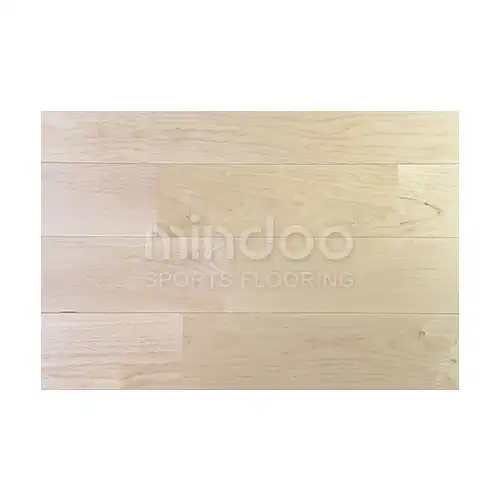
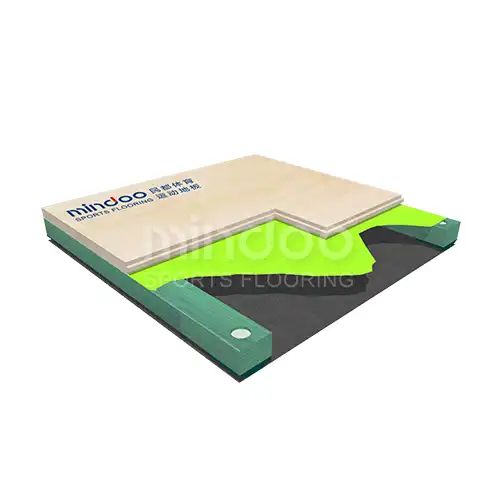
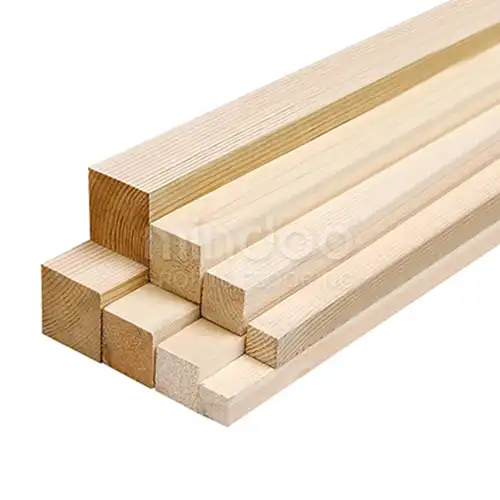
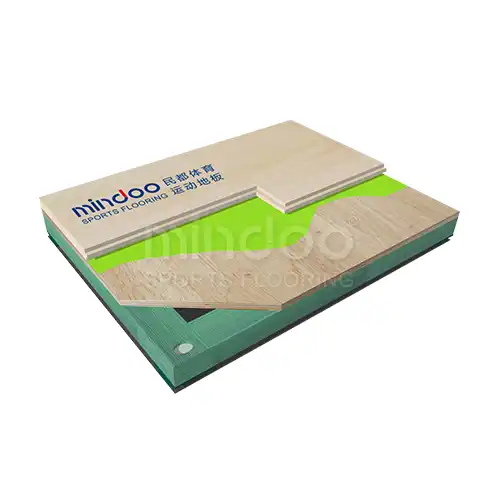
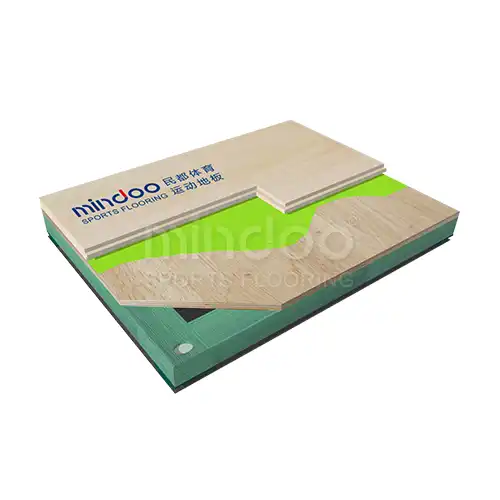
The optimal thickness for a wood gym floor designed for heavy-use facilities ranges from 90mm to 130mm total system depth. This specification ensures maximum durability, shock absorption, and longevity for high-traffic athletic environments. Professional-grade hardwood gym flooring systems incorporate multiple layers, with the top surface typically measuring 20-22mm of premium maple, oak, or birch wood, supported by engineered subflooring that delivers superior performance characteristics essential for demanding sports applications.

Why Thickness Matters in Heavy-Use Athletic Environments?
Athletic facilities face unique challenges that residential or light commercial spaces never encounter. Basketball players execute explosive jumps, volleyball athletes dive across surfaces, and weightlifting areas endure constant equipment impacts. These demanding conditions require hardwood gym flooring systems engineered specifically for durability and performance.
The thickness of your wooden sports floor specifically connects with its capacity to withstand discipline whereas keeping up ideal playing characteristics. Insufficient thickness leads to untimely wear, destitute stun assimilation, and expensive substitutions. Then again, legitimately indicated profundity guarantees decades of dependable benefit, securing your speculation and competitor safety.
Modern sports flooring frameworks join progressed designing standards. The beat layer gives playing surface astuteness, whereas fundamental components provide basic bolster and execution highlights. This multi-layer approach maximizes both toughness and athletic execution over assorted sports applications.
Essential Selection Criteria for Heavy-Duty Athletic Wood Floor
Selecting the appropriate maple wood gym floor thickness requires careful evaluation of multiple performance factors. Each criterion plays a crucial role in determining long-term success and user satisfaction.
Load Distribution Capability
Heavy-use facilities require flooring that effectively distributes concentrated loads from equipment and installations. Adequate thickness spreads stress over a broader area, preventing localized damage and ensuring the wood gym floor's long-term structural integrity.
Shock Absorption Performance
International standards mandate over 53% shock absorption for certified athletic floors. Sufficient system depth accommodates necessary resilient underlayments. Proper thickness is critical for athlete safety, injury prevention, and regulatory compliance.
Ball Bounce Consistency
Sports demand predictable ball behavior across the entire playing surface. A thicker wood gym floor maintains uniform deflection properties. This ensures reliable and consistent ball rebound performance throughout the facility's service life.
Temperature and Humidity Stability
Dimensional stability is vital in active environments. Thicker systems provide enhanced structural integrity that resists seasonal movement. This stability supports consistent wood gym floor cleaning and maintenance despite environmental fluctuations.
Optimal Thickness Specifications for Different Facility Types
Multi-Purpose Gymnasiums (90mm System Depth)
Educational teachers and community centers working assorted athletic programs advantage from a 90mm add up to framework depth. This arrangement equates execution necessities with budget considerations while assembly most administrative standards.
The framework consolidates 20mm maple or birch best surfaces over designed subfloor assemblies. This determination suits ball, volleyball, badminton, and recreational exercises successfully. Establishment regularly requires 48-72 hours, depending on office measure and complexity.
Performance characteristics incorporate stun retention surpassing 53%, ball bounce back rates over 90%, and rolling stack capacity of 1500N. These details fulfill FIBA and BWF certification necessities whereas giving amazing strength for direct to overwhelming utilization patterns.
Maintenance prerequisites stay sensible through standard exercise center floor support conventions. Customary cleaning, occasional refinishing, and legitimate natural controls guarantee decades of dependable benefit. The adjusted approach makes this alternative well known among temporary workers and planners looking for demonstrated performance.
Professional Sports Venues (130mm System Depth)
Elite athletic offices require the most extreme execution capabilities that, as it were, 130mm frameworks can provide. Proficient fields, Olympic training centers, and chief educational teachers select this determination for extreme toughness and performance.
Advanced building consolidates 22mm premium maple surfaces over modern subfloor frameworks, highlighting numerous versatile layers. This arrangement optimizes stun retention, ball bounce consistency, and long-term dimensional steadiness beneath extraordinary utilization conditions.
Enhanced details incorporate prevalent stack conveyance capabilities, expanded benefit life desires, and compliance with the most exacting universal benchmarks. The speculation premium conveys quantifiable benefits through decreased lifecycle costs and upgraded client experiences.
Installation complexity increments with progressed frameworks, requiring experienced groups familiar with accurate get-together strategies. Appropriate establishment guarantees ideal execution characteristics and guarantees compliance. The modern plan legitimizes premium estimating through prevalent long-term value delivery.
Specialized Training Facilities (Custom Configurations)

Unique applications may require customized thickness determinations custom-made to particular execution necessities. Wrestling offices, military expressions studios, and specialized training centers frequently advantage from customized setups tailored to specific needs.
Custom frameworks might consolidate specialized versatile layers, altered surface medicines, or one-of-a-kind dimensional details. Building meeting guarantees ideal execution while keeping up security guidelines and administrative compliance.
Collaboration with experienced sports wood surface producers empowers the advancement of custom-made arrangements tending to particular challenges. This approach optimizes execution while controlling costs through focused on designing approaches.
Global Market Considerations and Regional Preferences
International markets demonstrate varying preferences influenced by local building codes, climate conditions, and sporting traditions. Understanding these regional characteristics helps optimize specification decisions for global projects.
European markets traditionally favor metric sizing and emphasize environmental sustainability credentials. PEFC and FSC certifications carry significant weight in procurement decisions. Thickness specifications align with European standards while incorporating advanced environmental controls addressing continental climate variations.
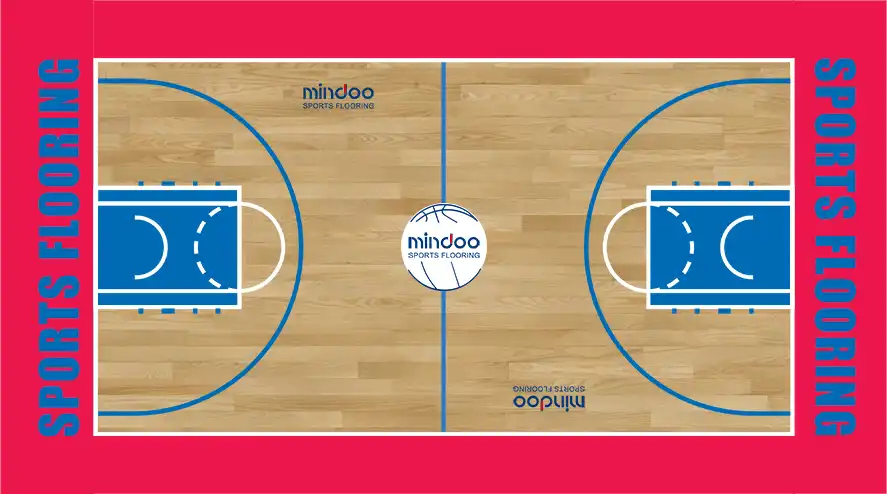
North American facilities prioritize performance certifications and liability considerations. Specifiers focus heavily on documented compliance with safety standards and insurance requirements. Basketball court flooring applications dominate market demand, influencing standard thickness offerings.
Asian markets increasingly emphasize quality and performance characteristics as facility standards evolve. Growing emphasis on international competition readiness drives demand for premium specifications meeting global certification requirements.
Emerging markets often balance performance requirements against budget constraints. Flexible system offerings accommodate diverse economic conditions while maintaining essential safety and performance characteristics.
Installation and Long-Term Performance Considerations
Proper Wood Gym Floor installation techniques significantly impact long-term performance regardless of thickness specifications. Experienced installation teams understand critical details affecting system longevity and performance consistency.
Subfloor preparation requirements increase with thicker systems but deliver proportional performance benefits. Adequate attention to moisture control, structural alignment, and environmental preparation ensures optimal outcomes. Rushed installations compromise even premium materials.
Climate acclimation becomes increasingly important with thicker hardwood components. Proper staging and environmental controls during installation prevent future dimensional instability issues. Professional teams understand these requirements and plan accordingly.
Quality indoor gym floor systems require comprehensive planning addressing logistics, scheduling, and environmental controls. Successful projects incorporate detailed coordination between general contractors, flooring specialists, and facility operators to ensure seamless execution.
Purchasing Recommendations and Strategic Considerations
Successful athletic wood floor procurement requires balancing immediate budget constraints against long-term value delivery. Experienced facility managers understand that initial cost represents only a fraction of total ownership expenses.
Lifecycle cost analysis should incorporate energy efficiency, maintenance requirements, replacement timing, and user satisfaction impacts. Premium thickness specifications typically deliver superior value through extended service life and reduced operational disruptions.
Warranty provisions vary significantly between manufacturers and thickness specifications. Comprehensive coverage addressing both materials and performance characteristics provides additional value assurance. Review warranty terms carefully during evaluation processes.
Establish relationships with reputable hardwood gym flooring manufacturers offering comprehensive support services. Technical assistance, installation guidance, and ongoing maintenance support significantly impact project success and long-term satisfaction.
Consider future facility needs during specification development. Expansion plans, usage intensity changes, and evolving standards influence optimal thickness selection. Flexible designs accommodate future modifications more effectively than minimal specifications.
Industry Trends and Future Developments
Contemporary sports flooring emphasizes sustainable materials and enhanced performance characteristics. Manufacturers invest heavily in research addressing environmental concerns while improving athletic performance capabilities. Advanced wood floor refinishing techniques extend service life significantly. Emerging technologies promise even better durability and user experiences. These developments benefit facility operators through improved value delivery and reduced environmental impacts.
Conclusion
Selecting appropriate thickness for heavy-use wood gym floors requires careful consideration of performance requirements, facility usage patterns, and long-term value objectives. The 90-130mm range provides optimal balance between performance capabilities and economic considerations for most applications. Understanding the relationship between system depth and performance characteristics enables informed decisions supporting athlete safety, facility longevity, and operational efficiency. Investment in proper thickness specifications delivers measurable benefits through enhanced durability, reduced maintenance costs, and superior user experiences throughout the floor's service life.
Frequently Asked Questions
Q1: How does floor thickness affect athlete safety and performance?
A: Thicker athletic wood floors provide superior shock absorption, reducing joint stress and injury risk. The additional depth allows for enhanced resilient layer integration, improving force reduction and energy return characteristics crucial for athletic performance.
Q2: What maintenance differences exist between 90mm and 130mm systems?
A: Thicker systems typically require less frequent deep maintenance due to enhanced structural stability. While basic gym floor resurfacing schedules remain similar, thicker floors resist wear patterns better and maintain consistent performance characteristics longer between major refinishing cycles.
Q3: Can existing facilities upgrade to thicker flooring systems?
A: Facility upgrades depend on structural capacity, ceiling height restrictions, and access considerations. Professional evaluation determines feasibility and identifies any modifications required to accommodate increased system depth and improved performance specifications.
Partner with Mindoo for Premium Athletic Flooring Solutions
Mindoo provides high-quality athletic flooring with competitive pricing, using self-owned manufacturing facilities and meeting FIBA and BWF standards, ensuring durability and optimal thickness for heavy-use applications. Our wood gym floor manufacturer capabilities include complete system design, precision manufacturing, professional installation, and comprehensive aftercare services. Whether your project requires standard 90mm systems or premium 130mm configurations, our technical team provides expert guidance ensuring optimal specification decisions for your specific requirements.
Ready to discuss your athletic flooring project? Contact our experienced team today and discover how proper thickness specifications can enhance facility performance while delivering exceptional long-term value. Reach out to contact us at sales@mindoofloor.com for detailed consultation and customized proposals addressing your facility's unique requirements.
References
1. International Association of Gymnasium Constructors. "Technical Guidelines for Sports Floor Construction and Performance Standards." Professional Sports Flooring Journal, 2023.
2. Thompson, Michael R., and Sarah Chen. "Biomechanical Analysis of Shock Absorption in Athletic Flooring Systems." Sports Surface Technology Review, Vol. 15, 2022.
3. European Committee for Standardization. "Wood Sports Flooring: Performance Requirements and Test Methods for Heavy-Use Applications." CEN Technical Report 224, 2023.
4. Davis, Jennifer L. "Lifecycle Cost Analysis of Gymnasium Flooring Systems: Thickness Impact on Long-term Value." Facility Management Quarterly, Spring 2023.
5. American Sports Builders Association. "Best Practices Guide for Wood Athletic Floor Installation in High-Traffic Facilities." ASBA Technical Bulletin 18-A, 2022.
6. Rodriguez, Carlos, et al. "Climate Impact on Hardwood Athletic Floor Performance: Regional Considerations for System Design." International Sports Facility Construction Review, 2023.