Where to Import Premium Football Fake Grass for 2026 Projects?
China is the top destination for high-quality football fake grass, offering advanced production, competitive pricing, and extensive product options. With rigorous quality control and customization, Chinese suppliers lead the global artificial turf market, making them the smart choice for municipalities, sports clubs, and contractors seeking reliable synthetic turf solutions.
Why Source Football Fake Grass from China?
Manufacturing Excellence and Scale
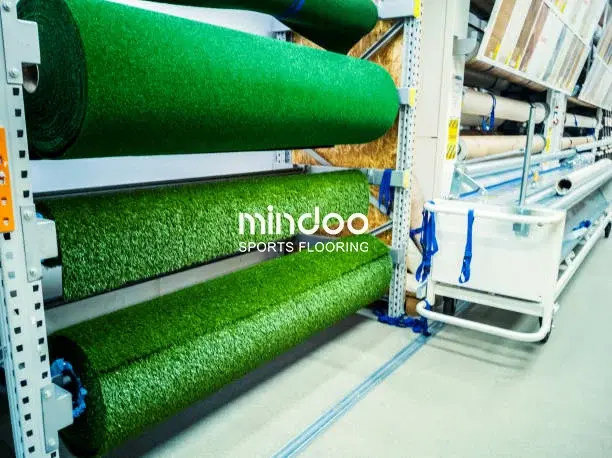
China's artificial turf industry has grown significantly, producing a large share of the world’s synthetic grass, including football fake grass, with major manufacturing hubs in key provinces. These regions feature advanced facilities and machinery to ensure consistent output. Leading manufacturers invest in R&D and collaborate with international sports bodies, offering both large-scale orders and custom solutions for diverse project needs.
Cost-Effectiveness Without Compromise
Sourcing from China provides substantial cost advantages compared to European or North American suppliers. Raw material access, efficient production processes, and competitive labor costs translate into savings of 30-50% without sacrificing quality. This pricing structure particularly benefits municipalities working within tight budget constraints and contractors seeking profitable project margins.
Technological Innovation Leadership
Chinese artificial turf manufacturers pioneered several breakthrough technologies, including multi-color yarn systems, advanced drainage solutions, and environmentally friendly backing materials. Many facilities hold ISO 9001, ISO 14001, and FIFA Quality certifications, demonstrating their commitment to international standards.
Technical Specifications and Quality Standards
Essential Performance Characteristics
The pile height of good football fake grass is usually between modest and long, with a medium height being used for professional grounds. Playability, resilience, and life are all affected by the mass and makeup of the yarn, which is made up of polyethylene and polypropylene.
Drainage and Backing Systems
Good draining keeps water from building up, which extends the playing. Good grass has a base with holes in it that lets a lot of water drain away. It also has main layers that keep the yarn stable and secondary layers that keep the dimensions stable and let water drain away.
Safety and Compliance Standards
For elite football fields, FIFA Quality Pro and FIFA Quality badges are the top standard. The roll, bounce, vertical distortion, rotational resistance, and wear resistance of the balls are all tested for these certificates. In addition, goods must show that they follow REACH rules for chemical safety and lead level limits.
Navigating Regulations and Compliance
International Certification Requirements
When importing football fake grass, certifications like FIFA, CE, and GREENGUARD ensure product acceptance. These require lab tests and field assessments, with specific certifications for performance, flame resistance, and antimicrobial qualities.
Documentation and Labeling Standards
The right paperwork makes sure that customs clearance goes smoothly and that regulations are followed. Certificates of origin, quality certificates, test results, MSDS, and product labels with information about the maker, specs, and warnings are some of the most important papers.
Environmental and Safety Considerations
More people caring about the environment are buying reusable grass. Some high-end brands have recycling plans and use recovered products. Formulations without lead are safer, especially in public and school buildings.
Import Process and Trade Terms
Understanding International Trade Terms
FOB terms mean buyers handle shipping and insurance from the departure port. Under FOB Shanghai, the seller delivers to port, and the buyer manages ocean freight and destination logistics, offering better cost control but requiring more coordination.
CIF terms cover shipping and basic insurance to the destination port. The seller manages transportation, simplifying logistics, but the buyer assumes risk once goods cross the ship's rail at the origin port.
EXW offers the lowest quoted prices but requires buyers to manage all transportation, including pickup from the factory. It’s ideal for experienced importers but challenging for those lacking logistics expertise.
Complete Import Documentation Process
The first step in the import procedure is to ask a lot of questions about technical needs, amounts, and delivery times. Suppliers provide quotes that include product details, prices, and conditions. After payment in full, production begins, followed by quality checks. Invoices, packing lists, and bills of lading are all shipping papers that help with customs clearance.
Payment Methods and Financial Security
The most popular way to pay is via telegraphic transfer (T/T), with 30% up front and 70% on shipping documentation. Letters of Credit (L/C) are safer but cost more, whereas documentary collections are a good middle ground between safety and cheap prices.
Common Pitfalls and Risk Mitigation
Not having clear product specs can lead to arguments and delays. To avoid budget overruns, it is important to do a full cost study that includes all costs. When doing long-term business across borders, using forward currency contracts or safe currencies can also help lower the risks that come with changes in currency.
Why Mindoo is Your Ideal Import Partner

Comprehensive Sports Facility Expertise
Mindoo's experience building sports facilities makes it easy for plastic fields to blend in with other grounds. We work with approved grass providers to make sure that multi-sport sites have the best performance possible. This is possible because we have experience with both flooring and sports infrastructure.
Quality Assurance and International Standards
Mindoo ensures top quality by partnering with certified suppliers and following strict vetting processes. Our in-house factory expertise helps clients navigate supplier evaluations, manage quality risks, and maintain consistent product standards to meet project timelines.
Project Management and Technical Support
Mindoo's integrated approach to sports facility development encompasses design consultation, product selection, logistics coordination, and installation oversight. Our project management capabilities ensure seamless coordination between multiple suppliers, contractors, and stakeholders throughout the import and installation process.
Technical support extends beyond product delivery, including installation guidance, maintenance protocols, and long-term performance optimization. Our experienced team provides ongoing consultation to maximize artificial playing surface lifespan and maintain optimal playing conditions.
Cost Structure and Transparency
Comprehensive Pricing Analysis
To figure out how much the whole project will cost, you need to look at a lot of different cost factors, not just the product price. Most high-quality astroturf is in the modest price range. More expensive are FIFA-certified goods. But if you only look at unit prices, you miss the bigger picture of value.
Transportation costs depend on volume, destination, and shipping terms. Ocean freight typically has a moderate range, while air freight for urgent shipments is more expensive. Customs duties vary by product and trade agreements.
Installation costs are a significant part of project expenses, varying based on site preparation needs, drainage system complexity, and local labor rates. Proper preparation is essential for optimal performance and long-term durability, making these investments key to overall value.
Value Engineering Opportunities
Costs can be cut while performance is maintained by changing specs like lowering pile height or making colors simpler. Contractors who are in charge of more than one project can get better prices and more stable production plans by combining orders from different projects or signing yearly supply agreements.
Lifecycle Cost Considerations
Premium synthetic lawns offer superior long-term value, lasting 8-12 years with minimal maintenance costs. Quality turf requires little upkeep, typically costing a fraction of natural grass, which incurs higher maintenance expenses. Over its lifecycle, the initial investment in premium turf proves more economical compared to budget alternatives.
Supply Chain Reliability and Lead Times
Manufacturing Infrastructure and Capacity
China’s artificial turf manufacturing infrastructure ensures reliability and scalability for international buyers. Leading suppliers operate multiple production lines with high capacity, ensuring availability for large projects and shorter lead times. Advanced planning systems allow accurate delivery forecasts, while maintaining raw material inventories to reduce supply chain risks.
Logistics Network Advantages
China’s robust port infrastructure and shipping networks offer multiple logistics options for international buyers. Major ports like Shanghai, Ningbo, and Qingdao ensure frequent sailings with competitive rates. Efficient domestic transportation connects manufacturing centers to ports, minimizing congestion and ensuring reliable transit times.
Seasonal Considerations and Planning
Artificial turf demand peaks in spring and summer, following winter delays. Planning imports during off-peak periods can offer pricing advantages and secure capacity. Chinese New Year closures require advance planning for spring deliveries, with orders before December ensuring timely production, while later orders may face delays.
Communication and Ease of Doing Business
Professional Communication Standards
Leading Chinese artificial turf suppliers maintain professional communication with English-speaking sales teams and technical support. Response times are typically fast, with urgent inquiries prioritized. Suppliers use platforms like email, WeChat, and video conferencing, and many have sales reps with technical expertise to discuss specifications and performance.
Cultural Considerations and Relationship Building
Successful partnerships with Chinese suppliers thrive on understanding cultural practices focused on long-term relationships and mutual respect. Initial meetings and facility visits build commitment, while patience during negotiations and respect for consensus help ensure smoother business dealings and better outcomes.
Time Zone Management and Project Coordination
Because China and Western markets are on different time zones, you need to plan ahead. Email is good for keeping records, and videoconferencing at times that cross can help with conversations. To help foreign customers and bridge the time gap, many providers offer open contact plans.
Project management tools and shared document platforms enable real-time collaboration despite geographical distances. Regular progress updates and milestone confirmations maintain project momentum and identify potential issues before they impact delivery schedules.
Conclusion
It is possible to get high-quality football fake grass from China for projects in 2026. This country has improved manufacturing, low prices, and dependable supply lines. Evaluation of suppliers, clear requirements, and careful planning are all important for success. Chinese providers are great for a wide range of project needs because they are skilled and can produce in large or small quantities. This ensures quality, value, and dependability.
FAQ
1. What certifications should I look for when importing football fake grass from China?
FIFA Quality Pro, FIFA Quality, ISO 9001, REACH, and GREENGUARD certifications ensure top performance, safety, and compliance with regulations, guaranteeing high-quality, reliable football surfaces for your market.
2. How long does the import process typically take from order to delivery?
Standard import timelines typically take 45-60 days, including production, shipping, and customs. Rush orders shorten production but increase costs, making proper planning crucial for better pricing and fewer complications.
3. What payment terms are most common and secure for artificial turf imports?
Telegraphic Transfer with 30% advance and 70% balance on shipping documents offers standard security. Letters of Credit provide more protection but incur extra costs. Avoid 100% advance payments without guarantees.
4. How can I verify the quality of suppliers before placing large orders?
Request samples for testing, visit facilities, verify certifications, and check references from past international clients. Consider third-party inspections for production monitoring and pre-shipment quality checks.
5. What are the typical maintenance requirements for imported artificial turf?
Quality artificial turf requires minimal maintenance: monthly brushing, periodic cleaning, and annual infill redistribution. Proper care extends its lifespan to 8-12 years, preserving playability and appearance.
6. Are there any restrictions on artificial turf imports in different countries?
Some regions have lead, flame resistance, and environmental regulations. European markets require CE marking and REACH compliance. Consult local authorities or customs brokers for specific import requirements.
Partner with Mindoo for Your Premium Football Surface Solutions
Transform your sports facility vision with Mindoo's expertise in premium sports surfaces. As a trusted football fake grass supplier, we offer end-to-end support, from specification development and supplier evaluation to logistics coordination and installation. With a proven track record in facility development and a reliable supplier network, we ensure successful outcomes for your 2026 projects. Contact us at sales@mindoofloor.com to discuss your artificial turf needs and discover exceptional value.
References
- Global Artificial Turf Market Report 2023: Manufacturing Trends and Regional Analysis, Sports Surface Research Institute
- FIFA Quality Programme for Football Turf: Technical Requirements and Testing Procedures, Federation Internationale de Football Association
- International Trade Documentation Standards for Synthetic Sports Surfaces: A Comprehensive Guide, Global Sports Trade Association
- Artificial Turf Performance Standards and Safety Regulations in Municipal Applications, Public Recreation Facilities Journal
- Supply Chain Management Best Practices for Sports Surface Imports from Asia-Pacific Region, International Sports Business Quarterly
- Environmental Impact Assessment of Artificial Turf Manufacturing and Lifecycle Management, Sustainable Sports Infrastructure Review