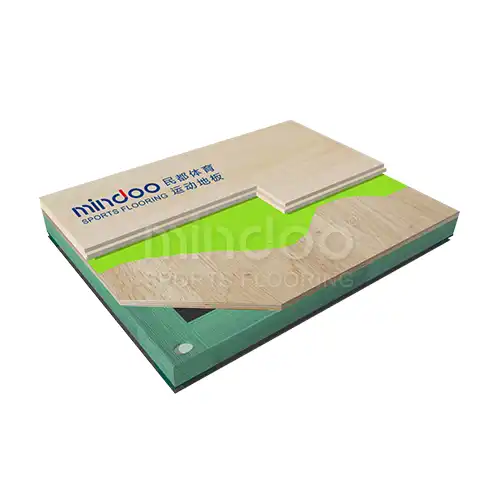
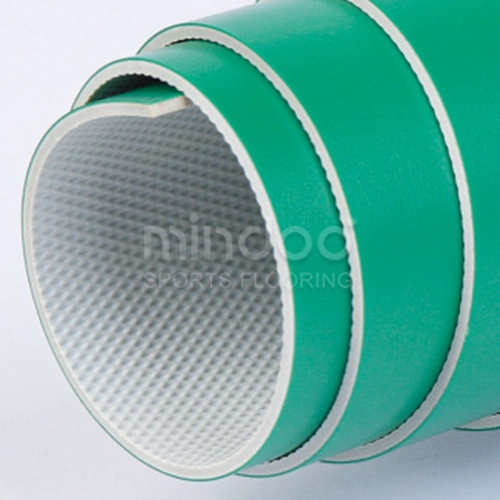
There is no doubt that beech sports flooring is the best choice for your sports facility's athletic surface. It is both very durable and very good at what it does. This whole article tells you everything you need to know about beech hardwood flooring systems, from the technical stuff to things you should think about when putting them down. Whether you're a builder looking for materials that meet building codes, a facility manager putting athlete safety first, or a developer trying to find the best mix of looks and functionality, understanding the unique qualities of beech wood sports surfaces will help you make choices that will last and work well.
Find out why beech wood is a good choice for sports surfaces
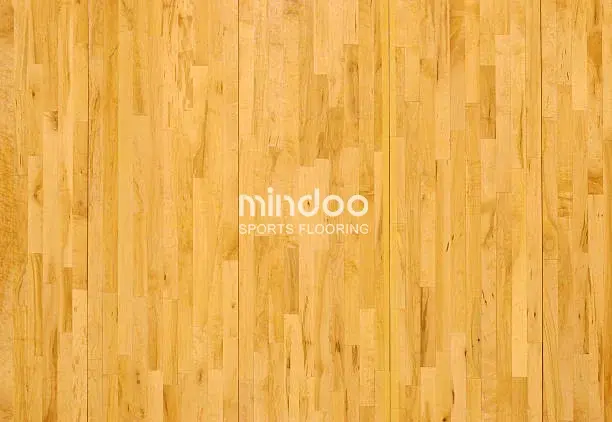
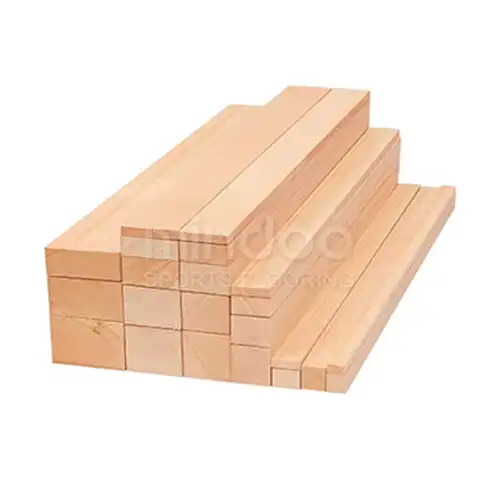
One of the best types of hardwood flooring is European beech wood, which is very stable and doesn't wear down quickly. Because it has uniform grain patterns and a high density, this species of deciduous hardwood is great for sports areas where a lot of people walk on it. Unlike some other types of wood that may have uneven grain patterns, beech wood performs the same way all over the sports area.
Because of the way it is made, beech wood can absorb up to 53% of shocks very well. This is very important to keep athletes safe during games and workouts that are very hard. Because it is naturally elastic, it helps joints handle impact better while still having the best ball-rebound properties needed for many sports. These features make it better for basketball courts, volleyball courts, and sports halls that can be used for many things.
One great thing about beech sports courts is that they don't soak up water. When the environment changes, the wood's cellular structure responds in a predictable way. This makes it less likely that it will bend or lose its shape, which can be dangerous or hurt your performance in sports. This level of stability is very helpful in places where the humidity changes all through the year.
Information that professionals need to know about the tech
Professional-grade beech gym floor systems are carefully designed to meet the standards for certification around the world. The fact that FIBA and BWF have certified these courts shows that they always work well in competitive settings. Most systems are made up of a 22mm to 30mm top layer that is attached to 90mm or 130mm tall engineered substructures.
When it comes to rebounding the ball, the performance always goes above 90% of what is required. This makes sure that the ball acts the same everywhere on the court. It's safe to play at this level of consistency because there are no dead spots that could change the outcome of the game. Heavy machinery can be moved around during events and maintenance work without damaging the surface because it can handle up to 1500N of rolling load.
The amount of vertical deformation stays at ≤15%, which is the best level for absorbing shocks and keeping the surface stable. Because of this specification, the floor doesn't move around too much, which could hurt your ankles. However, it still gives enough to protect athletes during high-impact activities. These measurements come from many years of testing and studying sports science in the real world.
These days, standard board sizes are 1800mm long, 60mm to 80mm wide. However, they can be set up in any way that works for the design. It comes in three thicknesses: 22 mm, 24 mm, and 28 mm. This means you can find one that fits your needs and your budget. Architects and contractors can use these size options to make sure the system works best for a number of sports.
For long-term performance, great installation
How well you install beech sports flooring systems has a direct effect on how long they last and how well they work. The process starts with preparing the subfloor in great detail to make sure it is level, clean, and stable. Testing the subfloor and wood for moisture content stops problems from happening in the future that are caused by changes in size.
Acclimation periods give the beech boards time to get used to the weather where they will be installed. This important step keeps the system's dimensions stable throughout its operational life and reduces movement after installation. Professional installers usually suggest acclimatization periods of 7–14 days, but this depends on the weather where you live.
The design of the substructure is very important for getting the right shock absorption and ball bounce. Engineered support systems use flexible pads and exact spacing to make the performance zones that international sports governing bodies require. These systems have to be able to handle thermal expansion while still keeping their structural integrity when they are loaded and unloaded quickly.
During installation, quality control checks include keeping an eye on how the boards are lined up, how consistent the gaps are, and where the fasteners are placed. Professional installation teams use special tools to make sure that the boards are properly seated and that the surface is always level. These careful steps keep maintenance problems from happening in the future and make systems last a lot longer.
Aesthetic Flexibility for New Buildings
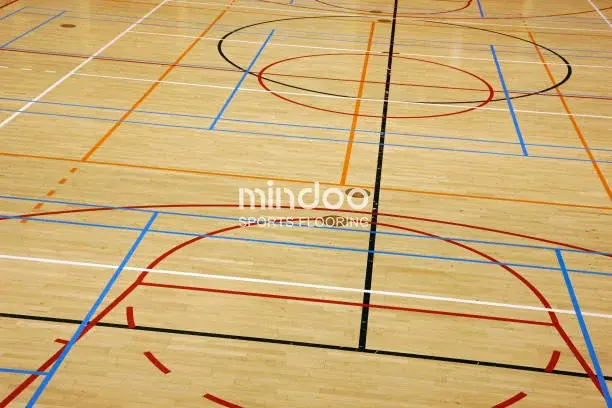
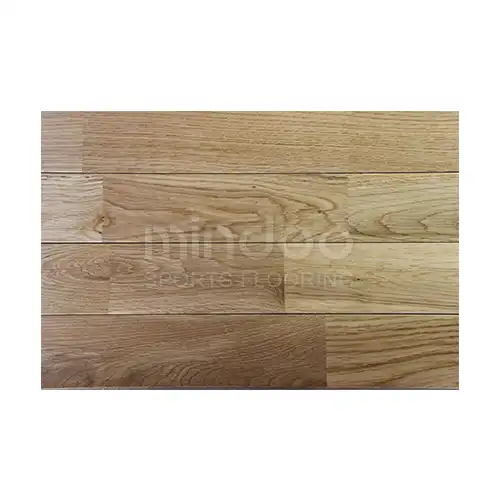
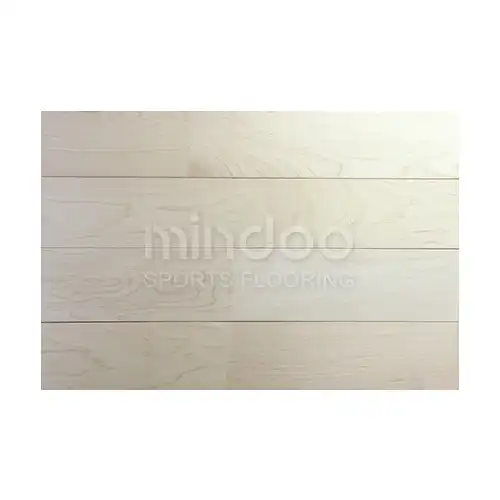
Modern beech sports flooring surfaces come with a lot of customization options that meet both functional needs and design goals. The natural blonde to light brown color of beech wood makes it a great base for many finishing techniques. Facility designers can choose custom stain colors that go with the building's style while still letting the wood's natural beauty show through.
Adding a game line is an important design factor for facilities that can be used for more than one thing. Professional finishing methods make it possible for line markings to be clear and last for a long time, even after heavy use without bleeding or fading. Careful planning and precise layout execution can make room for a number of different sport configurations.
You can choose a surface texture that is either smooth for competition or slightly textured to make it easier to grip. The choice depends on the needs of the sport and the person's maintenance preferences. Smooth finishes are easier to clean and maintain, while textured surfaces may be better for some sports because they give you more grip.
Facilities can add school colors, team logos, or corporate branding elements directly to the floor design with logo and branding integration. These custom features help the building stand out and keep up the professional look that is expected in a competitive setting.
Maintenance Tips to Make Things Last as Long as Possible
Appropriate maintenance plans greatly increase the useful life of beech athletic surfaces while keeping their performance qualities. As part of daily maintenance, microfiber dust mopping is used to get rid of rough particles that could wear down surfaces. Using pH-neutral cleaners to deep clean the floor once a week gets rid of built-up dirt and keeps the floor's natural shine.
Controlling humidity helps keep the right amount of moisture in the air all year long, so things don't expand or contract too much and leave gaps or uneven surfaces. For the best wood stability, professional facility managers usually keep the relative humidity between 30 and 50%. Coordinating the HVAC system keeps the temperature and humidity stable all year long.
When to refinish something depends on how often it is used and what the facility needs. Refinishing may need to be done every 3 to 5 years in places with a lot of foot traffic, but every 7 to 10 years in places with moderate foot traffic. A professional evaluation helps figure out the best time to do something based on the actual conditions of the surface rather than on random schedules.
Damage prevention strategies include using the right tools, covering the floors with protective materials during events that aren't sports, and responding right away to spills or water getting in. Staff training programs make sure that people who work in the facility know how to give good care and can spot problems before they become expensive repairs.
How to Save Money and Get More Value
A lifecycle cost analysis shows that beech sports flooring systems are very cost-effective if they are installed and kept up properly. Initial investment costs are comparable to other premium hardwood options, and it lasts longer than most other options. Well-kept beech surfaces can last for a long time, which lowers the cost of replacement over time by a large amount.
The thermal properties of wood flooring systems make them better for saving energy. Beech surfaces naturally insulate, which can help large sports facilities save money on heating costs. The material's ability to keep surfaces at comfortable temperatures makes people more comfortable and helps the building meet its sustainability goals.
Facility managers can make good budgets for ongoing care needs when they know how much maintenance will cost. Beech floors can be cleaned with regular commercial floor care products and tools, unlike some synthetic options that might need special cleaning products or tools.
Because of its high resale value, beech sports flooring is a good long-term investment. Quality installations usually hold their value better than synthetic ones, which can save money when a building is renovated or changes hands. This factor of residual value often makes the higher initial investment cost worth it compared to lower-quality options.
Conclusion
For sports floors, beech is the best wood because it looks good, works well, and lasts a long time. You can build sports fields that meet or beat international standards and last for decades if you plan ahead and use the right kind of wood. You should use beech floors for sports because they look good and are safe. They need to be planned, set up, and kept up to date so that the building stays on budget and meets its goals. They can also help you do your best.
Why should you hire Mindoo to build your Beech tennis court?
It can make many things and has been around for a long time. That's the best place to get sports floor beech. We are the only ones who own our factory, so we know that everything there is great, from the raw materials to the finished goods. With this method, there are no middlemen, so prices are lower without quality going down.
There are international standards for our work, as shown by the fact that FIBA and BWF have given us their seals of approval. You can be sure that your building will meet the needs of competitors and give athletes the best safety and performance if it has these certifications. A lot of tests need to be carried out to make sure that each batch of goods is of the same quality.
To get full project support, you need installation by a professional, technical help, and advice on how to keep the project running smoothly. The skilled people who work for us set up systems in the best way possible for each job for building managers, architects, and builders. If we all work together, we can finish the project well and make sure everyone is pleased with it.
Check out our list of projects to see where we've put things. They range from small school gyms to huge arenas. People who work with sports floors say that Mindoo does a great job on all of their jobs. Are you ready to learn more about how our best beech sports flooring for sale can make your building better? Email us at sales@mindoofloor.com to get a full quote and talk about your project.
References
- International Association of Approved Basketball Officials. "Standards for Basketball Court Surface Performance and Safety Requirements." Sports Facility Standards Manual, 2023.
- European Hardwood Federation. "Technical Properties and Performance Characteristics of European Beech in Sports Applications." Wood Science and Technology Journal, 2022.
- American Sports Builders Association. "Guidelines for Indoor Sports Flooring Installation and Maintenance Best Practices." Professional Sports Facility Design Manual, 2023.
- International Federation of Basketball Associations. "FIBA Approved Suppliers and Technical Requirements for Competition Courts." Official Equipment and Venue Manual, 2023.
- Badminton World Federation. "BWF Statutes Section 4.1: Laws of Badminton - Court and Equipment Specifications." BWF Technical Guidelines, 2022.
- Sports Flooring Manufacturers Association. "Lifecycle Cost Analysis and Sustainability Considerations for Hardwood Athletic Surfaces." Industry Research Report, 2023.