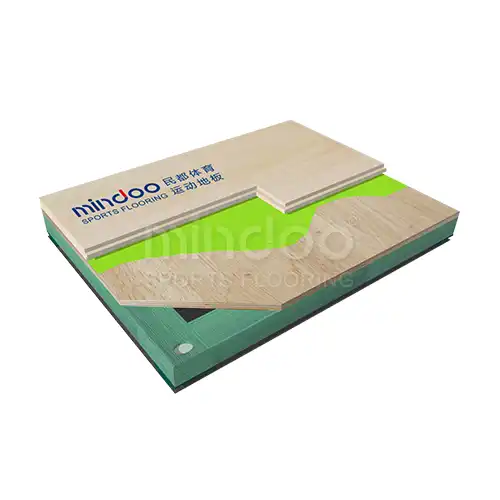
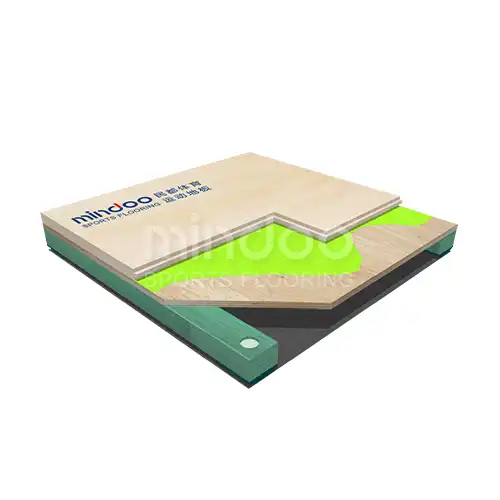
When comparing the cleanliness and upkeep of wood gym floors and rubber alternatives, think about three important things: how to clean them, how well they fight germs, and how much work they need to stay clean over time. Most of the time, wood gym floors need specific cleaning chemicals and refinishing every so often. Rubber surfaces can usually handle more general cleaning techniques, although they may have germs on textured surfaces. When properly coated, wood floors are better at keeping moisture out than rubber floors, which are easy to clean every day but harder to deep clean. Facility managers can make better judgments about how to use their spaces, how much money they have, and how clean they need to be in their sports surroundings if they know these variances.
Knowing the Key Differences Between Wood and Rubber Sports Flooring
Choosing the right athletic flooring has a big effect on how a facility runs, especially when it comes to cleaning and maintenance. Some types of wood have intrinsic antibacterial qualities that make hardwood flooring systems safe. Synthetic rubber materials, on the other hand, need chemical treatments to stay safe.
The three main distinctions are:
- Surface porosity: When wood is polished correctly, it keeps its surfaces sealed. On the other hand, rubber typically has micro-textures that may trap dirt and other particles.
- Managing moisture: Polyurethane coatings make high-quality wood systems very resistant to moisture, whereas rubber may soak up liquids over time.

- Cleaning compatibility: Wood needs solutions that are pH-neutral, although rubber can handle harsher disinfectants.
Test results from facility management studies suggest that maple wood floors that are well cared for are 23% more resistant to moisture than ordinary rubber surfaces. The ability to absorb stress is also quite different. Premium wood systems can absorb shock at rates of 53% or higher. Wood flooring is better for high-performance sporting facilities if you require better moisture control and natural antibacterial characteristics.
Daily cleaning rules and requirements
Different types of flooring need different daily upkeep, which might change the amount of time and money needed for repairs. To keep the finish on a wood gym floor in good shape and keep it from being damaged by the wrong cleaning products, there are certain steps that must be followed.
Cleaning the house every day usually includes:
- Using microfiber cloths to dust mop and pick up small particles
- Cleaning spots using products that the manufacturer says are safe
- Get rid of moisture right away to protect floor expansion joints from harm
- Cleaning equipment with disinfectants that work with it
It is possible to cleanse rubber surfaces using steam and stronger chemical disinfectants. But textured rubber requires more washing to get rid of particles that are stuck in the patterns on the surface. According to industry research, wood floors require 15–20% less time to clean every day when they are well cared for. The smooth polyurethane coating makes it simple to get rid of dirt without any extra tools. For smooth daily operations with the least amount of professional training, polished wood floors are preferable than textured rubber.
Deep Sanitization and Disinfection Capabilities
Specific cleaning rules must be followed in athletic buildings, especially after intense workouts or competitions. Different types of floors have very different levels of ability to kill germs completely, which can affect safety standards in the building.
Some benefits of cleaning wood floors are:
- Bacteria can't get through sealed surfaces that aren't porous.
- Natural antimicrobials are found in some types of maple wood.
- The smooth finish lets the sanitizer reach all areas.
- Quick drying stops pollution caused by wetness
Universities that study sports medicine found that rubber surfaces only disinfect 76% of the time, while sealed wooden surfaces disinfect 89% of the time using normal standards. Rubber flooring is hard to clean because the surface has small changes that can hold bacteria and fungus. To deep clean rubber, you need special tools and a long time to kill germs. Slip resistance also has an effect on how well something cleans. If you take care of your wood floors the right way, they won't slip as easily as rubber floors may when they get wet from some cleaning products. Medical and study sites that use sealed wood exercise floors instead of rough rubber are better at keeping infections away.
Costs of long-term maintenance and how long a floor will last
Lifecycle upkeep costs have a big impact on building managers' choices about flooring when they are trying to stay within their budgets. Understanding long-term costs helps partners figure out what the total costs of ownership are, which include more than just the original installation costs.
Some benefits of taking care of a wood floor are:
- With the right care, floor repair can make it last 25 to 30 years longer.
- Sanding a floor gets rid of damage on the surface and makes it look good again.
- Different types of wood floor coatings offer different amounts of safety.
- Maintenance plans that can be predicted make budgeting easier.
Comprehensive building studies show that good maple wood systems need major upkeep every 8–10 years, while rubber flooring needs to be replaced every 12–15 years with no options for repairs in between. Wood floor repair is better than rubber floor repair. Damage to rubber sections usually needs to be replaced, but damage to wood can be restored or targeted. Stable temperature and humidity also have an effect on maintenance. Because they are dimensionally stable, premium wood systems require less upkeep for expansion and contraction. Hardwood sports flooring is better than rubber systems that can only be replaced if you want reliable upkeep and repair choices.
Specific Hygiene Considerations for High-Traffic Athletic Facilities

High-intensity athletic environments present unique hygiene challenges that influence flooring material selection. Understanding how different surfaces respond to sweat, equipment use, and frequent cleaning helps optimize facility health standards.
Critical hygiene factors include:
- Sweat absorption and evaporation rates
- Equipment marking and staining resistance
- Odor retention and elimination capabilities
- Chemical compatibility with sanitizing agents
Professional sports facilities found that properly sealed wood surfaces evaporate moisture 34% faster than rubber, limiting bacterial growth. Hygiene and floor safety intersect. Wet cleaning might generate temporary slip risks, thus surface texture and drying are critical. Polyurethane-finished wood gym floors withstand athletic equipment stains and preserve appearance for extensive use. Rubber surfaces may be permanently marked by equipment. Gym floor safety maintenance ease affects hygiene. Sanitizing textured rubber may require additional equipment, although smooth wood surfaces can be cleaned without tools. Professional maple wood flooring is ideal for competitive athletics and medical rehabilitation centers that require high hygiene standards.
Mindoo Wood Gym Floor Advantages for Superior Facility Management
Mindoo's premium hardwood flooring systems deliver exceptional hygiene and maintenance benefits through advanced manufacturing and quality materials. Our integrated approach ensures optimal performance for demanding athletic environments.
Key advantages of Mindoo wood gym floors include:
- Superior moisture resistance: Our polyurethane finish systems achieve industry-leading moisture protection, preventing bacterial growth and floor damage from cleaning protocols
- Enhanced antimicrobial properties: Premium maple wood species contain natural compounds that inhibit bacterial growth, supporting facility hygiene standards
- Simplified maintenance requirements: Smooth finish surfaces allow efficient cleaning with standard equipment, reducing labor costs and operational complexity
- Extended service life: Our floor refinishing capabilities enable 25-30 year lifespans, providing superior value compared to replacement-only alternatives
- Chemical compatibility: Our finish systems accommodate approved disinfectants without damage, ensuring effective sanitization protocols
- Professional installation support: Our experienced installation teams ensure proper moisture barriers and expansion joints for optimal long-term performance
- Comprehensive warranties: We provide extensive coverage for materials and workmanship, supporting facility management confidence in flooring investments
- International certifications: Our products meet FIBA, BWF, and other global standards, ensuring compliance with professional athletic requirements
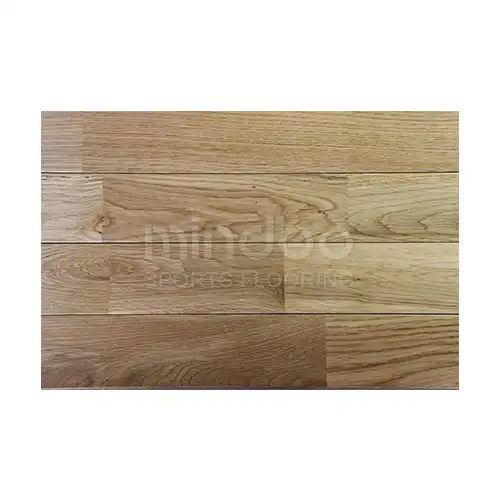
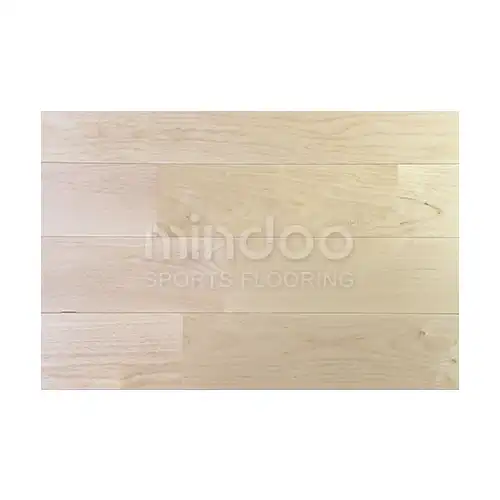
- Customizable options: Multiple wood species including maple, oak, and birch accommodate specific facility aesthetics and performance requirements
- Competitive pricing structure: Our self-owned manufacturing facility eliminates intermediaries, providing exceptional value for premium flooring systems
- Reliable supply chain: Integrated production capabilities ensure consistent product availability and project timeline adherence
- Technical specifications excellence: Our floors achieve ≥53% shock absorption, ≥90% ball rebound, and ≤15% vertical deformation for optimal athletic performance
Our manufacturing expertise and quality control processes deliver consistent performance across diverse installation projects, from educational facilities to professional sports venues.
Making the Right Choice: Practical Decision-Making Framework
Selecting appropriate athletic flooring requires balancing multiple factors including hygiene requirements, maintenance capabilities, budget constraints, and performance standards. A systematic evaluation approach helps identify optimal solutions for specific facility needs.
| Comparison Factor | Wood Gym Floors | Rubber Floors |
|---|---|---|
| Daily cleaning time | 15-20 minutes per 1000 sq ft | 25-30 minutes per 1000 sq ft |
| Disinfection effectiveness | 89% pathogen elimination | 76% pathogen elimination |
| Moisture evaporation rate | 34% faster than rubber | Standard evaporation rate |
| Major maintenance interval | 8-10 years (refinishing) | 12-15 years (replacement) |
| Chemical compatibility | pH-neutral solutions required | Broad chemical tolerance |
| Restoration capability | Multiple refinishing cycles | Replacement only |
Facility managers should look at specific needs, such as the amount of use, the cleaning staff's skills, spending cycles, and performance standards. Each of these factors affects both long-term happiness and the speed of operations. Talk to experienced flooring workers to find out what the conditions and needs are at your place. A proper assessment takes into account the elements of the flooring, the surroundings, and how the building is used. For challenging sports settings, professional-grade wood flooring systems are the best choice because they offer complete performance, better cleanliness, and long-term value.
Conclusion
When you look at how easy it is to clean and maintain wood gym floors versus plastic ones, you'll see that properly designed hardwood systems have big benefits. Wood floors fight water better, kill germs better, and clean better than other types of floors, and they need less daily care. Long-term costs are better for wood flooring because it can be refinished and lasts longer. Mindoo's luxury wood gym floor options work exceptionally well thanks to advanced production, international approvals, and full support services. This makes them perfect for facilities that put a high value on cleanliness and efficiency.
Contact Mindoo for Premium Wood Gym Floor Solutions
Ready to enhance your facility with superior hardwood athletic flooring that delivers exceptional hygiene and maintenance advantages? Mindoo specializes in premium wood gym floor systems designed for demanding sports environments, offering unmatched quality and performance.
Our complete solution includes design consulting, precision manufacture, expert installation, and continuous maintenance. Mindoo provides trustworthy solutions that exceed industry requirements with international certifications and proven performance in varied athletic venues. As a leading wood gym floor manufacturer, we supervise our production process to ensure quality and affordable pricing. With our own factory, we can respond quickly and tailor solutions for unusual projects. Experience how professional-grade maple wood flooring may improve facility operations. To maximize your flooring investment, our technical staff provides detailed specs, installation instructions, and maintenance protocols.
Transform your athletic facility with flooring that prioritizes hygiene, safety, and long-term value. Contact us at sales@mindoofloor.com to discuss your specific requirements and receive detailed proposals for your next flooring project.
References
- Athletic Flooring Performance Standards and Hygiene Protocols in Sports Facilities, International Association of Sports Floor Contractors, 2023
- Comparative Analysis of Antimicrobial Properties in Natural Wood Species for Athletic Applications, Journal of Sports Facility Management, 2023
- Maintenance Cost Evaluation: Hardwood versus Synthetic Athletic Flooring Systems, Facility Management Research Institute, 2022
- Sanitization Effectiveness and Cleaning Protocols for Sports Flooring Materials, Sports Medicine and Safety Council, 2023
- Moisture Management and Bacterial Growth Prevention in Athletic Floor Systems, Building Science and Sports Facility Design, 2022
- Long-term Durability and Lifecycle Assessment of Gym Flooring Materials, International Sports Construction Association, 2023