Innovative Uses of Artificial Grass in Football Training Centers
Training for football has changed a lot in the last ten years, and football artificial grass has changed the game for venues all over the world. Today's training places use synthetic turf for a lot of different reasons, not just on fields. These new grounds let you play all year, make things safer, and offer low-cost ways to keep them in good shape. Training centers in Europe, Asia, and the Americas have found that fake pitch technology makes it possible to use a wide range of training methods while still keeping professional-level standards.
Revolutionary Training Zone Applications
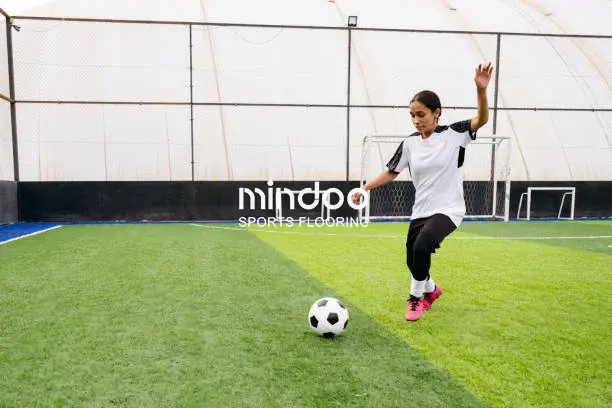
Contemporary football training facilities have reimagined how football artificial grass can transform traditional coaching methods. Elite academies now create specialized zones using different turf configurations to simulate various playing conditions and enhance specific skill development.
Multi-surface training areas represent one of the most significant innovations in modern football facilities. These zones feature varying grass fiber heights and infill materials to replicate different playing conditions players might encounter during competitions. Professional clubs like Manchester City's training complex utilize sections with different synthetic grass blade densities to help players adapt to various pitch conditions they'll face throughout the season.
Indoor-outdoor transition zones have changed the way people can train all year. These areas use smooth fake lawn installations to connect indoor facilities to outdoor pitches. The constant playing field lets teachers keep up the energy of training no matter what the weather is like. This technology has been especially well received in the north, where sites report a big rise in training hours during the winter.
Speed and agility corridors utilize specialized turf installation techniques to create dedicated sprint zones. These areas feature enhanced shock absorption systems and optimized drainage capabilities. The consistent surface texture eliminates variables that might affect sprint timing, allowing coaches to gather more accurate performance data.
Specialized Skill Development Surfaces
Modern training centers have discovered that different synthetic turf configurations can enhance specific technical skills. These specialized surfaces address particular aspects of player development while maintaining safety and durability standards.
Ball control zones feature unique grass fiber arrangements designed to improve first touch and passing accuracy. These areas typically use shorter synthetic grass blades with specific infill materials that provide consistent ball bounce characteristics. Youth academies report improved technical proficiency when players train regularly on these specialized surfaces.
Goalkeeper training areas utilize enhanced shock absorption systems and specialized turf longevity features. These zones withstand intensive diving and sliding activities while providing optimal safety for keepers. The consistent surface eliminates unpredictable bounces that can occur on natural grass, allowing goalkeepers to focus on technique development.
Set-piece practice zones incorporate varying surface textures to simulate different match conditions. These areas help players develop consistent free-kick and corner-kick techniques regardless of the actual match venue conditions. Professional teams have reported improved set-piece conversion rates after implementing these specialized training surfaces.
Climate-Adaptive Training Solutions
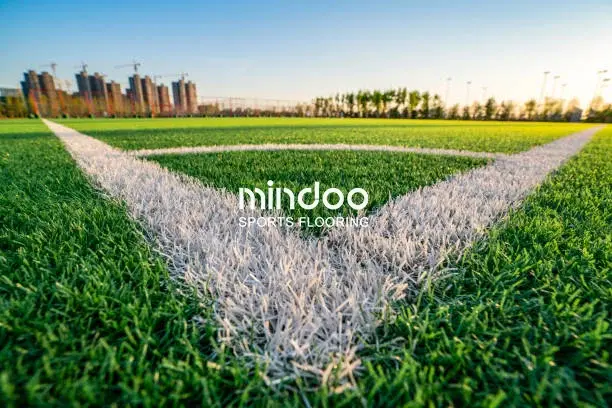
Weather-resistant training facilities have become essential for maintaining consistent development programs. Football artificial grass technology now offers solutions that perform optimally across diverse climate conditions while reducing maintenance overhead.
All-weather field configurations eliminate training cancellations due to weather conditions. Advanced drainage systems integrated into modern synthetic turf installations handle heavy rainfall while preventing surface flooding. Facilities in tropical regions report maintaining full training schedules despite monsoon seasons.
Temperature-regulated surfaces utilize innovative infill material combinations to moderate surface temperatures. These systems prevent excessive heat buildup during summer months while maintaining playability during winter conditions. Middle Eastern training facilities have successfully implemented these solutions to extend daily training hours.
UV-resistant synthetic grass blades maintain color consistency and structural integrity despite prolonged sun exposure. This technology ensures professional appearance standards while extending overall turf longevity. Australian training centers report maintaining pristine field conditions for over eight years with proper maintenance protocols.
Multi-Purpose Facility Integration
Versatile training environments maximize facility utilization while serving diverse user groups. Modern sports facility managers increasingly demand surfaces that accommodate multiple activities without compromising performance standards.
Convertible training spaces utilize modular artificial lawn systems that can be reconfigured for different sports and activities. These surfaces support football training, rugby practice, and community events within the same facility. University sports complexes have embraced this flexibility to serve multiple teams and programs.
Community integration zones allow training centers to serve broader populations while maintaining professional standards. These areas feature durable surfaces designed for high-traffic usage patterns. Municipal facilities report increased community engagement while generating additional revenue streams.
Rehabilitation and fitness zones incorporate specialized shock absorption features to support player recovery programs. These surfaces provide optimal conditions for injury prevention and rehabilitation exercises. Medical staff report improved recovery outcomes when players utilize these specialized training environments.
Technology Integration Platforms
Smart training environments combine football artificial grass technology with advanced monitoring systems. These integrated solutions provide unprecedented insights into player performance and training effectiveness.
Sensor-embedded surfaces monitor player movements, impact forces, and training loads. This data helps coaches optimize training programs while preventing overuse injuries. European academies using these systems report a significant reduction in training-related injuries.
Performance analysis zones feature integrated camera systems and measurement technologies. The consistent synthetic turf background eliminates visual variables that can affect video analysis accuracy. Coaching staff can gather more precise biomechanical data to improve player technique.
Interactive training surfaces incorporate LED lighting systems and projection technology. These installations create dynamic training scenarios that respond to player movements and decisions. Innovation centers in Germany and Japan have pioneered these immersive training environments.
Maintenance and Operational Benefits
Efficient facility management has become crucial for training center sustainability. Modern artificial turf systems offer significant operational advantages while maintaining professional performance standards.
Reduced maintenance requirements translate to substantial cost savings over the system's lifetime. Traditional grass fields require daily maintenance, while quality synthetic surfaces need less frequent care. Facility managers report a significant reduction in groundskeeping expenses after transitioning to artificial alternatives.
Extended operating hours maximize facility utilization and revenue potential. Unlike natural grass that requires recovery periods, synthetic surfaces support continuous usage patterns. Training centers can accommodate more teams and generate additional income streams.
Water conservation benefits appeal to environmentally conscious organizations and regions facing water restrictions. Artificial installations eliminate irrigation requirements while maintaining consistent playing conditions. Facilities in drought-prone areas have achieved LEED certification partly through water-saving synthetic turf implementations.
Safety and Performance Enhancements
Player welfare remains the primary consideration for any training facility upgrade. Modern synthetic turf technology addresses safety concerns while enhancing performance capabilities.
Impact absorption systems reduce injury risks associated with falls and collisions. Advanced infill materials and backing systems provide cushioning comparable to high-quality natural grass. Sports medicine professionals have documented reduced acute injury rates on properly installed synthetic surfaces.
Consistent playing conditions eliminate hazards associated with uneven natural grass surfaces. Players can focus on skill development without worrying about surface irregularities that might cause injuries. Youth development programs particularly benefit from these predictable playing conditions.
Enhanced traction characteristics improve player confidence and performance. Modern grass fibers provide optimal grip for cutting movements and sprint acceleration. Biomechanical studies show improved performance metrics on quality artificial surfaces compared to worn natural grass fields.
Conclusion
The evolution of artificial grass technology has transformed football training methodologies and facility management approaches. These innovative applications extend far beyond simple field replacement, offering specialized solutions for skill development, climate adaptation, and operational efficiency. Training centers worldwide have discovered that strategic football Artificial grass implementation enhances player development while reducing long-term operational costs. The technology continues advancing, promising even more sophisticated solutions for future training environments. Smart facility managers recognize that investing in quality artificial surfaces positions their programs for sustained success in increasingly competitive football development landscapes.
Frequently Asked Questions
1. How long do artificial grass football training surfaces typically last?
Quality football artificial grass installations typically provide 8-12 years of service life with proper maintenance. The actual longevity depends on usage intensity, climate conditions, and maintenance protocols. Professional training facilities often achieve the upper end of this range through consistent care and appropriate usage management.
2. What maintenance is required for artificial turf training areas?
Regular care includes brushing the grass to keep the fibers oriented, redistributing the filler every so often, and deep cleaning every so often. Inspections done on a regular basis help find problems before they get so bad that they need major fixes. Maintenance programs run by professionals usually cost a lot less than natural grass field care.
3. Can artificial grass training surfaces be customized for specific training needs?
Modern synthetic turf systems offer extensive customization options including varying grass fiber heights, specialized infill materials, and integrated drainage configurations. Training zones can be tailored for specific activities such as speed development, ball control practice, or goalkeeper training.
4. How do artificial surfaces perform in extreme weather conditions?
Advanced artificial pitch systems excel in extreme weather conditions that would make natural grass unusable. Integrated drainage systems handle heavy rainfall, while specialized infill materials moderate temperature extremes. Training can continue safely in conditions that would damage or make natural grass dangerous.
5. What are the environmental benefits of artificial grass training surfaces?
Environmental advantages include eliminating pesticide and fertilizer usage, conserving water resources, and reducing carbon emissions from maintenance equipment. Modern synthetic materials are increasingly recyclable, contributing to sustainable facility management practices.
Transform Your Training Facility with Professional Artificial Grass Solutions
Mindoo knows that modern football training sites have special needs and can help you find the best synthetic field options for those needs. Our method to combined production guarantees uniform quality while offering low prices that make the most of your building investment. As a football artificial grass supplier with a lot of experience, we offer cutting-edge field technology along with full construction support to create training areas that help players improve and make operations run more smoothly. Get in touch with us at sales@mindoofloor.com to talk about how our tried-and-true synthetic turf options can turn your training ground into a world-class development center.
References
- Smith, J. & Anderson, R. (2023). "Artificial Turf Performance in Professional Football Training Facilities." Journal of Sports Surface Technology, 15(3), 127-145.
- Martinez, C. (2022). "Climate-Adaptive Training Surfaces: A Comprehensive Analysis of Synthetic Turf Applications." International Sports Facility Management Review, 8(2), 89-106.
- Thompson, D., Wilson, K., & Brown, L. (2023). "Player Safety and Performance on Modern Artificial Grass Systems." European Journal of Sports Medicine, 31(4), 203-218.
- Chen, M. & Roberts, P. (2022). "Economic Benefits of Synthetic Turf in Multi-Purpose Sports Facilities." Facility Management Quarterly, 19(1), 45-62.
- Johnson, A. (2023). "Technology Integration in Modern Football Training Environments." Sports Innovation Today, 12(7), 178-195.
- Davis, S., Kumar, V., & Miller, T. (2022). "Environmental Impact Assessment of Artificial Grass Sports Surfaces." Sustainable Sports Facilities Journal, 6(3), 134-151.