The choice of material affects how well players can play badminton.rs do, how safe they are, and how long the flooring lasts. Badminton court maple wood flooring is the best choice for indoor sports venues. It's very strong, good at absorbing impacts, and looks great. This all-in-one guide talks about the most important things B2B stakeholders need to know when they want to buy high-quality maple wood floors. This group includes people like procurement managers, contractors, architects, and facility operatoIf you know about the technical details, design choices, and ways to get what you need, you can make good decisions about spending money on sports infrastructure that will be worth it and perform well over time.
Understanding the Advantages and Applications of Maple Wood for Badminton Courts
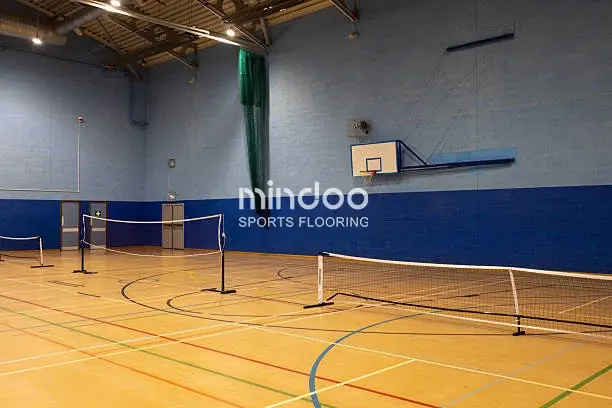
The unique density and hardness of maple wood make it the best choice for badminton courts. The high-density structure is better at absorbing shocks, with over 53% shock absorption that lowers the risk of injury during intense play. This natural strength is due to the way maple cells are structured. They make an elastic response possible under dynamic loads while keeping the overall shape over time.
Safety Benefits and Performance Features
Badminton court maple wood flooring's technical performance has a direct effect on the safety of players and the quality of the game. Ball rebound rates of 90% or higher are enough to ensure that maple surfaces meet the BWF and FIBA certification standards for consistent shuttlecock behavior. The vertical deformation rate of 15% or less is the best at returning energy and absorbing impact forces. Because of these specifications, badminton players don't have to stress their muscles and joints as much when they change directions quickly, which is a big part of the game.
Aesthetic Excellence and Facility Improvement
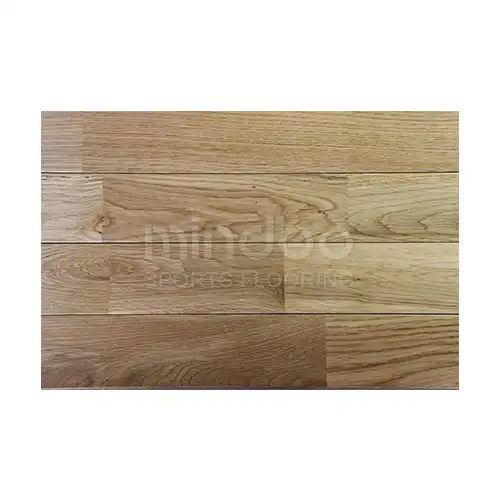
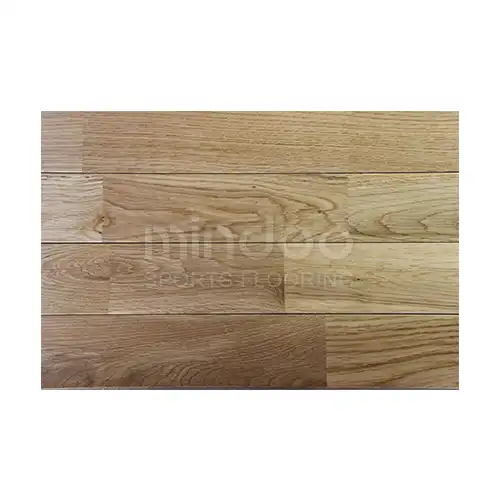
Maple wood looks great in sports facilities beyond performance metrics. The natural wood patterns and smooth finish make the place look better and more elegant for playing. This high-end look helps facilities keep professional standards in place while also creating welcoming spaces that draw in users and help commercial operators make money.
Design and Installation Considerations for Maple Wood Badminton Floors
Maple flooring will only work if you pay close attention to how it is designed and installed. The thickness of the surface, which is usually between 20 mm and 22 mm, affects how well and how long the product works. These thickness options are in line with international sports flooring standards and meet different levels of cost and use.
How the System is Set Up and What it Needs to Work
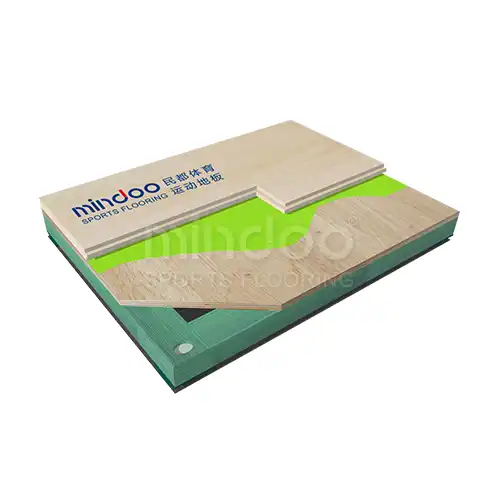
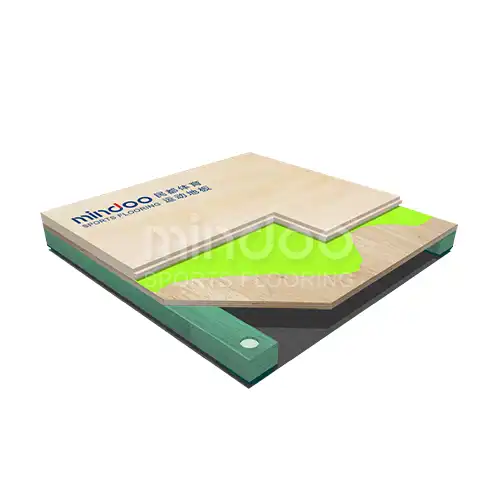
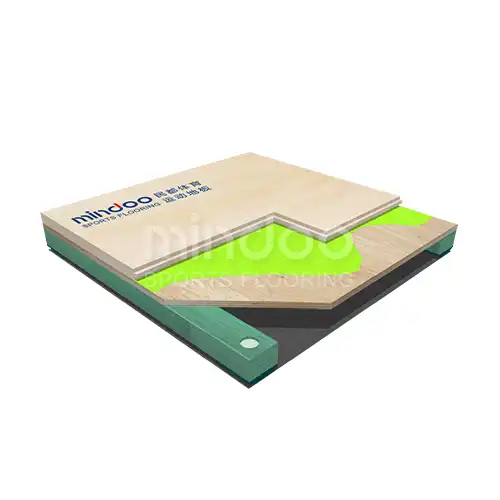
There are many ways to install modern maple flooring. This makes it possible for the needs of different types of buildings to be met. Single-layer systems that are 90 mm tall overall are a good way to save money on places that aren't used very much, but for places that have a lot of high-intensity competitions, double-layer systems that are 130 mm tall overall will be better at absorbing shocks. The systems differ in how much they cost and how well they need to work. People can also choose based on how much they think the systems will be used.
Quality Control and Professional Installation
The badminton court maple wood flooring must be dry and well-prepared in order to install the floor correctly. Professional installers use exact methods, like proper spacing, moisture barriers, and climate acclimation procedures, to make sure that there is no future warping or dimensional instability. The installation process uses a sports-grade finish and polyurethane coatings. These coatings protect the surface and keep it safe for play by providing the best grip.
Maple Wood Versus Alternative Flooring Types: Comparative Insights
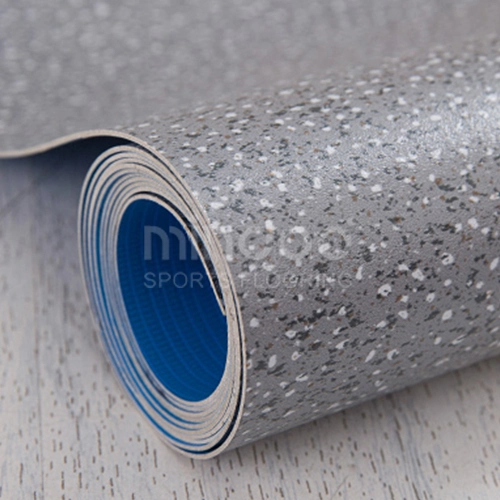
The most important flooring tests have always favored maple over engineered wood. Maple wood is more reliable than rubber and PVC, which don't bounce or absorb shock. Maple is organic, so played-on surfaces stay in good condition and react naturally to temperature and humidity.
Value Over Time and Cost-Benefit Analysis: Worth It?
While maple flooring may cost more than synthetic flooring, a life-cycle cost analysis shows that natural wood is better. If maintained and refinished, maple floors can last 20–30 years. Its strength makes it cheaper to replace and allows the facility to stay open longer than synthetic surfaces, which must be replaced every 10–15 years.
Sustainability and environmental impacts
Responsible suppliers and sustainable maple wood are better. If done right, forestry can turn recycled materials into maple flooring. This is environmentally friendly, unlike man-made materials. Wood products degrade naturally, so facility managers and government officials who care about green building and the environment like them more.
Maintenance, Repair, and Longevity of Maple Wood Badminton Floors
Good maintenance ensures everything works well and lasts. Using the right wood-safe products regularly will k
eep the surface looking good. This distinguishes fancy restaurants from others. Humidity control systems prevent size and shape changes that could affect performance or safety.
How to Maintain Preventative Care
A complete maintenance program includes daily cleaning, deep cleaning, and refinishing. Use only approved cleaners for sweeping and damp mopping to preserve protective coatings. Without harsh chemicals or rough tools, the badminton court maple wood flooring will stay safe and the special finishes will stay intact, allowing the instrument to play well.
Repair and Restoration Options
Because restoration is nearby, maple floors can be properly repaired. Spot refinishing repairs small damage without replacing the floor. In a large restoration project, experts can sand and refinish old floors to make them look new. This is much cheaper than floor installation. It keeps floors legal and useful.
Procurement Guide and Trusted Supplier Insights for Maple Wood Flooring
Successful procurement strategies require a thorough evaluation of the supplier's product certifications, manufacturing capabilities, and level of service support. Top suppliers keep international certifications, such as BWF and FIBA approvals. They also show that they always provide quality service by keeping records of past work and showing examples of completed projects.
Supplier Assessment Standards and Building Partnerships
Buyers who are part of a business should look at suppliers based on how well they do in manufacturing integration, customization, and geographic service coverage. Suppliers who make their own products have better quality control and lower prices because they don't have to pay middleman costs. Design consultation, installation supervision, and after-sales support are all part of our service, which adds value beyond just supplying products.
Deal Discussion and Project Oversight
Making good purchases requires planning how and when to get the items and making sure they work as promised. Professional suppliers give technical specifications, installation instructions, and warranty coverage that protect buyers' investments. Buying in bulk and making long-term partnership deals often lead to big savings and make sure that supplies are always on hand.
Premium Maple Wood Flooring Solutions by Mindoo
Mindoo says it is a leading manufacturer and supplier of certified maple wood badminton court floors that are superior to the floors called for by international standards. We take care of everything, from getting the materials we need to installing the final product and offering after-sales support. This way, all sports facilities around the world can run smoothly.
Since we own the factory, we can make sure the quality of the work is high, we don't have to pay other companies to do our work for us, and we can offer our clients good prices without lowering our own standards. The products are made with precision cutting and advanced treatment methods to make sure they are long-lasting and work the same way no matter what climate they are used in or how often they are used.
We are committed to sustainability by getting wood in an environmentally friendly way and using manufacturing methods that are both environmentally friendly and produce high quality. We are dedicated to making custom things. This lets us meet the specific needs of different kinds of buildings, which helps projects succeed in all kinds of places and building types.
Conclusion
The best kind of wood flooring for badminton courts is maple.t need to be safe, functional, and good-looking. The technical performance, long-term durability, and attractiveness of the product make it a very good deal for facility operators in a wide raof different types. If you know about the different design options, how to keep things running, and how to get new equipment, you can make choices that help your business grow and keep things running smoothly.
Frequently Asked Questions
Q1: Maximum badminton court maple flooring thickness?
A: On average, top layers are 20–22mm thick. The system is 90 mm tall with single-layer sleepers and 130 mm with double-layer. Use frequency and efficacy will determine the choice.
Q2: Maple badminton floor refinishing frequency?
A: Use, care determine how often to refinish. Average three to five years. Checking crowded, competitive places more often may be necessary. Clean recreational areas can go longer without inspection.
Q3: Can maple flooring cover other flooring?
A: Professionals must check the subfloor's levelness, moisture, and condition before installing new floors. Correct subfloor preparation makes many installations work well and last.
Transform Your Facility with Premium Maple Flooring Solutions
The badminton court maple wood floorings for sale from Mindoo are high quality, stylish, and built to last. They also protect players. Use these to make your badminton courts better. We are a trusted Badminton Court Maple Wood Flooring manufacturer, and we make your buying process easier with a personalized approach that includes expert installation oversight and ongoing maintenance support to ensure the best results.
Mindoo can offer lower prices while still meeting international certification standards because they can do all parts of the manufacturing process and have worked on big construction projects. Our customizable solutions can be used in many different kinds of facilities, from competition venues to recreational centers. Let's work together to install a high-quality sports floor that is eco-friendly, meets global standards, and is a great deal in the long run.
Contact our specialists today for a detailed project consultation and custom quotes. If you want to change your sports venue with a company that has a good reputation and knows how to do the job right, email us at sales@mindoofloor.com.
References
1. International Badminton Federation. "BWF Approved Synthetic Court Surfaces and Wooden Floor Systems Guidelines." BWF Technical Regulations, 2023.
2. Sports Floor Research Institute. "Comparative Analysis of Natural Wood versus Synthetic Athletic Flooring Performance Characteristics." Journal of Sports Surface Technology, Vol. 45, 2023.
3. American Sports Builders Association. "Design and Construction Standards for Indoor Sports Facilities." ASBA Technical Manual, 2022.
4. Forest Stewardship Council. "Sustainable Sourcing Guidelines for Sports Facility Construction Materials." FSC Certification Standards, 2023.
5. National Federation of State High School Associations. "Athletic Facility Flooring Safety and Performance Standards." NFHS Guidelines, 2023.
6. International Association for Sports and Leisure Facilities. "Life Cycle Cost Analysis of Athletic Flooring Systems." IAKS Research Report, 2022.